
Picture this: it’s the late ’90s, you’re huddled in a dim room with your clunky desktop, heart racing as you fire up the modem. That first screech hits like a time machine, pulling you back to an era when getting online felt like launching a rocket. Those noises weren’t just static, they were the gateway to a digital world that changed everything.
Honestly, hearing it now stirs up this weird mix of frustration and pure joy. Dial-up defined how a whole generation discovered the web, one agonizing connection at a time. Ready to relive those iconic blasts from the past?
1. The Steady Dial Tone Hum
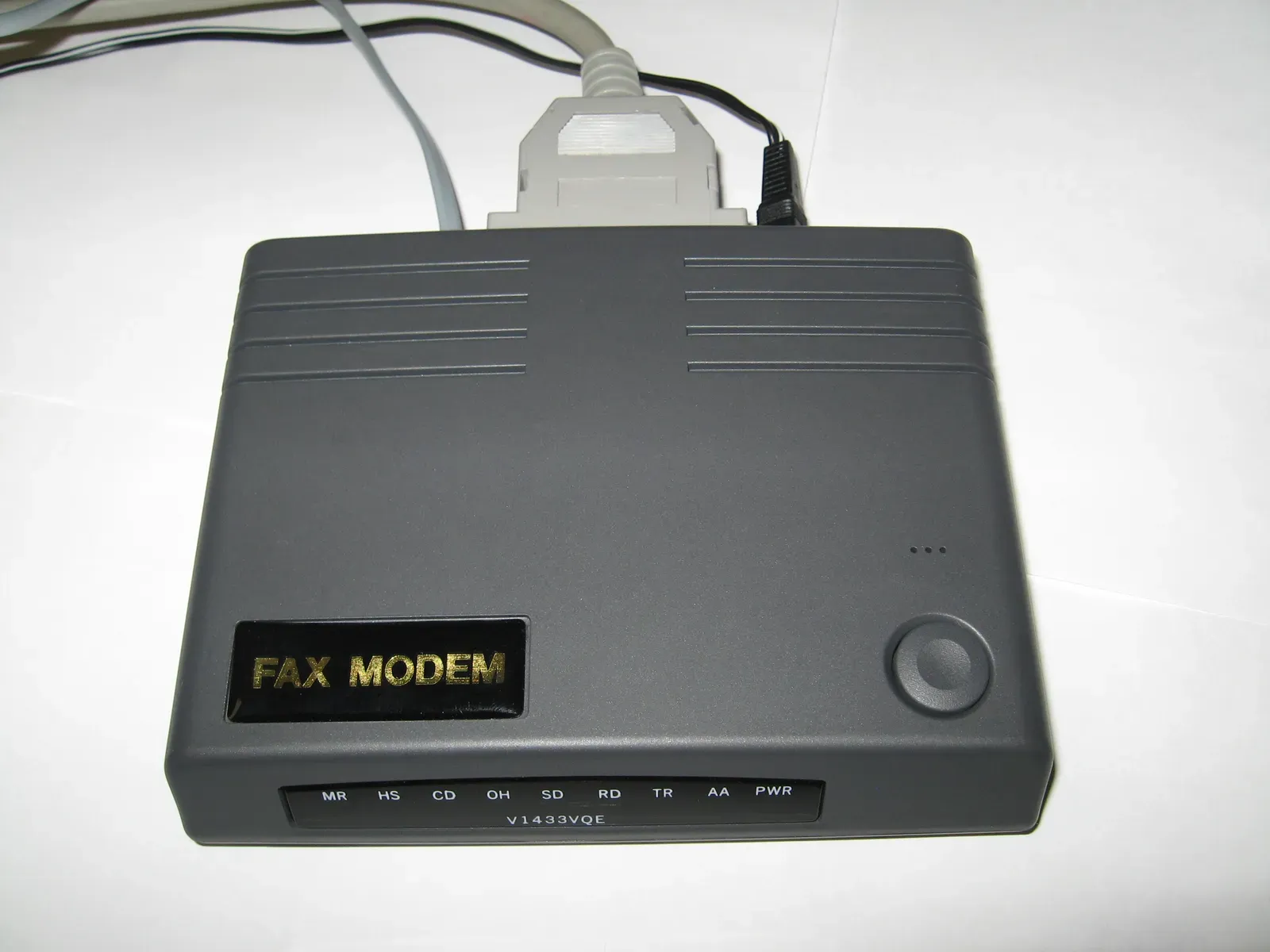
Dial-up kicked off with that low, continuous hum, the telephone network’s way of saying the line was live and ready. Your modem picked up the phone, just like you would to make a call, confirming everything was set for dialing. Federal Communications Commission guides explain how these analog lines turned digital signals into those audio cues we all remember. It lasted only a second or two, but it built the tension right from the start.
2. The Beep-Booping Dial Tones
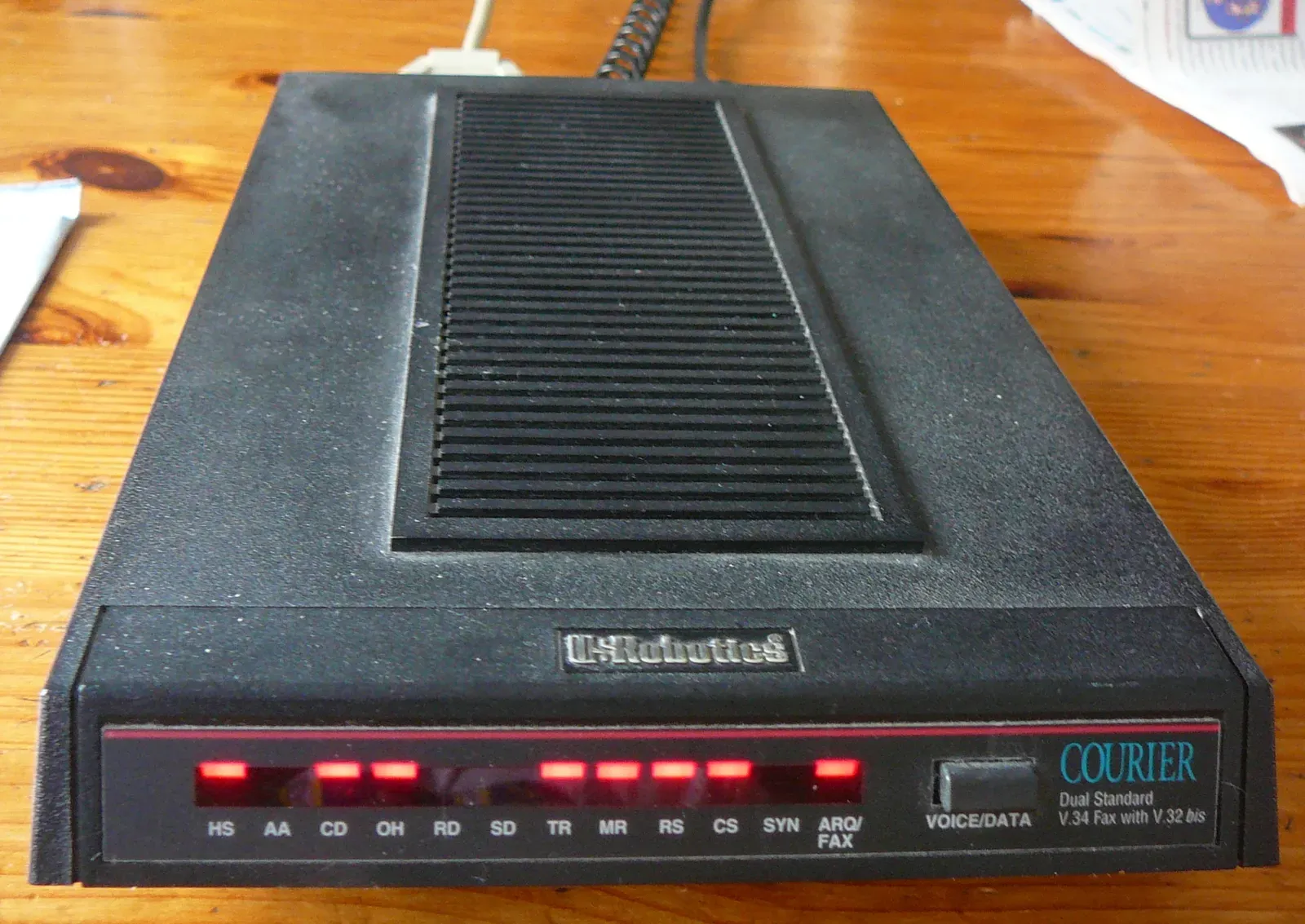
Next came the sharp, musical beeps as the modem punched in the ISP’s number using DTMF signals, those dual-tone pairs like 697 Hz mixed with higher pitches for each digit. Each beep represented a number, spelling out the phone line to your provider in a symphony of electronic chirps. This phase took just moments, yet it felt endless if the line was busy. ITU standards from the late ’90s highlight how crucial this precise signaling was for reliable connections.
3. The Nerve-Wracking Ringback
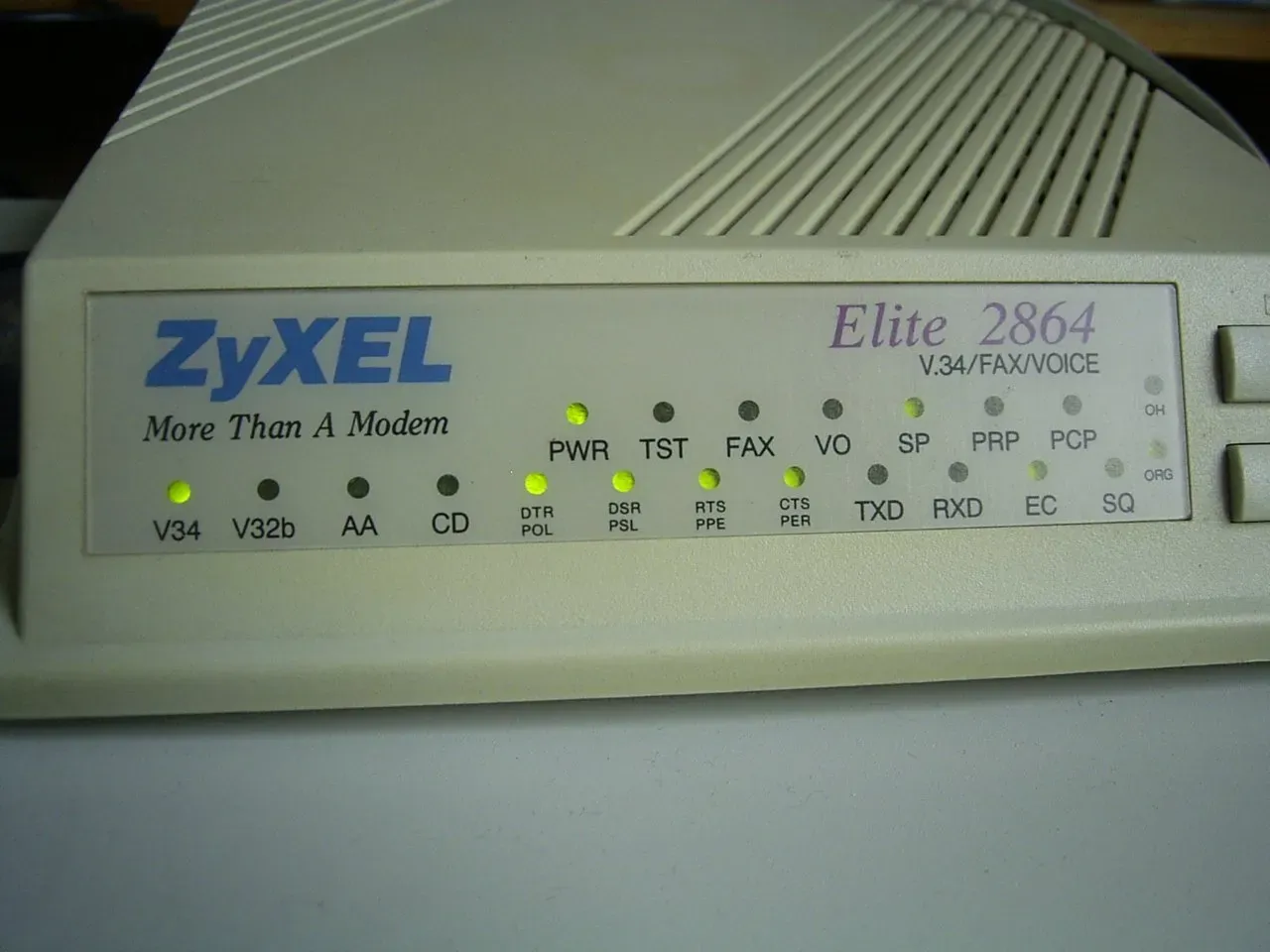
Then the ringback tone kicked in, that repetitive “brrr” mimicking the phone ringing at the ISP end, making you hold your breath while waiting for an answer. Connection times often stretched 20 to 60 seconds here, depending on line quality and traffic, as noted in telecommunications histories. Pew Research Center data shows about 42 percent of U.S. adults were online by 2000, mostly via these nail-biting waits. Poor signal could drag it out, turning anticipation into agony.
4. The Piercing Answer Tone
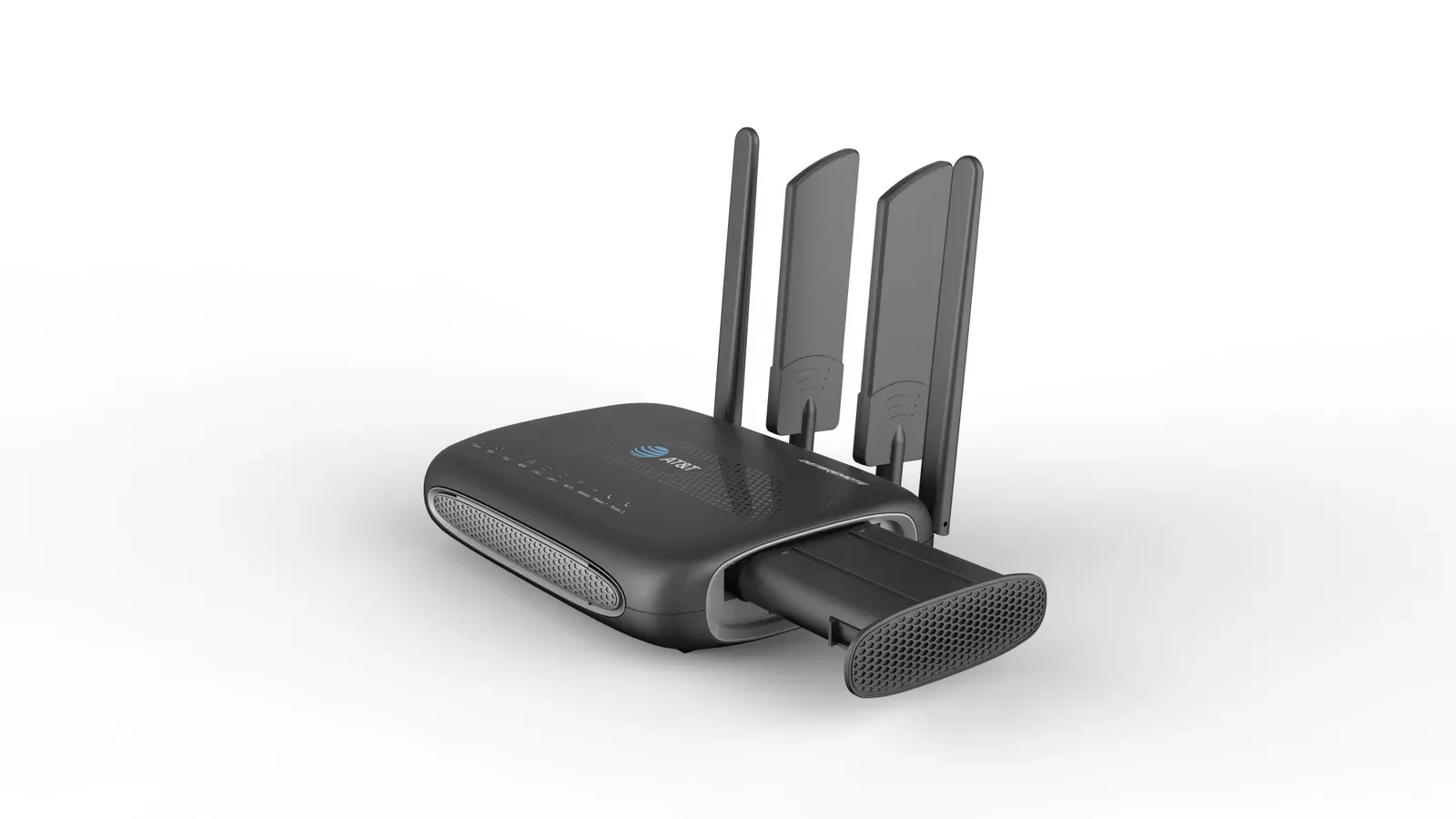
Relief hit with the remote modem’s answer, a steady high-pitched whine around 2 kHz signaling it was ready to talk. This tone disabled echo suppression on the line, those phase snaps ensuring full-duplex chatter between machines. The 56k standard, rolled out in the late ’90s per ITU specs, made this phase standard for faster links up to 56 kbps. It bridged the human phone world to the modem handshake ahead.
5. The Chaotic Handshake Squeals
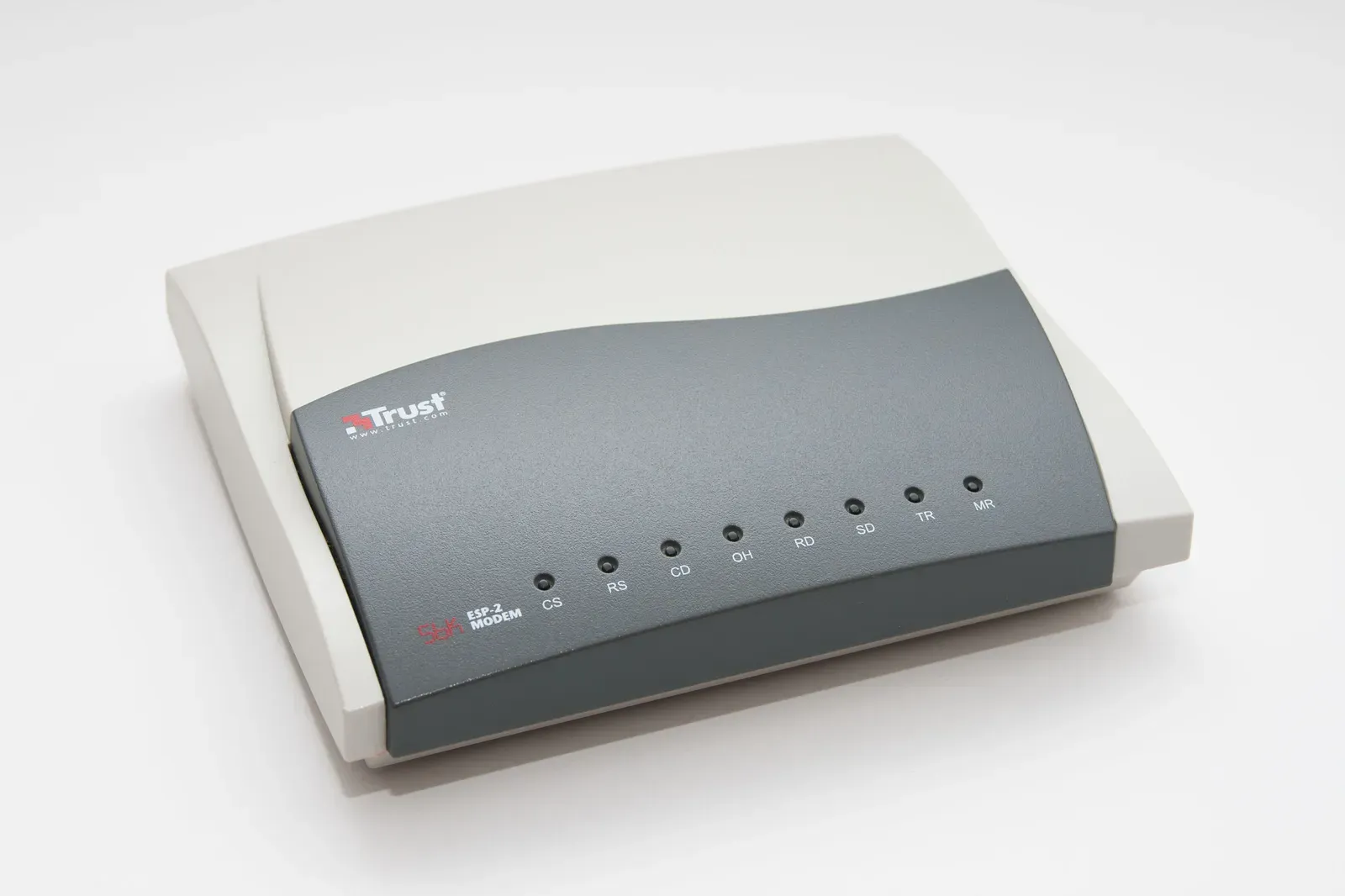
Finally, the wild finale: screeching bursts as modems negotiated speeds, probed the line with test tones, and scrambled data for sync. These handshaking protocols tested quality and settled on the best rate, often peaking at 56 kbps before broadband took over by 2007, when over half of U.S. homes went high-speed according to Pew retrospectives. Even into the 2010s, rural folks relied on it amid spotty infrastructure, per FCC reports. Today, with global averages over 100 Mbps in 2024 via Speedtest, those squeals live on in viral nostalgia clips since 2023.