

Imagine getting paid to pack your bags. Not just a small token amount, but real money, sometimes tens of thousands of dollars, handed over by a government that genuinely wants you to show up. It sounds like a fantasy conjured up on a slow news day, but it is absolutely real. The catch? It is rarely as simple as the headlines make it sound.
Across the world, dozens of countries and municipalities are quietly running programs to lure in new residents. Some offer cash, some offer housing grants, and some offer startup funding. What they all share is a deeper, urgent problem hiding beneath the excitement. So before you start researching moving trucks, let’s get into what is actually on the table, and what three countries will make you feel like you are trying to break into a vault.
Italy: Ghost Towns With Very Real Cash

According to Italy’s National Institute of Statistics (ISTAT), around 6,000 Italian villages with populations under 5,000 are at risk of disappearing entirely. That is not a typo. Italy is not quietly losing a few rural hamlets. It is watching entire communities slowly vanish. And the response has been, honestly, pretty bold.
Italy’s 2024 national budget law created a €30 million fund to distribute to municipalities with fewer than 5,000 inhabitants suffering from depopulation. The programs vary by region, but the money is real. The Molise region, for example, pays up to €27,000 spread over three years at roughly €700 to €900 per month for those relocating to villages with populations under 2,000.
The northern region of Trentino will pay residents or Italians living abroad to renovate abandoned houses in mountain areas, with a grant of €80,000 toward renovation and an additional €20,000 toward the property purchase. However, anyone who signs up must live there for 10 years or rent the property out for that duration, or risk having to repay the grant. Think of it less like a windfall and more like a long-term contract with the Italian countryside.
As of 2024, the average age of Italy’s population exceeds 47 years, and the birth rate sits at just 1.24 children per woman, according to ISTAT. That demographic pressure is the real engine behind all of this. Italy is not being generous. Italy is in a race against time.
Ireland: Atlantic Island Life With an €84,000 Renovation Grant

Here is a story that went genuinely viral for all the right reasons. Ireland launched its “Our Living Islands” initiative in June 2023, and the internet immediately lost its mind. Headlines screamed about Ireland paying people $90,000 to move to beautiful island homes. The truth is a little more nuanced, but still remarkably compelling.
Ireland’s 10-year Our Living Islands initiative was announced in June 2023 to halt population decline on its approximately 30 remote islands. The program offers up to about $88,000 in grant money to property owners to refurbish vacant and derelict homes and live in them or offer them as long-term rentals, though the government does not simply pay anyone to move to an island home. That distinction matters.
These islands have a combined population of just 2,734 as of the most recent count, and many are struggling with depopulation. Successful applicants can receive up to €60,000 for refurbishing a vacant property, or €84,000 for a derelict one. The money is tied to renovation work, not a lifestyle stipend. Still, €84,000 to restore an Atlantic island cottage is not nothing.
Since launching in June 2023, just 29 applications had been received by the department, of which 20 were approved. So while the global attention was massive, actual uptake has been modest, partly because once potential applicants read the small print, the reality appears quite different, with hoops around employment visas, planning restrictions, and the cost of transport to the mainland.
Spain: Rural Villages That Will Literally Hand You a Cheque

Spain has a very specific problem. They call it “España vaciada”, which translates loosely to “Empty Spain.” The depopulation of rural Spain is a long-standing issue, and while the rise of remote working has brought a bit of life back to some areas, thousands of villages remain sparsely populated or completely abandoned.
The regional government of Extremadura has earmarked €2 million to aid the relocation of 200 remote workers and digital nomads, offering up to €15,000 to move to this scenic region. Women, people under the age of 30, and anyone willing to relocate to a town with fewer than 5,000 residents are eligible to receive €10,000, while all other successful applicants receive €8,000. If digital nomads choose to stay for a third year, the government will add another €4,000 to €5,000 on top.
Villages in Galicia, Asturias, and Castilla-La Mancha also provide grants of up to €3,000 to remote workers and families willing to settle there, with some towns like Ponga offering families with children up to €3,500 per child to help populate local schools. Honestly, for a family with three kids and a laptop job, that math gets interesting fast.
Spain’s State Plan for Access to Housing, running until 2025, also includes direct aid of up to €10,800 for young people under 35 buying a home in a municipality with fewer than 10,000 inhabitants, provided the property does not exceed €120,000. Multiple programs, layered together, can add up to a genuinely attractive package.
Canada: A Pathway for Skilled Workers and Northern Communities

Canada is a different beast. It is not handing out envelopes of cash to anyone who fancies a new life in the wilderness. What it does offer is something arguably more valuable: a structured, legal pathway to permanent residency tied to real community need.
Canada offers both federal and regional initiatives that indirectly pay newcomers through grants, tax credits, or guaranteed income opportunities. The Rural and Northern Immigration Pilot helps local communities support newcomers with housing and employment, while the Startup Visa Program allows entrepreneurs to gain permanent residency and access to government-funded incubators and venture capital.
Several regions in Canada, particularly in Manitoba, Newfoundland, and New Brunswick, offer financial incentives to attract workers and young families. Programs like the Atlantic Immigration Pilot and the Rural and Northern Immigration Pilot provide relocation assistance, tax benefits, and cash incentives, with some towns offering housing subsidies and grants of up to CAD 20,000 for new residents.
It is hard to say for sure whether Canada’s incentives will expand further in 2026, but the trajectory since 2023 has been consistently toward opening more doors for skilled immigrants in underserved regions. For anyone serious about long-term relocation, Canada’s programs are arguably the most robust and stable on this list.
Chile: Startup Funding as a Relocation Incentive

Chile takes a completely different approach. Forget picturesque depopulated villages. Chile wants your entrepreneurial energy. The Start-Up Chile program targets entrepreneurs with scalable business ideas rather than focusing on geography alone. Think of it as a national incubator with a visa attached.
Chile’s Start-Up Chile program offers grants of up to $40,000 to entrepreneurs who relocate and launch a business, with participants also receiving mentorship, networking opportunities, and a one-year visa to develop their companies. That is real equity-free funding. No ownership stake taken in return. The government is essentially betting on your success.
The program has been running for over a decade and has built up a genuine startup ecosystem in Santiago. It is not for everyone, particularly if you are not building something scalable. To qualify, you typically need a business idea, a competitive application, and approval through the startup support program. It is competitive, and not everyone gets in. But for those who do, it is one of the most compelling relocation deals on the planet.
Singapore: The Country That Will Make You Feel Like You Are Applying to Harvard

Let’s be real. Singapore is extraordinary. Clean, safe, efficient, one of the highest standards of living anywhere on Earth. It is also one of the most difficult countries in the world to actually move to without either a very specific job offer or a very impressive bank account.
The minimum qualifying salary for Employment Pass and S Pass applicants was increased, and from September 2023 all Employment Pass applicants have been required to pass a new points-based Complementarity Assessment Framework called COMPASS. This system scores applicants across multiple criteria simultaneously, meaning a good salary alone is not enough anymore.
Between January and November 2025, 41,800 foreign travelers were rejected at Singapore’s borders, marking an increase from the previous year. From January 2026, Singapore’s Immigration and Checkpoints Authority is issuing No-Boarding Directive notices to airline operators, preventing undesirable or prohibited immigrants and those who do not meet entry requirements from boarding flights bound for Singapore. That is a level of border control that frankly puts the whole “hard to immigrate” conversation into stark relief.
The UAE: Golden Visas, No Grants
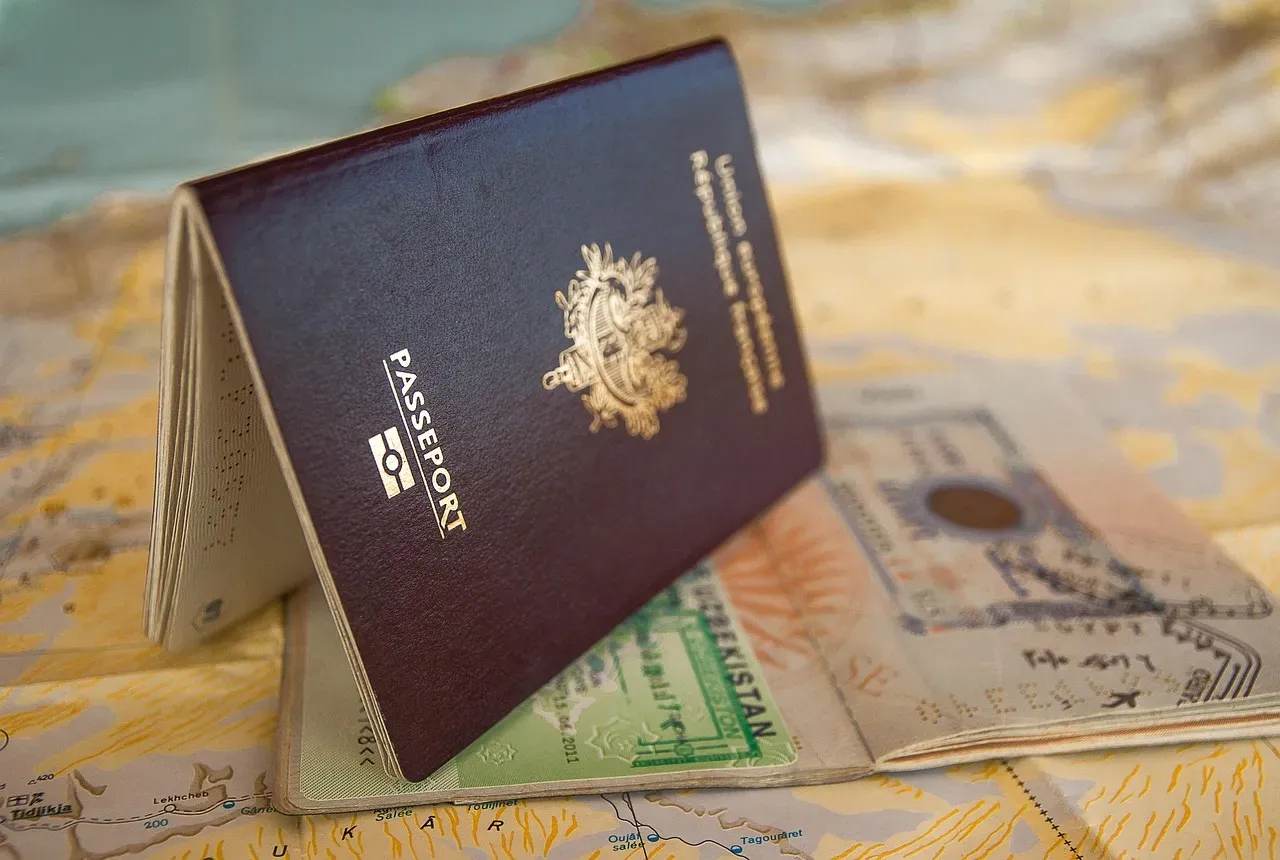
The UAE is glamorous, fast-moving, and surprisingly welcoming to high earners. It has expanded the Golden Visa system significantly in recent years, offering long-term residency to investors, skilled professionals, and, since 2025, even content creators. In 2025 alone, the UAE added new categories under Golden Visa and visit visa schemes, reshaping how tourists, professionals, and residents navigate entry and residency regulations.
Here is the thing, though. None of this is free. The UAE does not offer relocation grants, cash incentives, or direct financial support to attract new residents. What it offers is access. Access to a low-tax environment, a business-friendly legal system, and a lifestyle that many find worth the effort.
To get long-term residency in the UAE, you typically need a job offer with a qualifying salary, proof of significant investment, or a demonstrated high-value skill set. Any attempt to work illegally in the UAE is considered a crime and can result in imprisonment or deportation. The country is welcoming, but strictly on its own terms. There is no shortcut.
Switzerland: Beautiful, Generous in One Village, and Practically Impossible to Crack
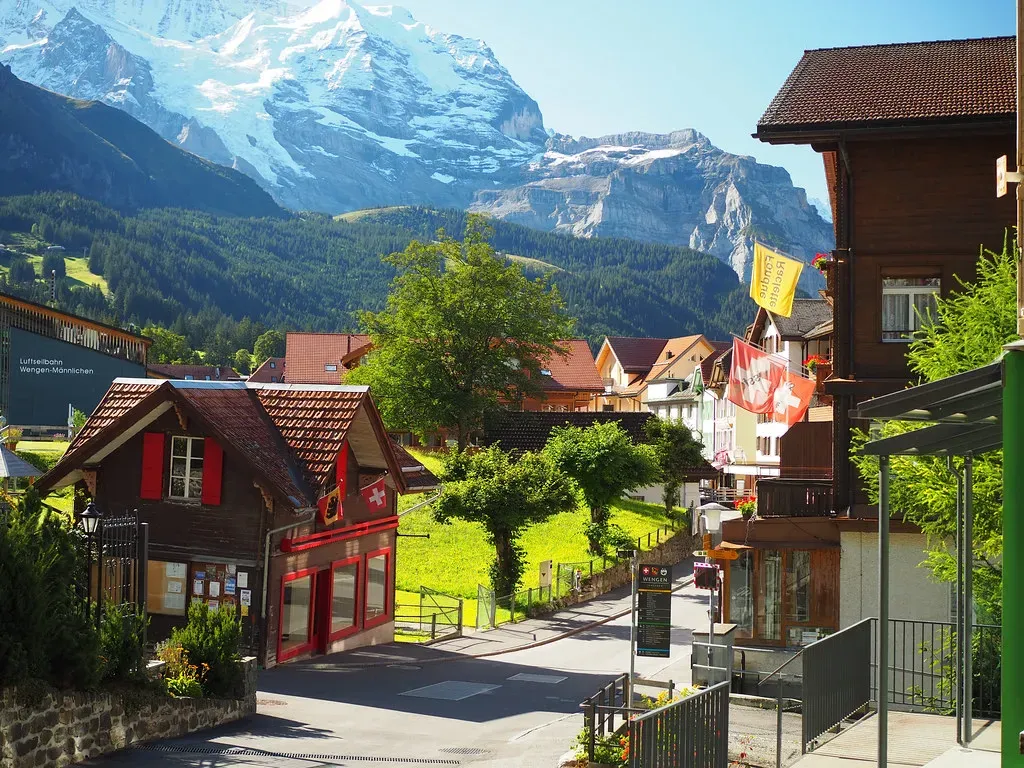
Switzerland is the paradox of this entire list. There is one tiny village called Albinen that became globally famous for offering CHF 25,000 per adult to relocate there. The story spread everywhere. The reality? Albinen’s incentive comes with strict conditions. You generally need to buy or build a home, meet residency rules, and stay long term, or risk having to repay the subsidy.
Getting into Switzerland in the first place is the real challenge. Switzerland is not an EU member and operates its own immigration rules with a limited quota system for non-EU nationals. Work permits are tied to employer sponsorship, and permanent residency takes years of documented local residence to achieve. Think of Albinen’s offer as the cherry on top of a very tall, very hard-to-climb cake.
It is worth admiring the concept: a single Swiss village using its own funds to prevent extinction. But in practical terms, Switzerland as a destination remains one of the most economically and bureaucratically demanding places to relocate in the developed world. Gorgeous, yes. Free, absolutely not.
Conclusion: The Real Opportunity Hiding in Plain Sight
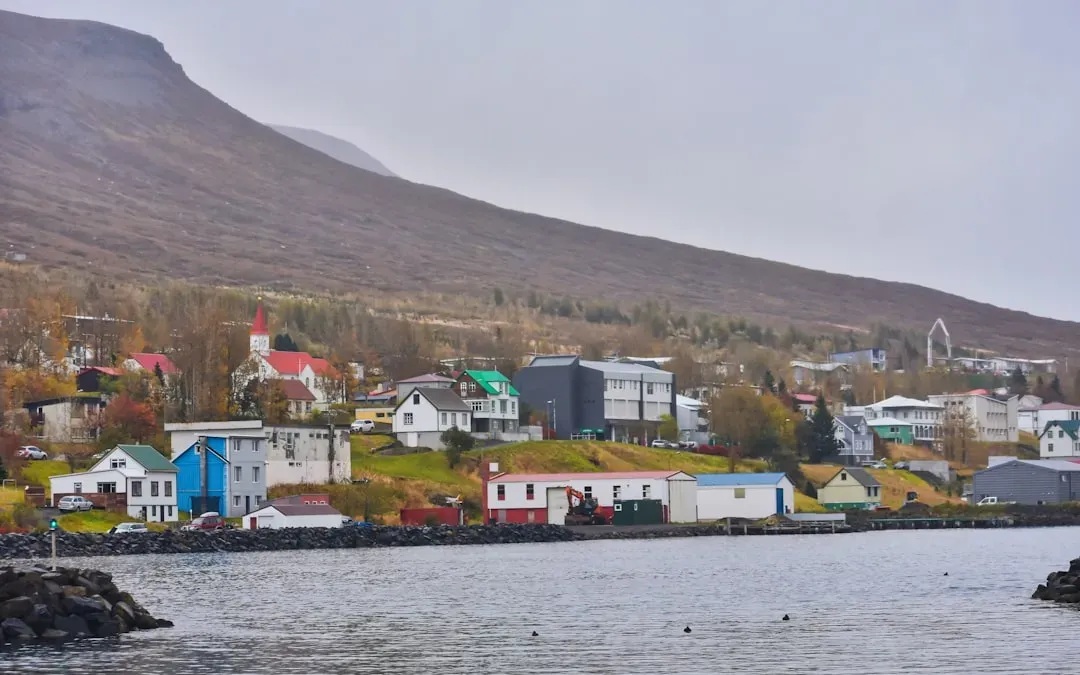
The world is not running out of countries willing to pay you to show up. It is running out of rural populations, young families, and skilled workers in exactly the places that need them most. Rather than letting schools, businesses, and infrastructure slowly disappear, local governments are offering financial incentives to encourage people to settle down. Remote work has accelerated this trend, with smaller communities using cash, housing subsidies, and tax perks to compete for talent.
The six countries on the “yes” side of this list are not handing out free money. They are making strategic investments in their own futures, and they want you to be part of that future. The three on the “no” list are not being cruel. They are simply playing a very different, more selective game.
The gap between a headline that reads “country pays you to move there” and the actual program terms can be enormous. Reading the fine print matters more than reading the news story. Still, for anyone genuinely open to uprooting their life, the opportunities right now in 2026 are more varied and real than at any point in recent memory. Which one is calling your name?
What do you think? Would you pack up your life for a government grant? Drop your answer in the comments.