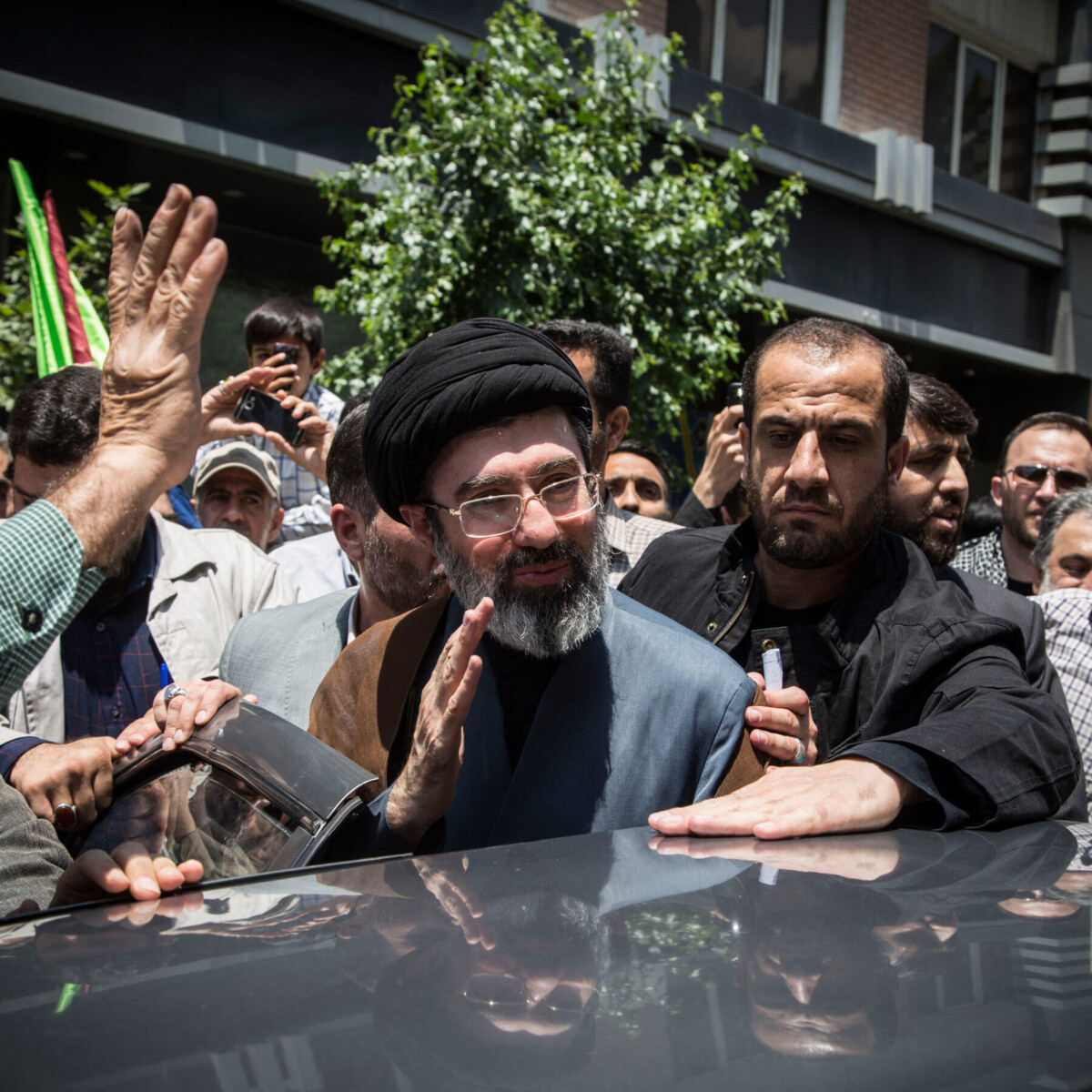
A Cleric Shaped by Secrecy (Image Credits: Static01.nyt.com)
Tehran – Iran’s Assembly of Experts appointed Mojtaba Khamenei as the Islamic Republic’s third supreme leader just days after the assassination of his father, Ayatollah Ali Khamenei, in U.S.-Israeli strikes.[1][2]
A Cleric Shaped by Secrecy
Mojtaba Hosseini Khamenei entered the world on September 8, 1969, in Mashhad, a key religious hub in northeastern Iran.[2][3] He pursued clerical studies and rose as a mid-ranking Shia cleric, yet avoided the spotlight that defined many in his family. Observers long described him as a shadowy operator within the regime’s power structures. Public sightings remained rare, and he held no formal government posts.[4]
His influence grew quietly through ties to security apparatus and clerical networks. Reports highlighted his role in vetting election candidates and shaping hardline policies behind closed doors. This low profile fueled perceptions of him as the regime’s most elusive figure. At 56, he stepped forward only when crisis demanded.[5]
The Assassination That Changed Everything
Ayatollah Ali Khamenei met his end on February 28, 2026, during a barrage of U.S. and Israeli airstrikes on Iranian targets.[6][7] State media confirmed the supreme leader’s death, marking a seismic shift for the Islamic Republic. Mourners filled Tehran’s streets as the nation grappled with the loss of its autocratic guide. The strikes escalated a broader conflict, testing Iran’s resolve.
The timing amplified speculation about succession. Expedited meetings of the Assembly of Experts followed swiftly. On March 8, they formalized Mojtaba’s elevation, bypassing traditional protocols in the face of war.[2] This rapid transition underscored the urgency gripping the leadership.
Backed by Power Brokers
The Islamic Revolutionary Guard Corps quickly pledged loyalty to the new leader, a critical endorsement.[8] Long viewed as a potential heir, Mojtaba benefited from his father’s inner circle and security connections. Analysts noted his involvement in suppressing 2009 protests and guiding Basij forces. State media portrayed the choice as seamless continuity.
- Decades of behind-the-scenes maneuvering in clerical and military spheres.
- Strong support from IRGC commanders amid ongoing hostilities.
- No prior high office, yet deep regime loyalty.
- Rumored influence over election oversight bodies.
- Family legacy as son of the second supreme leader.
Signals of Defiance and Stability
Mojtaba’s ascension carries clear messages to adversaries. Pundits interpret it as Tehran’s rejection of external pressure from Israel and the United States. The regime emphasizes unbroken ideological resolve during turmoil. Expectations center on intensified proxy conflicts and nuclear posturing.
Critics abroad express alarm over hereditary rule in a theocracy. Domestically, hardliners celebrate the pick as a bulwark against reformists. Iran faces economic strains and military threats, yet projects unity under the new rahbar. His tenure begins in unprecedented wartime conditions.[9]
Key Takeaways:
- Mojtaba Khamenei, 56, transitions from obscurity to supreme authority following his father’s killing.
- IRGC backing ensures immediate stability but raises dynasty concerns.
- Leadership signals hardened stance against U.S. and Israeli actions.
Iran’s path forward hinges on this enigmatic cleric’s ability to rally factions and counter foes. Continuity tempers chaos, but risks deepen divides. What implications do you see for regional stability? Share your thoughts in the comments.