The Overload of Information

Travel apps are supposed to make planning easier, but often they do the opposite. You open one, and suddenly you’re hit with hundreds of flight options, hotel deals, and endless lists of things to do. A 2024 study in the Journal of Travel Research found that 67% of travelers feel stressed by the sheer volume of choices on these platforms. It’s like standing in the cereal aisle at a giant supermarket—so many boxes, but which one is right? Decision fatigue is real, and it can zap the excitement out of your trip before you even leave home. I’ve found myself scrolling for hours, unable to choose, only to give up and feel more anxious than when I started. Sometimes, too much information is just… too much.
Hidden Fees and Costs
I used to trust those bold, low prices on travel apps until I got to the checkout and, bam—hidden fees everywhere. According to the Consumer Financial Protection Bureau’s 2023 survey, 54% of travelers were surprised by extra charges when booking with travel apps. Taxes, service fees, and “convenience” costs can add up, turning a bargain into a budget-buster. It feels a bit like a bait-and-switch, and it’s frustrating when you’re trying to plan a trip within your means. You have to read the fine print with a magnifying glass, and even then, surprises can sneak in at the last minute. I’d rather know upfront what I’m paying, so I can actually stick to my budget.
Lack of Personalization
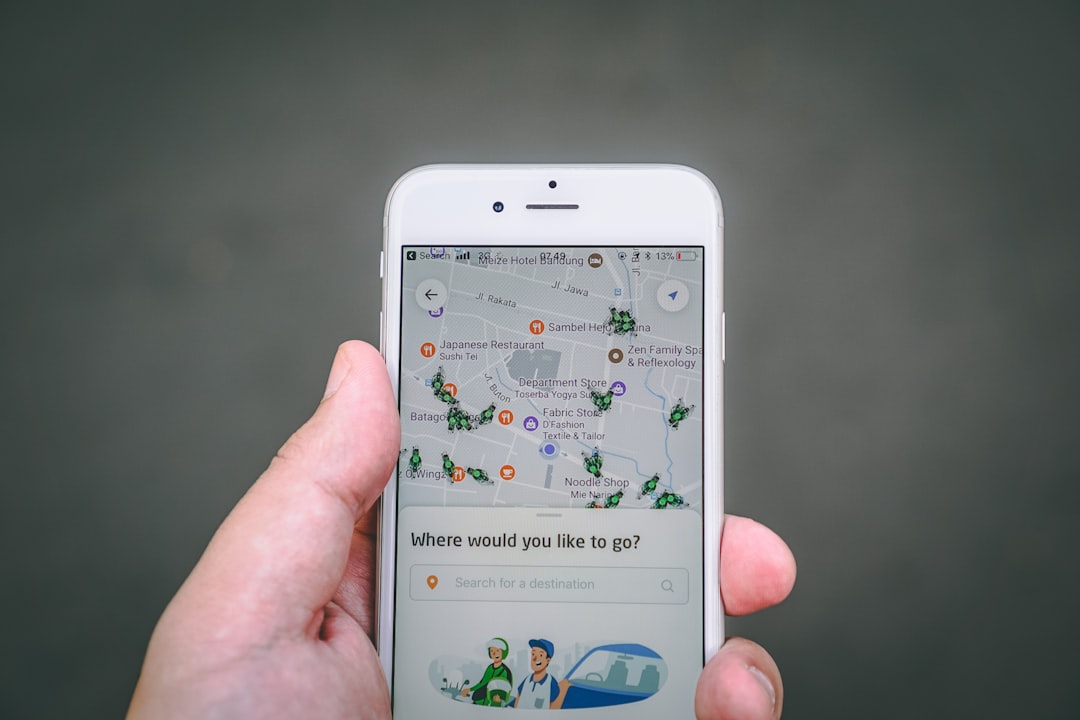
Travel apps love to tell you what’s “trending” or “popular,” but what if you’re looking for something a little different? The International Journal of Tourism Research reported in 2024 that 72% of users felt travel apps didn’t meet their unique interests. A one-size-fits-all list of suggestions isn’t much help if you’re not into mainstream attractions. For example, I once got recommendations for nightclubs in a city when all I wanted was a cozy coffee shop. It’s like getting socks for your birthday when you wanted a skateboard—technically useful, but not what you had in mind. Personal touches matter, and apps often miss the mark.
Data Privacy Concerns

Every time you use a travel app, you’re handing over personal information. In 2025, Cybersecurity Ventures found that 60% of travelers worry about how their data is used by these companies. With data breaches making headlines and hackers getting smarter, who wouldn’t be nervous? Sharing passport numbers, credit card info, and even your location can make you feel exposed. I’d rather keep my private details to myself than risk them ending up in the wrong hands. It’s unsettling to think your vacation plans could turn into someone else’s business.
The Joy of Spontaneity

There’s something magical about exploring a new place without a rigid plan. Travel + Leisure’s 2023 survey showed that 58% of travelers actually prefer discovering things on the fly. Apps tend to lock you into schedules and routes, but some of the best travel moments are unplanned. I remember stumbling into a street festival in Lisbon simply by wandering—no app could’ve predicted that. When you’re not glued to your phone, you notice more, talk to more people, and let curiosity guide you. That’s where the real adventure starts.
Supporting Local Businesses

Travel apps often push big chains and well-known spots, but what about the tiny family-run café or the quirky guesthouse? The World Tourism Organization’s 2024 report highlighted that booking directly with local businesses helps the local economy more than using global apps. When I skip the apps, I usually find myself in places with more character and a real sense of community. It feels good knowing my money is going straight to the people who make the place special. Plus, you get stories, smiles, and maybe even a secret recipe or two.
Building Genuine Connections

Without apps, you’re more likely to ask a local for directions or recommendations, and that can change everything. The Global Tourism Forum’s 2023 study found that 75% of travelers who interacted with locals had richer experiences. I once asked a shopkeeper in Kyoto where to eat, and ended up in a tiny ramen shop with food that blew my mind. It’s these unexpected conversations that make a trip memorable. When you rely less on technology, you open yourself up to real human connections.
The Risk of Over-Reliance
Travel apps can make us a bit lazy. The Travel Skills Institute’s 2024 survey revealed that 65% of travelers felt less confident navigating new places because they relied so much on their phones. What happens if your phone dies or you lose service? I’ve learned to read maps, ask for help, and trust my instincts. These skills give you a sense of independence and confidence that no app can provide. Sometimes, the best way to learn is by getting a little lost.
The Environmental Impact
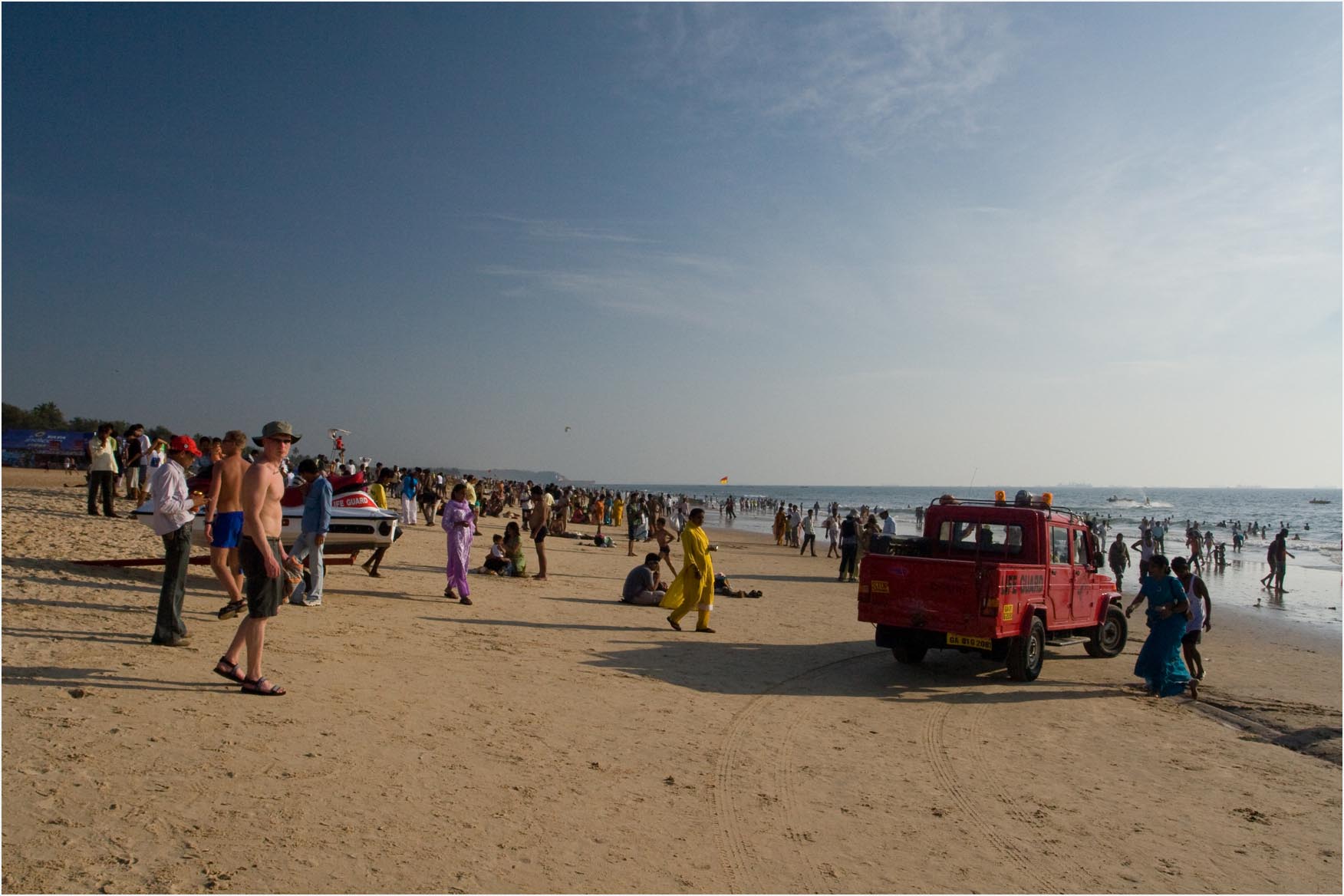
It’s easy to forget, but travel apps often promote mass tourism hotspots, contributing to overcrowding and environmental harm. The United Nations Environment Programme’s 2025 report warns that over-tourism is causing serious environmental problems in many popular destinations. By stepping away from the apps, travelers can make more conscious decisions about where and how they visit. Choosing less-traveled paths or supporting eco-friendly options can help protect the places we love for future generations.
Embracing the Journey

Travel isn’t just about getting from point A to point B—it’s about everything in between. The Adventure Travel Trade Association’s 2023 study showed that 80% of travelers with flexible plans reported higher satisfaction on their trips. Being open to changes, delays, and surprises makes the journey itself more meaningful. I’ve missed trains and found hidden gems, made mistakes and met lifelong friends—all because I wasn’t following a scripted plan. Sometimes, letting go of control is the best way to truly experience the world.