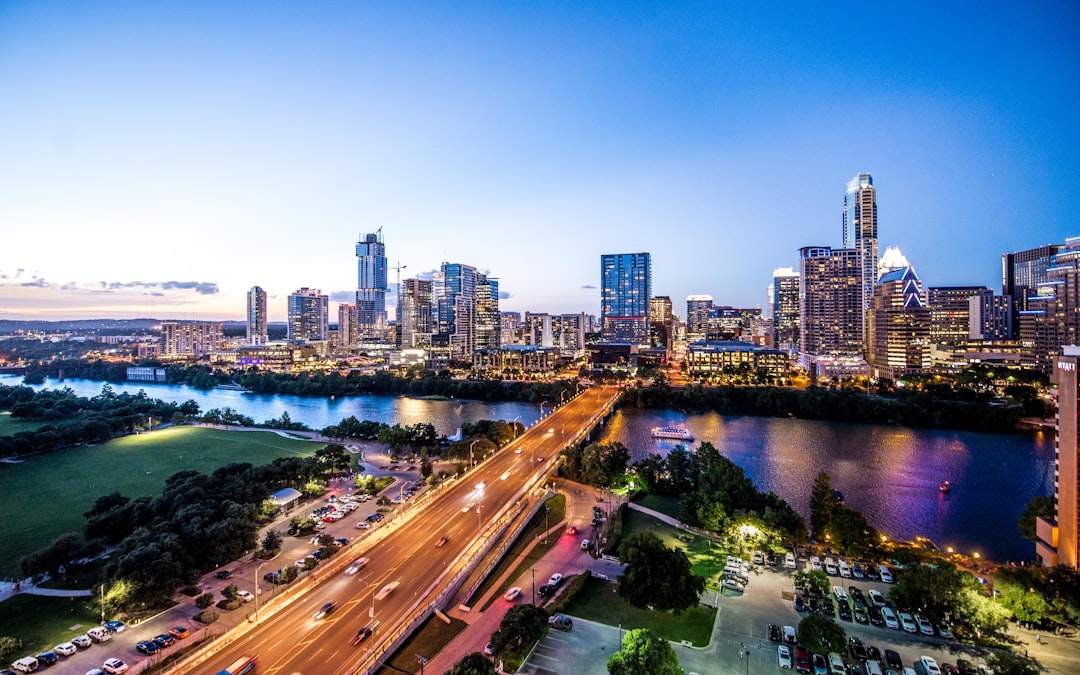

In recent years, a city in the United States has emerged as a beacon of growth, capturing the attention of economists, urban planners, and residents alike. This city is none other than Austin, Texas. This article delves into the factors contributing to Austin’s rapid expansion, exploring the science behind its boom and the implications for its future.
The City in Focus: Austin, Texas
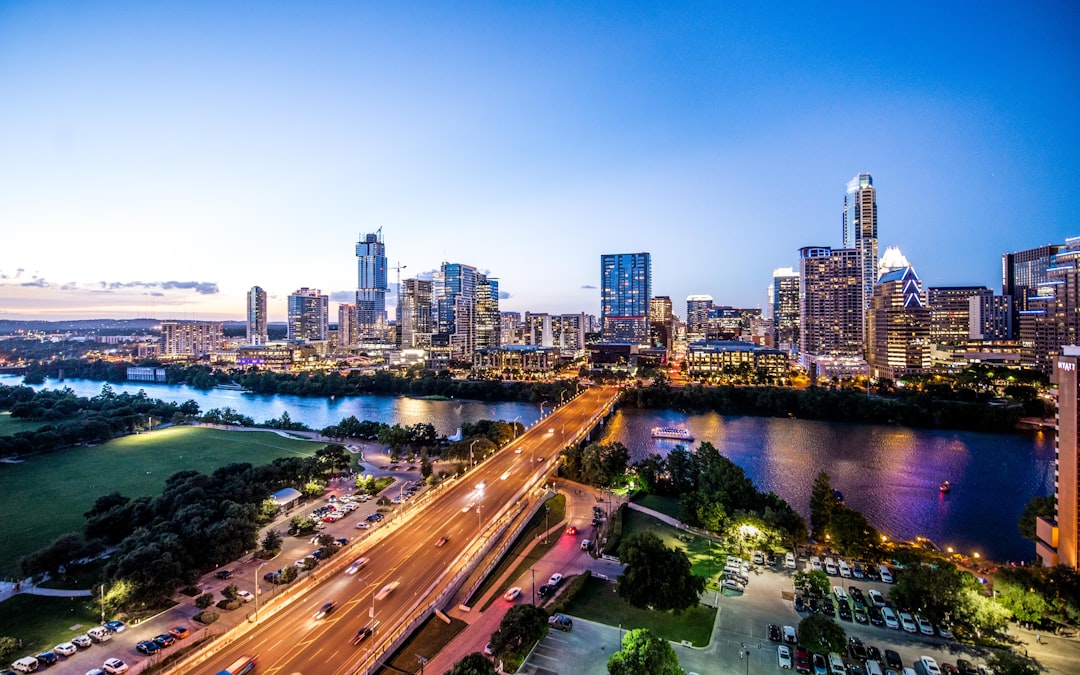
Austin, Texas, has firmly established itself as America’s fastest-growing city, experiencing a remarkable population surge of over 20% in the last decade. As of 2023, the city proudly hosts approximately 1 million residents. This phenomenal growth can be attributed to a multitude of factors, notably a thriving tech industry, a vibrant cultural scene, and an influx of young professionals seeking new opportunities. Austin’s allure is undeniable, drawing people with its promise of innovation and a high quality of life.
Economic Drivers of Growth
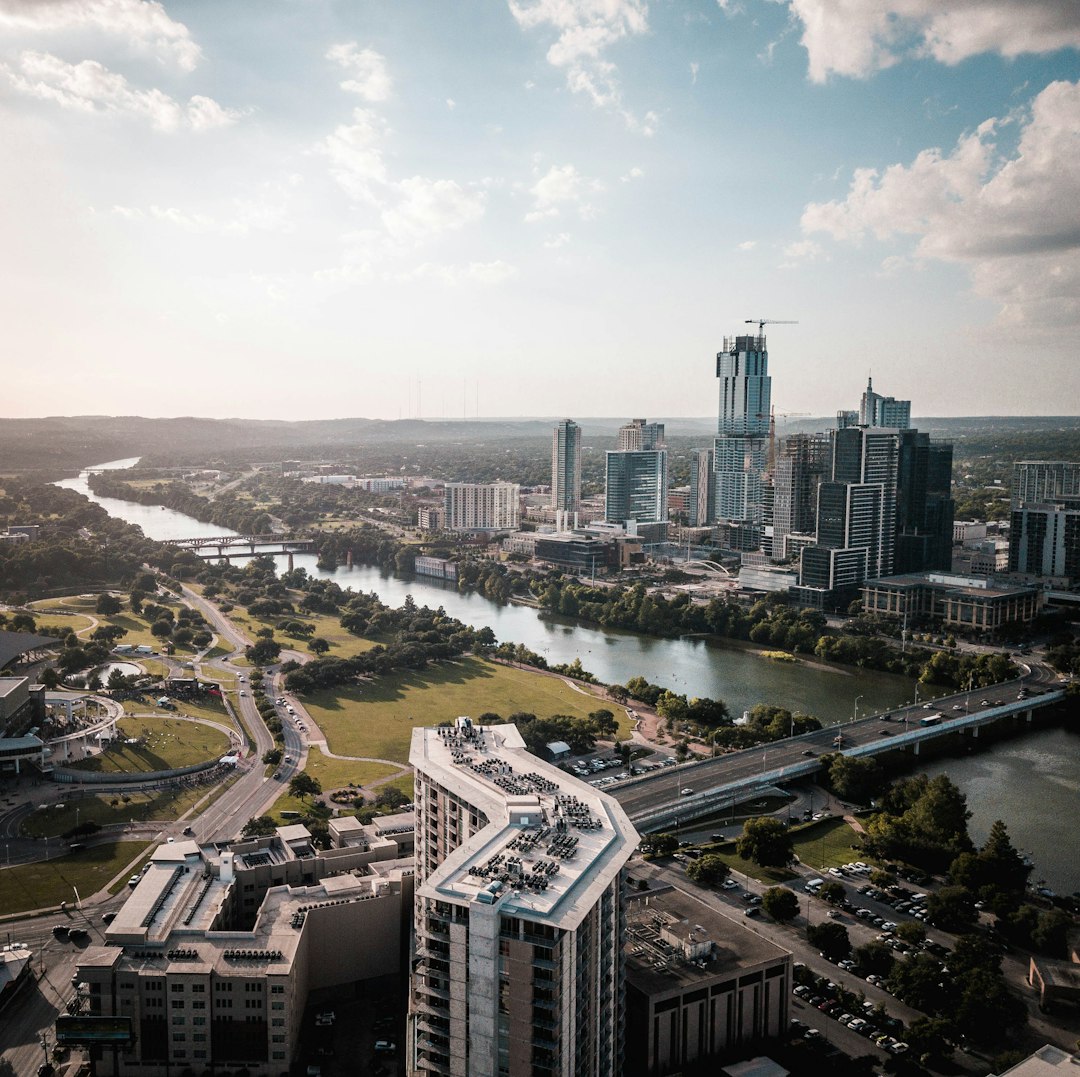
A primary engine behind Austin’s rapid growth is its robust economy. The city has blossomed into a hub for technology companies, attracting industry giants like Apple, Google, and Tesla. The presence of these corporations has not only created thousands of jobs but has also stimulated local businesses. With an unemployment rate at a low 3.2% in 2022, significantly below the national average, Austin stands as a testament to economic vitality. The city’s economic landscape is a magnet for both established professionals and budding entrepreneurs.
Quality of Life and Cultural Appeal
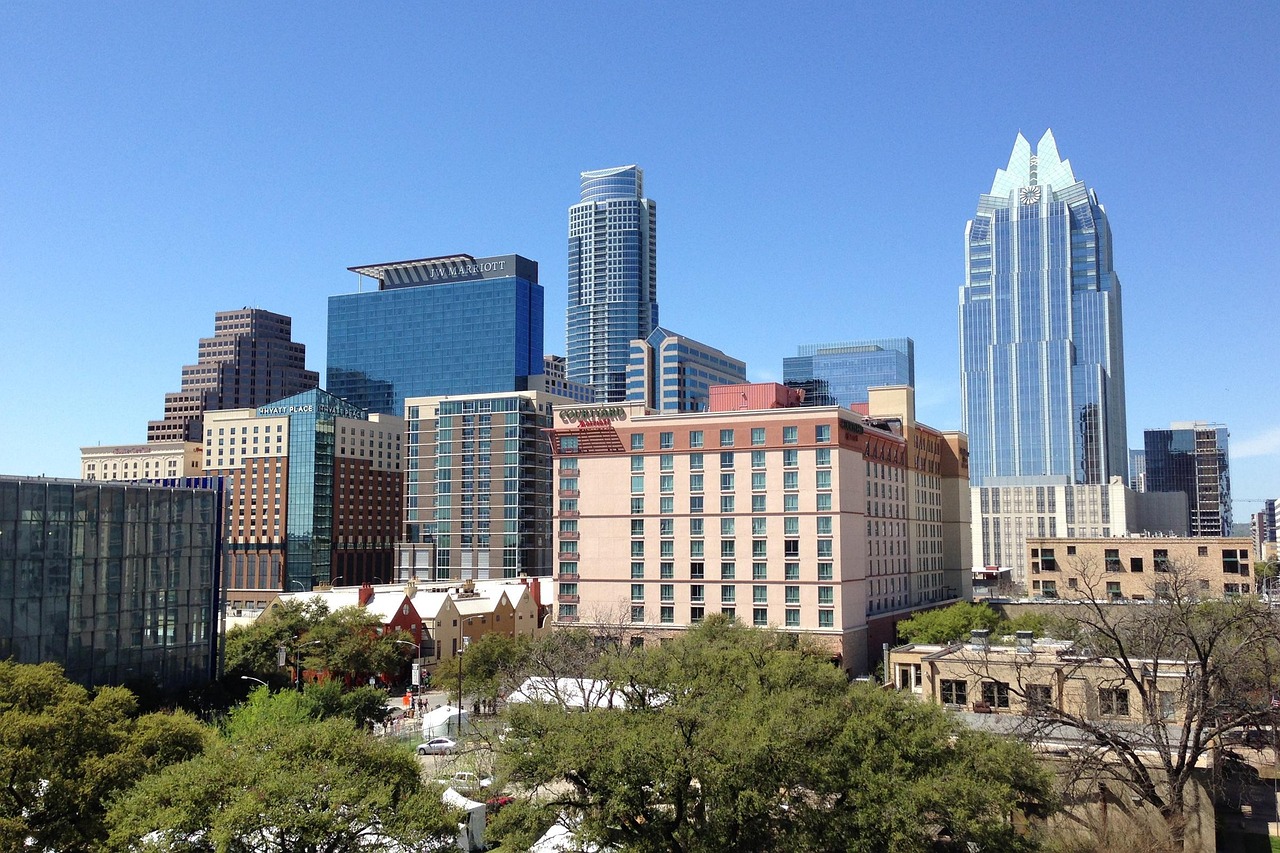
Austin is celebrated for its exceptional quality of life, which plays a pivotal role in attracting new residents. The city’s unique blend of outdoor activities, live music, and a diverse culinary scene is a major draw. With over 300 days of sunshine annually, residents enjoy a plethora of recreational opportunities, from hiking in the nearby Hill Country to attending world-renowned music festivals like South by Southwest (SXSW) and Austin City Limits. It’s a city that offers an enticing lifestyle, balancing work and leisure seamlessly.
The Role of Education and Research Institutions
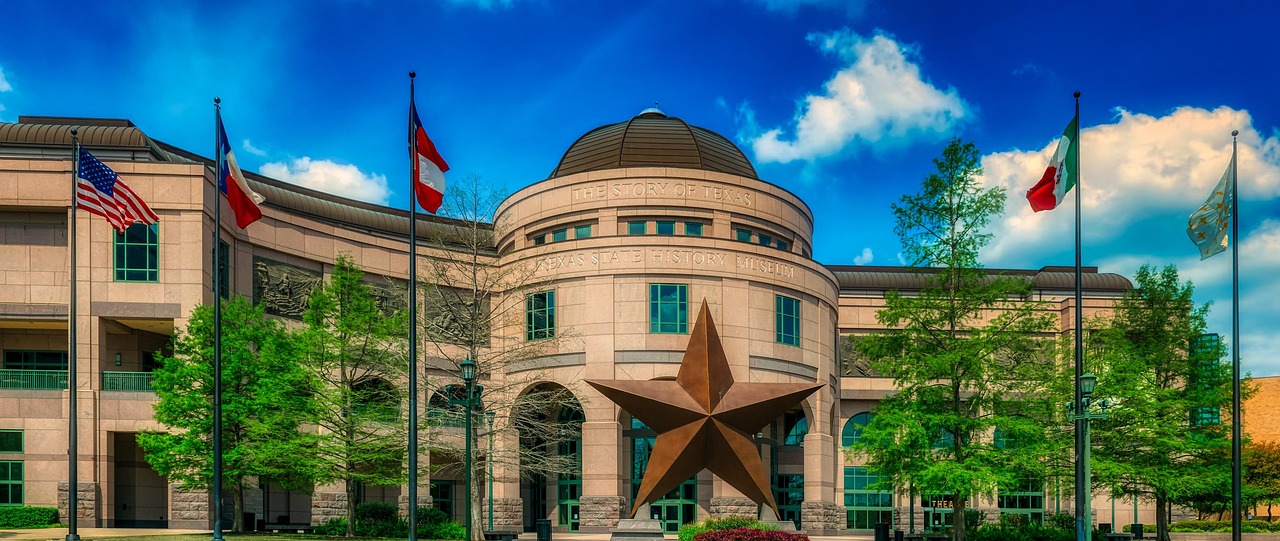
Austin is home to several prestigious universities, including the University of Texas at Austin, which contributes to the city’s educated workforce. The presence of these institutions fosters innovation and research, further enhancing the city’s appeal to businesses and entrepreneurs. In 2023, the university reported over 50,000 enrolled students, many of whom choose to remain in the city after graduation. The educational ecosystem in Austin is a cornerstone of its growth, nurturing talent and driving economic prosperity.
Infrastructure Development
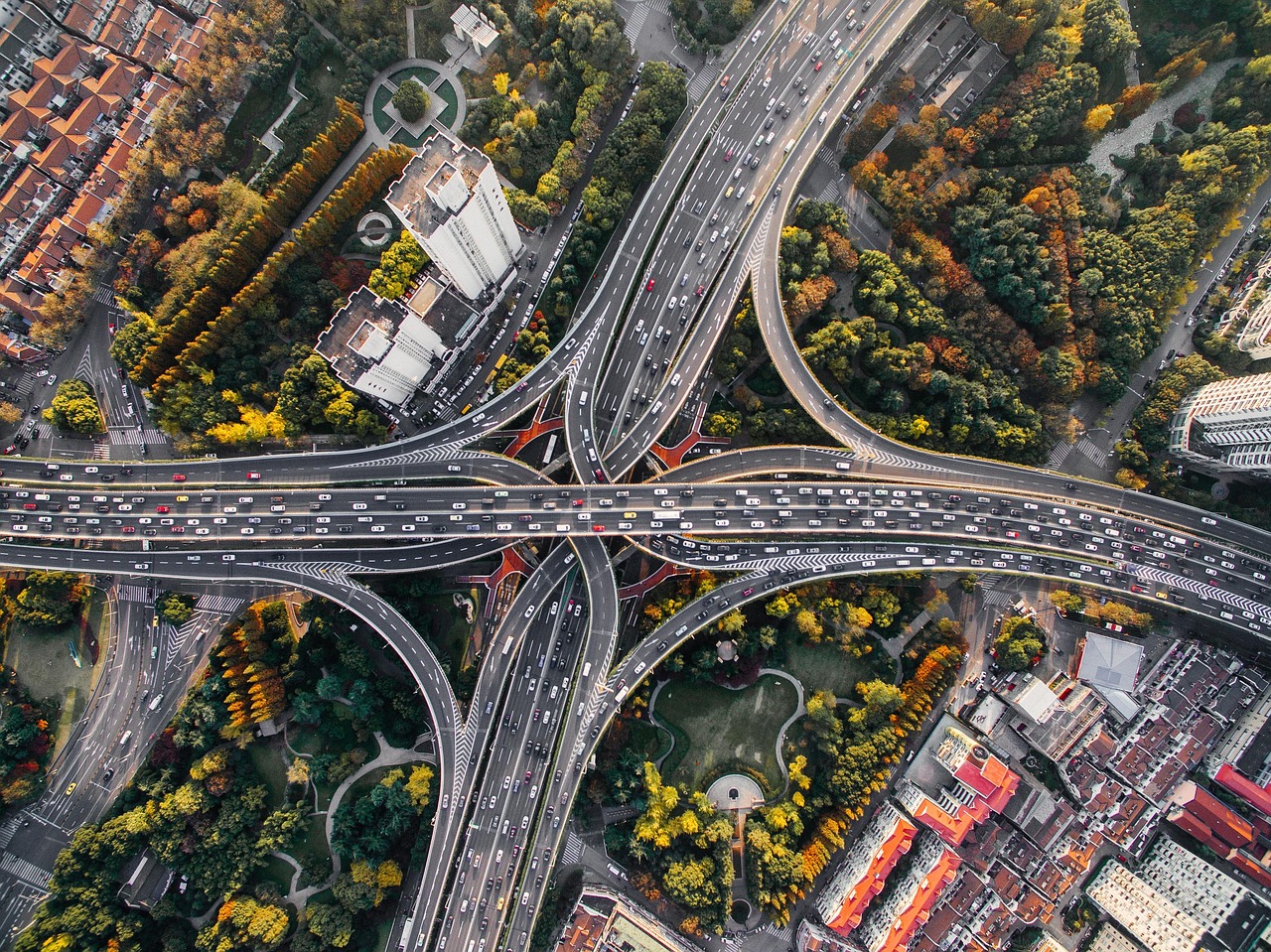
To accommodate its burgeoning population, Austin has significantly invested in infrastructure development. Recent projects include the expansion of public transportation systems, road improvements, and the construction of new housing developments. These initiatives aim to enhance connectivity and ensure that the city can support its growing populace. With a focus on efficient mobility and sustainable urban planning, Austin is laying the groundwork for a future that matches its ambitious growth.
Challenges of Rapid Growth
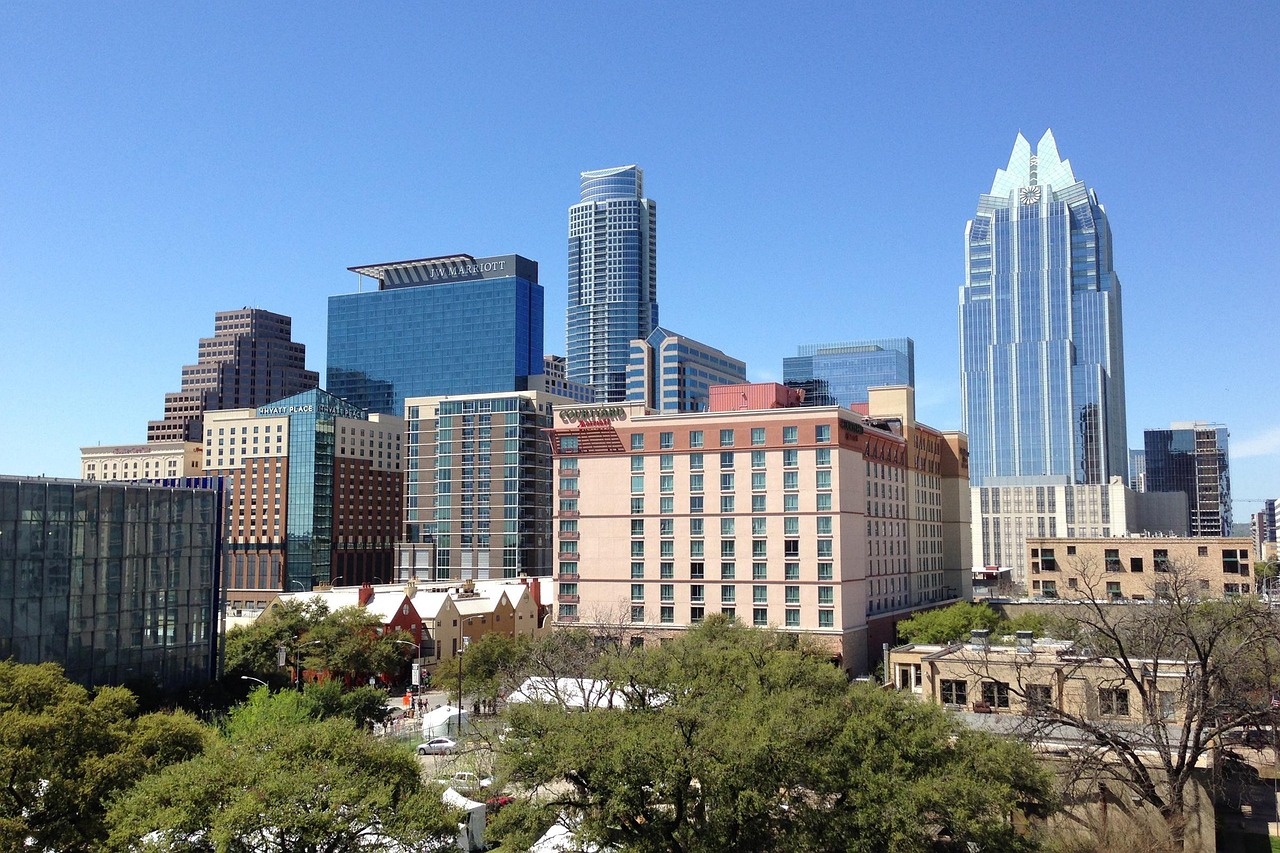
Despite its many advantages, Austin faces several challenges due to its rapid growth. Housing affordability has become a pressing issue, with home prices skyrocketing in recent years. The median home price in Austin reached $500,000 in 2023, making it increasingly difficult for low- and middle-income families to find affordable housing. Additionally, traffic congestion and environmental concerns are issues that the city must tackle as it continues to expand.
The Future of Austin

Looking ahead, Austin’s growth trajectory shows no signs of slowing down. City planners and policymakers are working diligently to address the challenges posed by rapid expansion while capitalizing on the opportunities it presents. Sustainable development practices, affordable housing initiatives, and improved public transportation are all integral to the city’s long-term strategy. Austin’s commitment to sustainable growth and community well-being will play a pivotal role in shaping its future.
Austin, Texas, stands as a testament to the dynamic nature of urban growth in America. Its unique blend of economic opportunity, cultural richness, and educational resources has positioned it as a leader among U.S. cities. While challenges remain, the city’s commitment to sustainable growth and community well-being will shape its future. As Austin continues to evolve, it will undoubtedly serve as a model for other cities experiencing similar growth patterns.