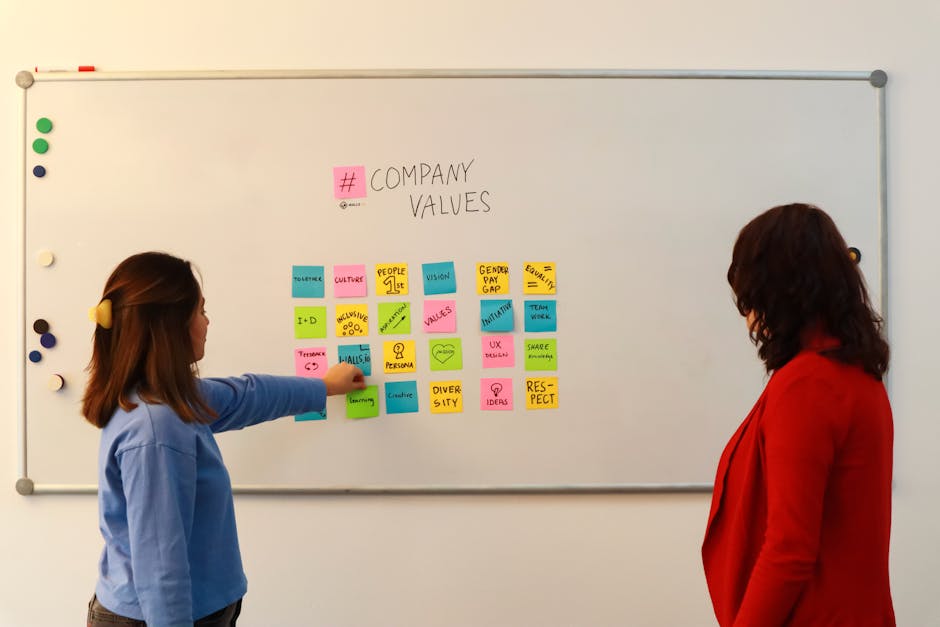
The Illusion of Charismatic Command (Image Credits: Pexels)
Many executives prioritize presence over impact, overlooking the fundamental driver of organizational success.
The Illusion of Charismatic Command
Charisma draws followers and fills conference rooms, yet it often masks a lack of substantive progress. Leaders who lean on personal magnetism secure applause but struggle to deliver lasting gains. Organizations suffer when such figures prioritize image over outcomes. The shift from inspiration to execution reveals the fragility of charm alone. True authority emerges from consistent results. Teams respect those who advance shared goals through tangible contributions. Visibility fades without it. Control, too, proves fleeting when initiatives stall.
Defining Measurable Value in Practice
Value creation stands as the true benchmark of leadership effectiveness. It involves streamlining processes, boosting efficiency, and fostering growth that benefits the entire enterprise. Leaders quantify success through metrics like revenue growth, cost reductions, and employee productivity. Empty rhetoric cannot substitute for these indicators. Consider how top performers align efforts with organizational priorities. They eliminate redundancies and empower teams to innovate. This approach builds resilience against market shifts. Over time, such leaders cultivate cultures where every decision contributes to the bottom line.
Spotting and Eliminating Organizational Drag
Drag manifests in decisions that consume resources without yielding returns. Meetings that meander, projects that overrun budgets, and hierarchies that stifle initiative all exemplify this pitfall. Leaders must audit their impact rigorously to avoid becoming part of the problem. Persistent drag erodes morale and competitive edge.
Key indicators include stagnant performance metrics and rising frustration among staff. Proactive leaders intervene by reallocating resources and refining strategies. They encourage accountability at every level. Regular assessments prevent minor issues from compounding into major setbacks.
- Prolonged decision-making cycles that delay opportunities.
- Overemphasis on short-term wins at the expense of sustainability.
- Resistance to feedback, leading to repeated errors.
- Bureaucratic layers that slow innovation.
- Misaligned incentives that prioritize individual gain over collective progress.
Building a Value-Driven Leadership Framework
Effective leaders adopt frameworks centered on outcomes. They set clear, achievable targets and track progress transparently. Collaboration replaces command, drawing on diverse expertise to maximize results. This method sustains momentum even amid challenges. Training and development play crucial roles. Leaders invest in skills that directly enhance value delivery. They model behaviors that prioritize efficiency and adaptability. Over time, these habits permeate the organization, creating a ripple effect of productivity.
| Approach | Focus | Outcome |
|---|---|---|
| Charisma-Led | Visibility and Control | Short-Term Hype |
| Value-Led | Measurable Results | Sustained Growth |
- Prioritize metrics over applause to gauge true leadership.
- Audit regularly for drag and redirect efforts promptly.
- Empower teams through clear goals and accountability.
Leadership demands relentless focus on value creation to propel organizations forward. Excelling in this arena separates enduring influencers from fleeting figures. What steps will you take to ensure your efforts add momentum rather than resistance? Share your thoughts in the comments.