The Allure of Travel Hacking

There’s something intoxicating about the idea of traveling the world for next to nothing. Points, miles, and credit card sign-up bonuses can make it seem like free trips are just waiting around every corner. In 2024, nearly 30% of frequent travelers jumped into some form of travel hacking, hoping to unlock adventure without breaking the bank. The social media feeds are full of stories about scoring business class seats for the price of a sandwich, or luxury hotel stays for next to nothing. But behind those glossy Instagram posts, the reality can be far less glamorous. The constant juggling of cards, promotions, and rewards can turn a passion for travel into a complicated game of spreadsheets and rules. What starts as a clever way to save money can quickly morph into a stressful, time-consuming obsession.
The Hidden Costs of Travel Hacking

It’s easy to forget that travel hacking isn’t truly free. Those premium credit cards that promise big rewards often come with annual fees that can top $500, and even the more basic cards usually charge at least $95 a year. If you’re not paying off your card every month, interest charges can eat up any savings you hoped to gain from points. In 2025, a study revealed that 40% of those dabbling in travel hacking actually spent more on fees and interest than they saved. The reality is, unless you’re extremely organized and disciplined, the financial pitfalls can outweigh the perks. And once a year passes and those renewal fees roll around, people often realize their “free” trips cost a lot more than expected.
The Time Investment

Travel hacking demands time—lots of it. Managing multiple credit cards and keeping up with the ever-changing rules of reward programs isn’t just a hobby; it’s practically a side job. According to a 2024 survey, 65% of travel hackers reported spending at least five hours each month tracking points, monitoring deadlines, and researching the latest deals. For many, that’s more time than they spend actually planning trips or exploring new places. The effort required can quickly sap the joy out of travel, turning what should be an exciting adventure into a relentless chase for the next big score. It’s easy to miss the forest for the trees and forget why you wanted to travel in the first place.
The Changing Landscape of Loyalty Programs
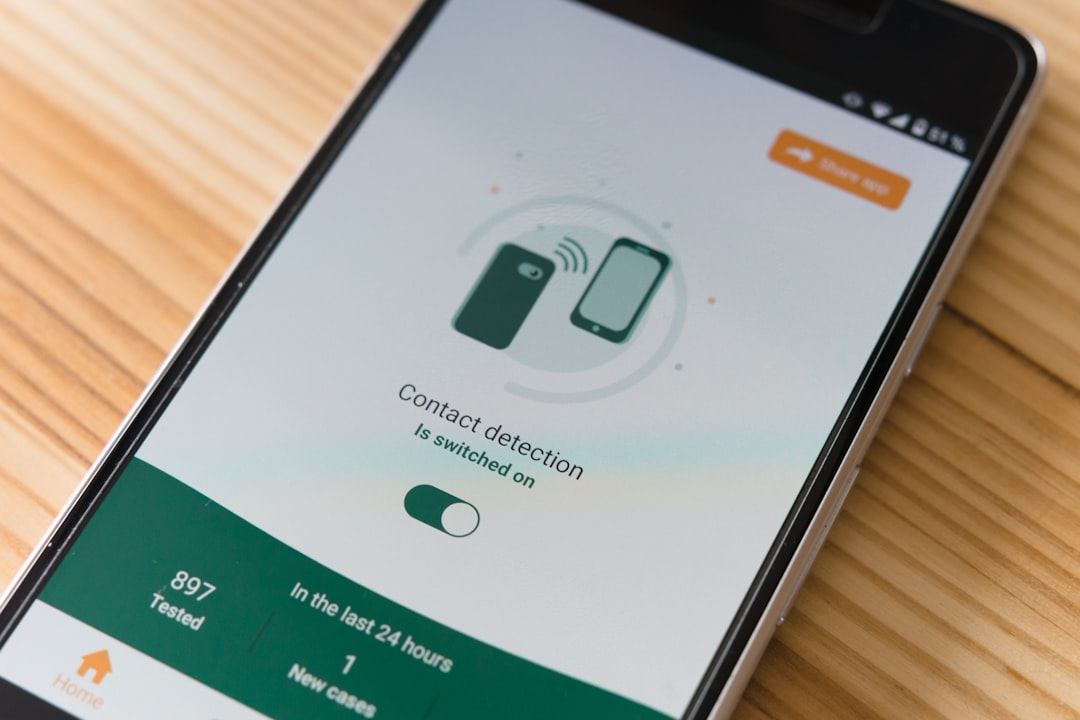
Just when you think you’ve mastered the rules, the game changes. In 2025, major airlines like Delta and United made sweeping changes to their loyalty programs, slashing the value of points and making it much harder to redeem rewards. This trend isn’t new, but the pace of change has accelerated, leaving even seasoned travel hackers frustrated. Airlines and hotels frequently shift the goalposts, introducing blackout dates, higher redemption thresholds, and new restrictions. Keeping up with these shifts can feel like a never-ending battle, and the rewards you worked so hard to earn can suddenly feel a lot less valuable. Loyalty programs are becoming less about rewarding loyalty and more about protecting corporate profits.
The Rise of Alternative Travel Options
As travel hacking grows more complicated, many travelers are choosing different paths. Budget airlines are booming, with a 25% jump in bookings in 2024 as travelers opt for simple, straightforward fares. Instead of chasing points, people are finding deals directly from the airlines or turning to alternative accommodations like Airbnb and hostels. These options offer transparency and predictability—no hidden fees, no blackout dates, just a clear price upfront. For those tired of the travel hacking rat race, these alternatives provide a refreshing dose of simplicity. It’s a reminder that affordable travel doesn’t have to mean jumping through hoops.
The Impact of Inflation on Travel Costs

The cost of travel has surged, with 2025 seeing a 15% increase in expenses for airfare and accommodations. Inflation has eaten away at the value of points and miles, making it harder to find those elusive “sweet spots” for redemptions. Many travelers who relied on rewards to keep costs down are now feeling the pinch, as even basic flights and hotel stays require more points than ever before. With the cost of living rising, people are more focused on stretching their dollars rather than chasing the fleeting promise of free travel. The math just doesn’t add up like it used to, and travelers are adjusting their strategies accordingly.
The Emotional Toll of Travel Hacking

It’s not just about money or time—travel hacking can be emotionally draining. The pressure to always optimize, to never let a point expire, or to maximize every opportunity can lead to anxiety and frustration. In 2024, half of travel hackers surveyed admitted to feeling stressed about meeting minimum spending requirements or keeping track of all their points and miles. The constant fear of missing out on a deal or making a mistake can sap the joy right out of the experience. Instead of looking forward to trips, some people end up dreading the logistics and second-guessing their decisions.
The Value of Authentic Travel Experiences

There’s a growing movement toward valuing authentic experiences over chasing deals. In 2025, surveys showed that 70% of travelers now prioritize unique experiences—like local food tours, workshops, or cultural activities—over saving a few bucks on flights or hotels. Many are willing to pay a little more if it means making real memories or connecting with the places they visit. Travel hacking, by contrast, can make travel feel transactional, focused more on racking up rewards than on enjoying the journey. People are rediscovering the joy of travel by focusing on what really matters to them.
The Community Aspect of Travel

Travel has always been about connecting—with new places, new cultures, and new people. Recently, travel communities have flourished, where people share honest recommendations and support each other, rather than compete over who has the most points. These groups foster a sense of belonging, making travel feel less like a competition and more like a shared adventure. The focus shifts from gaming the system to helping each other find the best experiences. For many, this sense of community is more rewarding than any hotel upgrade or business class ticket.
A New Perspective on Travel

Stepping away from travel hacking has opened the door to a different kind of travel—one that’s less about maximizing every dollar and more about making meaningful memories. Many are finding that simplicity, authenticity, and connection are worth more than the stress and complexity of chasing points. As the travel industry evolves, more travelers are choosing a path that prioritizes enjoyment over optimization, and genuine experiences over gaming the system. The landscape is shifting, and with it, the way people think about what makes travel truly valuable.