
Whitney Washington’s Cross-Country Adventure on the Great American Rail-Trail

Picture this: a young woman gets a message from a friend with a simple link about something called the Great American Rail-Trail, and suddenly her entire life changes direction. Whitney Washington knew she’d embark on a cross-country bike trip of some kind, eventually. When a friend sent her an article about a burgeoning route called the Great American Rail-Trail®, it gave her something concrete enough to start her journey, she said. Here was a map of a 3,700-mile path that charted a course for her. Sometimes the most incredible journeys start with the smallest sparks. And importantly, she could see that the starting point, the C&O Canal Towpath, the first long-distance trail along the route leaving Washington, D.C., offered a protected, bike-friendly start to the endeavor. It served as a 180-mile runway to help launch her trip in the summer of 2021. Whitney’s story proves that when you follow your heart and take that first pedal stroke, the impossible becomes achievable. “Now that I’ve experienced that dream, it lets me know no dream is unachievable.”
The Revolutionary Great American Rail-Trail Project Transforms Lives
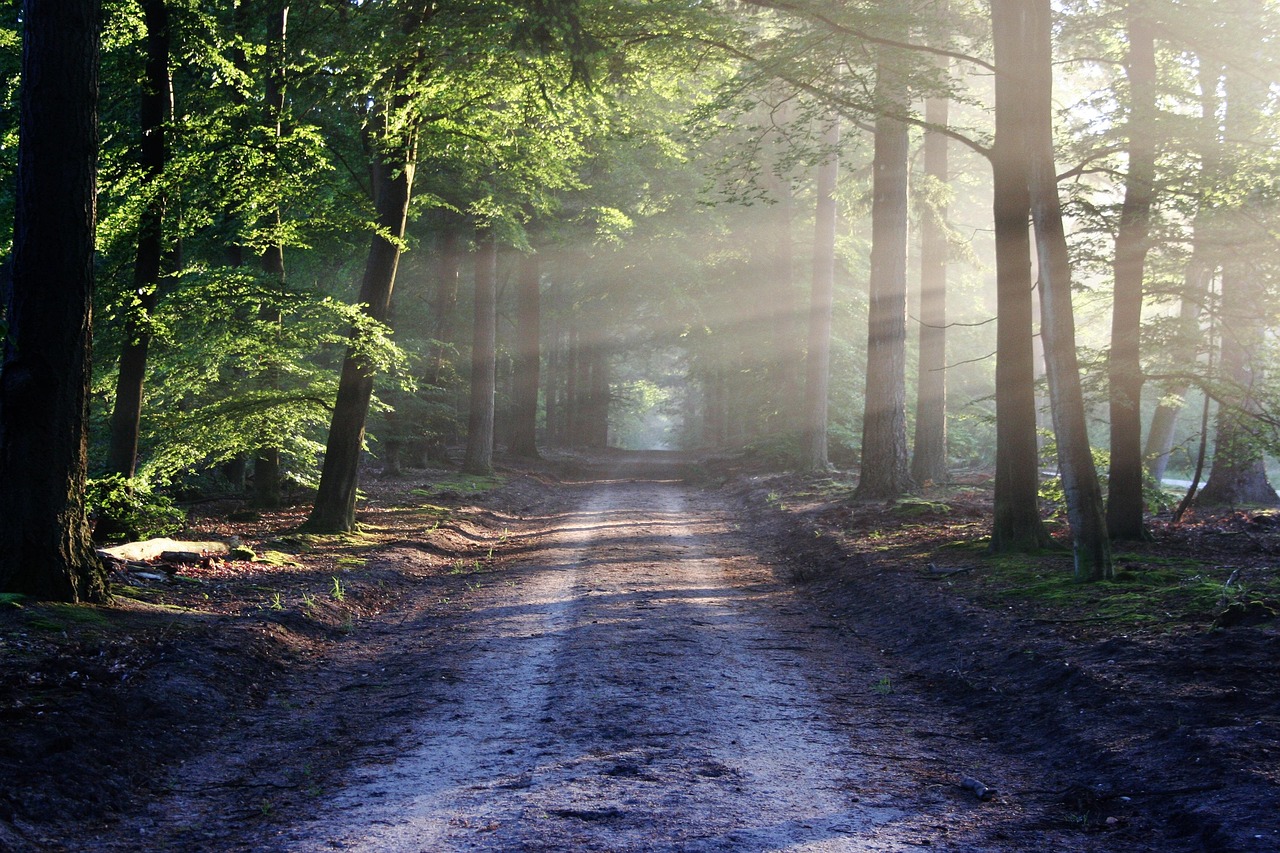
The Great American Rail-Trail isn’t just another bike path—it’s becoming America’s highway to human connection and personal transformation. Spanning more than 3,700 miles, the Great American Rail-Trail promises an all-new American experience. The trail travels through 12 states and the District of Columbia, connecting trail users and communities from Washington to Washington, and possibly someday from the Atlantic to the Pacific. As the first cross-country trail of its kind, the “Great American” will be hosted primarily by rail-trails—public paths created from former railroad corridors—as well as other multiuse trails, offering a route across the nation that is completely separated from vehicle traffic. Think of it as a modern Oregon Trail, but instead of covered wagons, people are discovering America one pedal at a time. Upon its completion, the Great American will serve more than 50 million people within 50 miles of its route, as well as the millions from across the country and the world who will explore America’s diverse places via the trail. What makes this story so inspiring is how it’s bringing forgotten communities back to life while creating new adventures for modern explorers.
Corritta’s Life-Changing Southeast Asia Journey That Led to Global Service

Sometimes a vacation becomes something so much bigger than you ever imagined. A trip to South East Asia gave Corritta’s life a whole new meaning. Possessions are overrated, true happiness comes from giving. She and her family left a comfortable life in the United States behind to fill their souls while making the world a better place. Her story started like many others—seeking stress relief from daily life. My first international trip was to Bangkok in 2018. I thought this trip would be a great way to get away from the stress in my life. It turned out to be a life altering experience that made me realize I was existing, not living. While in Bangkok we took a day trip to Wildlife Friends Foundation Thailand and it changed my life. We learned how cruel animal tourism is and how we, as tourists, are unwitting accomplices. Now she travels the world making a difference, proving that one trip can completely rewrite your life’s purpose.
Hawaii’s Groundbreaking Green Fee Leads the Nation in Sustainable Tourism

In 2025, Hawaii made history by becoming the first U.S. state to implement what locals call the “green fee”—a revolutionary approach to protecting paradise while welcoming visitors. Hawaiʻi has officially become the first U.S. state to enact a so-called “green fee” — a charge added onto hotel room stays and other short-term visits to help protect the local environment and address the growing impacts of climate change. Green previously told Newsweek, “The implementation of this Green Fee ensures that visitors who come to Hawai’i are making an investment in Hawai’i’s future and become our partners in regenerative tourism.” He said the tax would amount to about $4 on a hotel room costing $500 a night and would help “pay for all the climate impact of receiving 10 million visitors a year.” This isn’t just another tourist tax—it’s a bold statement that travel can actually heal the places we love to visit. The fee is expected to raise about $100 million a year for projects that include fortifying fire breaks, upgrading technology, and combating erosion and invasive species. Hawaii’s story shows us that responsible tourism isn’t just possible—it’s essential for the future of travel.
Jeff Jenkins Breaks Barriers as Plus-Size Travel Pioneer

Meet Jeff Jenkins, the guy who’s proving that adventure has no size limit and inspiring thousands to chase their travel dreams regardless of what society says about their bodies. Jeff is now a National Geographic Travel Host, and uses his online platforms to share his remarkable journey as a plus-size traveler, encouraging others to pursue their wanderlust fearlessly and unapologetically. With his infectious enthusiasm, Jeff breaks down barriers and promotes inclusivity, proving that one’s size should never limit their ability to explore the world. His uplifting presence and empowering message make him a beacon of travel inspiration for travelers of all shapes and sizes—he’s a good reminder that travel is for everyone. Jeff’s story matters because he’s changing how we think about who gets to be an adventurer. Through social media and his work with National Geographic, he’s showing that the outdoors, exotic destinations, and thrilling experiences belong to everyone. His journey from feeling excluded to becoming a celebrated travel host proves that sometimes the most powerful travel stories aren’t just about where you go, but about who you become along the way.
The Bucket List Family Redefines Adventure with Three Kids in Tow
Imagine selling everything you own and hitting the road with three young children to explore every corner of the planet—that’s exactly what the Bucket List Family did, and their story has inspired millions of families worldwide. The Bucket List Family—a husband, wife, and their three photogenic children—shares adventurous travel stories on Instagram and YouTube. I’ve followed their travel story for years now, and as an experienced traveler I still love traveling vicariously through their family adventures. They offer stunning photography and heartfelt narratives, and bring followers on a virtual exploration of the world’s most captivating destinations. What makes their story so compelling isn’t just the incredible places they visit—it’s how they’ve proven that family life doesn’t have to mean giving up on big dreams. Beyond showcasing picturesque locations, they emphasize the importance of shared family adventures and creating lasting memories. My young son was born in 2021, so although he’s already visited eight countries with me, I’m still inspired by the places they take their kids—many of which are on my own bucket list. While their lifestyle might seem out of reach for most families, their core message resonates: prioritizing experiences over possessions can transform not just your travels, but your entire approach to life.
America’s Train Travel Renaissance Captures Hearts Nationwide

Something magical is happening on America’s railways, and it’s changing how we think about slow travel and connection to the landscape. While the USA hasn’t had quite the renaissance of train travel that Europe has seen, the country is certainly getting back on track, posting record ridership numbers in 2024. Improvements and all-new trains are coming soon, but for now, train travel in the USA means slow travel. The rails are rarely the fastest way to get anywhere, but that’s not why you’re here. Disconnect from your devices (many routes don’t have wi-fi) and instead connect with your fellow passengers in the observation car, or simply sit back, relax and enjoy the ride. The California Zephyr has become particularly legendary among travelers seeking authentic American experiences. No train journey in the USA – or perhaps the world – is as epic as the California Zephyr. It’s the furthest you can go within the US by train, and it packages up the best of the country in a little more than two days on its route between Chicago and California. These train journeys represent more than transportation—they’re becoming moving meditation retreats where people rediscover the joy of truly seeing America unfold outside their windows.
International Visitors Discover Hidden America Through Unexpected Detours
Sometimes the most inspiring travel stories come from the moments when plans fall apart completely, and international visitors to America are finding magic in the unexpected delays and detours. “On the way to the famous citadel, roadblocks and delays offer challenges, but also gifts – a connection with strangers, now friends, that the author met along the journey.” This year, many international travelers have discovered that America’s true treasures aren’t always the famous landmarks, but the conversations with locals in small-town diners, the spontaneous festivals they stumble upon, and the kindness of strangers who become lifelong friends. While statistics show that international travel to the U.S. fell 14% in March compared with the same period last year, according to the the U.S. Travel Association, those who do make the journey are often finding deeper, more meaningful experiences than ever before. It’s as if the reduction in tourist crowds has opened up space for more authentic cultural exchanges and unexpected adventures that transform both visitors and the communities they encounter.
Adventure Seekers Push Boundaries with Extreme U.S. Destinations

This year has seen a surge in Americans seeking out truly extreme adventures, from volcano boarding to glacier hiking, proving that our appetite for adrenaline-pumping experiences knows no bounds. From glacier hikes in Iceland to volcano boarding in Nicaragua, adventure travel has become more diverse and accessible. In 2024, travelers sought experiences that pushed boundaries, connected them with nature, and created lasting memories. What’s particularly inspiring is how these extreme adventures are becoming more accessible to beginners. “Add activities like hot air ballooning in Cappadocia or scuba diving in the Maldives to your 2025 travel plans. Many adventure companies now cater to beginners, so don’t hesitate to try something new.” The stories emerging from these adventures aren’t just about conquering fears—they’re about discovering inner strength and capabilities people never knew they had. From the mountains of Colorado to the deserts of Utah, Americans are proving that age, background, and experience level don’t have to limit your willingness to try something that scares you a little bit.
Wellness Travel Transforms Lives Through Mindful Journeys

The wellness travel revolution has moved far beyond spa days and yoga retreats—it’s becoming a powerful tool for genuine life transformation and healing. “Travelers sought purpose in their journeys this year, with wellness retreats, yoga holidays, and cultural immersions seeing a surge. Destinations like Tulum, Bali, and Sedona became havens for those seeking relaxation and self-discovery. Your Next Chapter: Consider a women’s retreat in Italy, a wellness vacation in Jamaica, a mindfulness workshop in Bali, or a cultural journey in India to recharge and reconnect.” What makes these stories so inspiring is how travelers are using their journeys as catalysts for major life changes—career pivots, relationship transformations, and entirely new perspectives on what matters most. People are leaving their wellness retreats not just feeling refreshed, but with concrete plans to restructure their entire lives around what they discovered about themselves during their travels. These aren’t just vacations; they’re intensive personal development programs disguised as travel experiences, and the results are changing lives in profound and lasting ways.
Rural America Rediscovered Through Off-the-Beaten-Path Adventures
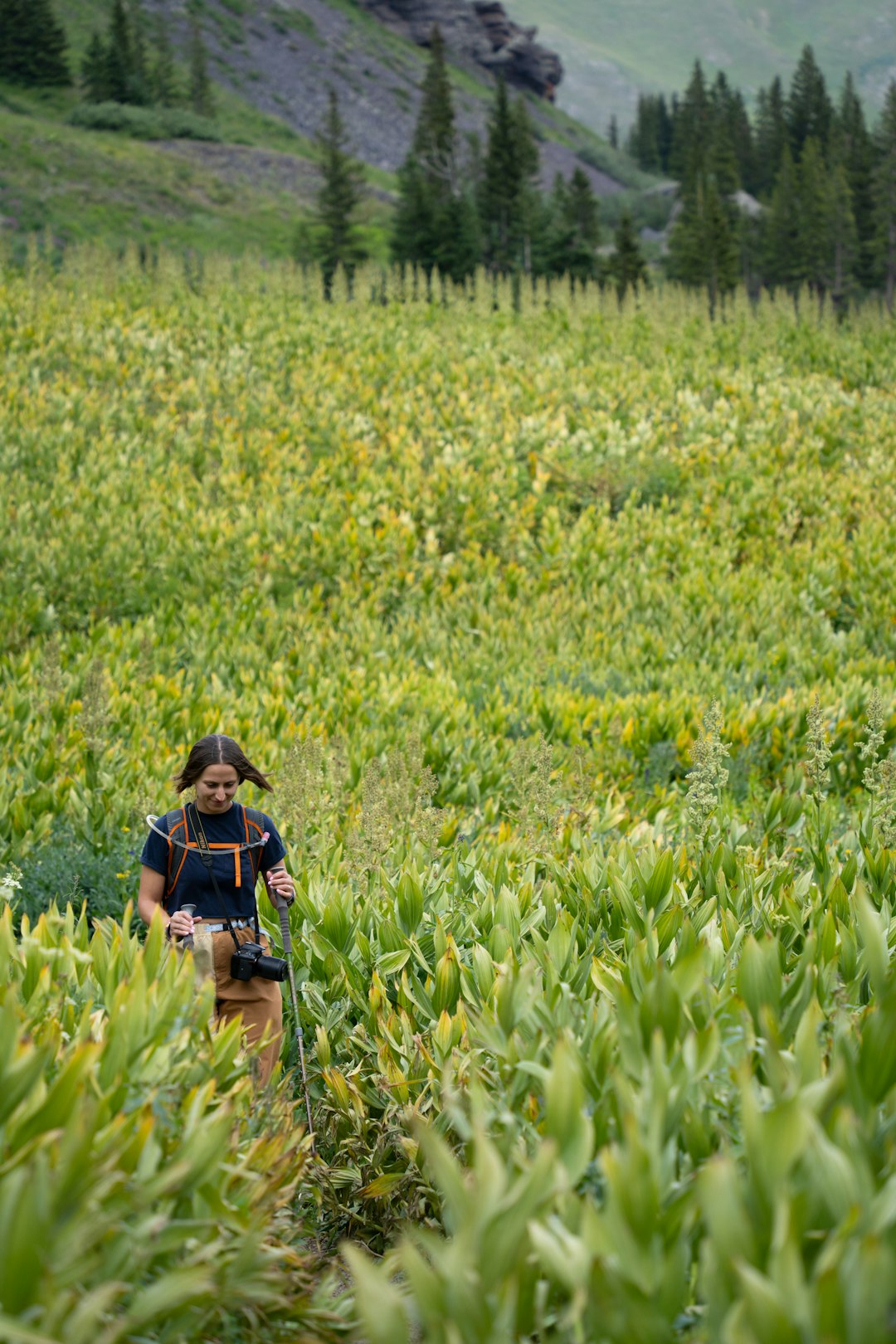
In a year when many travelers are seeking authentic experiences away from crowded tourist hotspots, rural America has become the unexpected star of countless inspiring travel stories. “Explore Beyond the Beaten Path: For 2025, trade crowded tourist spots for underexplored destinations. Hike the Caucasus Mountains in Georgia, stroll through the cobblestone streets of Portugal’s medieval towns, visit ancient forts in Oman, or relax along Albania’s pristine Riviera. Whether you crave adventure, culture, or serenity, these destinations promise unforgettable experiences without the crowds.” But right here in America, travelers are discovering that small towns in places like Montana, Wyoming, and Nebraska offer experiences just as transformative as any international destination. “The Great American Rail-Trail will link towns and cities along a dedicated, 3,700-mile path that uses many converted railways. Not only will it take hikers and bikers on a cross-continental journey, organizers hope it will help revitalize the economy of America’s heartland.” These rural adventures are creating powerful connections between urban travelers and small-town communities, building bridges across cultural divides and showing that America’s heartland has stories and experiences that rival anything you’ll find in major metropolitan areas.
What started as simple travel plans became life-changing journeys that transformed not just the travelers themselves, but often the communities they visited and the people who followed their stories online. Did you expect that the most inspiring travel tales would come from ordinary people making extraordinary choices?