Mount Everest, Nepal
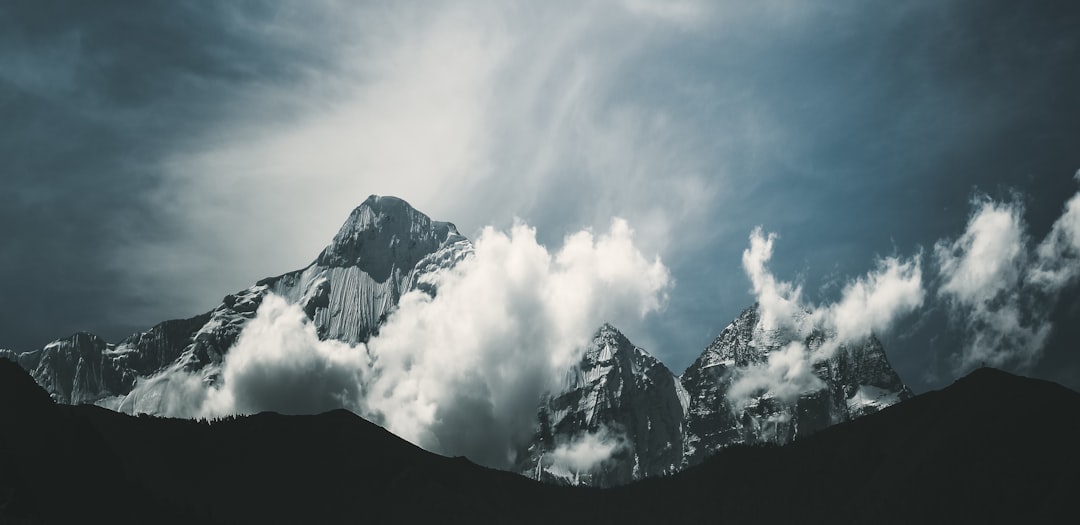
There’s something almost magnetic about Mount Everest, drawing adventurers from every corner of the world, despite its deadly reputation. In 2023 alone, over 800 climbers braved its icy slopes, creating traffic jams at heights where oxygen is scarce and mistakes are often fatal. The risks are impossible to ignore: at least 10 climbers lost their lives last season, succumbing to avalanches, sudden storms, or the punishing effects of altitude sickness. Veteran guides warn that Everest isn’t just a mountain—it’s a battleground where even the smallest error can be your last. Many climbers arrive with little high-altitude experience, which only adds to the chaos above base camp. Yet, the dream of standing “on top of the world” seems to blind people to the very real dangers. The mountain’s siren call keeps echoing, and every year, hopeful summiteers answer, some never to return.
Death Road, Bolivia
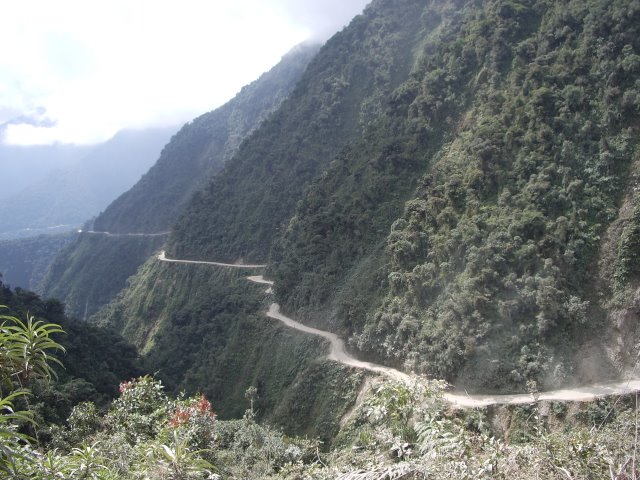
The North Yungas Road, chillingly nicknamed “Death Road,” snakes through the Bolivian Andes and is a magnet for thrill-seeking tourists. Despite its beauty, this road claims up to 200 to 300 lives each year, a grim statistic that hasn’t stopped travelers from strapping on their helmets and pedaling down its narrow, fog-shrouded path. The cliffs drop thousands of feet with barely a guardrail, and the weather can turn from sunny to slick within minutes. Local guides urge caution and always insist on proper gear, but the excitement of the descent seems to dull common sense for many visitors. Some tourists admit, “We came for the adrenaline, but we didn’t expect to feel real fear.” The road’s infamy only seems to increase its allure, making it a must-do for those chasing the ultimate biking story.
Chernobyl, Ukraine

Chernobyl’s haunting silence has become an unusual pilgrimage site, drawing more than 100,000 visitors in 2024, all hoping to glimpse the aftermath of the world’s worst nuclear disaster. Guided tours are mandatory, but even with strict protocols, the dangers of lingering radiation are still very real in some parts of the Exclusion Zone. Tourists wander through the eerie ghost town of Pripyat, snapping photos of abandoned schools and rusting Ferris wheels. Radiation experts repeatedly warn, “Stay on the designated paths or risk exposure.” Some visitors leave with a heavy sense of unease, realizing that curiosity comes with a cost. Still, the powerful sense of history and the surreal landscapes keep people coming back for more, year after year.
Shark Alley, South Africa
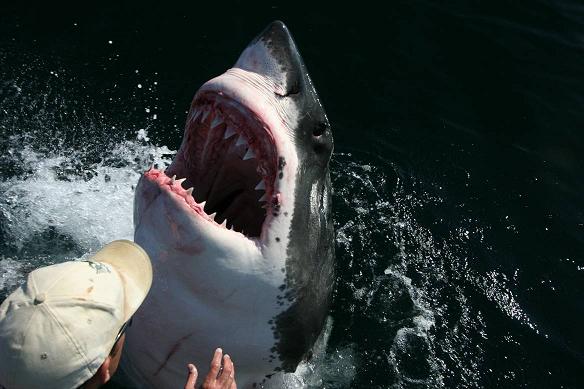
Off the coast of Gansbaai, Shark Alley is famous—or infamous—for its dense population of great white sharks and the daredevils who insist on getting up close and personal. Around 30,000 tourists plunged into these waters in 2023, encased in steel cages to witness the predators in their natural habitat. Marine biologists emphasize that while attacks are rare, the unpredictability of wild animals means there’s always a risk. The thrill of seeing a great white’s jaws mere inches away is hard to describe—equal parts terror and awe. Operators stress the importance of following every safety instruction, but the energy on the boats is always electric, tinged with a nervous excitement. “You never forget your first shark encounter,” one diver said, shivering more from the adrenaline than the cold. That brush with danger is exactly what makes Shark Alley so irresistible for adventure junkies.
The Amazon Rainforest

The Amazon Rainforest is a living, breathing paradox: impossibly beautiful and unimaginably dangerous. In 2024, more than 2 million tourists ventured into its dense, green heart, hoping to witness its legendary biodiversity. The dangers are everywhere—venomous snakes, jaguars, disease-carrying mosquitoes, and rivers that can rise with little warning. Guides stress constant vigilance and proper vaccinations, yet even seasoned travelers can find themselves caught off guard by the jungle’s unpredictable moods. One eco-tourist remarked, “It’s like stepping into another world, one that doesn’t care if you make it out.” The mystery and magic of the Amazon keep drawing people in, despite—or perhaps because of—the risks that lurk under every leaf and ripple.
The Bermuda Triangle

Swirling with rumors and legends, the Bermuda Triangle has captivated—and unnerved—travelers for generations. In 2023, hundreds of adventure seekers signed up for boat trips and sightseeing flights over this patch of the Atlantic, undeterred by its reputation for swallowing ships and planes. Scientists point to natural explanations, such as rapid weather changes and methane gas eruptions, but the allure of the unknown is hard to resist. Tour guides lean into the mystery, sharing stories of vanished vessels and unexplained phenomena. Some visitors admit they come hoping for a brush with the supernatural, while others just want to say they’ve crossed the infamous zone. No matter the reason, the Bermuda Triangle’s aura of danger is part of its enduring appeal.
The Danakil Depression, Ethiopia
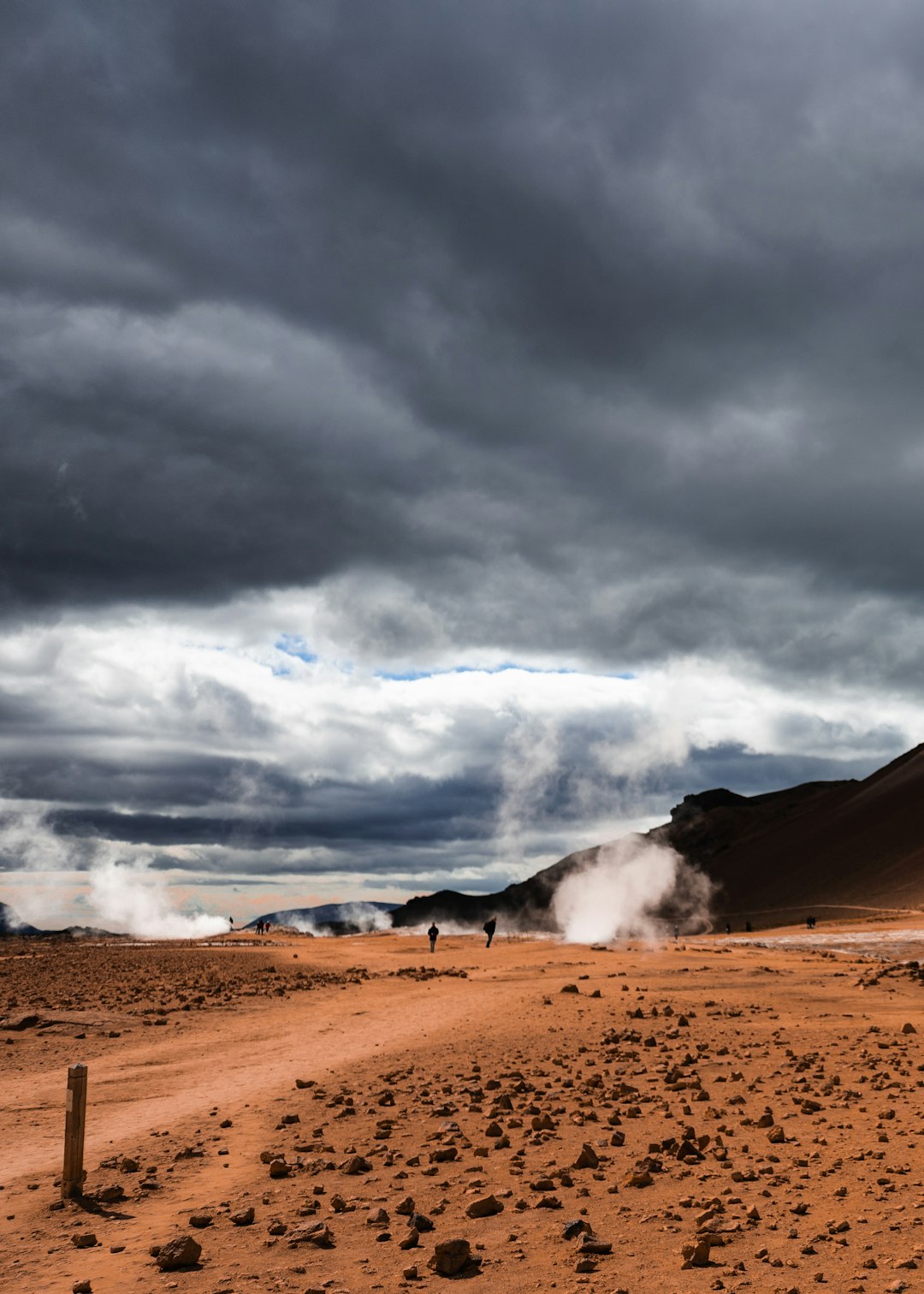
Imagine a place so hot it feels like another planet—that’s the Danakil Depression in Ethiopia, where daytime temperatures frequently soar above 120°F (49°C). In 2024, this alien landscape of bubbling lava lakes, acid pools, and endless salt flats drew a steady stream of intrepid explorers. The risks are severe: heatstroke, dehydration, and volcanic eruptions are all real threats. Local guides insist on careful planning, hydration, and never straying from the group. Despite the warnings, the surreal beauty and harsh extremes fascinate travelers who crave something beyond the ordinary. One visitor described it as “walking through the Earth’s furnace, and loving every second.” Extreme environments like Danakil seem to spark a special kind of wanderlust, the kind that ignores danger for the sake of discovery.
Mount Washington, USA
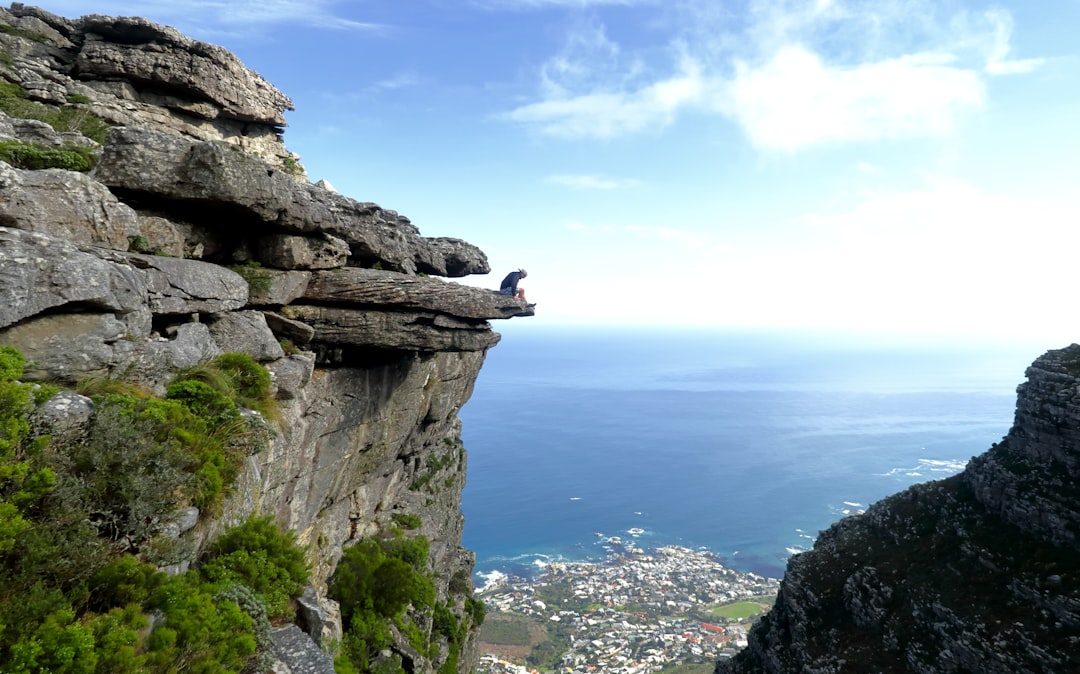
Mount Washington, nestled in New Hampshire, routinely earns its reputation as one of America’s most dangerous mountains, thanks to its wild and unpredictable weather. In 2023, gusts soared past 100 mph, catching even seasoned hikers off guard and forcing multiple rescue operations. The mountain’s summit can be sunny one moment and shrouded in freezing fog the next. Park rangers remind visitors daily to pack for every season and check weather updates constantly. Despite these warnings, roughly 300,000 people attempt the climb or drive each year, eager for the panoramic views from the top. For many, the challenge is the point—a chance to test themselves against nature’s fury. “You never know what you’ll get,” says a local guide, “and that’s what makes it so exciting, and so dangerous.”
The Cliffs of Moher, Ireland
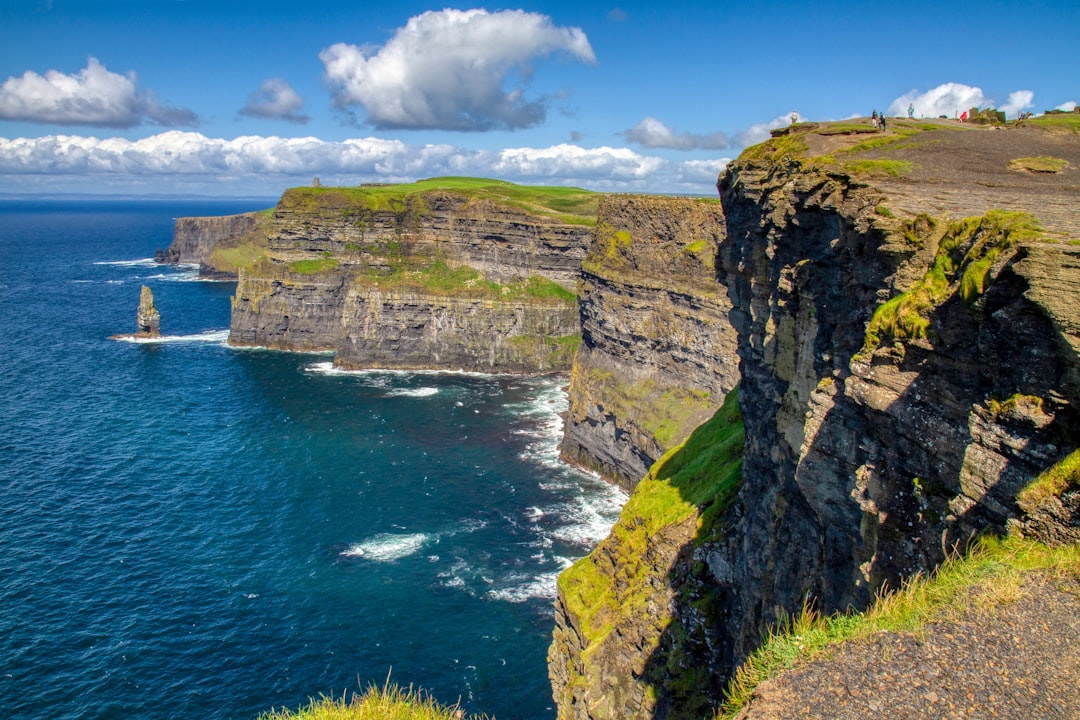
The Cliffs of Moher rise dramatically above the Atlantic, drawing over 1.5 million visitors in 2024 with their breathtaking vistas and crashing waves below. But the beauty hides real peril: strong winds, slippery paths, and sudden storms turn a simple walk into a risky venture. Every year, accidents and tragic falls remind tourists that these cliffs are not to be underestimated. Authorities have installed barriers and warning signs, but many visitors still edge dangerously close for the perfect photo. Local emergency teams are on constant alert, ready to respond when adventure turns to disaster. Still, the wild, untamed scenery keeps people coming, willing to risk it all for a glimpse of Ireland’s rugged soul.
The Great Blue Hole, Belize
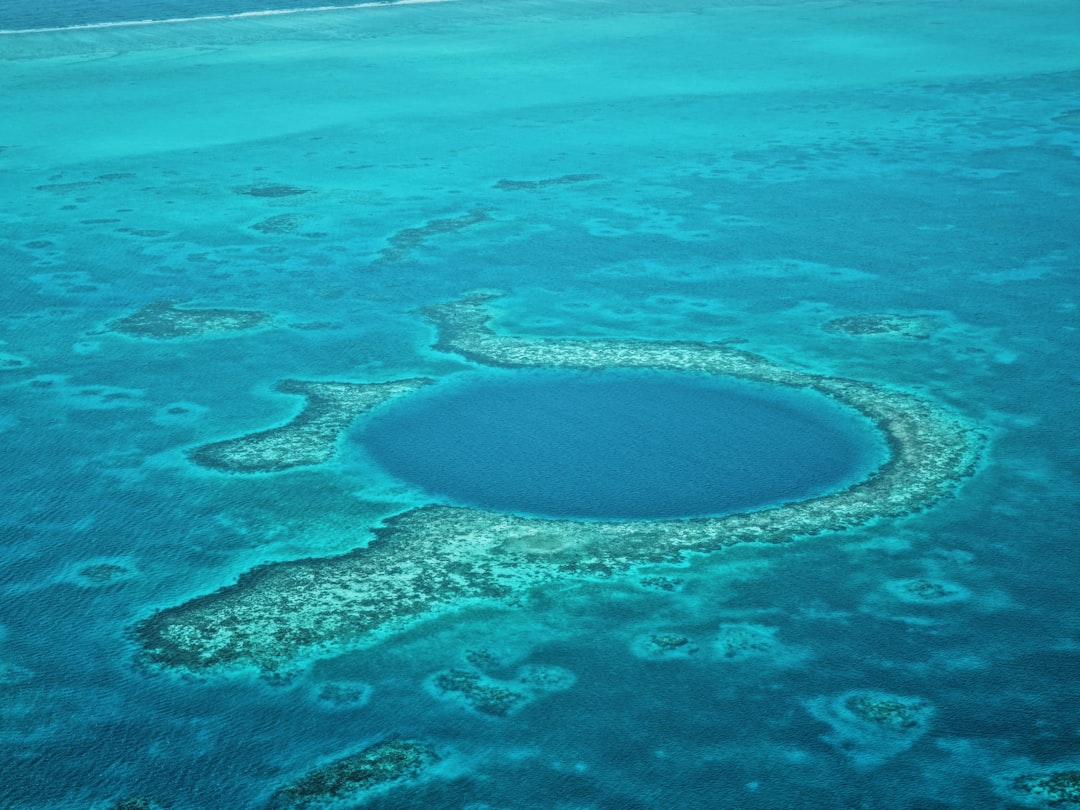
The Great Blue Hole off Belize’s coast is a stunning invitation to divers worldwide, but it’s also fraught with hidden dangers. In 2023, divers flocked here in record numbers, eager to explore the deep, dark sinkhole and its haunting underwater stalactites. The descent is thrilling but risky, with strong currents and depths that can quickly overwhelm inexperienced divers. Dive operators are strict about qualifications and safety briefings, but the lure of this legendary site can make even seasoned adventurers push their limits. “It’s an otherworldly experience,” said one diver, “but you need to respect the ocean, or it’ll remind you who’s boss.” The Great Blue Hole’s mystery and beauty ensure it remains a bucket-list destination for those willing to face its perils.