Hardware Finds New Excitement in the AI Era (Image Credits: Images.fastcompany.com)
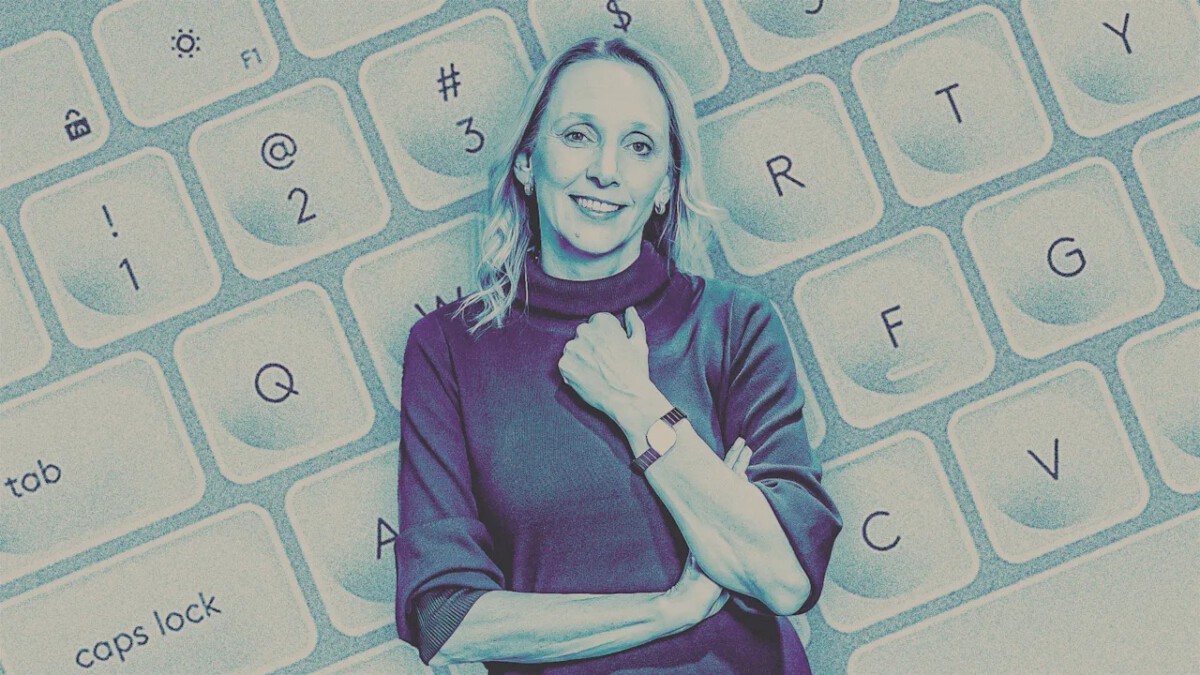
Logitech CEO Hanneke Faber revealed how artificial intelligence is breathing new life into traditional hardware, positioning the company for sustained growth amid evolving global challenges.
Hardware Finds New Excitement in the AI Era
AI demands more than software; it requires physical interfaces like hands, eyes, and ears, Faber explained. Logitech, long associated with mice and keyboards, now builds AI-enabled products at scale. This shift marks a revival for hardware, which Faber described as “sexy again” in the age of intelligent technologies.
The company’s reputation for everyday peripherals once seemed at odds with cutting-edge AI discussions. Yet Faber emphasized that Logitech’s core strengths align perfectly with AI’s needs. Board meetings now incorporate proprietary AI tools for preparation, providing confidential feedback to sharpen discussions. All board members received the same AI training as employees, ensuring savvy integration.
Turning Around a Post-COVID Giant
Faber joined Logitech after eight straight quarters of decline following the COVID boom. The business faced low confidence but solid fundamentals, she noted. Her consumer goods background at Unilever and Procter & Gamble proved transferable, focusing on user-centric design whether for mayonnaise or mice.
Under her leadership, Logitech achieved eight quarters of top- and bottom-line growth. The turnaround involved refreshing strategy and injecting energy. Faber viewed the role as an opportunity, not a crisis, given the company’s inherent strengths. This progress came despite her limited prior tech experience, highlighting universal leadership principles.
Risk-Taking Lessons from a Champion Diver
A seven-time Dutch national diving champion, Faber drew parallels between high-stakes dives and business decisions. Standing 33 feet on a 10-meter platform for flips and twists remained terrifying each time, she recalled. That fear built resilience, making corporate challenges seem manageable by comparison.
Business mirrors diving’s repeated uncertainties, Faber said. Leaders must embrace discomfort and enjoy novel situations to persist. Her sports past informed her approach to presentations, industry shifts, and podcasts. This mindset fueled Logitech’s strategic pivots.
Strategic Responses to Tariffs and Disruptions
Tariffs announced on April 1, 2025, hit Logitech hard initially, with 40% of U.S.-bound products from China. Yet only 30% of revenue came from the U.S., leaving 70% unaffected. A diverse manufacturing footprint across five countries, established by her predecessor, enabled quick shifts; by year-end, just 10% of U.S. products originated in China.
Faber raised prices by about 10% swiftly to mitigate costs, ripping off the Band-Aid before holiday sales. Strong brand loyalty provided pricing power. She dismissed excessive worry over further U.S. policy shifts, like potential Swiss tariffs, stressing diversification for resilience. Regular risk assessments guide mitigations without daily paralysis.
- Diverse manufacturing reduces single-country risks.
- Swift pricing adjustments preserve holiday momentum.
- Proprietary AI keeps sensitive data secure.
- User-focused design bridges consumer and tech worlds.
- Embracing fear builds enduring leadership.
Key Takeaways
- AI amplifies hardware’s relevance, creating scalable opportunities for companies like Logitech.
- Leadership thrives on transferable skills and resilience from diverse experiences.
- Global diversification turns disruptions into competitive edges.
Logitech’s journey under Faber underscores adaptability’s power in a dynamic world. As AI evolves and trade barriers shift, hardware leaders who prioritize users and flexibility will lead. What strategies would you adopt in her shoes? Share in the comments.