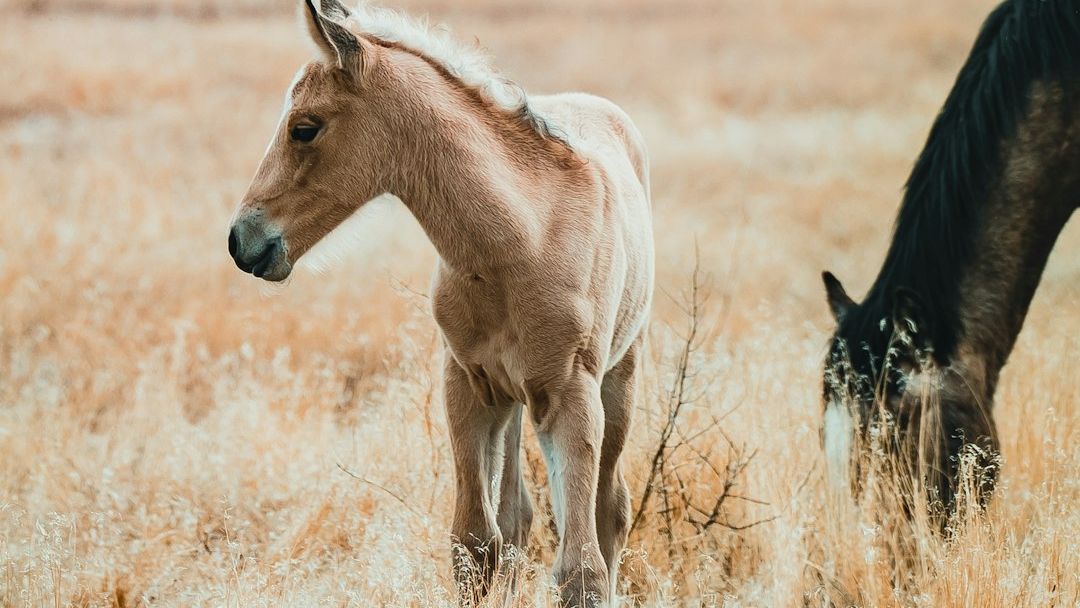

Few images are as stirring as wild horses running free across the American West. Dusty plains, dramatic skies, and a thundering herd moving as one – it’s a vision that has shaped American identity for generations. But behind that romantic picture is a story far more complicated, far more costly, and honestly, far more heartbreaking than most people realize.
The wild horses of the American West are caught between myth and mismanagement, between protection and crisis. Population pressures, billions in government spending, helicopter roundups, overgrazing, and a search for humane solutions have all collided in recent years into one of the most contentious conservation debates in the country. So let’s get into it.
1. A Protected Species With a Complicated Legacy
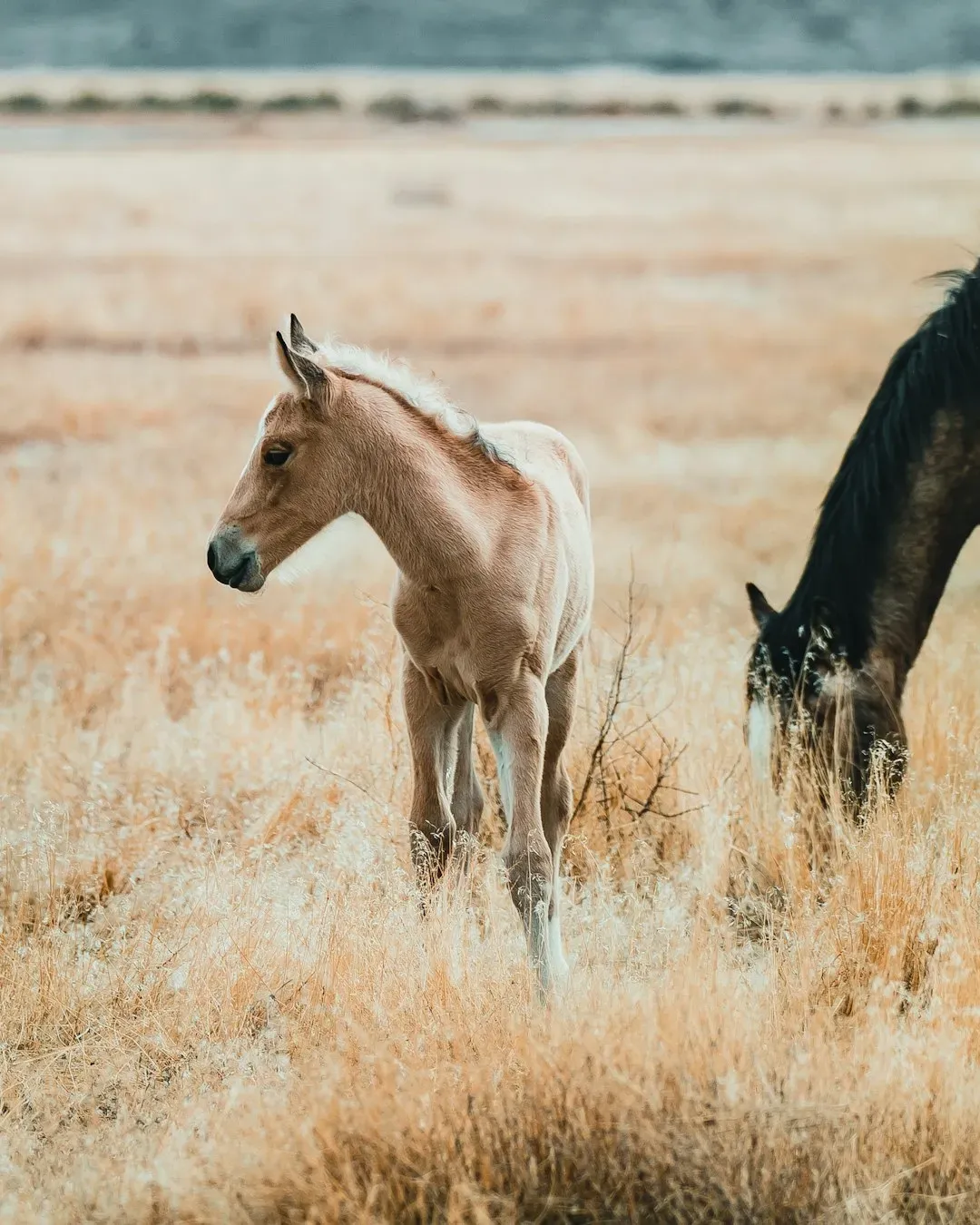
The law that defines everything is the Wild Free-Roaming Horses and Burros Act of 1971, which declares wild horses and burros to be “living symbols of the historic and pioneer spirit of the West” and gives both the Bureau of Land Management and the U.S. Forest Service the responsibility to manage and protect herds on the lands where they were found roaming in 1971. That protection was hard-won. Before 1971, wild horses had been shot, captured, and sold for industrial uses for decades.
The wild horses and burros that roam the western United States today were first introduced by Spanish settlers in the early 1500s, and escaped domestic animals eventually established feral populations across the landscape. Wild horses are also commonly referred to as mustangs. It’s worth noting that technically, these are feral horses, not truly wild in the strictly biological sense. That distinction quietly fuels a lot of the policy debate, even today.
2. How Many Wild Horses Are Actually Out There?
As of March 1, 2025, the nationwide population estimate stands at 73,130 wild horses and burros on BLM-managed lands. To give you a sense of how stubborn this number is, consider this: for more than a decade prior to 2020, wild horse and burro populations saw rapid growth, rising from approximately 28,500 animals in 2007 to a peak of more than 95,000 animals in 2020. The numbers have come down, but the problem is far from solved.
The BLM has set the Appropriate Management Level upper limit for all wild horse and burro herds at 25,556 animals, but the on-range estimate as of March 2025 was 73,130 animals. That gap, nearly three times the sustainable target, is the core of the entire crisis. The current population is thought to be 53,797 wild horses and 19,333 wild burros, compared to Appropriate Management Levels of 22,637 and 2,919 respectively.
3. Where Do Wild Horses Live?
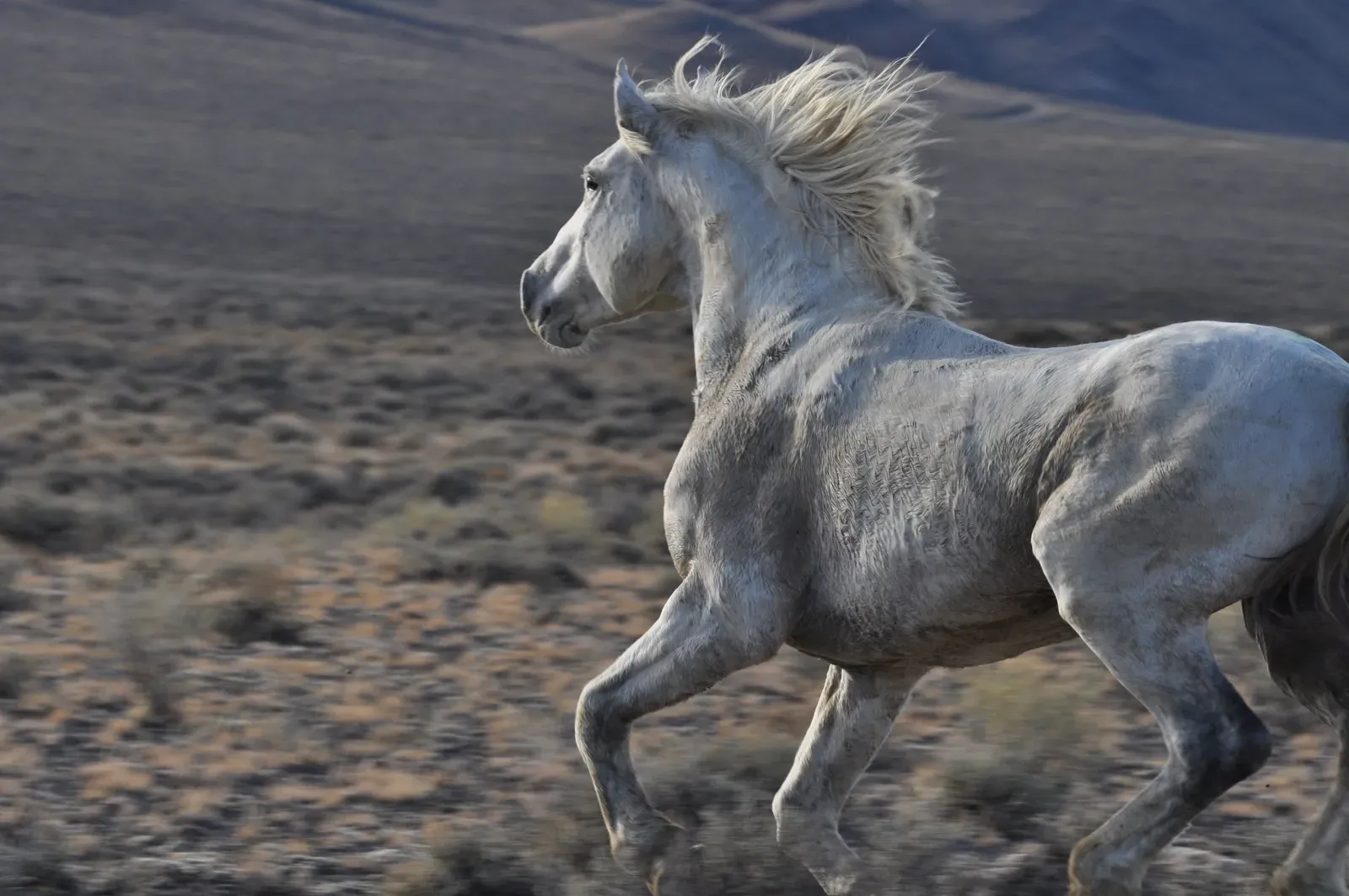
The BLM manages wild horses and burros across 175 herd management areas in 10 western states, with nearly half of all those areas located in Nevada alone. Wyoming, Oregon, Utah, and California each have between 14 and 21 herd management areas. Nevada, in many ways, is ground zero for this debate. It is vast, arid, and filled with herds that have long exceeded sustainable numbers.
The Bureau of Land Management manages and protects wild horses and burros on 25.5 million acres of public lands across 10 Western states as part of its broader mission to administer public lands for a variety of uses. That’s an enormous expanse of territory to monitor and manage. Think of it like being asked to count and control every deer across an area larger than several small countries, but with no hunting season and no natural predator large enough to meaningfully reduce the herd.
4. The Overpopulation Problem and Its Ecological Toll
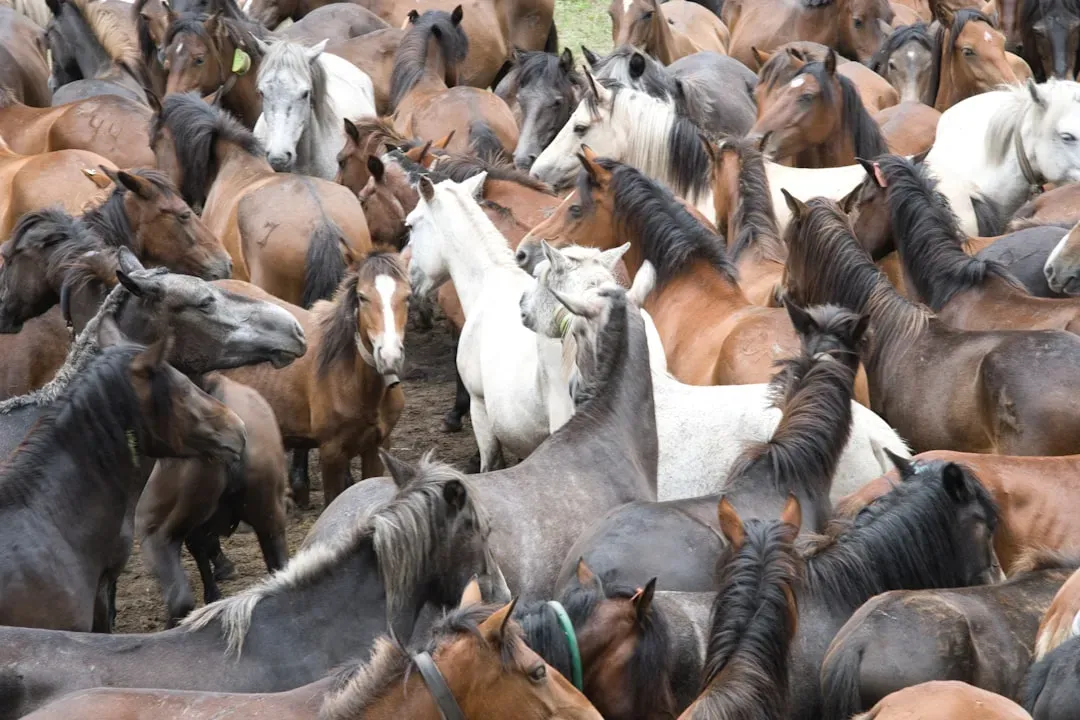
With few natural predators that can control herd growth, wild horse and burro populations increase rapidly on public lands, doubling every four to five years without intervention, which can quickly lead to overpopulation. That is an almost impossibly fast rate of growth for land managers to keep up with. Overpopulation leads to overgrazing, which devastates native plant species, disrupts soil health, and depletes water resources, an environmental degradation that imperils wildlife species such as pronghorn and mule deer and undermines the livelihoods of ranchers who depend on these lands.
Overgrazing can deplete native vegetation and invite the spread of invasive weeds that are less nutritious to the animals, and can have other impacts such as causing hotter and more frequent wildfires. When chronically overpopulated, wild horse and burro herds degrade important ecosystems, which can eventually lead to starvation and dehydration for the wild horses and burros themselves, and impact other wildlife. In short, unchecked growth is ultimately fatal, not just for the land but for the horses too.
5. More Horses Now Live in Captivity Than on the Range
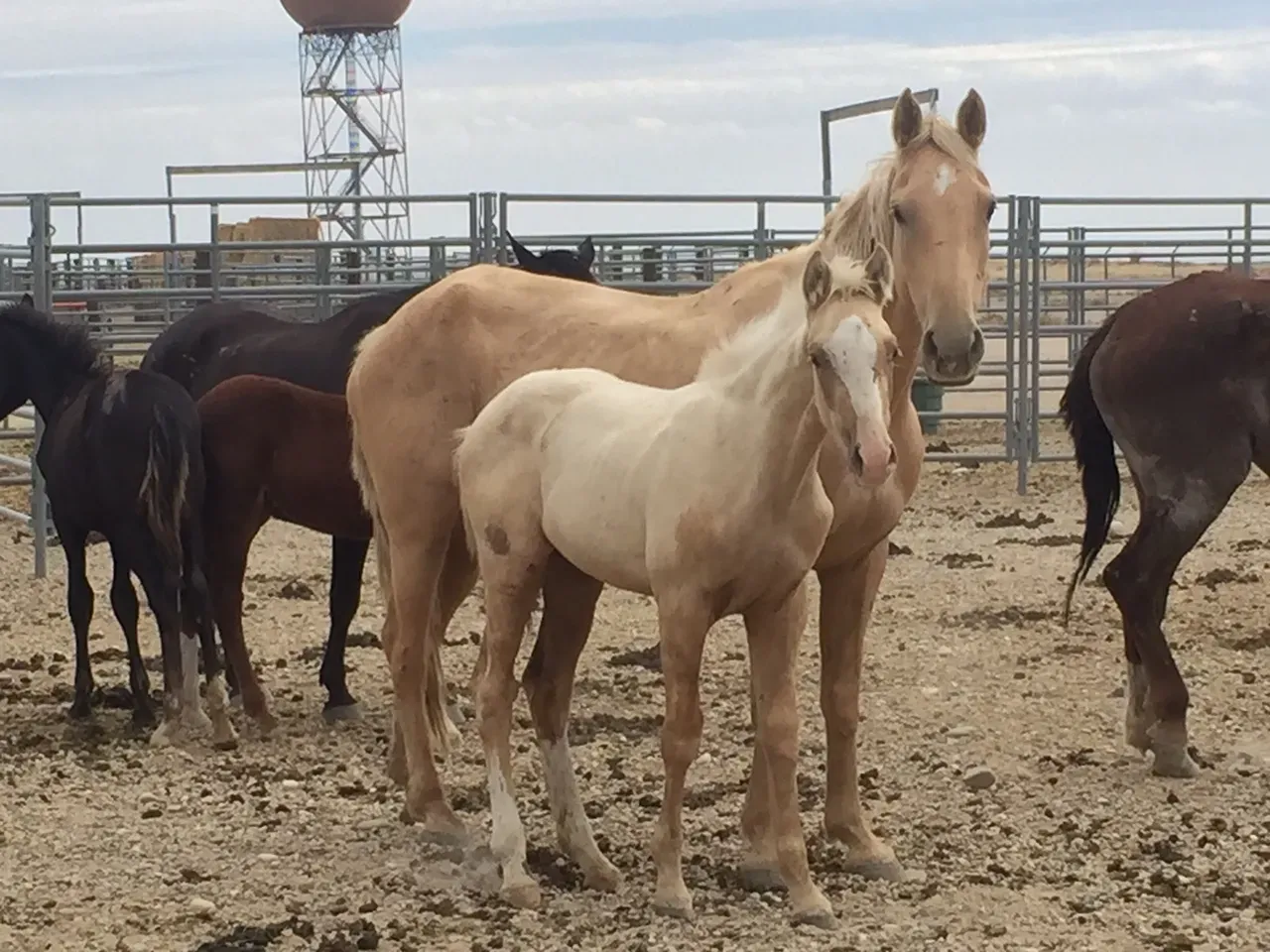
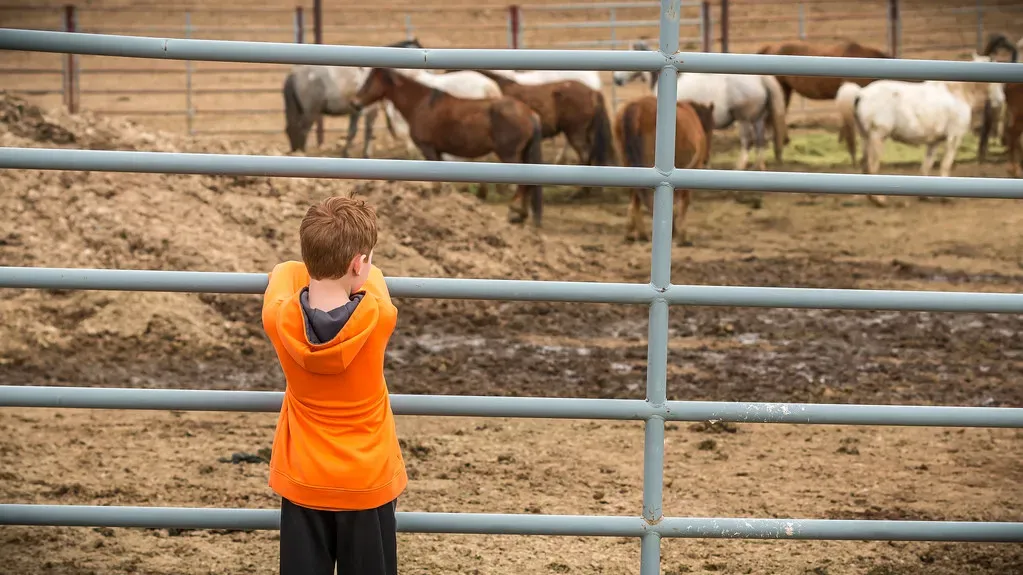
Here is the detail that truly stopped me when I first read it. Thanks to the aggressive roundup program of the last four years, over 66,000 wild horses and burros are now stockpiled in holding facilities, a historic high. For the first time ever, more wild horses are held in captivity than remain free in the wild. That is a remarkable and troubling milestone.
The BLM also manages thousands of animals off range, totaling 64,205 as of August 2025. The majority, about 61 percent, are being cared for in long-term pasture facilities, typically for the remainder of their lives. The remaining 39 percent are in short-term corral facilities, usually to be readied for adoption or sale. These are not temporary shelters. For most of these animals, the corral or pasture will be their permanent home.
6. The Staggering Cost to Taxpayers
This is the third year in a row that the cost to care for and feed wild horses is likely to top $100 million, consuming roughly two-thirds of the BLM’s $142 million annual budget for the program in fiscal year 2025. Let that sink in: two out of every three dollars budgeted for wild horse management goes toward housing horses that have already been removed from the range.
The FY2025 appropriation for BLM management of wild horses and burros was $142.0 million. Relative to the year 2000, when funding was $20.4 million, this represents nearly a 600 percent increase in nominal dollars and about a 270 percent increase in 2025 dollars. The BLM’s total expenditures for gathers, removals, and off-range holding costs jumped significantly over the last decade, from roughly $44 million in 2014 to roughly $109 million in 2024. The math simply does not work the way the current system is designed.
7. Helicopter Roundups: Efficient Tool or Welfare Crisis?
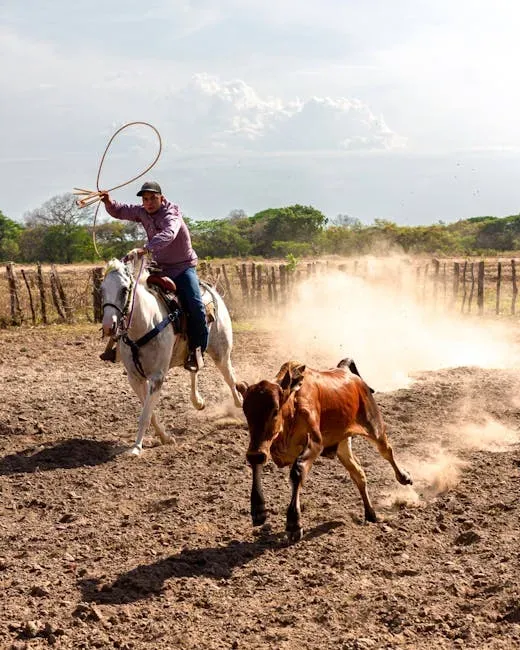
Many advocates for wild horses have decried the BLM’s roundups, which often involve using helicopters to gather the animals and can result in some horses being fatally injured. While they acknowledge some herd management areas are overcrowded, they support leaving horses on the range and controlling populations with birth control. The images that have come out of these roundups over the past few years are genuinely disturbing.
During one month-long operation at Nevada’s Triple B Complex in November 2024, observers documented concerning treatment of wild horses including excessive roping, foals left behind, and chases in very cold weather. The roundup resulted in the deaths of 27 horses, including deaths from bone fractures, poor body conditions, blindness, and physical deformities. A federal judge also banned the use of helicopters in a specific Nevada roundup after video evidence showed a pilot dangerously close to an exhausted horse. These are not isolated incidents.
8. Fertility Control: The Science-Backed Alternative
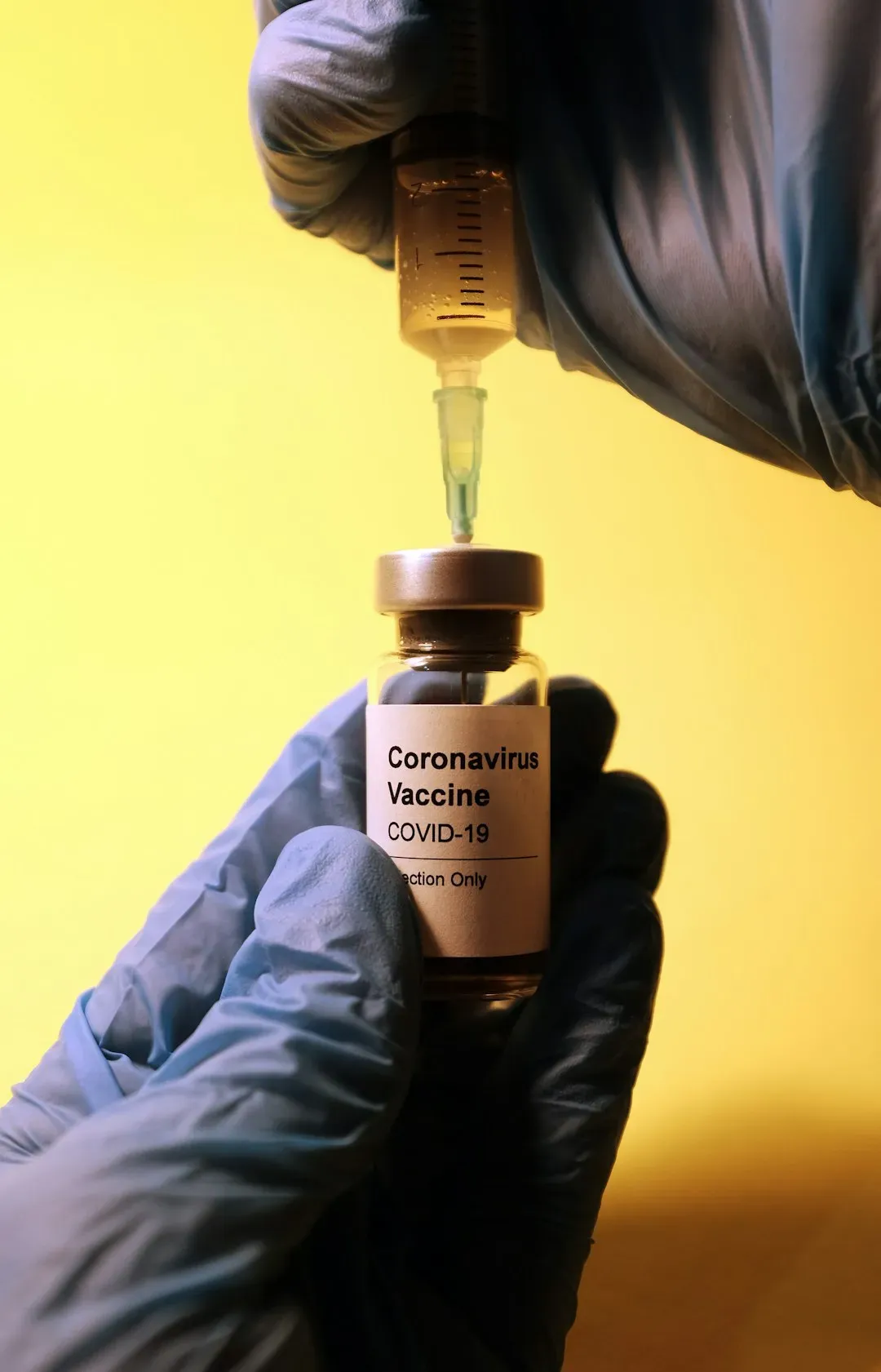
Porcine Zona Pellucida, or PZP, is a fertility control vaccine administered to female horses on the range through remote darting and is effective for one year. PZP is scientifically proven, with over three decades of use, and is recommended by the National Academy of Sciences for federally protected wild horse herds. Think of it like a dart gun and a vaccine, combined into one non-invasive field operation. No helicopters, no corrals, no trauma.
A peer-reviewed study published in March 2024 in the scientific journal Vaccines provided further evidence of the feasibility of humane fertility control as a viable alternative to helicopter roundups. The study, led by University of Pretoria professor Dr. Martin Shulman, evaluated data from the American Wild Horse Conservation’s fertility control program on free-roaming horses in Nevada’s Virginia Range. Population coverage had reached nearly three quarters of mares within four years, which resulted in an almost 60 percent reduction in foaling. Results like that are hard to argue with.
9. The Virginia Range: A Working Model That Deserves Attention
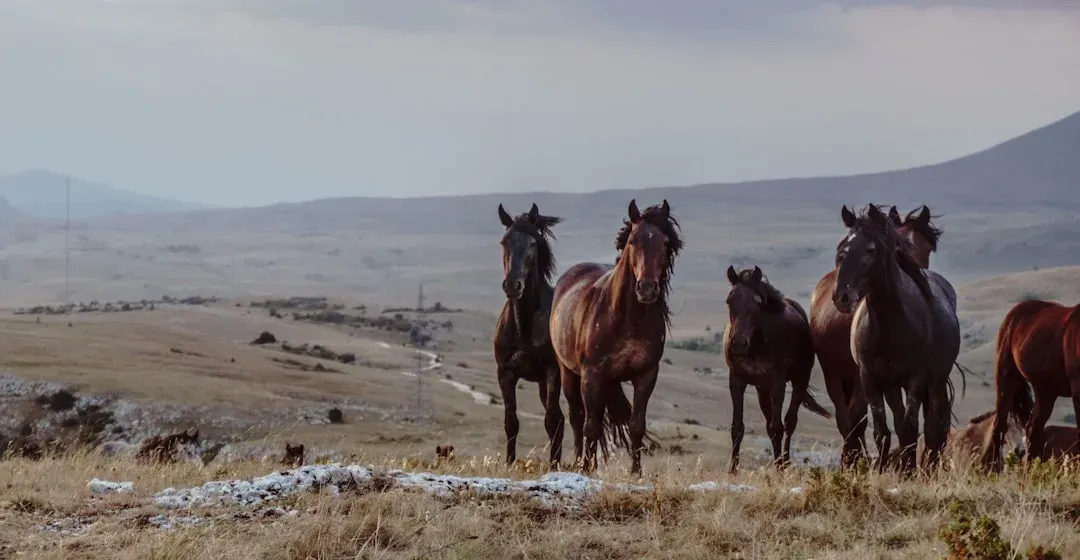
The American Wild Horse Conservation’s Virginia Range fertility control program uses PZP immunocontraceptive vaccine delivered remotely by darting to wild mares. Launched in 2019, the program has stabilized population growth in a roughly 3,500-horse population living in a nearly 300,000-acre habitat area in northern Nevada. Its success, verified in the 2024 peer-reviewed paper, demonstrates the feasibility of fertility control for large wild horse populations living in expansive habitats.
Having recently finished its sixth year, the Virginia Range program achieved something remarkable: an 82 percent reduction in foal births between January and June 2025 compared to the same period in 2020. Eighty-two percent. Notably, the program operates without state or federal funding, with local businesses helping to support access and logistics, making it a model of public-private cooperation. I think that detail is both inspiring and somewhat embarrassing for the federal government.
10. Public Opinion, Politics, and What Comes Next
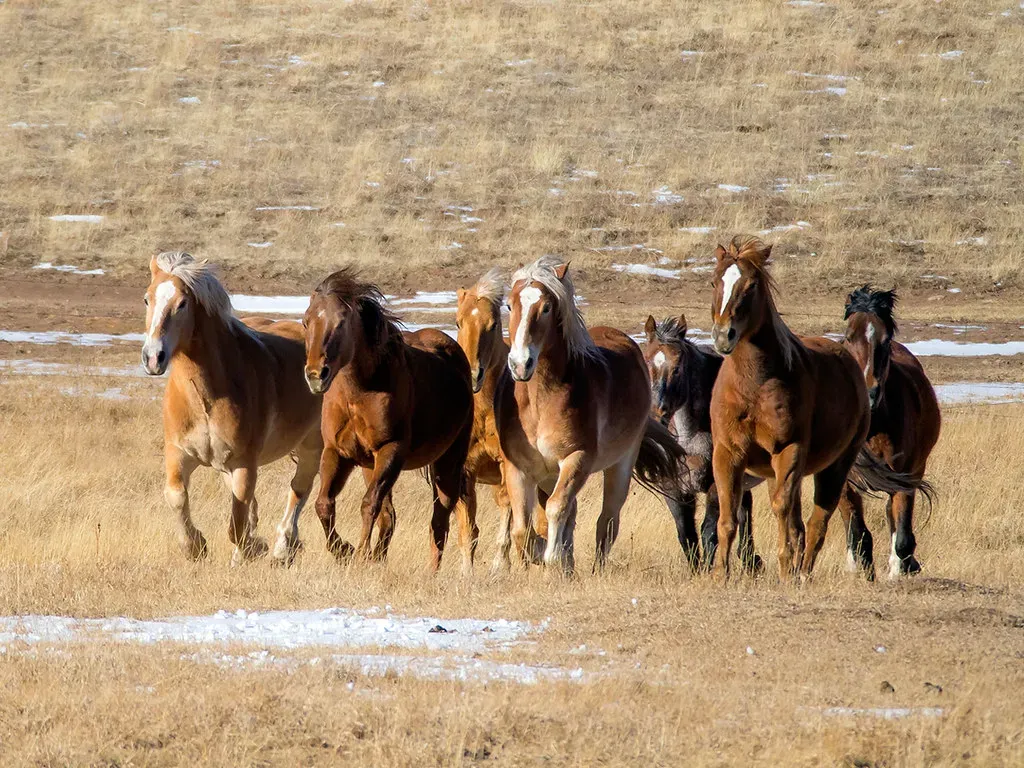
Polling by the American Wild Horse Conservation consistently shows broad support for wild horse protection from voters across the political spectrum. A 2017 poll revealed that 83 percent of Trump voters and 77 percent of Clinton voters supported protecting wild horses and burros from slaughter. Public opinion is rarely this unified on anything. A 2022 poll showed that 91 percent of Western voters view public lands as critical to their quality of life, with over 70 percent opposing the sale or transfer of federal lands. Additionally, 80 percent of Americans support wild horse protection and oppose slaughter.
As the costs to feed and house captive animals continue to climb, so does the risk that Congress will legalize lethal options as a cost-cutting strategy. Such a move would not only endanger the lives of tens of thousands of horses but also enable the BLM to continue its costly and inhumane roundup policies indefinitely. The number of free-roaming wild horses and burros on federal land is now at the lowest level in nearly a decade, making it easier for the bureau to protect soils, vegetation, and already scarce water resources the animals need to survive. Progress has been made. Whether it is enough, and whether it comes at too high a cost, depends on who you ask.
Conclusion: An Iconic Symbol at a Crossroads
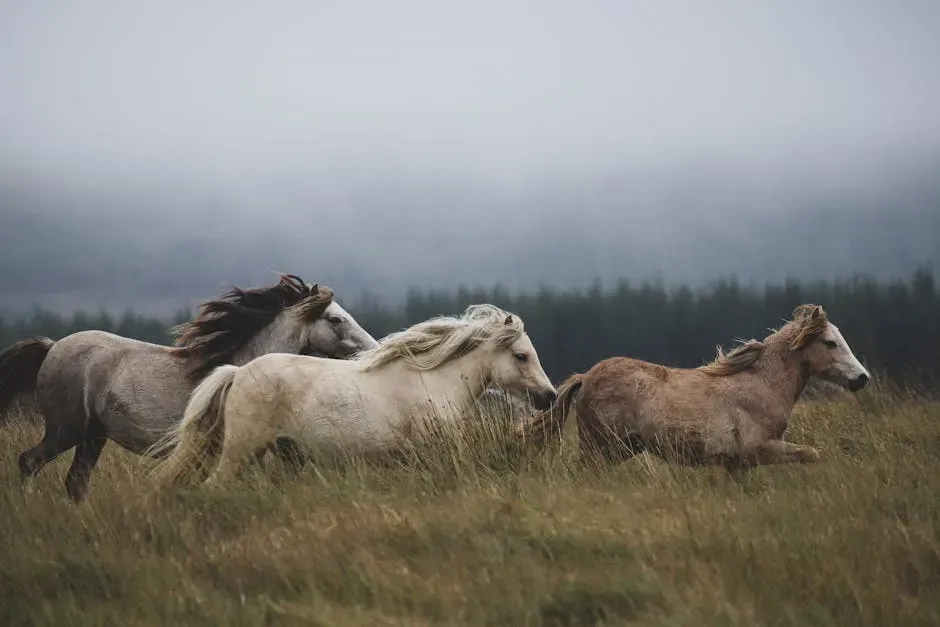
The wild horse debate in America is, at its core, a question about values. What do we owe these animals? What do we owe the land? How much are taxpayers willing to spend, and on what? There are no easy answers here, and anyone who claims otherwise probably hasn’t spent much time looking at the actual data.
What is clear is that the current model, defined by mass roundups, billion-dollar holding facilities, and a slow trickle of adoptions, is not sustainable. The science points increasingly toward fertility control as a cost-effective and humane alternative. As one wildlife ecologist put it, sustainable management will only be accomplished when the public is aware of all the financial and ecological tradeoffs involved and accepts some responsibility for the consequences of their stated management preferences.
America’s wild horses have survived exploitation, near-extinction, and decades of political indifference. Whether they survive the current crisis may come down not to some dramatic moment on the open range, but to a budget line in Congress. What kind of future do you think these horses deserve?