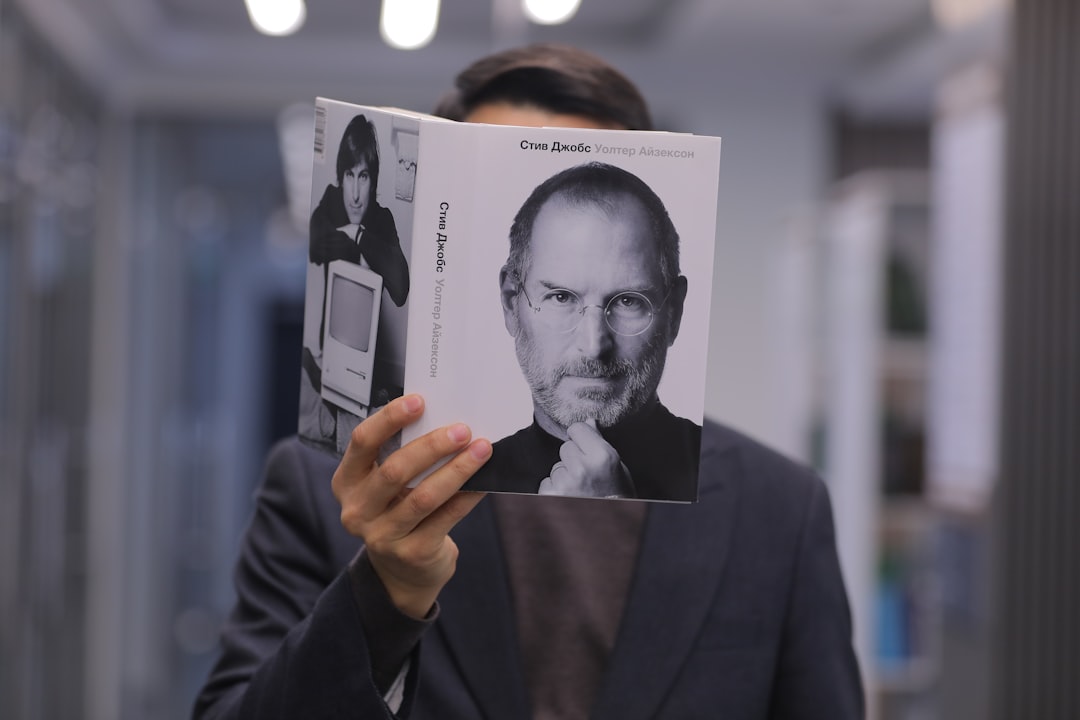
Embrace Ownership Through Entrepreneurship (Image Credits: Unsplash)
More than a decade after Steve Jobs’ death in 2011, his reflections on achievement continue to guide entrepreneurs, leaders, and everyday professionals. Jobs built empires at Apple and Pixar by embracing ideas that emphasized personal growth over quick wins. These five principles highlight perseverance, ownership, and broader perspectives, offering enduring lessons for both career triumphs and personal contentment.
Embrace Ownership Through Entrepreneurship
Jobs believed everyone benefited from entrepreneurial experience, even if only through a modest venture. He argued that managing something over years built irreplaceable depth. Recommendations alone fell short; true learning came from witnessing outcomes, enduring errors, and recovering.
Corporate roles often insulated individuals from full consequences, limiting growth to a mere fraction. Jobs stressed that ownership fostered three-dimensional skills. Mistakes accumulated as “scar tissue,” strengthening resilience. Side projects or startups allowed charting one’s course, turning decisions into profound lessons.
Perseverance Outweighs Innate Talent
Half of what distinguished successful entrepreneurs from others boiled down to sheer persistence, according to Jobs. He poured his life into ventures, facing brutal setbacks that drove most away. Yet he persisted, viewing endurance as the great separator.
Research supported this view. A meta-analysis in the Review of Educational Research linked consistent class attendance to higher grades among college students. The pattern held beyond academics: showing up daily built skills in sales, leadership, and more. Talents faded without effort, but perseverance cultivated expertise. Jobs proved this through Apple’s repeated near-failures.
I’m convinced that about half of what separates successful entrepreneurs from the non-successful ones is pure perseverance.
Eliminate Excuses and Claim Full Responsibility
Jobs drew a sharp line between roles where explanations sufficed and those demanding results. He shared a parable with new Apple vice presidents about a janitor excused by a locked door. At higher levels, reasons vanished; leaders owned every outcome.
External factors influenced success, yet individuals controlled their responses. Blaming others preserved illusions but stalled progress. Jobs urged viewing triumphs and failures as self-inflicted. This mindset shifted focus from justification to action. Pointing fingers inward sparked resolve for better results next time.
True Intelligence Lies in Perspective and Connections
Jobs equated high intelligence not with rote memory but with panoramic vision. Smart individuals zoomed out like viewing a city from above, spotting paths others missed on street maps. They forged novel links across domains.
Diverse experiences fueled this ability. Conventional paths – high school to college – yielded uniform insights. Jobs advocated varied pursuits to amass a unique reservoir. Uncomfortable challenges ensured originality. Repeated familiar territory bred predictable thinking. Broad exposure enabled innovative problem-solving.
Here are practical ways to cultivate this perspective:
- Explore unrelated fields, from arts to sciences.
- Travel or immerse in new cultures.
- Tackle hobbies outside your expertise.
- Read widely across genres.
- Seek mentors from diverse backgrounds.
Wealth Serves Life, Not Defines It
At age 25, Jobs amassed $100 million yet refused to let it dominate. He dismissed wealth as proof of intellect. Extravagant spending seemed pointless; life’s joys cost nothing.
Studies confirmed money’s limits on happiness past basic needs. Jobs prioritized passion-driven work for a sustainable living. Financial security expanded choices, but fulfillment stemmed from purpose. He lived on his terms, blending achievement with joy.
My favorite things in life don’t cost any money.
Key Takeaways from Jobs’ Principles:
- Own ventures to gain real-world depth and resilience.
- Persist daily; skills surpass raw talent.
- Drop excuses – results define leadership.
Steve Jobs’ framework reveals success as a mindset of grit, accountability, and curiosity, far beyond accolades or fortunes. These ideas endure because they align professional drive with inner satisfaction. Which principle will you apply first? Tell us in the comments.