Peak Demands Exceed Expectations (Image Credits: Pixabay)
A recent University of California Riverside study exposed the hidden water demands of expanding AI facilities across the United States, forecasting strains that could rival major urban supplies.[1][2]
Peak Demands Exceed Expectations
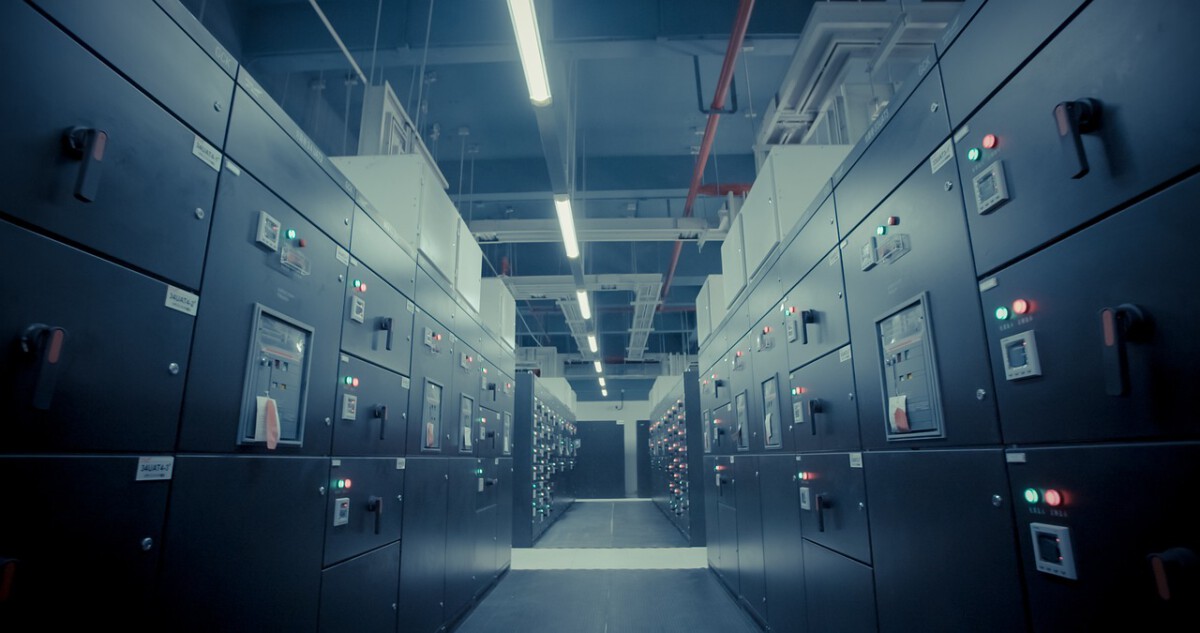
Researchers analyzed government records and water agreements to uncover how data centers spike water use during hot weather. Evaporative cooling systems, favored for efficiency, guzzle vast amounts when temperatures rise. A single large facility withdrew more than one million gallons daily at peak, while planned sites received allocations up to eight million gallons.[1]
These bursts often surged six to ten times above average consumption, sometimes reaching 30 times higher. Municipal systems, designed for maximum loads, struggled with such variability. The study emphasized that annual reports masked this critical peak issue.[2]
Projections Signal National Challenge by 2030
Without efficiency gains, U.S. data centers required between 697 million and 1.45 billion gallons of additional peak capacity each day by 2030. That volume matched New York City’s typical daily supply. Even under optimistic reductions, the pooled demand equaled half of the city’s needs for much of the year.[1]
Lead researcher Shaolei Ren noted the oversight in planning. “People recognize power as a constraint for data center growth, but most of them haven’t realized water is a hidden and even more binding constraint in many communities,” he stated.[1] Growth in AI and cloud computing accelerated these pressures nationwide.
Billions in Upgrades Loom
Meeting these peaks demanded massive investments in treatment plants, storage, pumps, and pipes. Estimates ranged from $10 billion to $583 billion, based on expansion rates. Recent deals in Virginia, Louisiana, and Indiana already approached $1 billion for three projects alone.[1]
U.S. water systems faced trillions in backlog maintenance, per Environmental Protection Agency data. Communities hosting facilities bore much of the burden, risking rate hikes for residents. Ren warned, “Even if you have money, the water source is another challenge… money can’t buy more snowpack.”[1]
| Scenario | Peak Water (Gallons/Day) | Infrastructure Cost |
|---|---|---|
| Low Growth | 697 million | $10 billion |
| High Growth | 1.45 billion | $583 billion |
Pathways to Mitigation
The researchers outlined practical steps to ease the strain. Data centers should report peak usage transparently. Tech firms must partner with locals to fund upgrades, sharing costs and benefits.
- Implement peak-aware cooling: Water systems during low grid stress, dry alternatives otherwise.
- Offset consumption through efficiencies or new capacity additions.
- Coordinate operations to avoid simultaneous peaks across facilities.
- Enhance public data on allocations for better planning.
- Pursue advanced cooling like liquid immersion to cut water reliance.
Such measures protected supplies while supporting innovation. Communities gained from economic boosts if partnerships succeeded.[2]
Key Takeaways:
- Peak demands, not averages, challenge water systems most.
- Costs could exceed $500 billion without action.
- Corporate-local collaborations offer the best resolution.
The study underscored a pivotal tension in AI’s rise: technological promise versus resource reality. Utilities and operators must act swiftly to balance growth with sustainability. What do you think about these water demands? Tell us in the comments.