
Colombia: A Transformation Story
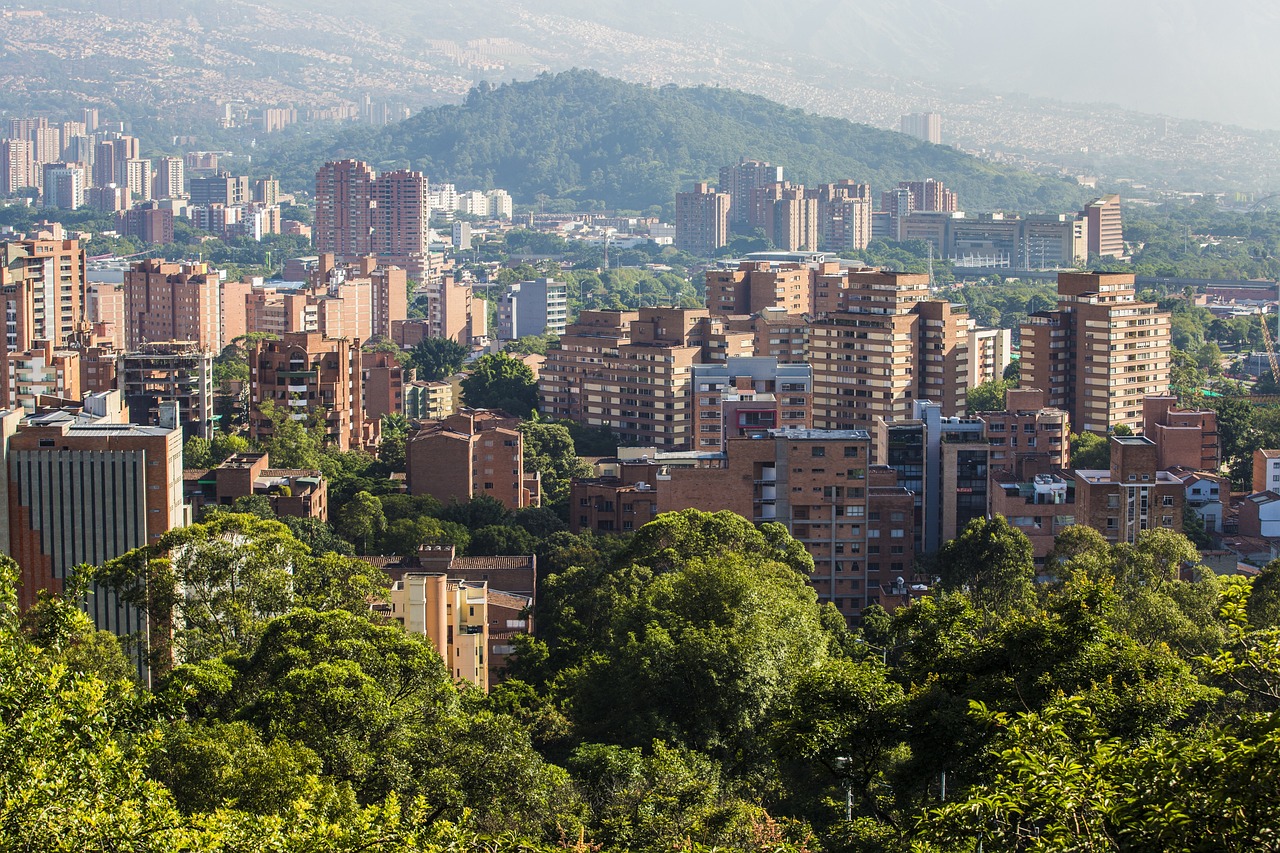
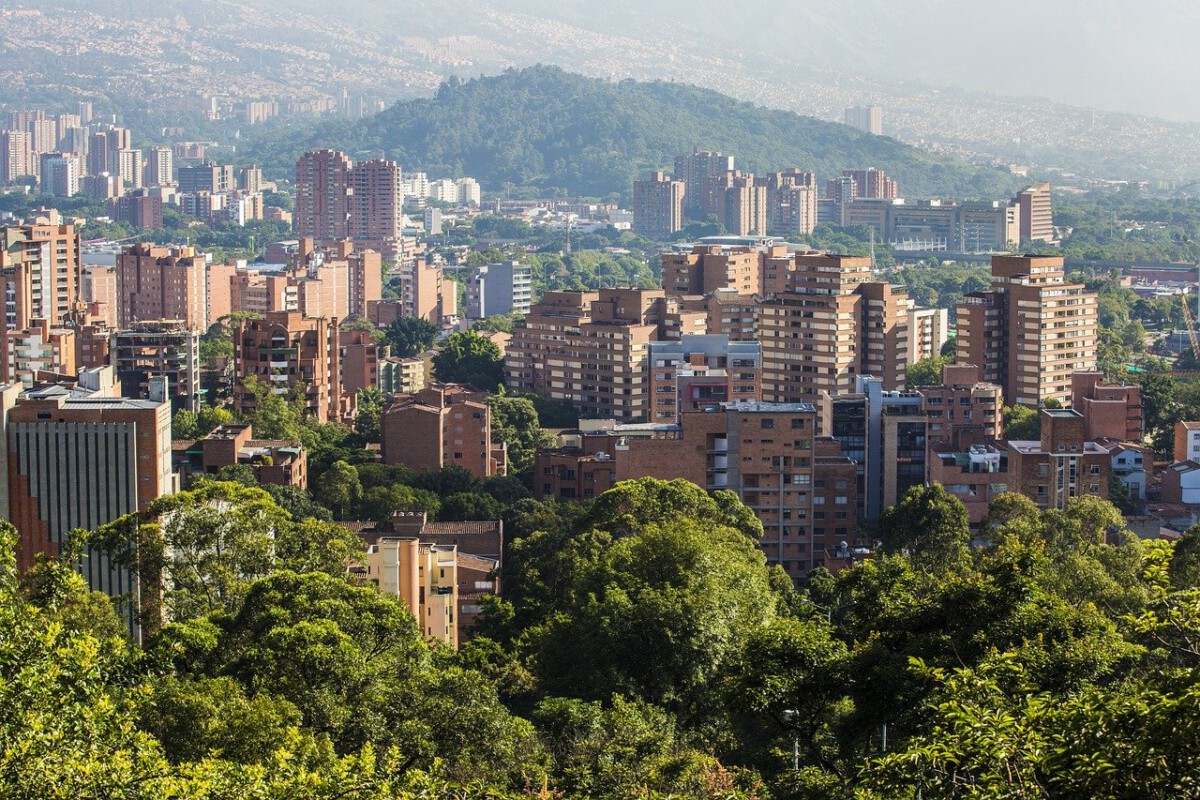
Colombia’s reputation has changed in ways most people would never have believed a decade ago. Once haunted by images of cartels and danger, today’s Colombia is a magnet for curious travelers, and the numbers prove it. According to the 2024 Global Peace Index, Colombia’s safety score has improved dramatically, reaching 1.5—a sign that violent crime has been on a steep decline. Cities like Medellín, once labeled the “most dangerous city on earth,” have blossomed into lively cultural centers with world-class museums, colorful street art, and a thriving food scene. Tourists now fill the plazas, walking confidently through neighborhoods that were previously no-go zones. The government’s investment in public safety and tourism infrastructure has paid off, with new public transport, more police patrols, and English-speaking guides. Many travelers are surprised by the warmth of the Colombian people, who are eager to share their rich culture and history. It’s hard not to feel inspired watching a country rewrite its own story in such a powerful way.
Mexico: Beyond the Headlines
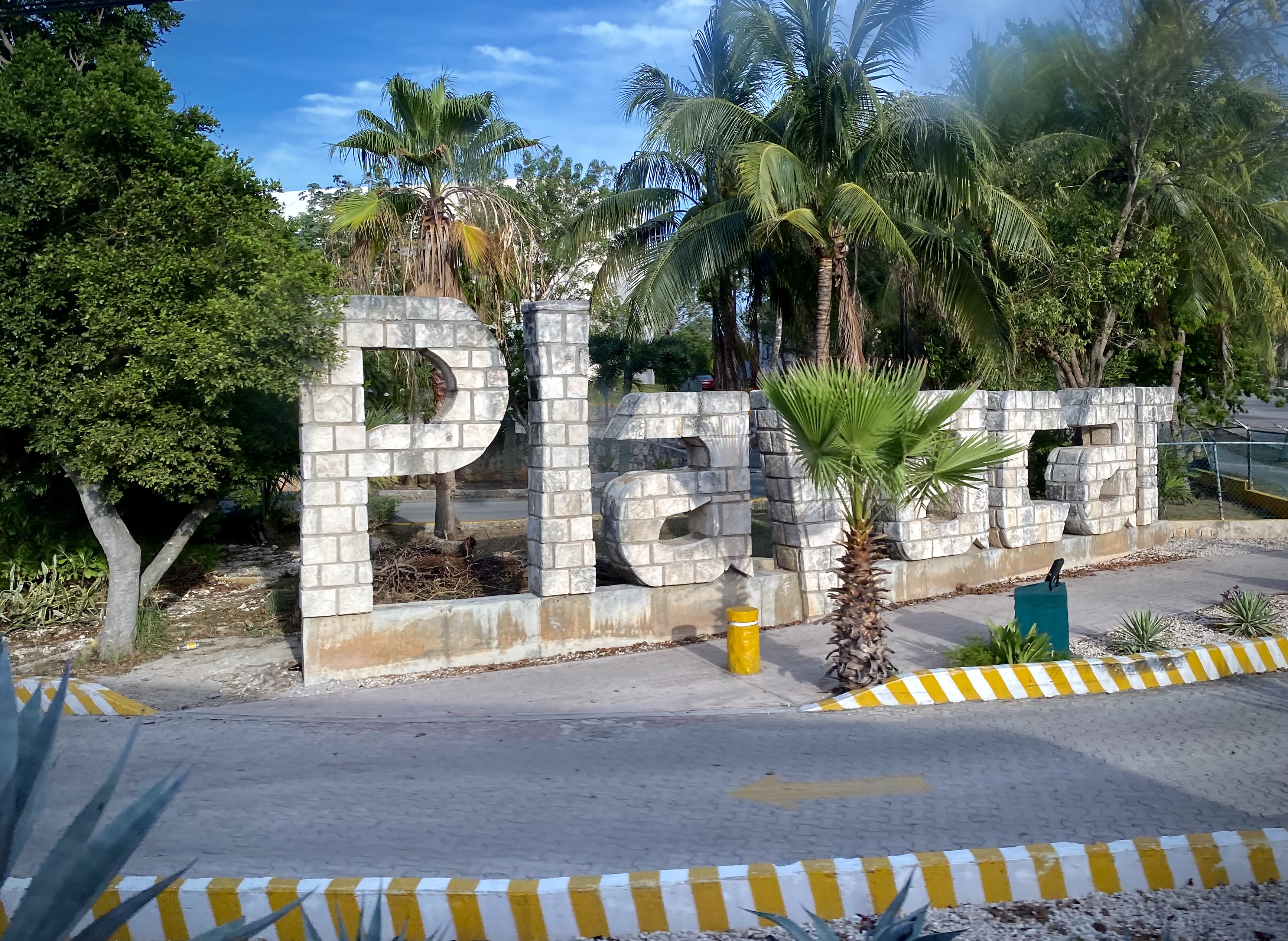
The headlines don’t always tell the whole story when it comes to Mexico. While certain regions still struggle with organized crime, tourist hotspots like the Yucatán Peninsula—home to Cancun, Tulum, and Playa del Carmen—have become some of the safest places to visit in Latin America. The Mexican government’s latest data shows that since 2022, crime in major tourist zones has dropped by 30%. This is thanks to coordinated efforts between local police, federal agencies, and private security in areas with high visitor numbers. Resorts and hotels have also stepped up, providing extra security and tourist assistance. Travelers strolling through Mayan ruins or lounging on white-sand beaches often say they feel as safe as they would in any major city worldwide. The boost in visitor confidence is obvious: 2024 saw a record number of international arrivals to tourist regions, showing that travelers are trusting Mexico more than ever. The vibrant markets, historic sites, and welcoming locals make the real Mexico shine brighter than its reputation.
Morocco: A Cultural Gem
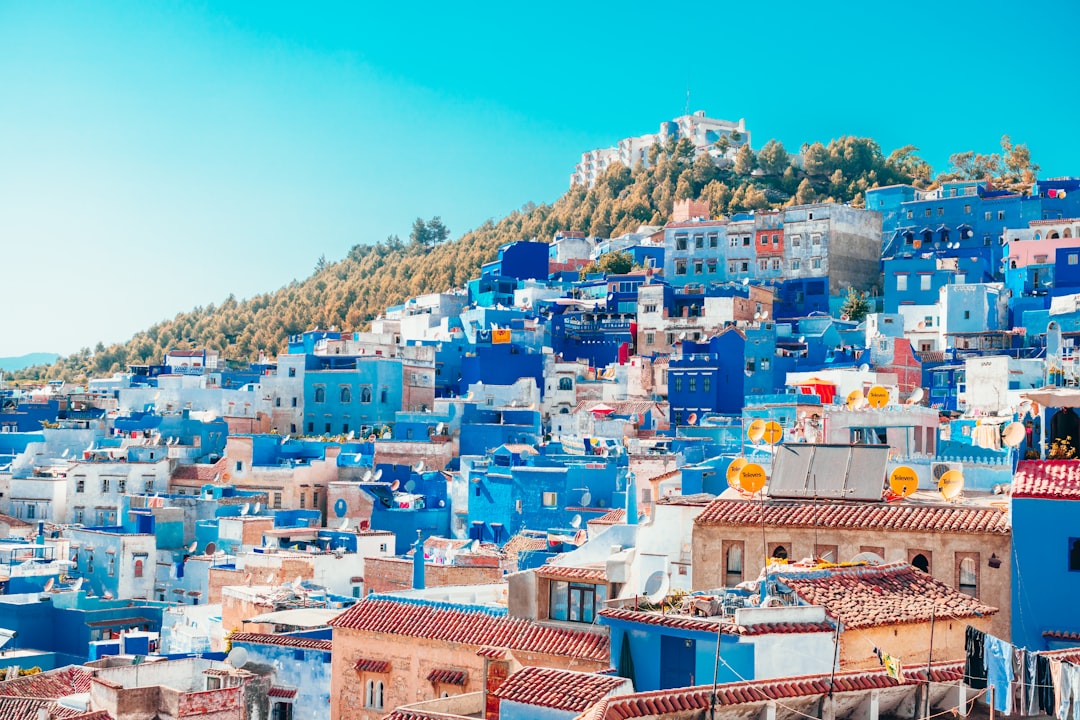
Morocco’s magical cities—Marrakech, Fes, and Chefchaouen—draw millions, despite the country’s position near troubled regions. The World Travel and Tourism Council noted in 2023 that Morocco’s tourism sector grew by 15% in just one year, thanks in large part to targeted safety measures. Tourist police are a familiar sight in the medinas, helping lost visitors and ensuring everyone feels secure. The government has invested in better lighting, clean streets, and easy-to-access tourist information centers. Visitors often remark that the biggest risk is getting lost in the maze-like souks or eating too much fragrant tagine. Morocco’s hospitality is legendary, and many travelers say they feel safer wandering its ancient alleyways than in many European cities. Local guides are trained to handle emergencies, and English is spoken widely in the main tourist hubs. Morocco proves that its reputation as a risky destination is outdated, and that its doors are wide open to the world.
Brazil: The Allure of the Amazon
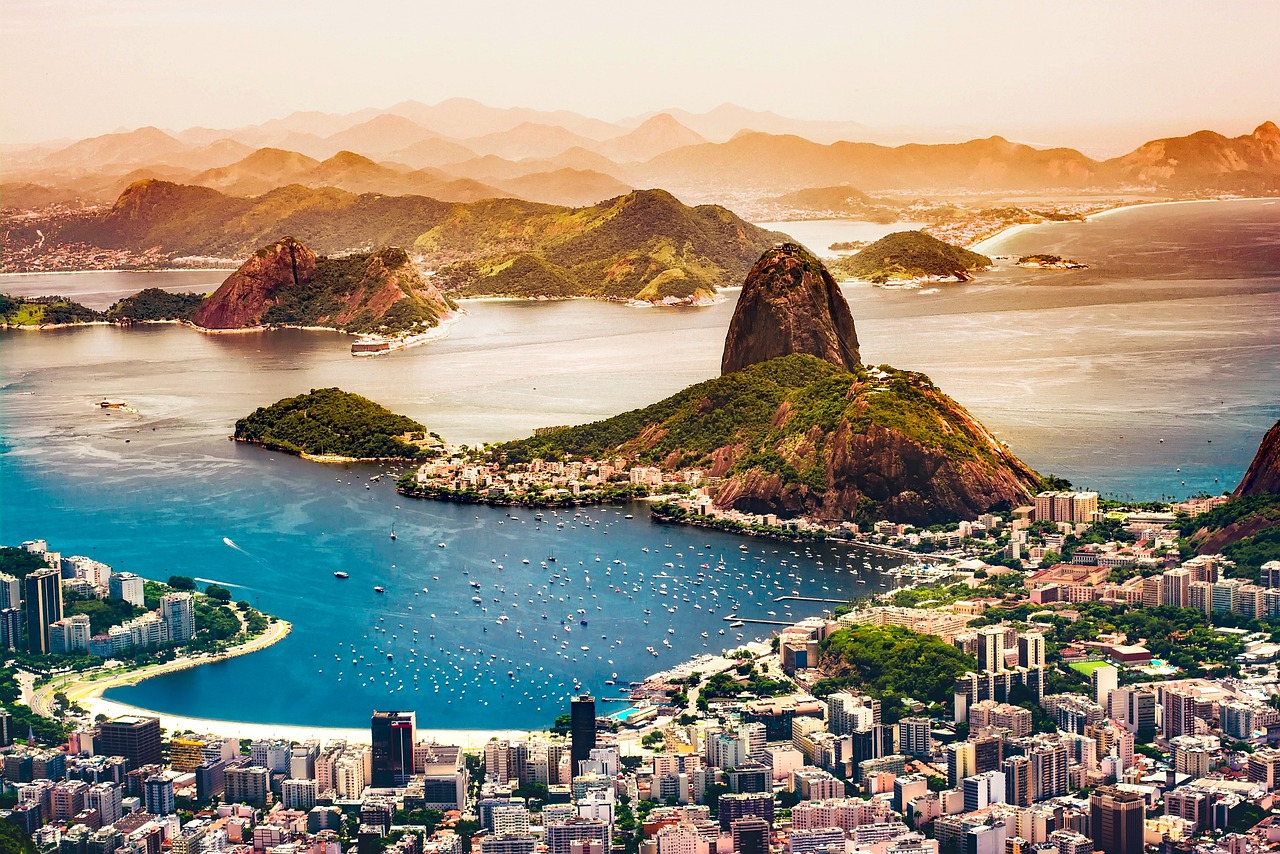
Brazil’s dazzling beaches and wild rainforests attract millions, yet concerns about crime in big cities often scare travelers away. However, the Amazon region has become a surprising safe haven for adventure-seekers. According to the Brazilian Institute of Geography and Statistics, tourism in the Amazon jumped 20% since 2023, with visitors praising the safety of guided tours and eco-lodges. These tours are strictly regulated, with licensed guides and safety briefings as standard. The local government has cracked down on unlicensed operators and invested in better emergency services. Many travelers say they feel safer exploring the Amazon than navigating the crowded streets of Rio de Janeiro or São Paulo. The remote lodges are secure, and the main “danger” is missing your boat back because you’re too busy watching pink dolphins. The focus on conservation and responsible tourism adds an extra layer of protection for both visitors and the fragile ecosystem.
South Africa: Nature and Adventure
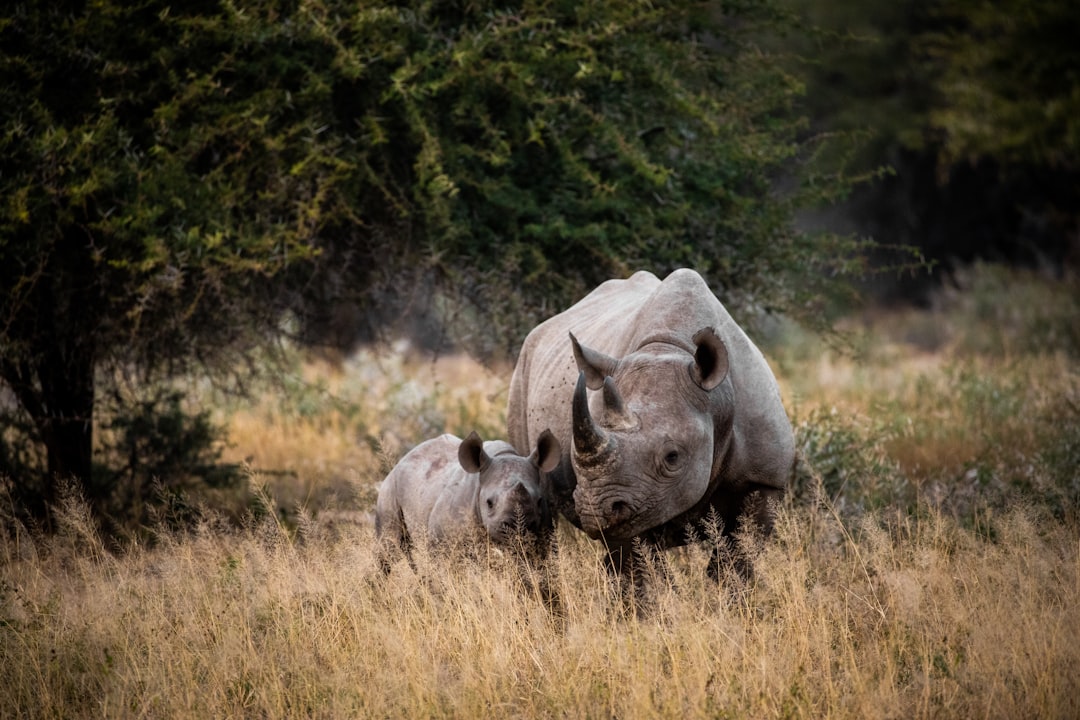
South Africa’s wild beauty, from Table Mountain to Kruger National Park, is world famous, but reports of crime have long overshadowed its allure. The truth is, many of the country’s most popular destinations are now safer than ever. The South African Tourism Board reported that international arrivals rose by 10% in 2024, a sign that improved security measures are working. Cape Town, for example, has invested heavily in tourist policing, CCTV cameras, and public safety campaigns. National parks and private game reserves employ their own security staff and often have strict access controls. Many visitors say they feel at ease on safari, where the only predators they worry about are the ones with four legs. The government and tourism industry have also launched education programs for visitors, helping them avoid risky areas and scams. South Africa’s blend of adventure, wildlife, and safety is attracting a new wave of curious explorers.
Indonesia: The Island Paradise
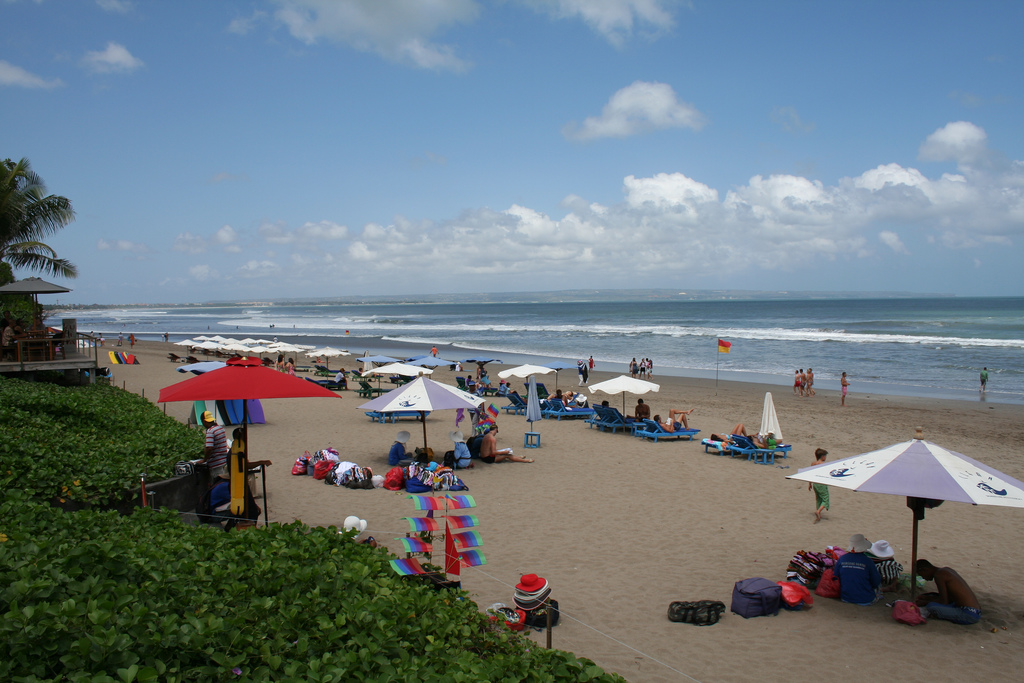
Indonesia’s thousands of islands offer everything from volcano treks to world-class diving, but most travelers head straight for Bali. According to the Indonesian Ministry of Tourism, Bali saw its crime rate drop by 25% after 2023, largely due to a surge in tourist police and community watch programs. The island has invested in better emergency medical services, clear signage in multiple languages, and rapid response teams for tourists in need. Authorities have cracked down on scams and petty theft, making it safer to wander the beaches and temples. Most visitors say they feel comfortable exploring Bali on scooters, shopping in busy markets, or relaxing in quiet villages. Even after dark, popular areas like Seminyak and Ubud are buzzing with life, not fear. The focus on keeping tourists happy and safe has paid off, with Indonesia breaking all-time records for international arrivals in 2024.
Vietnam: A Rising Star
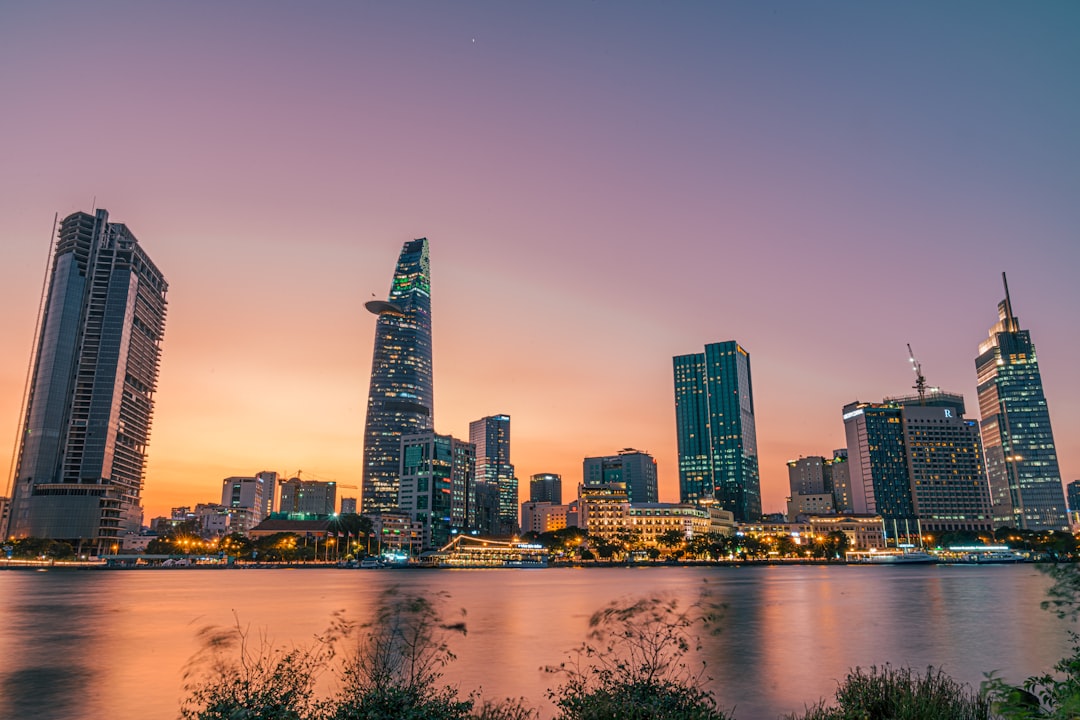
Vietnam has become one of Southeast Asia’s safest and most beloved travel destinations. The Vietnam National Tourism Administration reported a 15% rise in foreign visitors in 2024, with most describing their experiences as trouble-free. Cities such as Hanoi and Ho Chi Minh City have low rates of violent crime, and police presence has increased in tourist-heavy districts. The government has run public safety campaigns in both Vietnamese and English, educating citizens and tourists alike on how to avoid scams and stay safe. Tourists often praise the friendliness of locals, who are quick to offer directions or help with translation. Street food markets, night bazaars, and historic monuments all feel welcoming and secure. Even backpackers and solo travelers say they feel at ease moving between cities by train or bus. Vietnam’s ability to blend ancient tradition with modern safety measures makes it a true rising star for global travelers.
Thailand: A Tourist Favorite

Thailand is famous for its food, beaches, and festivals—yet some worry about safety in its bustling nightlife or busy cities. The Tourism Authority of Thailand reported a 12% boost in tourist arrivals in 2024, with most visitors rating their sense of safety highly. Phuket, Chiang Mai, and Koh Samui have all ramped up police patrols and tourist assistance programs. Popular tourist zones have information booths, emergency phones, and plenty of English-speaking staff. Many hotels and hostels offer safety briefings for guests. While petty theft can happen (as in any country), violent crime against tourists is rare. Most travelers say the only real danger is falling in love with the food or missing your flight because you’re too busy exploring temples. Thailand’s mix of tropical adventure and a strong safety record keeps travelers coming back year after year.
Georgia: The Hidden Gem
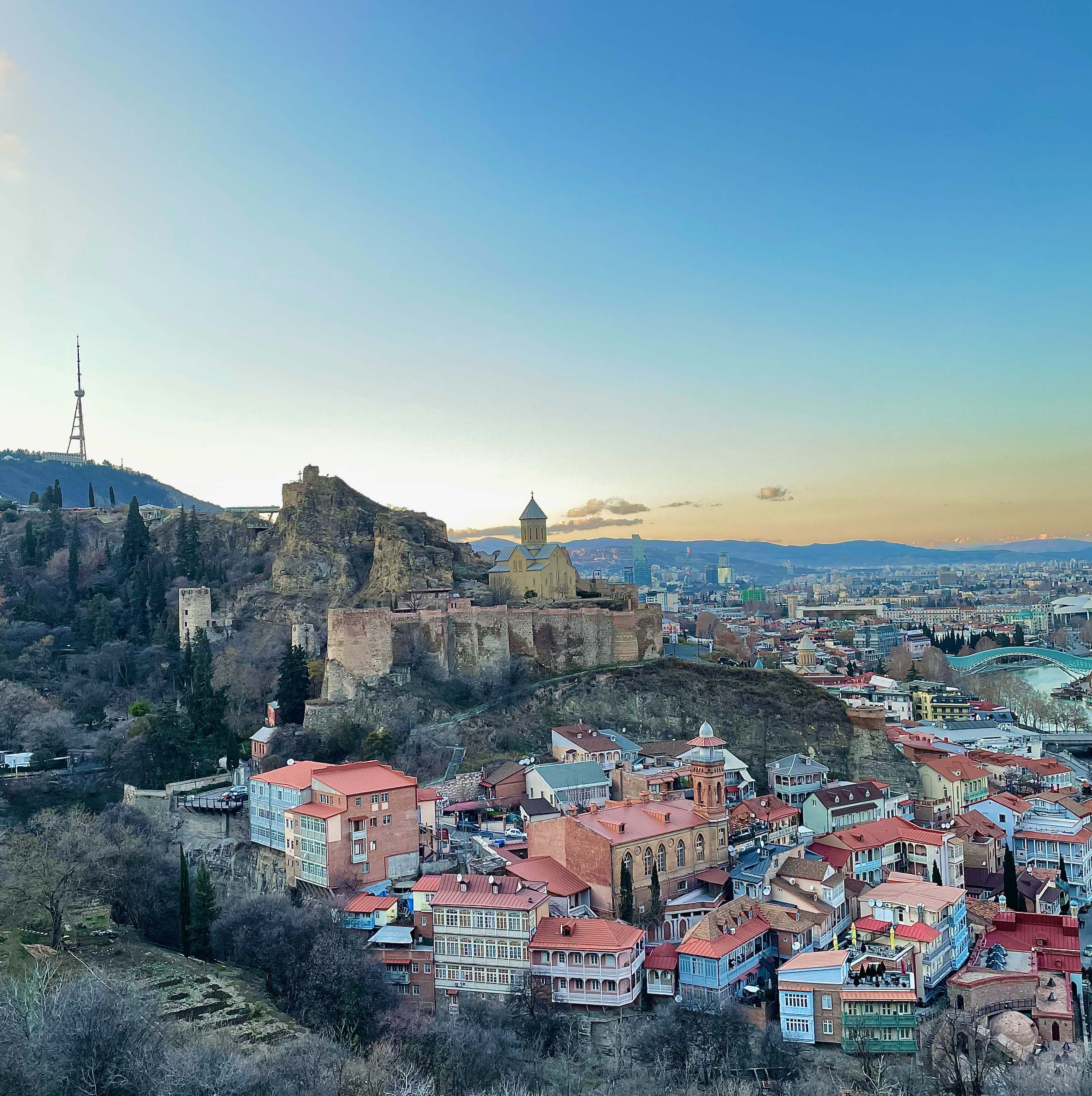
Georgia sits at the crossroads of Europe and Asia, and it’s quickly shaking off its old image as a risky destination. The country saw a 30% jump in international tourists since 2023, with the government pouring resources into safety and infrastructure. Police presence in Tbilisi and Batumi has increased, and travelers can find tourist information centers almost everywhere. Visitors rave about the low crime rate and the genuine hospitality of locals, who often invite strangers to share a meal or a glass of homemade wine. Hiking in the Caucasus Mountains or wandering the cobblestone streets of old towns, most travelers report feeling completely secure. Public transport is reliable, and tourist scams are rare compared to other countries in the region. Georgia’s blend of medieval history, breathtaking scenery, and safety makes it a hidden gem for fearless explorers.
Philippines: Island Hopping with Safety
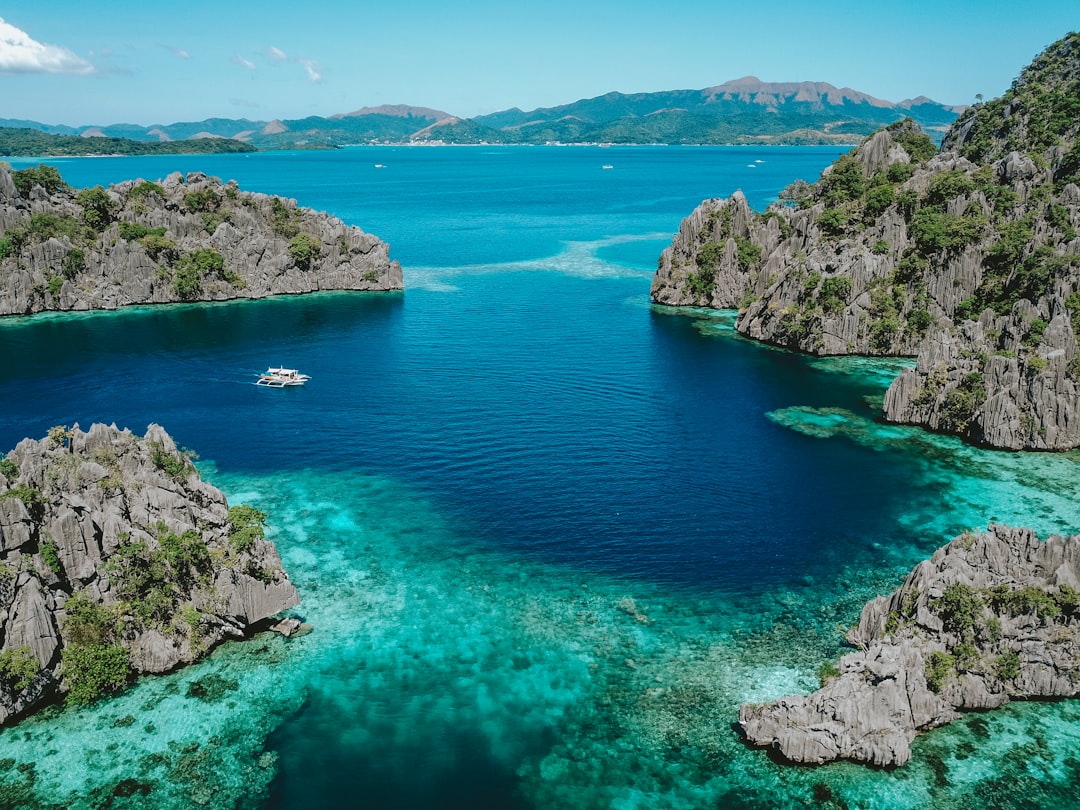
The Philippines is made up of more than 7,000 islands, each one a potential paradise for travelers. Safety concerns have lingered due to isolated incidents in some parts of the country, but major tourist hubs like Palawan, Boracay, and Cebu are among the safest in Southeast Asia. The Philippine Department of Tourism reported a 20% increase in international arrivals in 2024, crediting improved safety protocols and tourist-focused policing. Local authorities have invested in lifeguards, emergency response teams, and multilingual help desks at airports and ferry terminals. Most visitors say they feel completely at ease, whether snorkeling with turtles or exploring bustling city markets. Hotels and resorts have adopted international safety standards, giving travelers extra peace of mind. The only real risk is never wanting to leave after experiencing the islands’ beauty and hospitality.