
The Shocking Truth About April 14, 1865
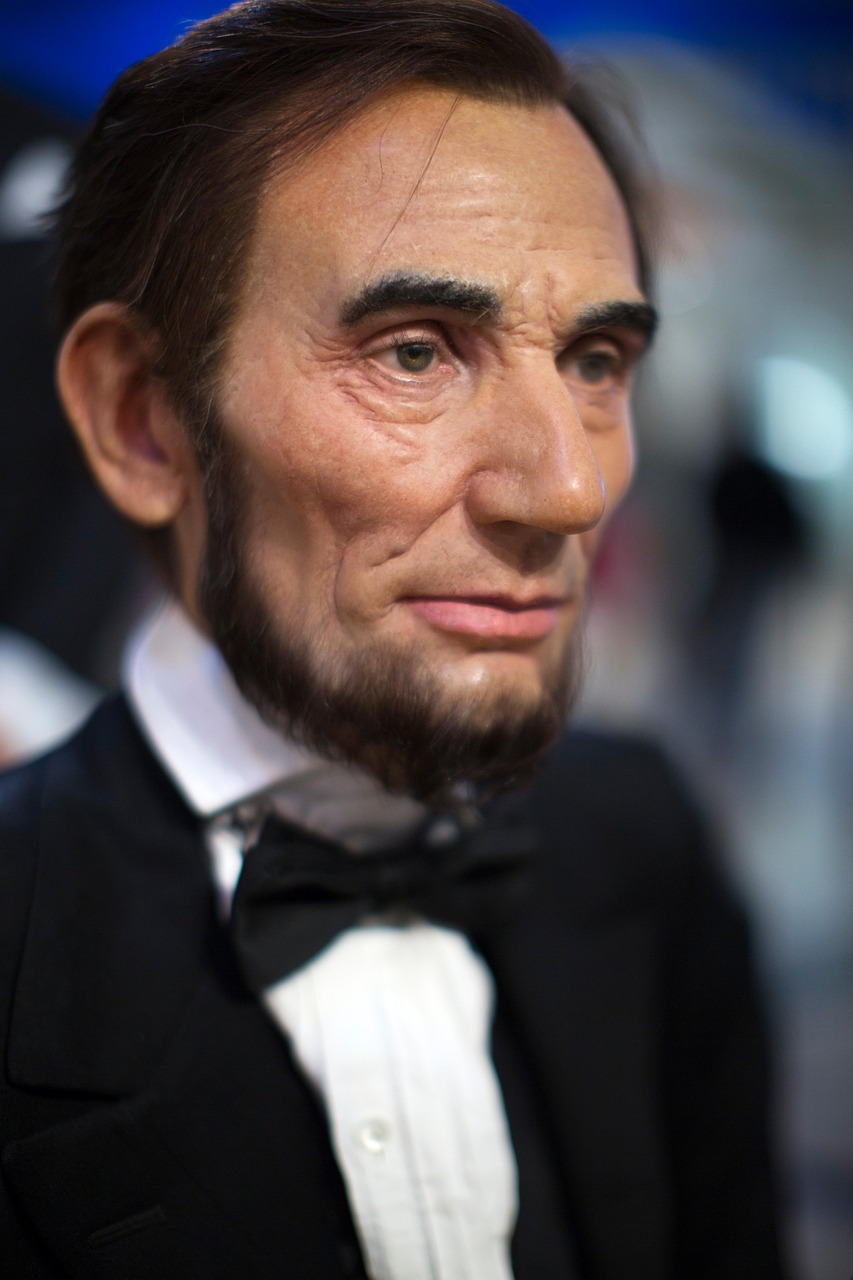
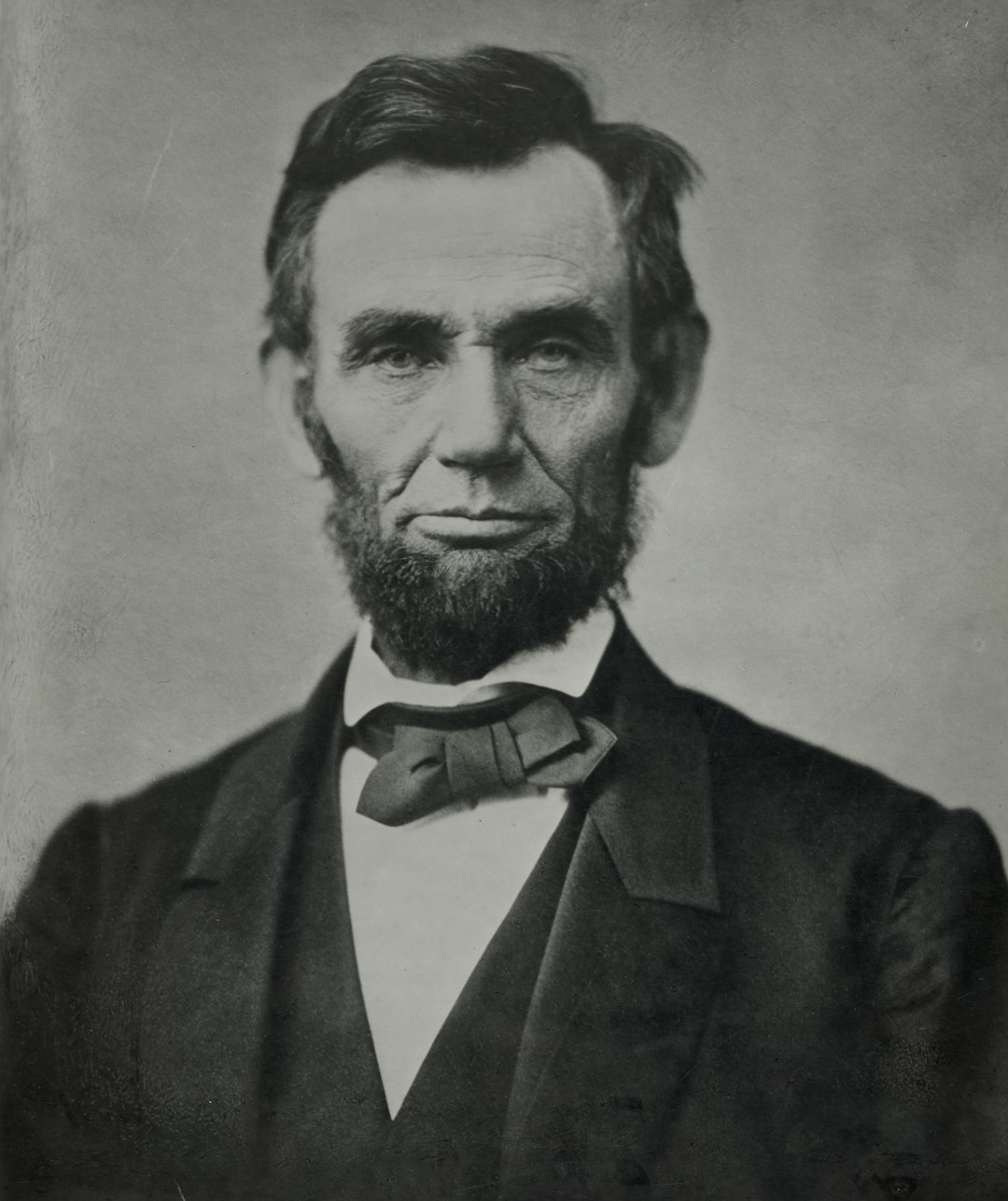
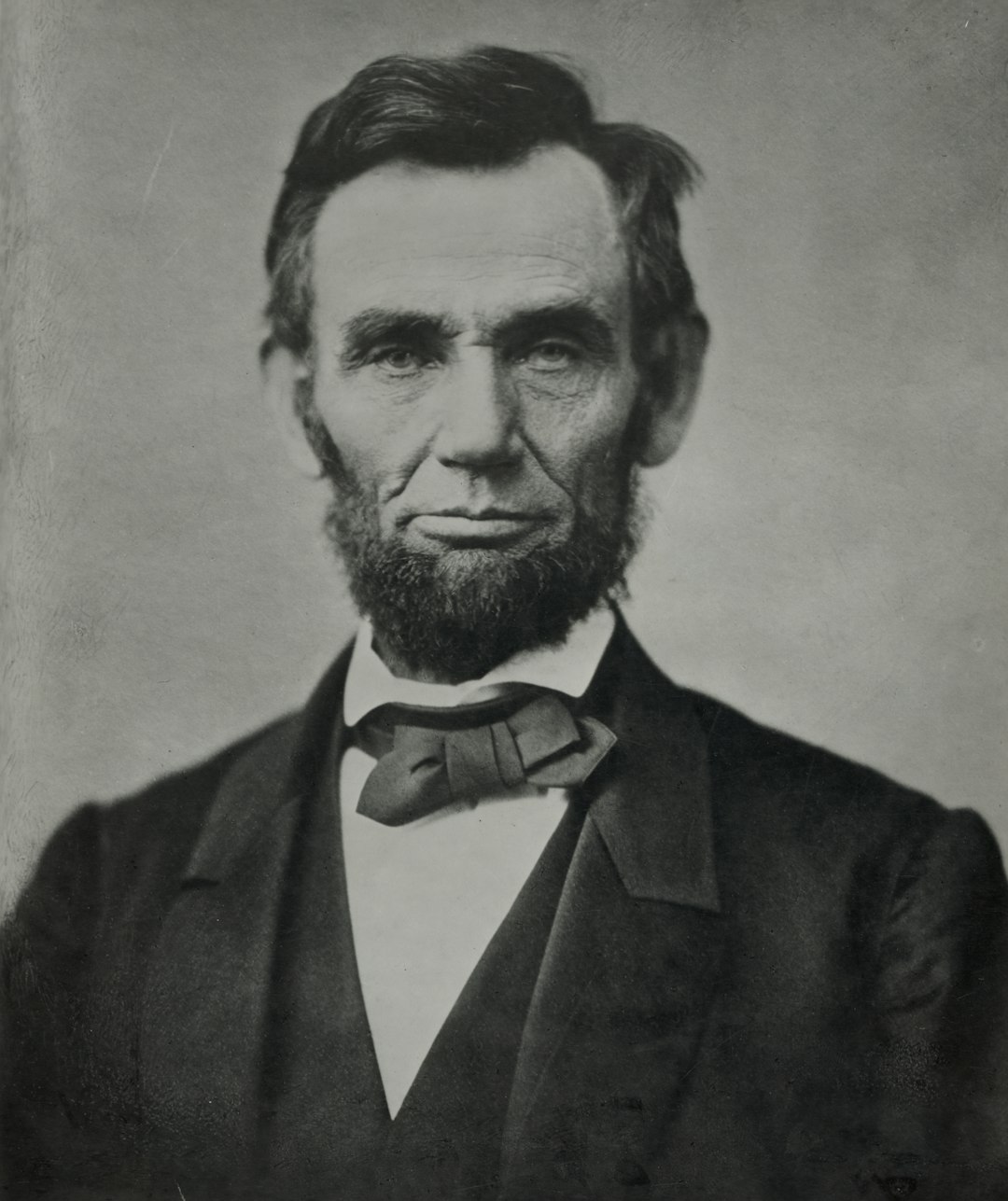
Picture this: on the very morning President Abraham Lincoln would be shot dead at Ford’s Theatre, he was signing legislation to create the most famous protective agency in American history. Abraham Lincoln established the Secret Service on April 14, 1865, the same day he was assassinated by John Wilkes Booth. The irony hits like a sledgehammer – Lincoln created an agency that would one day protect presidents, but it came too late to save his own life. Protection of the President wasn’t added to the Secret Service’s duties until 36 years later, after the assassination of two more Presidents – James A. Garfield and William McKinley. What started as Lincoln’s last official act became a legacy that would reshape American security forever. The Secret Service was originally created in July 1865 to combat counterfeiters, and its job of protecting the president became full-time after President William McKinley’s assassination in 1901.
America’s Money Crisis Was Out of Control
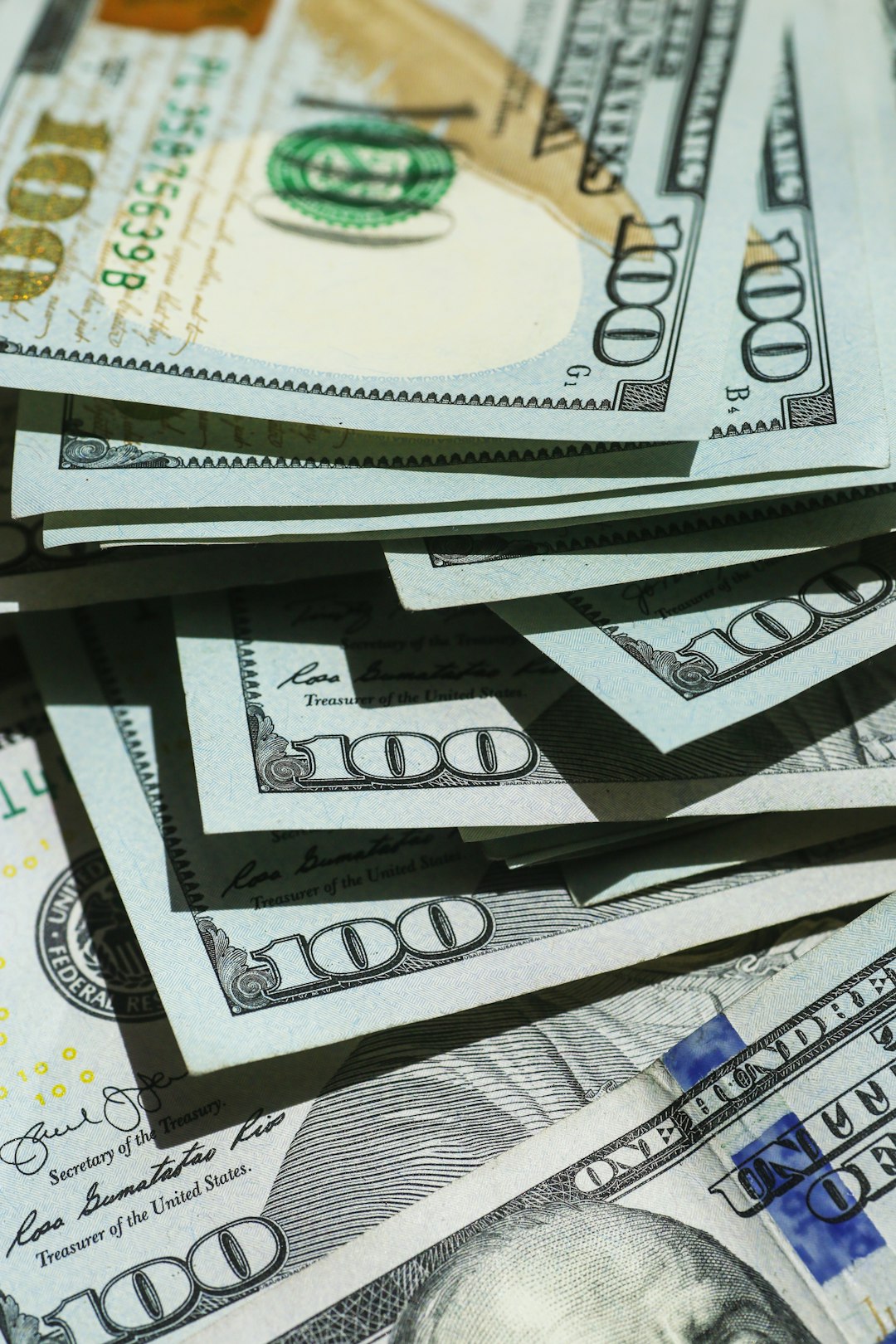
The United States in 1865 faced a counterfeiting epidemic that would make today’s cybercrime look like child’s play. By 1865, up to one-third or even one-half of American money in circulation was fake. Think about that for a second – if you reached into your wallet, there was a coin flip chance your money was worthless. Approximately 5,400 types of counterfeit bills circulated in the US by the 1860s because currency was issued by individual banks. Within a decentralized system of over 1,600 banks and many other financial institutions issuing their own currency, counterfeiters had a relatively easy task. The country was drowning in fake cash, and something had to be done before the entire economy collapsed.
The Man Behind Lincoln’s Final Decision
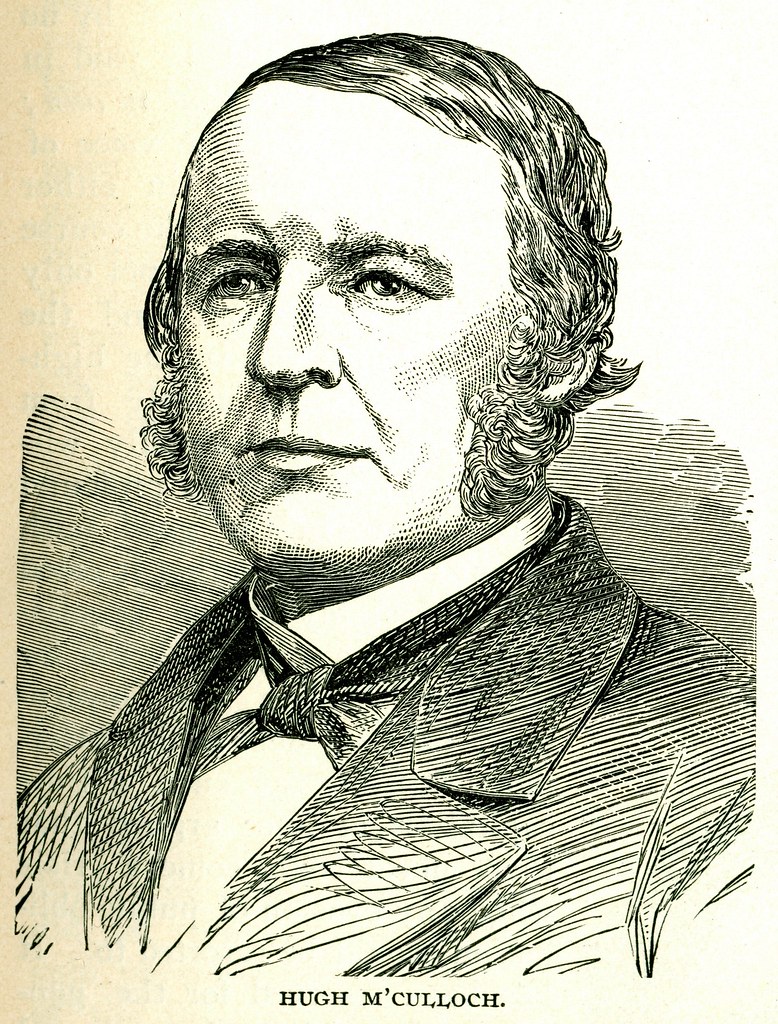
Hugh McCulloch became President Lincoln’s Secretary of the Treasury in 1865 and continued in office under President Andrew Johnson. McCulloch wasn’t just some bureaucrat – he was a banking expert who understood the magnitude of America’s counterfeit crisis. Treasury Secretary Hugh McCulloch came up with a solution—a “regular permanent force whose job it [would] be to put these counterfeiters out of business”. On the advice of Secretary of the Treasury Hugh McCulloch, President Lincoln established a commission to stop this rapidly growing problem that was destroying the nation’s economy, and on April 14, 1865, he created the United States Secret Service to carry out the commission’s recommendations. McCulloch’s influence on Lincoln during those final days proved crucial for American financial security.
Lincoln’s Last Day Was Eerily Cheerful
One of President Lincoln’s last White House meetings on April 14, 1865 was with McCulloch, who later wrote: “I never saw Mr. Lincoln so cheerful and happy as he was on the day of his death”. McCulloch later remarked that on the morning of Lincoln’s assassination, “I never saw Mr. Lincoln so cheerful and happy…The burden which had been weighing upon him for four long years, and which he had borne with heroic fortitude, had been lifted; the war had been practically ended; the Union was safe”. The Civil War was essentially over, and Lincoln felt the weight of the world lifting from his shoulders. As he was about to leave the White House, Abraham Lincoln took him by the hand and said: “We must look to you, Mr. Secretary, for the money to pay off the soldiers”, to which he replied: “I shall look to the people… they have not failed us thus far, and I don’t think they will now”. A few hours later, he saw the president becoming unconscious and saw him dying.
The Secret Service Officially Launched Three Months Later

While Lincoln signed the authorization on April 14th, the agency didn’t actually begin operations until later. The Secret Service Division was formed on July 5, 1865 as part of the Department of the Treasury. Chief William P. Wood was sworn in as the first Secret Service chief (now known as “director”) by Secretary of the Treasury Hugh McCulloch. As such, the department was officially formed as part of the Department of Treasury, on July 5, 1865. The timing meant Lincoln’s vision took shape during the chaos following his assassination, when the nation desperately needed stability and security in every form possible.
William Wood Was No Ordinary Government Employee
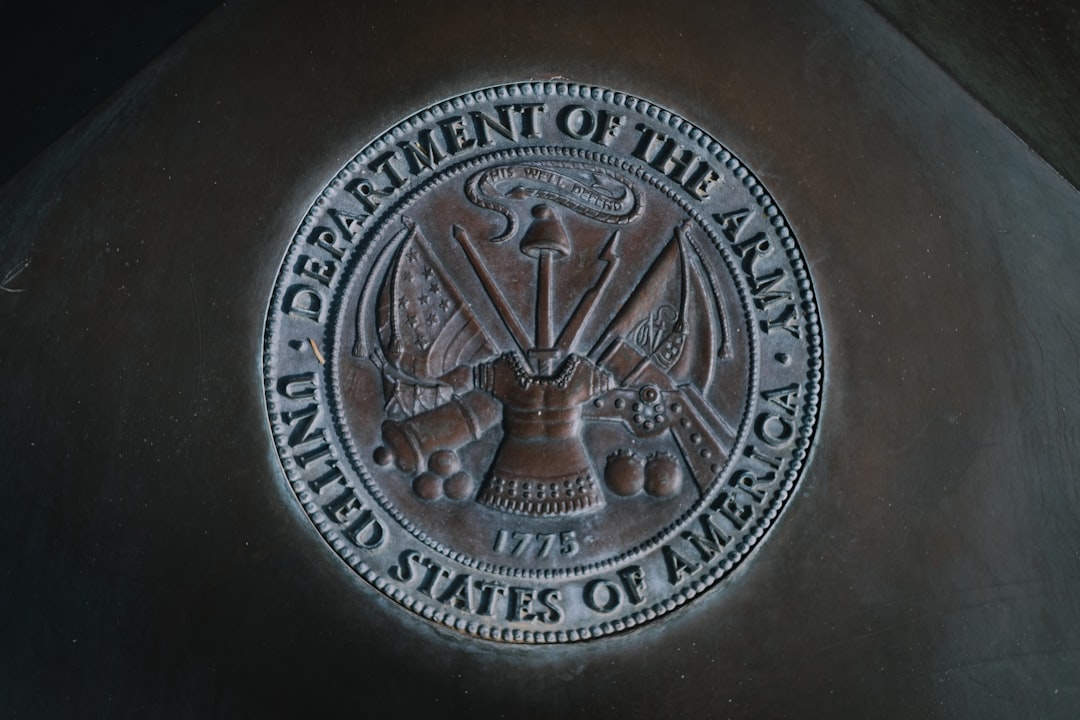
William P. Wood was a soldier in the United States Army during the Mexican–American War and was the first chief of the United States Secret Service. But Wood’s resume reads like an adventure novel. In the years leading up to the Civil War, Wood was a conductor on the Underground Railroad, helping hundreds of former slaves escape to New England and Canada. Wood led drills and helped write a book of military tactics in preparation for John Brown’s raid on Harpers Ferry, but ultimately objected to crossing state lines under arms and withdrew from the raid. In mid-July 1861, Wood was appointed by Secretary of War Edwin Stanton to be superintendent of the military prisons of the District of Columbia, principally the Old Capitol Prison. He remained in that role until resigning on June 30, 1865. Five days later, he became America’s first Secret Service chief.
Wood’s Incredible First Year Success Rate
Chief Wood, widely known for his heroism during the Civil War, was very successful in his first year, closing more than 200 counterfeiting plants. That’s roughly four counterfeiting operations shut down every week – an absolutely staggering success rate for a brand-new agency. Wood headed the position when counterfeiting was extremely prominent in the United States, and he is well known for his success in catching over 200 counterfeiters during his four-year tenure. At the helm of the Secret Service, Wood successfully put the kibosh on some of the most successful counterfeiting schemes of his day; he was responsible for stopping William Brockway, a former chemistry student with copious knowledge on how to fake government bonds. Wood’s unconventional background as a prison superintendent and Underground Railroad conductor gave him exactly the skills needed to hunt down financial criminals.
The Secret Service Had Broader Powers Than You’d Expect
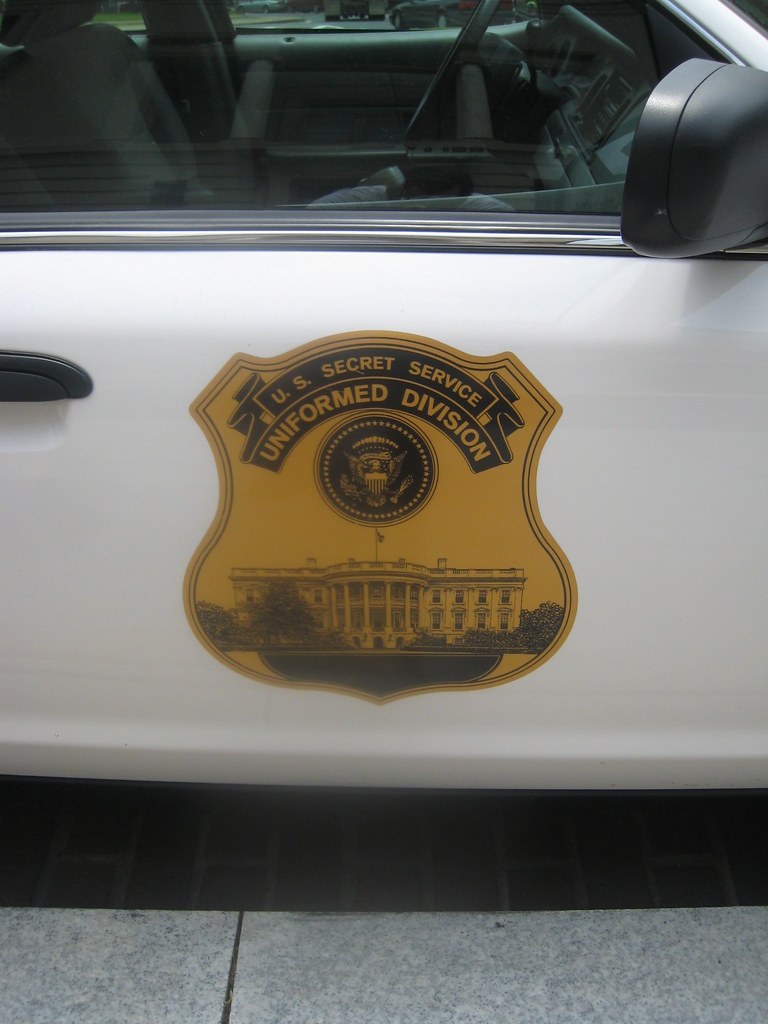
Secret Service responsibilities broadened to include “detecting persons perpetrating frauds against the government”. The agency wasn’t just chasing counterfeiters – they became federal crime fighters on a massive scale. This appropriation resulted in investigations into the Ku Klux Klan, nonconforming distillers, smugglers, mail robbers, land frauds and a number of other infractions against federal laws. Wood is also known for having secured documents needed to break the Credit Mobilier scandal, the infamous case of railroad-related graft that spawned the creation of modern insider-trading laws. The Secret Service was becoming America’s premier federal investigative force, tackling everything from terrorism to corporate fraud decades before the FBI even existed.
Presidential Protection Wasn’t Even on the Radar
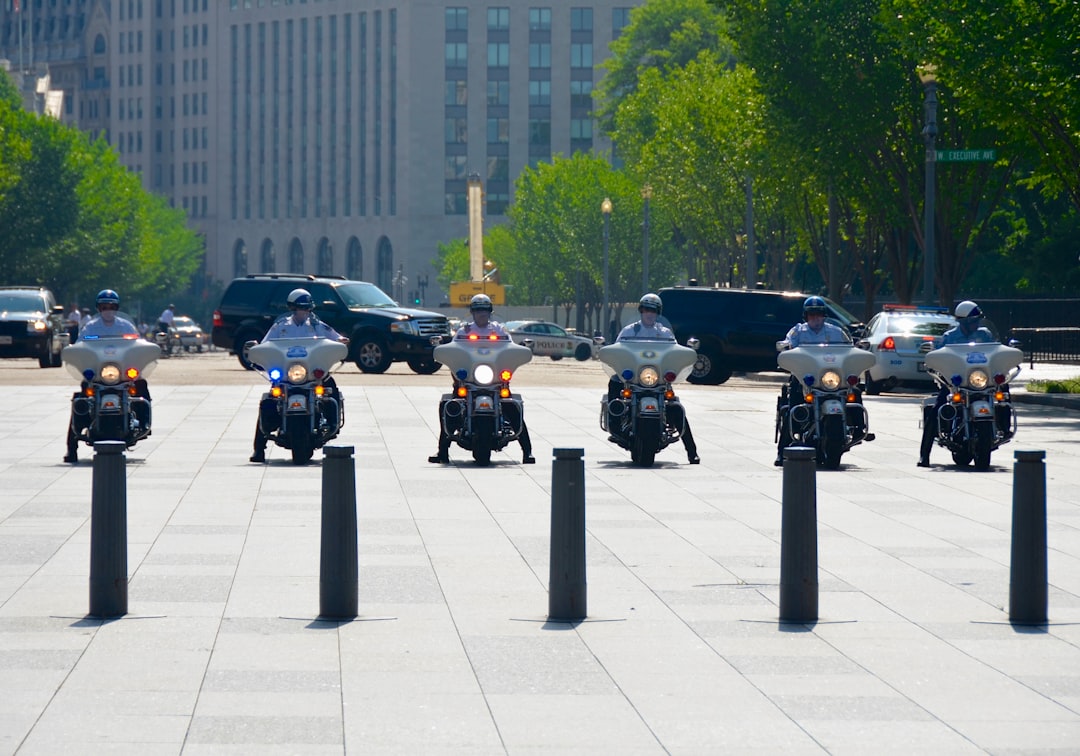
Though presidential security tightened after Lincoln’s death, the Secret Service he authorized wasn’t originally intended to guard the president at all. In fact, it had a much more mundane mission: investigate and stop counterfeit money. The Secret Service wasn’t initially created to protect the president but was to combat counterfeiting. However, the assassination of President Abraham Lincoln provoked a debate about adding Presidential protection to the list of duties performed by the Secret Service. It’s mind-boggling to think that Lincoln created an agency that could have saved his life, but nobody connected those dots for another 36 years. While Lincoln’s assassination sparked a discussion about the need for a permanent security detail for the President, this need went unfulfilled for decades. In the interim period, both James Garfield (1881) and William McKinley (1901) were assassinated. The latter caused Congress to work toward a solution, and, informally, Presidential security became a duty of the Service starting with McKinley’s successor, Theodore Roosevelt.
The Counterfeiting Problem Was Even Worse Than You Think
When the Civil War erupted, perhaps as much as half of the paper notes in circulation were counterfeit. Shortly after the Civil War, it was estimated that one third to one half of the nation’s currency was counterfeit. Some estimates push the numbers even higher. According to some estimates, as much as 40 percent of the money in circulation in the United States was counterfeit. At the time of the end of the Civil War, it’s estimated that one-third of all the currency in the U.S. was counterfeit. It was estimated that at the time around one third to half of the money in the United States was counterfeit. These weren’t small-time operations either – counterfeiting had become an industrial-scale threat to American democracy itself.
Lincoln’s Bodyguard Abandoned His Post
The ultimate tragedy is that Lincoln actually had protection that fateful night, but it failed spectacularly. He refused personal protection until the end of the war when he finally agreed to allow four Washington police officers to act as his bodyguards. President Lincoln was unprotected since his bodyguard John F. Parker of the Washington police went to a nearby saloon for a drink. Parker’s dereliction of duty left the President completely vulnerable when John Wilkes Booth struck. John Wilkes Booth managed to make his way to Lincoln’s box and shot him in the back of the head. President Abraham Lincoln died the next morning. If the Secret Service had existed and been assigned to protect Lincoln, American history might have been completely different.
The Irony That Still Haunts History
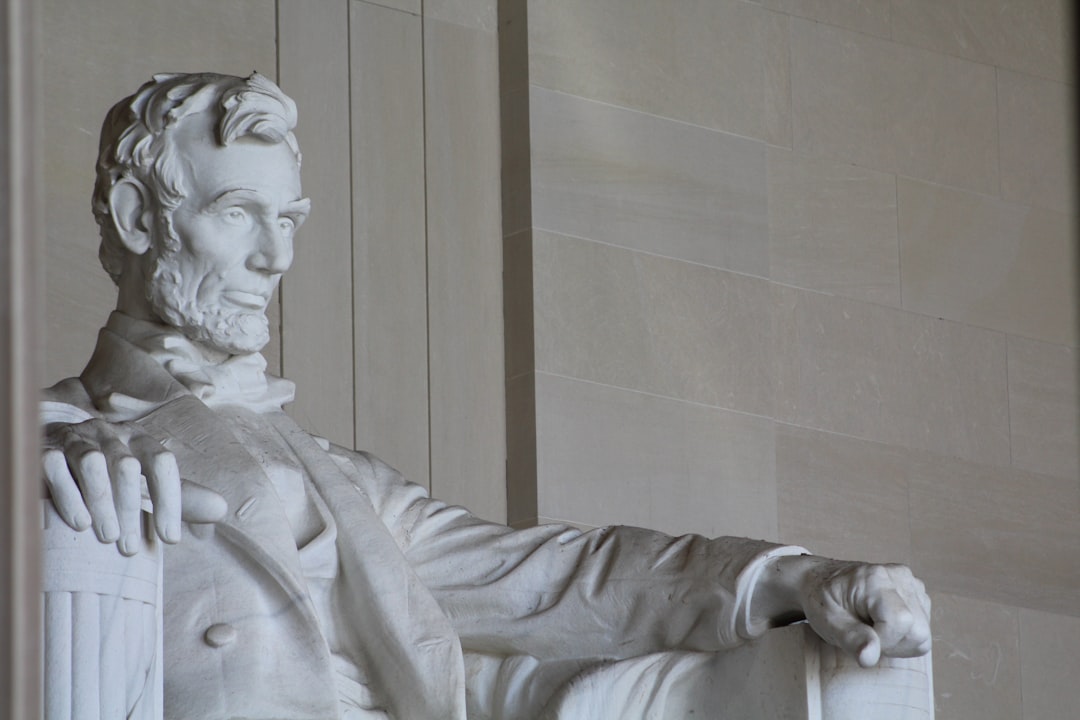
The formation of the Secret Service and the assassination of Lincoln have long been intertwined, leaving some to wonder why Lincoln wasn’t protected after signing the agency into existence. On April 14, 1865, one of President Abraham Lincoln’s last acts was signing a bill authorizing the Secret Service. Ironically President Lincoln signed the legislation on the same day which he would later be assassinated on, by John Wilkes Booth and the Secret Service would not be being assigned to help protect the United States President until 36 years after. The cosmic irony is almost too much to believe – Lincoln created the agency that would have saved his life, but it came into existence on the exact day he died. It was the first time in the history of United States that a President had been assassinated. Lincoln’s death became the catalyst for everything that followed, including the eventual expansion of Secret Service duties to include presidential protection.
Wood’s Controversial End and Lasting Legacy
He left the agency after a dispute over reward money. He died penniless, although a bill was in Congress at the time to secure the reward money was due. Wood was sworn in July 5, 1865 and resigned from the position in 1869. Despite his incredible success in establishing the Secret Service as a formidable law enforcement agency, Wood’s career ended in disappointment and financial ruin. In 2001, retired Secret Service agents raised money for a monument to mark his grave and bring attention to his achievements. McCulloch was the last surviving member of the Lincoln cabinet. The men who witnessed Lincoln’s final day and implemented his last great idea lived to see how profoundly it would change American government and security.
Lincoln’s creation of the Secret Service on the day he died remains one of history’s most haunting coincidences. That morning, a president signed legislation for an agency designed to protect America’s financial system. That evening, he became the first president to die from an assassin’s bullet. The irony cuts deep – but from that tragic day emerged an institution that has protected every president since 1901. Sometimes the most important legacies come from our final acts.