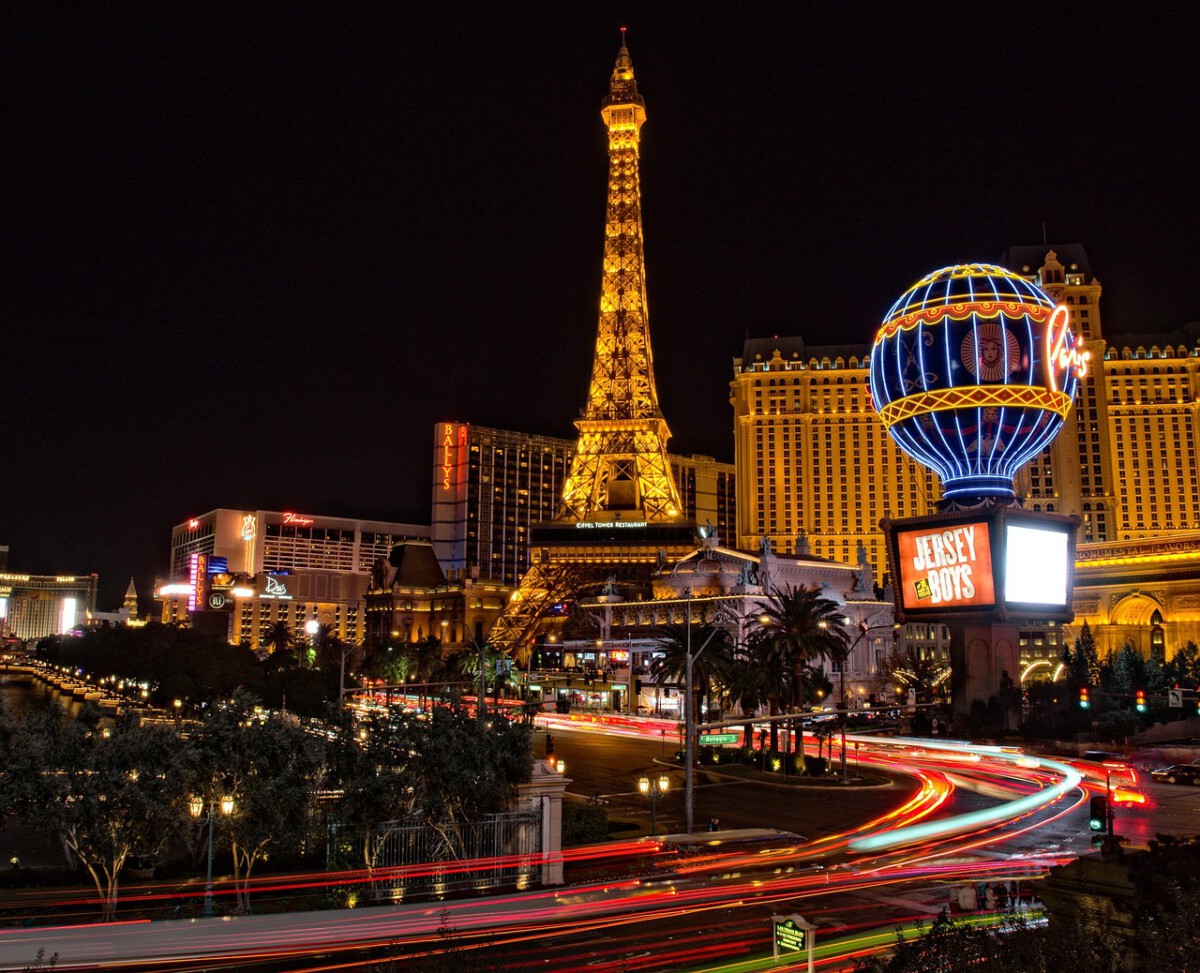

Las Vegas, the city that never sleeps, is now wide awake to a new challenge. The hospitality industry, which forms the backbone of this vibrant city, is grappling with increased costs due to tariffs. Imagine planning a lavish dinner or a grand hotel renovation, only to find that the costs have soared unexpectedly. This is the reality faced by many businesses in Las Vegas today. With tariffs impacting a range of goods, from food to construction materials, the industry is at a crossroads, trying to maintain its allure while managing rising expenses.
Understanding Tariffs and Their Impact
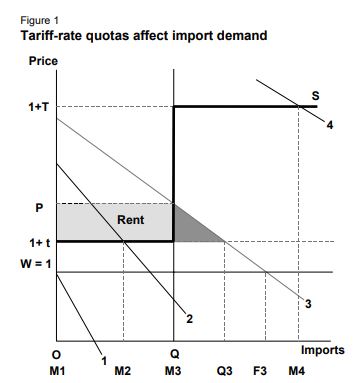
Tariffs might sound like a term reserved for economists, but their effects are felt by everyone, especially in the bustling hospitality sector of Las Vegas. Simply put, tariffs are taxes on imports, and they act like a ripple in a pond. When foreign goods become more expensive, businesses have to pay more, and these costs often trickle down to consumers. For Las Vegas, this means higher prices for everything from the steak on your plate to the décor in your hotel room. Businesses are now in a bind, having to make tough choices about where to cut back or how much to charge guests.
Rising Costs of Goods and Services

The shockwave of tariffs is most palpable in the rising costs of goods and services. Picture a restaurant owner who suddenly finds that the cost of imported wine or specialty cheese has skyrocketed. This scenario is playing out across the city, with hotels and restaurants facing higher bills for items they once purchased at a fraction of the cost. Tariffs on steel and aluminum, for instance, have made construction and renovation pricier, crucial for maintaining the city’s appeal. The result? Businesses are often left with no choice but to pass these costs onto their customers, making a night out in Las Vegas more expensive than before.
Consumer Behavior Changes
As prices climb, so does consumer caution. Visitors to Las Vegas, who once splurged without a second thought, are now more mindful of their spending. This shift in behavior is prompting businesses to rethink their strategies. Instead of hoping that customers will simply absorb the higher costs, many establishments are introducing loyalty programs and enticing deals. It’s a delicate dance, trying to lure customers with value while ensuring the bottom line remains healthy. The challenge is keeping Las Vegas attractive to both high-rollers and those on a tighter budget.
The Role of Local Suppliers
In a bid to combat the effects of tariffs, some businesses are turning inward, looking to local suppliers. By sourcing goods closer to home, they hope to sidestep the tariff-induced price hikes. This approach not only helps manage costs but also supports the local economy, creating a win-win situation. However, relying solely on local suppliers can be tricky. They may not have the capacity to meet the demands of a bustling city like Las Vegas, or they might lack the variety that tourists expect. It’s a balancing act, with businesses constantly weighing the benefits and drawbacks.
Innovations and Adaptations

Necessity is the mother of invention, and the hospitality industry in Las Vegas is proving this adage true. Faced with increased costs, many businesses are getting creative. Some are streamlining their menus, focusing on dishes that use locally sourced ingredients. Others are investing in technology, finding ways to enhance customer experiences while improving efficiency. These changes are not just about survival; they’re about staying competitive in a challenging market. By embracing innovation, Las Vegas hopes to maintain its status as a premier destination, even in the face of adversity.
The Future of the Hospitality Industry

Looking ahead, the road for Las Vegas’s hospitality industry is paved with both challenges and opportunities. Those businesses that can adapt to the new economic landscape stand a better chance of thriving. As tariffs continue to influence costs, the industry is likely to see shifts in consumer preferences and market dynamics. There may be growth in new segments, as businesses find creative ways to meet the evolving needs of their customers. It’s a future that requires flexibility, foresight, and a willingness to embrace change.
Government Support and Policy Changes

In this battle against rising costs, government intervention could be a game-changer. By advocating for tariff reductions or exemptions on essential goods, policymakers could provide much-needed relief to the hospitality industry. Local and state governments might also consider support programs aimed at easing the burden on businesses. These measures could help sustain operations and protect jobs, ensuring that Las Vegas remains a vibrant hub for tourism and entertainment.
Conclusion
The hospitality industry in Las Vegas stands at a pivotal moment. As it grapples with increased costs amid tariffs, the focus is on innovation, local sourcing, and customer engagement. By navigating these challenges effectively, the industry can emerge more resilient, ensuring that Las Vegas continues to dazzle visitors from around the world. The question remains: how will these changes shape the future of this iconic city?