
Christopher Columbus Never Actually “Discovered” America
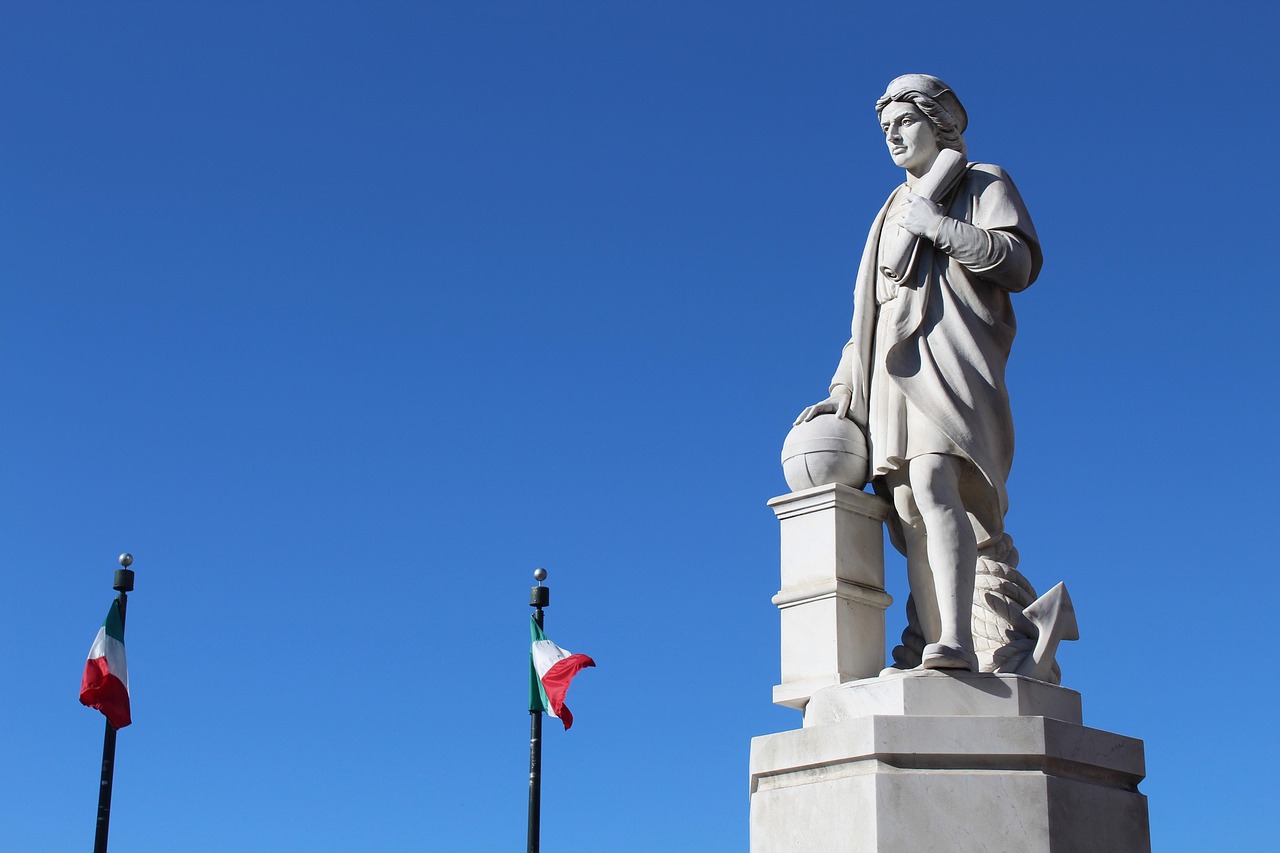
One of the biggest misconceptions in American history is that Christopher Columbus discovered America in 1492. Columbus did not discover America; people lived there for at least 15,000 years before him, and even if you were to overlook the not-so-minor fact that millions of people were already living in the Americas in 1492, the fact is that Columbus never set foot on the shores of North America. Leif Eriksson is the first European believed to have sailed to North America, having reached Canada 500 years before Columbus set sail to the west, and let’s ignore that whole Leif Ericson voyage to Greenland and modern-day Canada around 1000 C.M.E.. In fact, October 12 marks the day of his arrival to the Bahamas, and what Columbus “discovered” was the Bahamas archipelago and then the island later named Hispaniola, now split into Haiti and the Dominican Republic. The myth persists partly because the early United States needed a founding figure who wasn’t connected to Britain, so they chose Columbus over John Cabot who actually reached North American shores. Mexican philosopher and historian Edmundo O’Gorman explicitly rejects the Columbus discovery myth, arguing that the idea that Columbus discovered America was a misleading legend fixed in the public mind through the works of American author Washington Irving during the 19th century.
The Salem Witch Trials Were Not Just About Women Being Burned
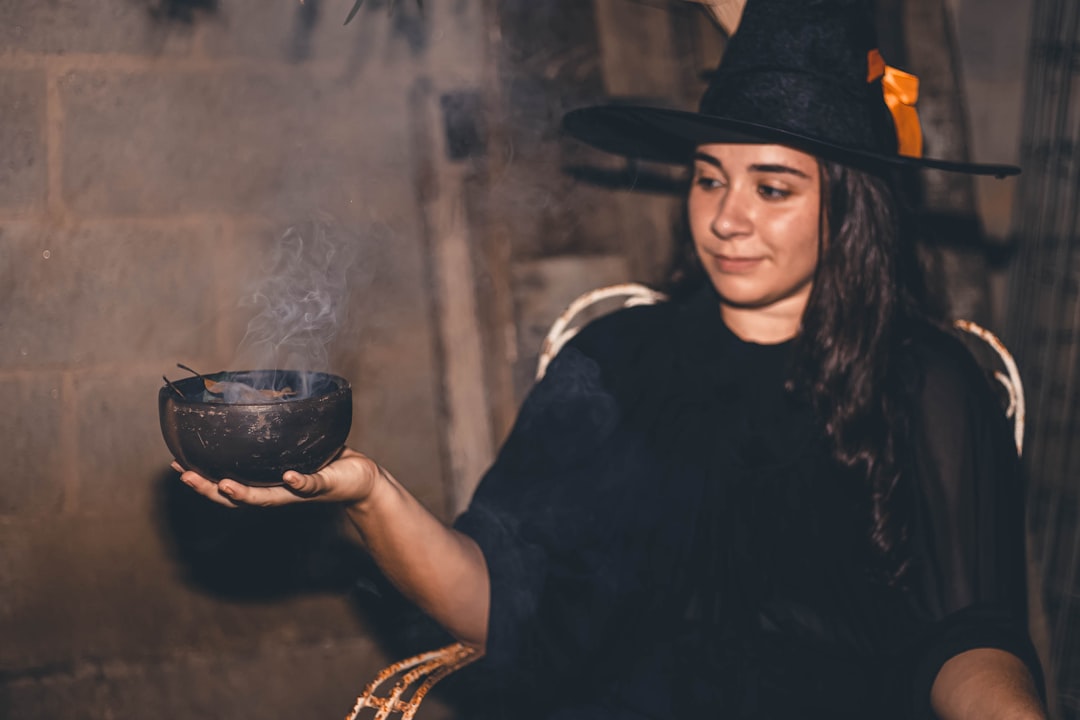
There were no green-faced women in pointy hats stirring cauldrons and casting spells in Salem in colonial times. You’d be hard-pressed to name a famous male witch (Gandalf, Harry, Merlin, and other magical men are generally referred to as wizards), so it may come as a surprise to learn that some of the accused witches in Salem were actually men. A total of six men were accused during the trials. The Salem witch trials (1692–93) were a series of investigations and persecutions that caused 19 convicted ‘witches’ to be hanged and many other suspects to be imprisoned in Salem Village in the Massachusetts Bay Colony. Thirty people were found guilty, nineteen of whom were executed by hanging (fourteen women and five men). None of the accused were actually burned at the stake, which is another common misconception. However, the actual percentage of the accused who were killed was much smaller than is widely assumed. However, out of a total of 200 people accused, only between 140-150 were arrested. Out of this group, 20 would be actually executed; the rest were never indicted, managed to escape, or were pardoned.
The Boston Tea Party Wasn’t About Higher Taxes

Contrary to popular belief, the 1773 protest opposed a tax break, not a tax hike. And it didn’t immediately unify the colonies against the British. The Boston Tea Party wasn’t about higher taxes. It was America’s first response to too big to fail. The East India Company was given special privileges that allowed them to undercut local merchants, creating an unfair monopoly rather than imposing new taxes. The Boston Tea Party was audacious, and it struck at British cronyism. It is an illustration of the dangers of government favoritism. The colonists weren’t just upset about taxation without representation – they were angry about corporate favoritism that threatened their local businesses. Many colonists actually saw the Tea Party as destructive vandalism rather than heroic resistance, and it took time for it to become the symbol of American defiance we know today.
George Washington’s Teeth Were Not Made of Wood
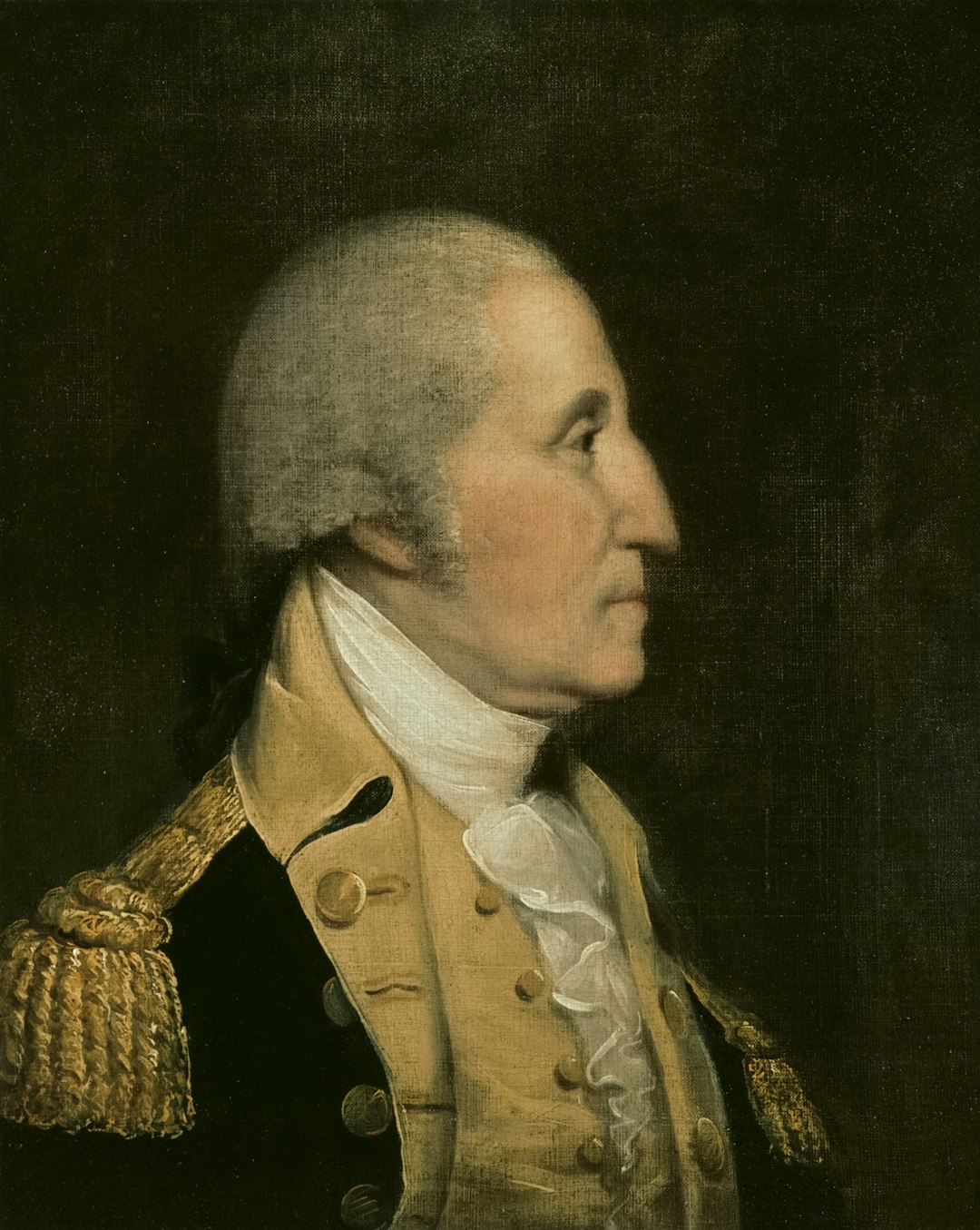
Did George Washington have wooden teeth? This is one of the most persistent myths about our first president, but it’s completely false. Washington did suffer from severe dental problems throughout his life and wore dentures, but they were made from a combination of human teeth, animal teeth, and ivory – never wood. The wooden teeth story likely arose because his dentures would stain over time, giving them a grainy, wood-like appearance. By the time he became president, Washington had only one natural tooth remaining. His dental problems were so severe that they affected his speech and contributed to his reluctance to speak in public. The myth has been so widespread that even some history textbooks have repeated it, showing how easily historical fiction can become accepted as fact.
The Pilgrims Didn’t Land at Plymouth Rock
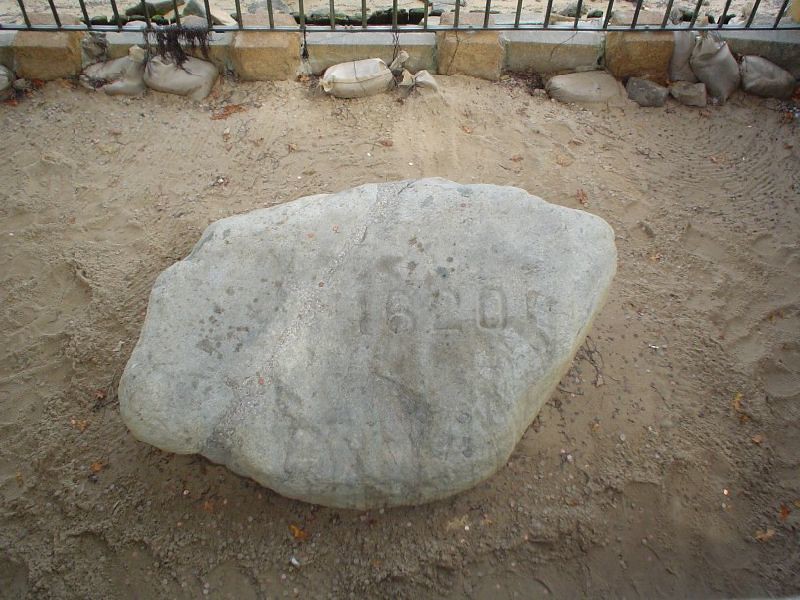
The story of the Pilgrims landing at Plymouth Rock in 1620 is largely a fabrication that didn’t appear until over a century later. There’s no contemporary account from the Mayflower passengers mentioning Plymouth Rock at all. The story was first told in 1741 by 95-year-old Thomas Faunce, who claimed his father had told him the Pilgrims landed there. But Faunce’s father arrived in Plymouth three years after the Mayflower, making his account secondhand at best. The Pilgrims actually spent several weeks exploring the coast before settling, and they likely came ashore at multiple points. Plymouth Rock itself is just a boulder that may not have even been at the shoreline in 1620. The rock has been moved several times, broken in half, and even used as a doorstep for a while. Despite being one of America’s most famous historical landmarks, it’s essentially built on a story that was told 121 years after the supposed event by someone who wasn’t there.
Paul Revere Didn’t Yell “The British Are Coming!”
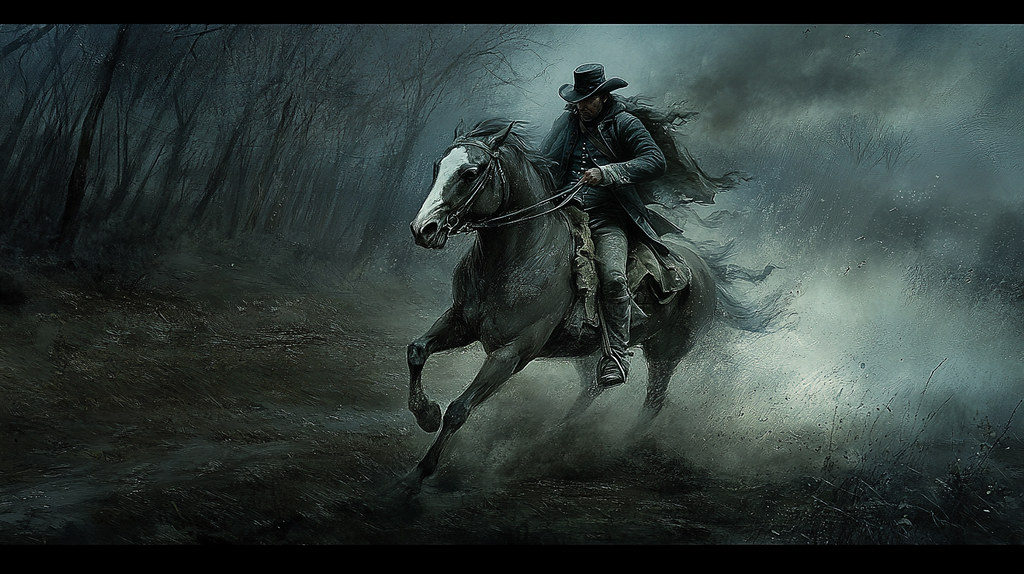
The famous phrase “The British are coming!” that we associate with Paul Revere’s midnight ride was never actually shouted by him or anyone else that night. This would have made no sense since the colonists still considered themselves British subjects at the time. If Revere had shouted anything, it would have been “The Regulars are coming!” or “The King’s troops are coming!” referring to the regular army. The dramatic version we know comes largely from Henry Wadsworth Longfellow’s 1861 poem “Paul Revere’s Ride,” written during the Civil War to inspire Union patriotism. In reality, Revere’s mission was a secret one, and shouting would have defeated the purpose entirely. He rode quietly from house to house, whispering warnings to specific individuals. Revere was also captured by British patrols before completing his ride, so he never made it to Concord. The real hero who completed the mission was Dr. Samuel Prescott, but his name doesn’t have the same poetic ring.
Thomas Jefferson Didn’t Invent American Ice Cream
Jefferson did not bring ice cream to America from France, as is often reported, though he was a fan of the confection. An often-repeated myth which can be found with relative ease on websites and in books is that Thomas Jefferson first encountered ice cream in France, and was so enamored of the dessert that he brought it to America where he made it popular. Ice cream was known in America at least six decades before Jefferson’s first mission to France. Recipes were printed in New York and Philadelphia, and it could be purchased at confectioners, including in Jefferson’s Virginia. It is true that Jefferson loved ice cream and served it often as President, but so did Washington before him. Another myth regarding Jefferson and gastronomy is that he also brought back both the dish we know as macaroni and cheese and parmesan cheese to the United States. Macaroni was well known in America, the word had even become slang for a fancily dressed fop (remember Yankee Doodle). Jefferson did help popularize certain French cooking techniques and ingredients, but he didn’t introduce ice cream to America.
Independence Was Declared on July 2nd, Not July 4th
America actually voted for independence from Great Britain on July 2, 1776. The Declaration of Independence, as written by Thomas Jefferson, was subjected to lengthy and to Jefferson’s personally difficult debate in the Continental Congress. He suggested the means of celebration, including, “Pomp and Parade with shews, Games, Sports, Guns, Bells, Bonfires and Illuminations”, though the nation as a whole selected July 4 – the date on the revised copy – rather than July 2 as Independence Day. John Adams himself predicted July 2nd would be celebrated as America’s independence day, writing to his wife Abigail that it would be “celebrated by succeeding generations as the great anniversary festival.” The Continental Congress actually approved the final wording of the Declaration on July 4th, which is why that date appears on the document. Most delegates didn’t even sign it until August 2nd. By the way, another Founder and former President, James Monroe, also died on the Fourth of July, five years after Adams and Jefferson succumbed on that date. The July 4th date stuck because that’s what was printed on the copies distributed to the public.
Einstein Never Failed Mathematics in School
Did Einstein fail math? This is one of the most persistent myths about the famous physicist, but it’s completely untrue. Einstein himself once responded to this claim by saying, “By the time I was twelve, I had learned calculus.” The confusion likely stems from changes in the Swiss grading system. In Einstein’s time, 6 was the highest grade, but later the system was reversed to make 1 the highest grade. When people saw his report cards with grades of 6, they assumed he was failing, not realizing this was actually the top score. Einstein mastered differential and integral calculus before age fifteen and taught himself advanced mathematics. He did struggle with languages and non-scientific subjects, and he did clash with the rigid teaching methods of his schools, but mathematics was never his weakness. The irony is that this myth persists about one of history’s greatest mathematical minds, showing how easily false information can spread and stick.
The Wild West Wasn’t That Wild
Problem was, the West wasn’t empty territory; it had been inhabited for millennia. Thus, while the 1803 Louisiana Purchase nearly doubled the land area of the nascent country without a shot having been fired, that paper conquest was the catalyst to a centu. Many of their exploits were fabricated by storytellers. The image of the lawless Wild West with constant gunfights comes mainly from dime novels, Hollywood movies, and Buffalo Bill’s Wild West shows rather than historical reality. Most frontier towns were actually quite peaceful, with murder rates lower than many modern American cities. Consider sharpshooter Annie Oakley, who rose to stardom as the “Little Sure Shot” of Buffalo Bill’s Wild West show and became a role model for millions of Victorian-era girls. Sue Robinson rose from an itinerant life as a child performer in the California gold camps to become a nationally acclaimed stage actress. She instead worked hard to build up one of the biggest ranches in the region, earning the moniker “Cattle Queen of New Mexico.” There she made a fortune mining for gold and selling supplies to other prospectors. Many Western towns had strict gun control laws, requiring visitors to check their weapons with the sheriff. The famous “High Noon” gunfights were extremely rare, and most disputes were settled through the legal system or community mediation.
The Founding Fathers Weren’t All Christians
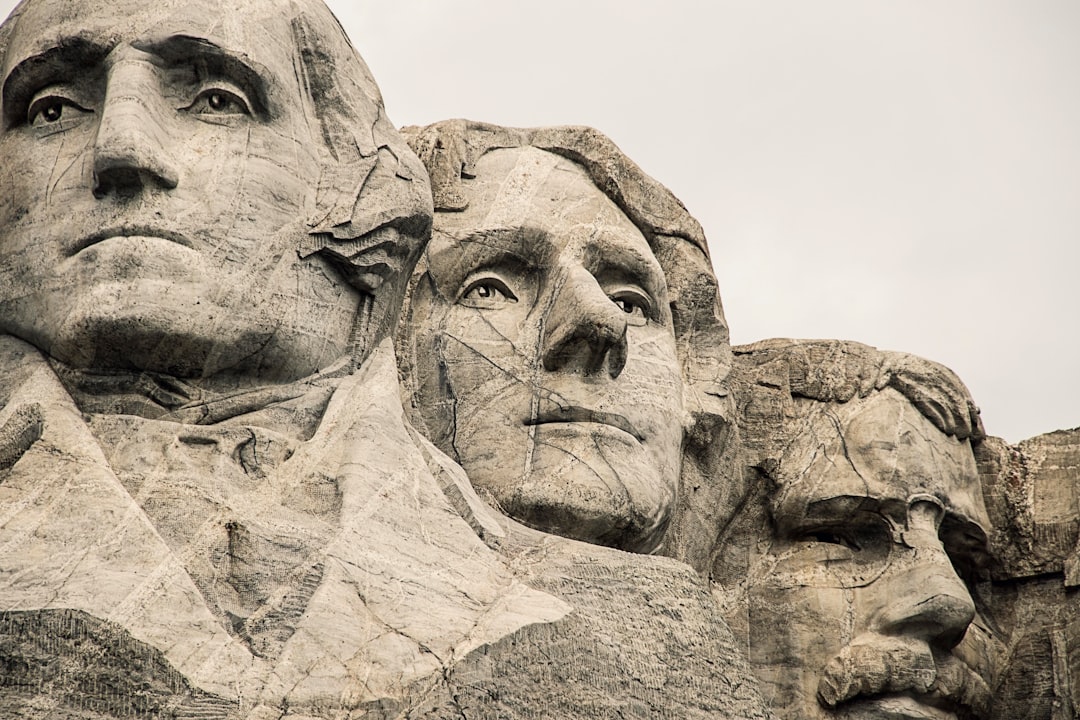
John Adams supported the Treaty with Morocco which explicitly denied the United States was founded as a Christian nation. The widespread belief that the Founders were Christians to a man is a false one, and the arguments often presented to support the belief are specious. Some cite Washington’s membership in the Episcopal Church in Alexandria as evidence, forgetting that in the Virginia colonial-era church membership and attendance were mandatory, as was tithing. Many of the key Founding Fathers were Deists, including Thomas Jefferson, Benjamin Franklin, and possibly George Washington. Deists believed in a creator God but rejected organized religion and Biblical miracles. Jefferson famously created his own version of the Bible by cutting out all supernatural elements, keeping only Jesus’s moral teachings. The Treaty of Tripoli, signed during John Adams’s presidency, explicitly stated that “the Government of the United States of America is not, in any sense, founded on the Christian religion.” While some Founders were indeed Christian, many others were skeptical of organized religion and deliberately designed a secular government with separation of church and state. The myth of a uniformly Christian founding has been used to support modern political arguments that the Founders never intended.
The Great Wall of China Can’t Be Seen From Space
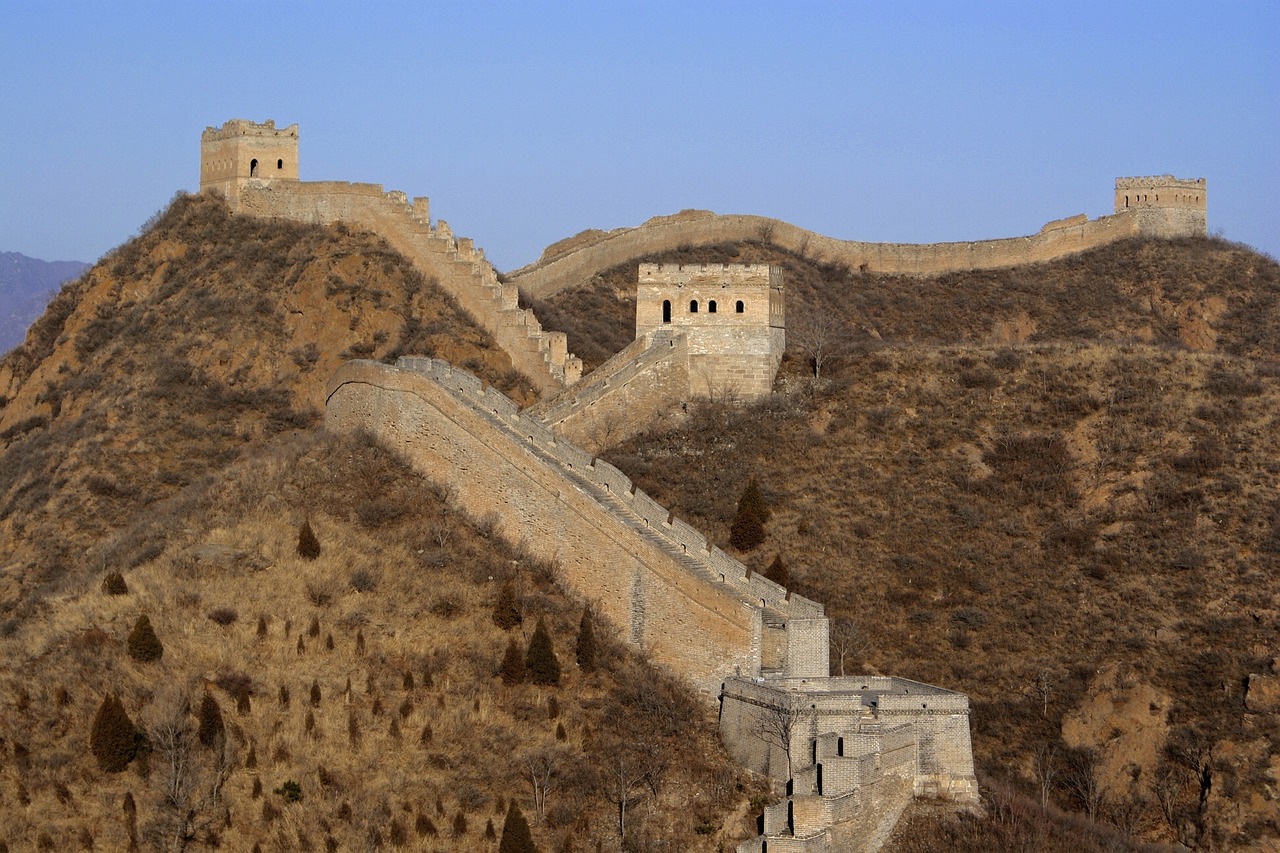
While this isn’t strictly American history, it’s worth including because it’s often taught in American schools and believed by many Americans. The Great Wall of China cannot be seen from space with the naked eye, despite what many textbooks claim. This myth has been repeated so often that it’s become accepted as fact. Astronauts who have been to space, including Neil Armstrong, have confirmed that the Great Wall is not visible from orbit without aid. From the International Space Station, many human-made structures are visible, including cities at night, but the Great Wall blends in with the natural landscape. The myth may have originated from a 1932 cartoon and was repeated in various educational materials throughout the 20th century. Even some Chinese sources promoted this false claim as a source of national pride. The reality is that while the Great Wall is an impressive feat of engineering, it’s not more visible from space than any other human-made structure of similar size. This shows how myths can persist even when they’re easily debunked by people who have actually been in the position to verify them.
The War of the Worlds Radio Broadcast Didn’t Cause Mass Panic
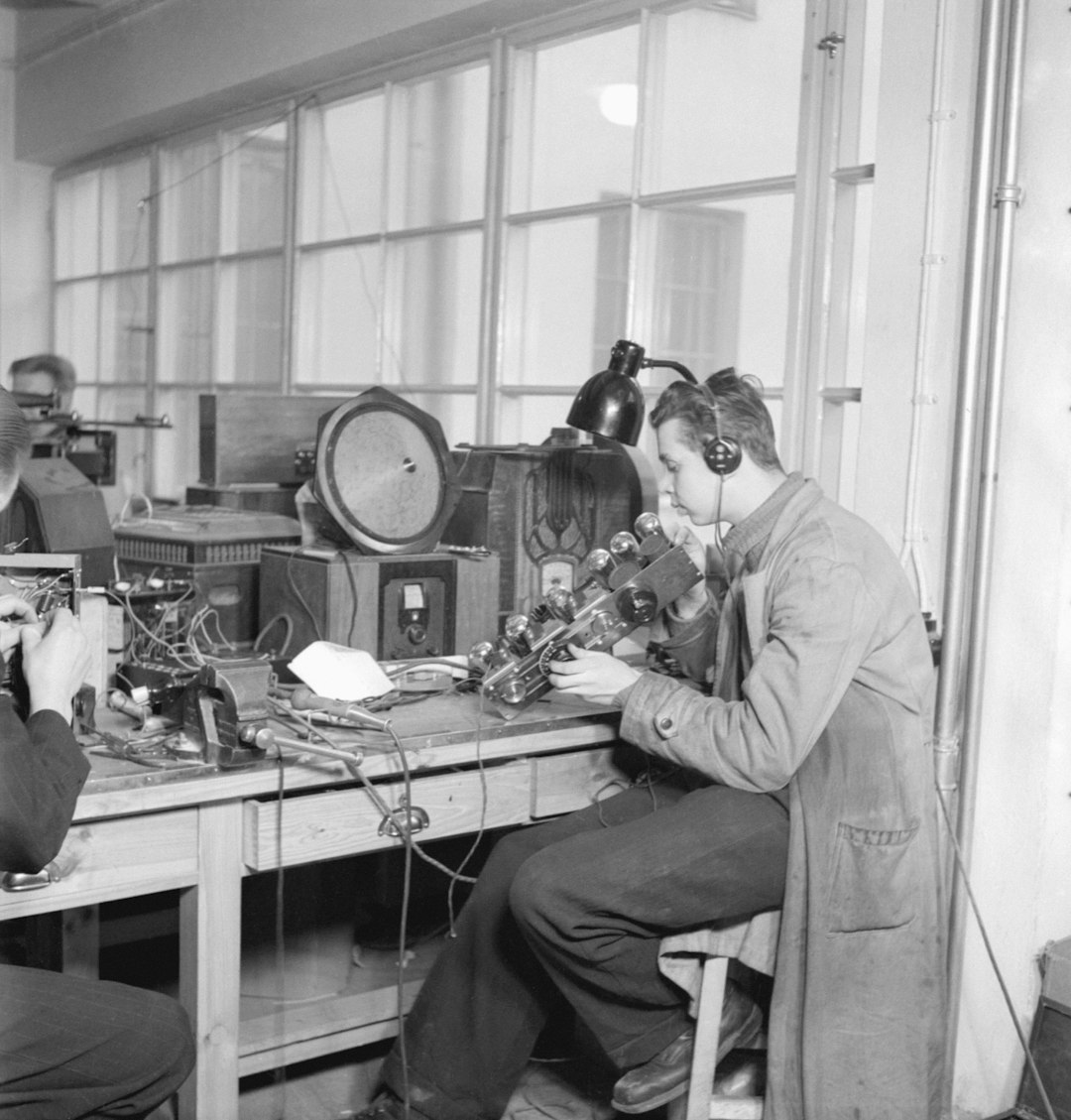
However, the extent of the supposed panic was heavily exaggerated by newspapers at the time. While some listeners did call police or radio stations seeking confirmation of the invasion, the number of individuals genuinely alarmed was relatively small. A study by media historians Jefferson Pooley and Michael Socolow found that “fewer than one in a hundred respondents who had heard the broadcast had actually thought it was true.” Pooley and Socolow argue that the sensationalized press coverage was driven by a desire to discredit radio as a competitor to newspapers. “The newspapers seized the opportunity presented by Welles’ program to discredit radio as a source of news,” they write. “The story of panicked listeners was too good not to be true.” The 1938 Orson Welles broadcast was presented as a series of news bulletins interrupting regular programming, and while it was clearly labeled as fiction, some listeners did tune in late and miss the announcements. However, the stories of widespread panic, people fleeing their homes, and traffic jams were largely fabricated by newspapers. The myth has persisted because it makes a good story about media influence and public gullibility, but the actual evidence shows most people recognized it as entertainment.
Witches Were Never Burned in Colonial America
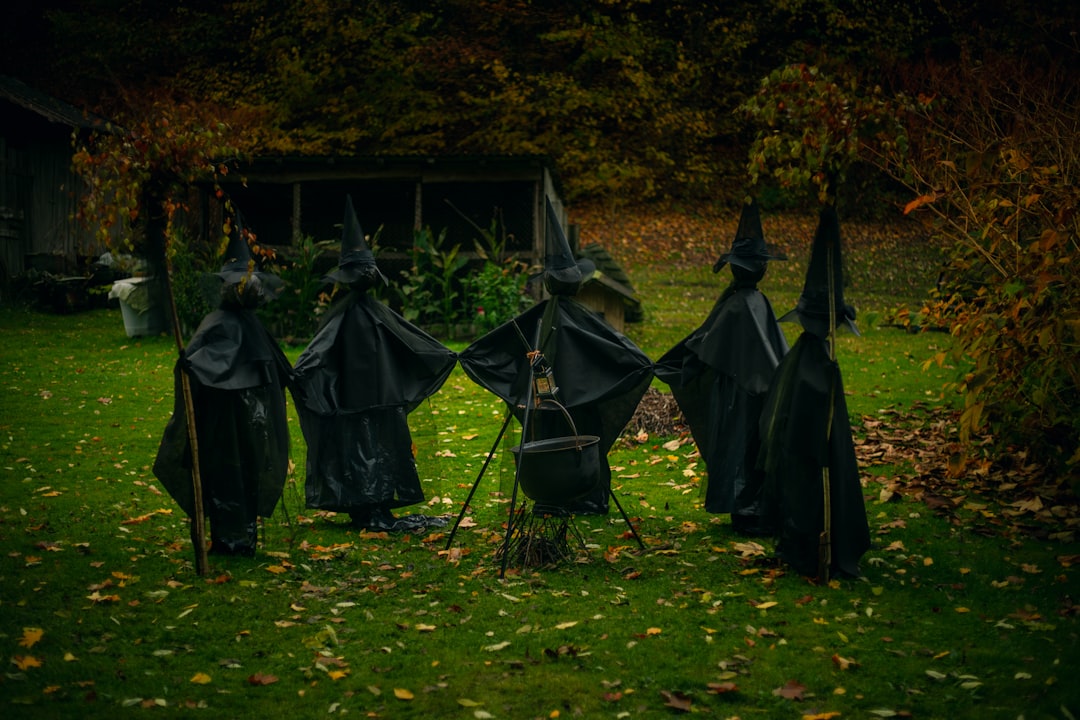
While witch burning was common in Europe, it never happened in colonial America. All of the Salem witch trial victims were hanged, not burned. One other man, Giles Corey, died under torture after refusing to enter a plea, and at least five people died in the disease-ridden jails. The image of witches being burned at the stake in America comes from European witch trials and has been reinforced by movies and literature. In colonial America, hanging was the standard method of execution for witchcraft, as it was considered more “civilized” than burning. Giles Corey, who was pressed to death with heavy stones, represents the only deviation from hanging during the Salem trials. The European practice of burning witches was seen as too extreme by colonial standards, though the witch trials themselves were certainly extreme enough. This misconception shows how cultural memories from different continents can blend together in historical narratives, creating false impressions about what actually happened in specific places. The hanging method also reflects the English legal traditions that colonial America inherited, rather than the continental European practices that included burning.
Benedict Arnold Was Once America’s Greatest War Hero
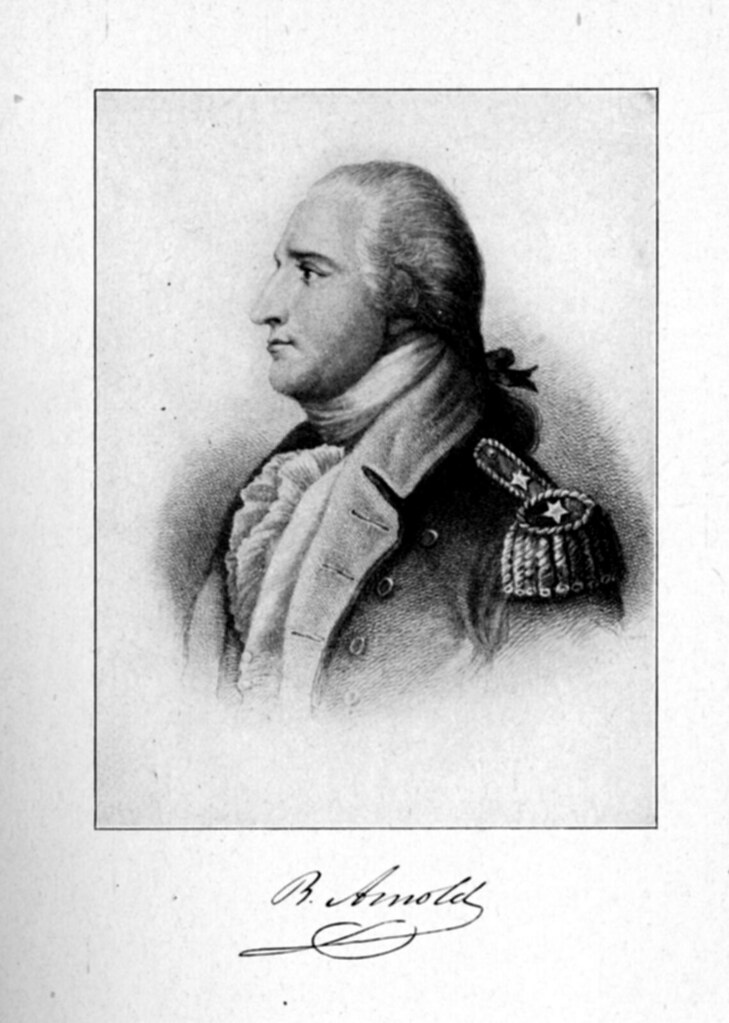
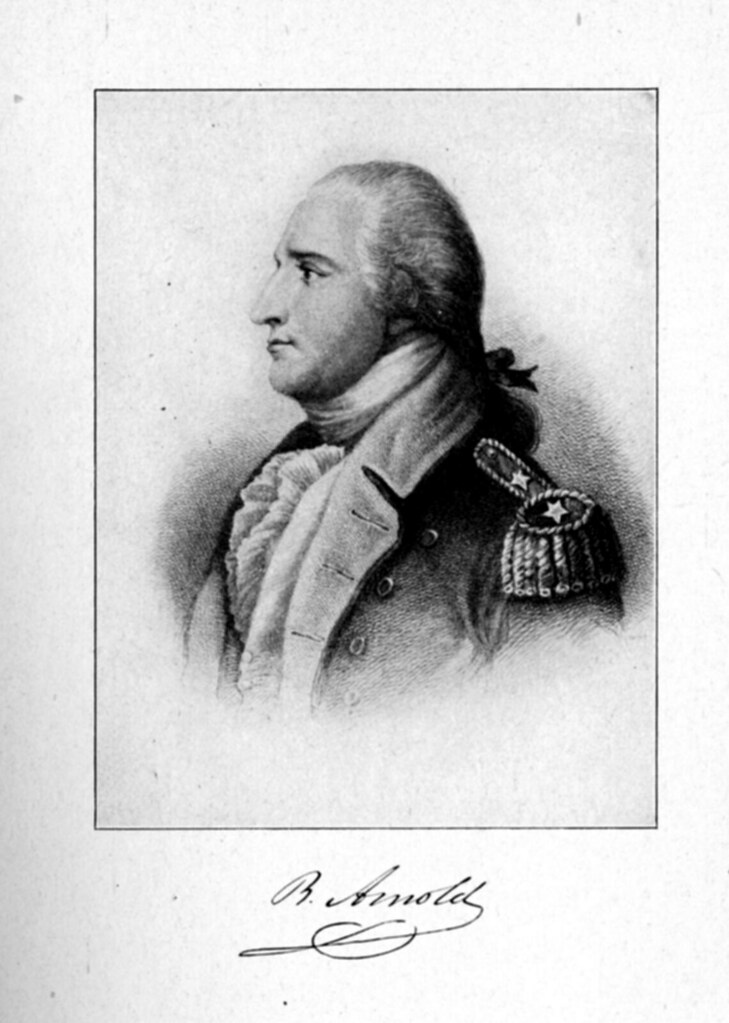
Before becoming synonymous with treason, Benedict Arnold was one of America’s most celebrated Revolutionary War heroes. He was instrumental in early American victories, including the capture of Fort Ticonderoga and the crucial victory at the Battle of Saratoga, which convinced France to join the war on America’s side. Arnold was wounded multiple times in service to his country and was considered one of George Washington’s most trusted generals. His betrayal came later, after he felt unappreciated by Congress, was passed over for promotions, and faced financial difficulties. Arnold’s attempt to hand over West Point to the British failed, and he fled to join the British army, where he led raids against his former comrades. The transformation from hero to traitor makes Arnold’s story more complex than the simple villain narrative usually taught. His early military contributions were genuinely significant to American independence, which makes his later betrayal all the more shocking. Understanding Arnold’s full story shows how the same person can embody both the best and worst of human nature, and how circumstances can lead even heroes to make catastrophic moral choices.
Did you expect that even some of our most cherished historical “facts” would turn out to be myths built on shaky foundations or complete fabrications?