Colombia: From Notorious Past to Bright Present
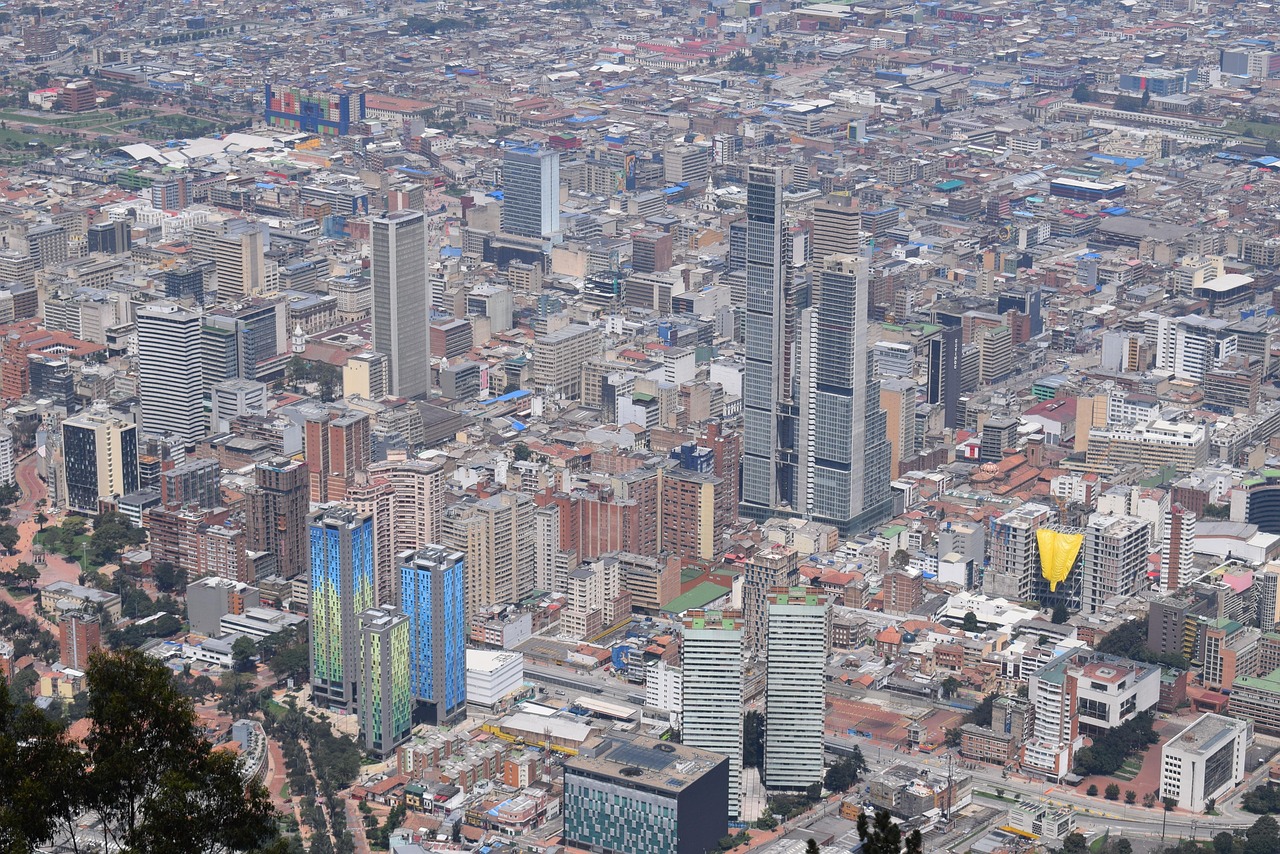
When people think of Colombia, they usually picture crime dramas or remember Pablo Escobar’s notorious era. But today’s Colombia is a far cry from those dark days. The country’s homicide rate has plummeted over 50% since 2010, according to the National Police of Colombia, showing real progress. Medellín, once called the world’s most dangerous city, is now a hub for digital nomads and art lovers. In 2023, Colombia welcomed over 4 million international tourists, revealing that visitors are regaining trust in the country. Cities like Bogotá and Cartagena have invested heavily in safety, with more tourist police and better street lighting. Visitors rave about the warmth of locals and the country’s stunning coffee region, while safety tips are easy to find in every hostel and hotel. Even solo travelers say they feel safe walking around popular neighborhoods by day. Colombia’s transformation proves that with effort, even the toughest reputations can change.
Egypt: Ancient Wonders Meet Modern Safety

Egypt’s ancient pyramids and temples have always fascinated travelers, but political unrest in the past decade scared some people off. Recent years have seen a strong comeback, with the Egyptian Ministry of Tourism reporting a 30% rise in international visitors in 2023. Egypt’s government invested heavily in security, especially in tourist zones like Luxor, Aswan, and Cairo’s historic districts. Police checkpoints and upgraded surveillance systems are now standard near major attractions. Tour guides and agencies also have to follow strict safety rules, making group tours even more secure. The country’s bustling markets, awe-inspiring monuments, and Nile cruises are now safer to explore than most people realize. Egyptians are known for their hospitality, often going out of their way to help visitors. Safety improvements have made Egypt a cultural gem that’s inviting—and safe—for curious travelers.
Turkey: Diversity and Safety Hand in Hand
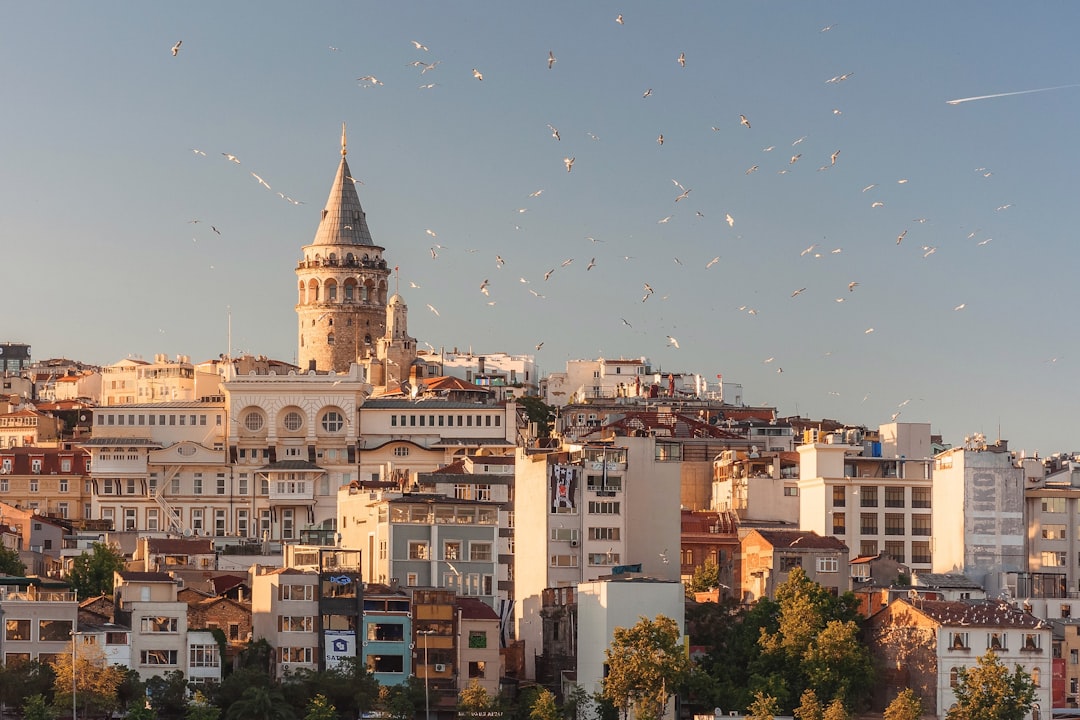
Turkey sits at the crossroads of Europe and Asia, offering a mix of cultures, but it often gets a bad rap for political tensions. Despite this, data from the Turkish Statistical Institute shows tourism jumped 15% in 2023, especially to Istanbul, Cappadocia, and the Aegean coast. The government has ramped up security in popular tourist spots, with more police and information booths in busy squares and transport terminals. Istanbul’s Grand Bazaar and the fairy chimneys of Cappadocia are bustling with visitors, proving that tourists feel comfortable exploring. Hotels and restaurants have also stepped up by providing safety briefings and emergency contacts. The country’s food, history, and natural beauty keep drawing people in, and most travelers experience nothing but friendly encounters. Turkish people are eager to share their culture and help visitors. Turkey’s blend of old and new, East and West, makes it both fascinating and safer than many expect.
Brazil: Colorful, Complex, and More Secure Than Ever
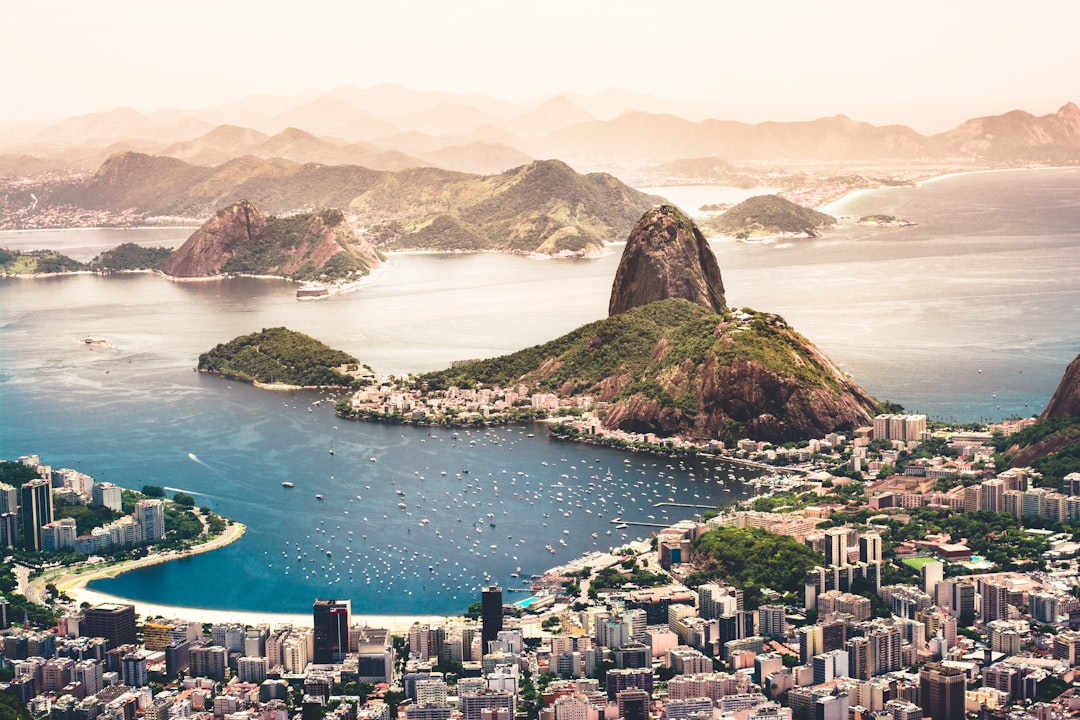
Brazil’s reputation for crime overshadows its beauty and vibrant culture, but that’s changing quickly. The Brazilian Institute of Geography and Statistics reports a 12% increase in tourist arrivals in 2023, especially to Rio de Janeiro, São Paulo, and the northeast’s beaches. Police presence has increased in tourist-heavy areas, especially during events like Carnival and New Year’s. Local authorities work closely with hotels and tour guides to keep visitors informed and safe. Brazil’s beaches, rainforests, and famous festivals are as spectacular as ever, drawing families, solo travelers, and groups alike. Locals are known for their friendliness, often going out of their way to help lost or curious foreigners. Travelers report that sticking to well-known areas and following simple advice—like avoiding deserted streets at night—keeps them safe. Brazil’s dazzling spirit and growing safety measures are changing minds.
South Africa: Natural Wonders and Safer Adventures
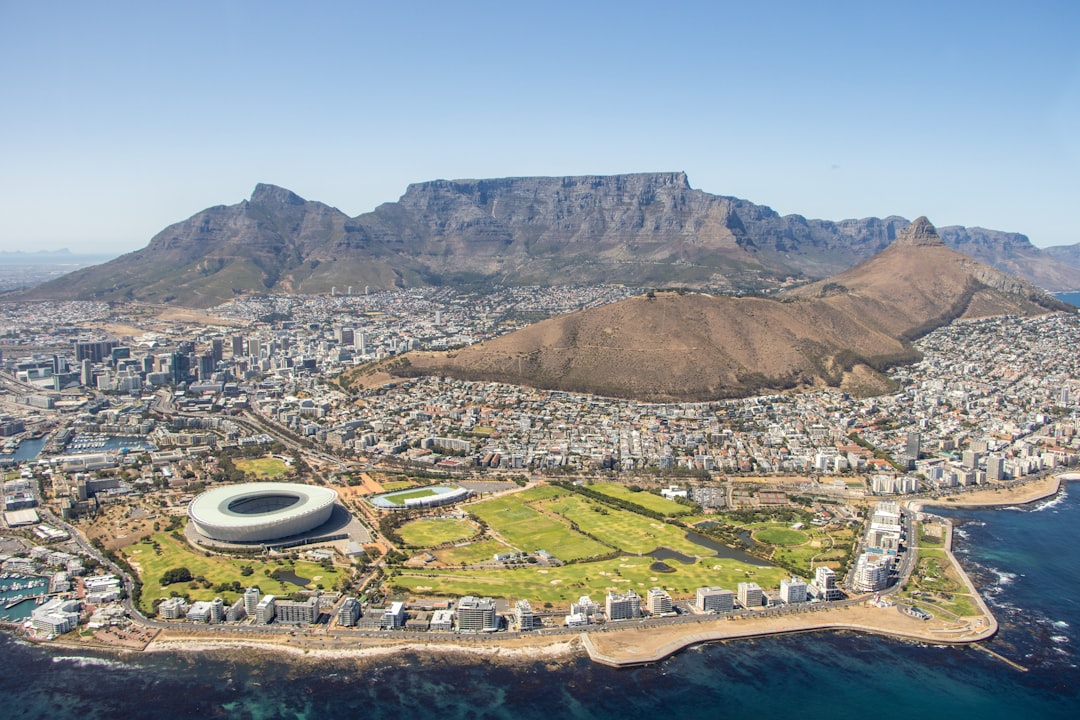
South Africa’s crime statistics might seem intimidating, but the reality for tourists is often very different. The South African Tourism Board recorded a 20% surge in international arrivals in 2023, especially to Cape Town, the Garden Route, and Kruger National Park. These regions have invested in visible police patrols and tourist information centers, making visitors feel welcome and secure. Wildlife safaris are highly regulated, with guides trained in both safety and hospitality. Cape Town’s waterfront and Table Mountain are bustling with tourists, and local businesses are keen to keep their reputation for safety. Many travelers say that with basic precautions, like using official taxis and avoiding certain neighborhoods at night, they feel perfectly safe. South Africa’s mix of mountains, beaches, and wildlife is hard to beat. The country’s commitment to improving tourist safety is paying off, with more positive stories every year.
Algeria: Desert Mystique and Urban Calm
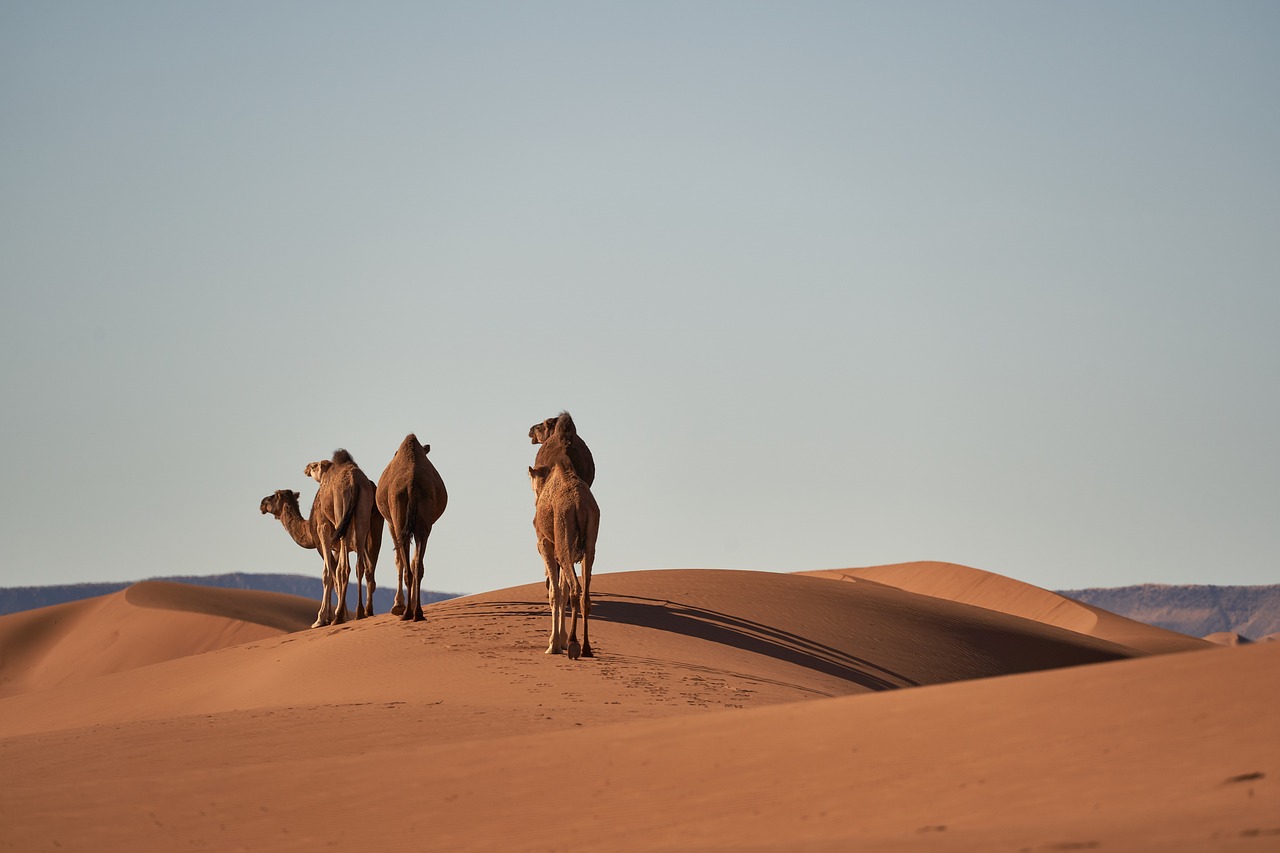
Algeria rarely makes it onto travel wish lists, often overshadowed by its turbulent political past. But times are changing, with the Algerian Ministry of Tourism reporting a 15% jump in foreign visitors in 2023. The capital, Algiers, and the ancient city of Timgad are full of history and have seen increased security and tourist services. The government has invested in better transportation, more police in tourist zones, and clear signage in multiple languages. The Sahara Desert offers breathtaking adventures with experienced guides who know the safest routes. Local people are eager to share their rich culture and traditions, often inviting visitors for tea or a meal. Street crime is low in tourist areas, and authorities are quick to respond to any issues. Algeria’s blend of Mediterranean charm and desert wonder is safer to explore than many imagine.
Jordan: Ancient History With Modern Safety
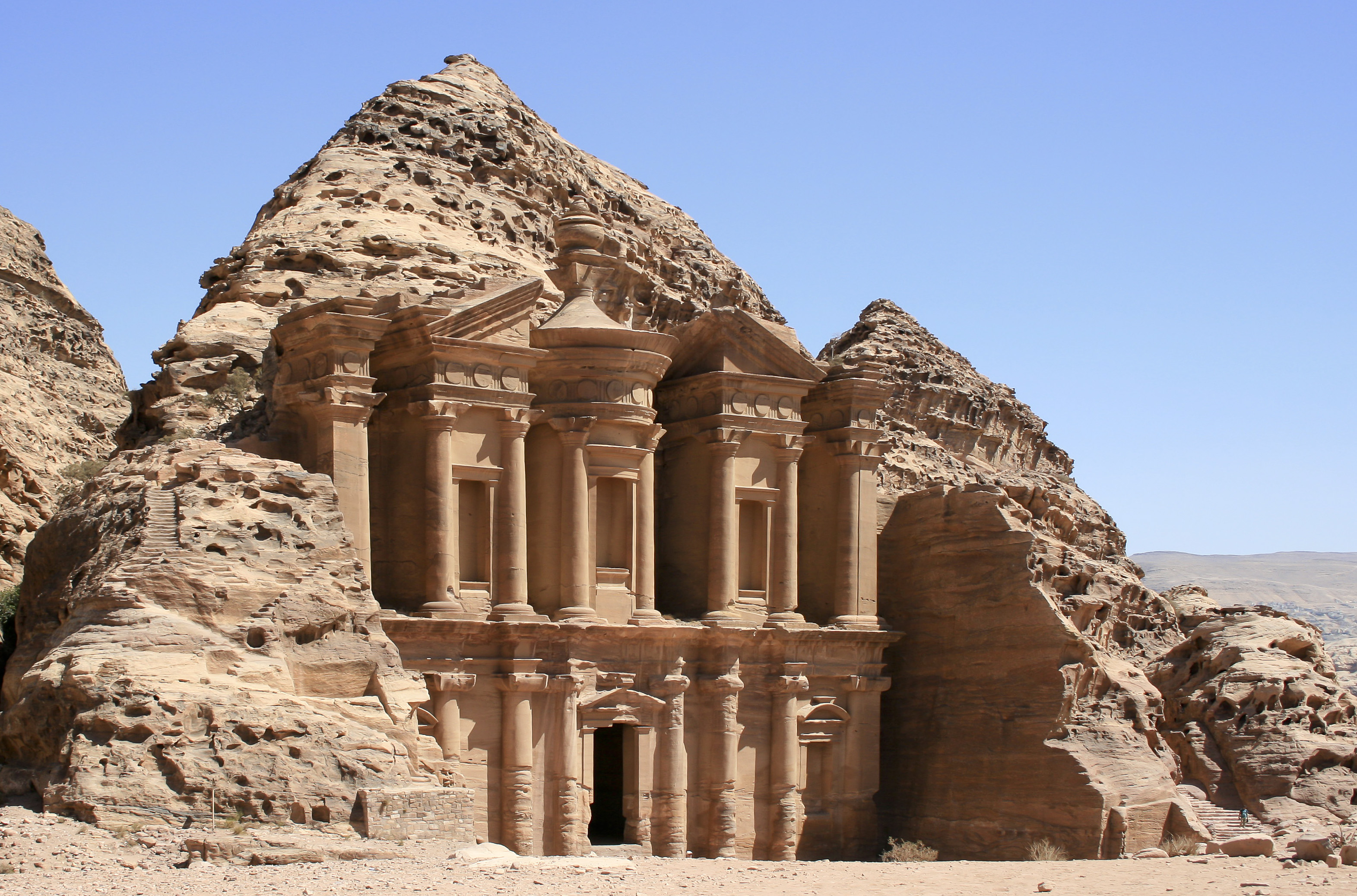
Jordan is home to Petra, the breathtaking “lost city,” but worries about its location in the Middle East keep some travelers away. In reality, Jordan is one of the region’s safest spots, with the Jordan Tourism Board noting a 17% rise in visitors in 2023. The government has made tourist safety a top priority, placing police at major attractions and border crossings. Amman, the capital, and the Dead Sea area are known for their calm and friendly atmosphere. Guides and hotels provide up-to-date security information, and emergency numbers are easy to access. Most travelers report feeling comfortable wandering markets and historical sites, even after dark. The country’s hospitality is legendary—locals often offer tea or directions to lost visitors. Jordan’s stability and openness make it a surprisingly safe destination.
Vietnam: Friendly Faces and Secure Streets
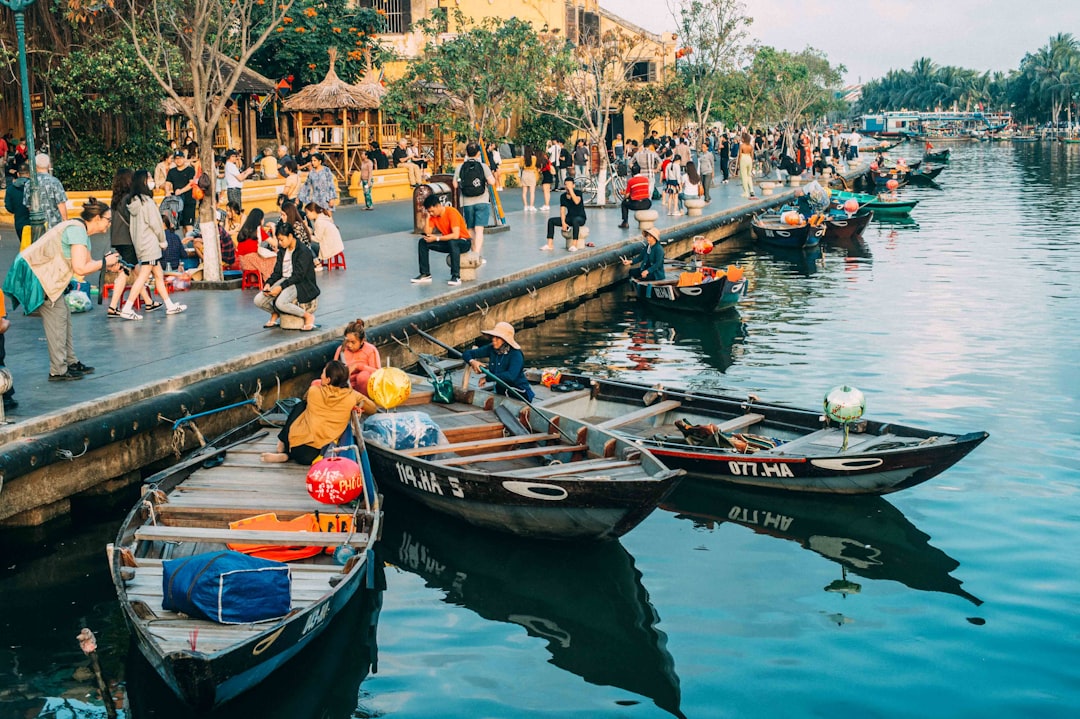
Vietnam’s rapid development sometimes raises concerns about safety, but the country’s crime rate is remarkably low. According to the Vietnam National Administration of Tourism, international arrivals climbed by 20% in 2023, with Hanoi, Ho Chi Minh City, and Hoi An seeing the most growth. Tourists often praise the well-organized public transport and the helpfulness of locals. Police patrols are common in busy areas and markets, and tourist scams are rare compared to other countries in the region. Night markets and street food stalls buzz with activity late into the evening, and families feel comfortable exploring together. Hotels and tour companies provide clear safety instructions and emergency contacts. Vietnam’s beauty, from rice terraces to bustling cities, is easy to enjoy without worry. The country’s reputation for safety is one of the reasons travelers keep coming back.