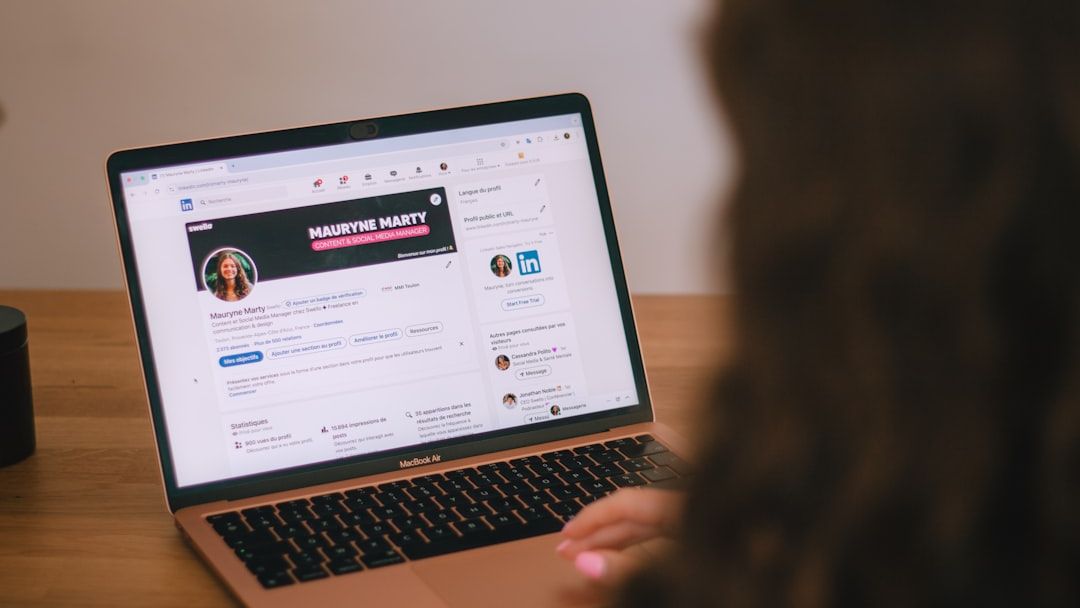

You’ve applied to dozens of jobs. You’ve fine-tuned your resume. You’ve practiced your answers. Yet somehow, the callbacks just aren’t coming. Here’s a possibility that most people don’t want to consider: your LinkedIn profile might be quietly working against you.
It sounds counterintuitive, right? LinkedIn is supposed to help you get hired, not block you from the door. But after years of working with job seekers across industries, I can tell you this with complete confidence – a poorly built profile doesn’t just fail to help you, it actively damages your chances. Let’s get into exactly why.
The Platform Is Bigger Than You Think – and So Is the Competition

LinkedIn has now surpassed 1.2 billion members globally, solidifying its position as the dominant professional networking platform. That’s an almost absurd amount of competition. Think of it like showing up to a job fair with over a billion other people in the room.
With roughly 95% of active recruiters using this platform daily to scout candidates, LinkedIn is no longer optional. It’s the primary arena where hiring decisions begin. The problem is that most people treat their profile like a digital parking spot – something you set up once and forget about.
Having a LinkedIn profile has become critical to getting a job, with eight people being hired on the platform every single minute according to LinkedIn’s own data. The opportunity is real. The question is whether your profile is good enough to grab it.
An Incomplete Profile Sends a Message – Just Not the One You Want
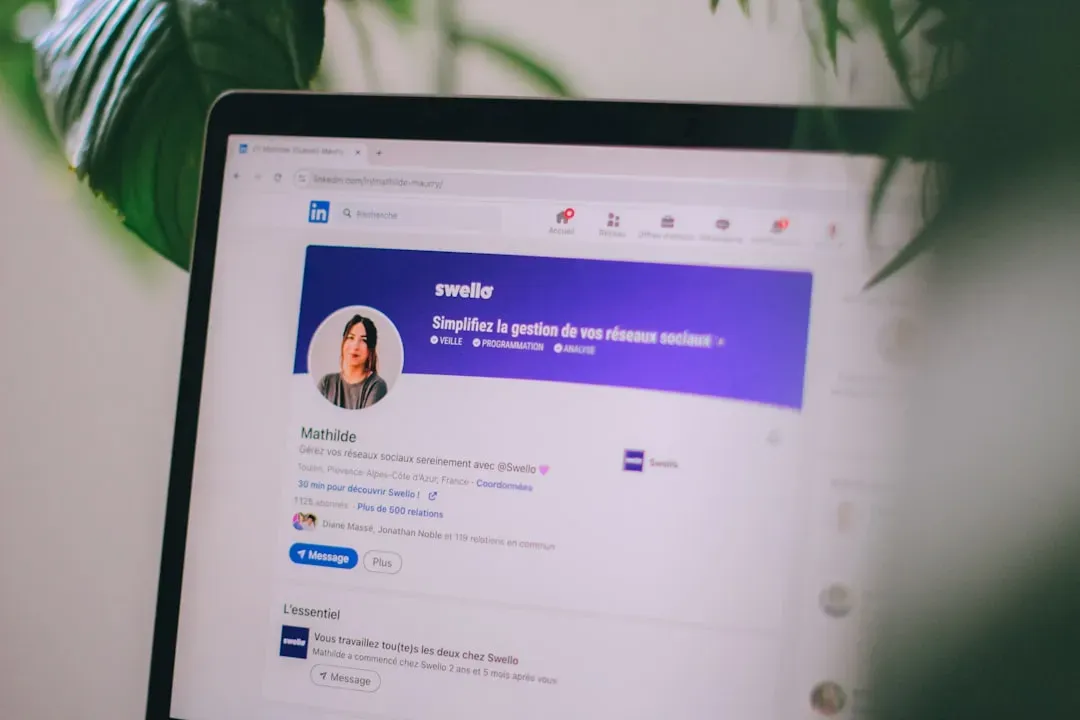
Research found a significant decrease in hireability ratings when job seekers provided only basic LinkedIn information and no details, an effect that even outweighed the impact of their actual qualifications. Let that sink in. A sparse profile can literally cancel out your credentials.
If your LinkedIn profile is missing key sections such as work experience, skills, or a profile picture, you’re significantly reducing your chances of being found. Recruiters use keyword searches and filter by skills to find suitable profiles, so if you don’t have these, you simply won’t appear in search results. Incomplete profiles also signal that you’re not serious about your job search.
An interview study confirmed that incomplete LinkedIn profiles actively diminish hireability ratings and increase recruiter suspicion. It’s not neutral – it’s a red flag. Fill every section with intention.
Your Profile Photo Is More Powerful Than Any Bullet Point

Honestly, this is the part most people underestimate. Your photo is the very first thing a recruiter notices, and the data is striking. Profiles with a professional photo receive up to 21 times more profile views and 36 times more messages than those without one.
Your profile picture and cover image are the first visual impressions you make on visitors. A blurry, outdated, or unprofessional-looking photo can reflect poorly on your personal brand, so it’s worth investing in a high-quality headshot that portrays you in a professional and approachable manner.
Think of it this way: your photo is like the cover of a book. People absolutely do judge it, even if they know they shouldn’t. A clear, well-lit headshot with a neutral background communicates competence before you’ve written a single word.
Your Headline Is Not Just Your Job Title
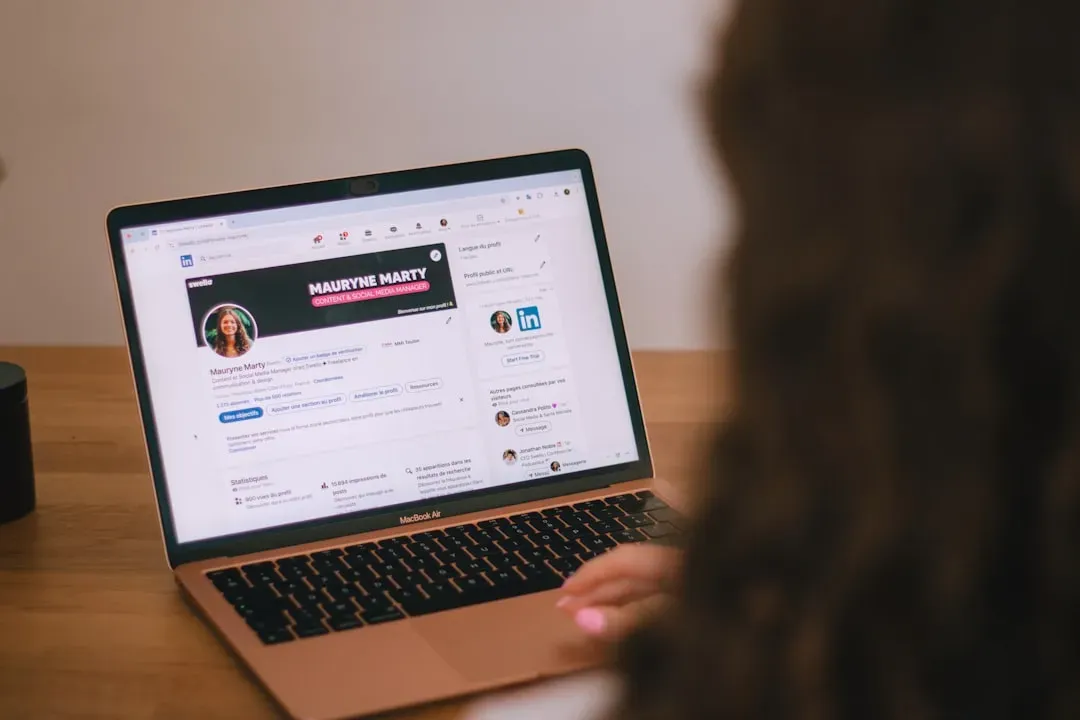
Your LinkedIn headline is one of the most critical elements of your profile. It should include the right keywords that recruiters use when searching for candidates, yet many professionals make the mistake of setting their headline once and forgetting about it.
Here’s the thing – LinkedIn auto-populates your headline from your current job title if you don’t change it. That means thousands of people walk around with a generic “Marketing Analyst at ABC Corp” when they could use that space to actually sell themselves. Each time you update your headline, LinkedIn rescans your profile, making you more likely to appear in recruiter search results.
To improve visibility, focus on crafting a compelling headline that goes beyond just your job title, using the full 220 characters to showcase your expertise and value proposition. That’s prime real estate. Use it.
The Skills Section: The Most Underrated Tool You’re Ignoring
Most people list their skills like they’re filling out a boring form. Five generic buzzwords, maybe ten if they’re feeling ambitious. That’s a massive missed opportunity. According to verified LinkedIn data, users who list at least five relevant skills are contacted up to 33 times more often by recruiters.
Leaving the skills section blank is one of the biggest mistakes you can make. Since hiring based on skills is now a top priority for most recruiters, simply listing your skills isn’t always enough – hiring managers want to see how you’ve taken those skills and applied them in your current and previous roles.
Adding even one relevant skill can double your profile views and connection requests. That’s not a small thing. That’s the difference between being invisible and being discovered.
Inconsistencies Between Your Resume and LinkedIn Profile Are Quietly Killing Your Application

This one surprises people every time I bring it up. According to a 2024 report by ResumeBuilder, roughly seven in ten hiring managers have rejected candidates due to inconsistencies between their resume and LinkedIn profile. It’s one of the most common silent killers in the job search process.
Recruiters often use a method called triangulation – comparing your resume with your LinkedIn profile and other public data to verify authenticity. With AI-driven screening tools becoming more common, even minor mismatches can lead to silent rejection. Consistency is no longer optional; it’s a critical part of standing out in today’s competitive job market.
Using inflated or inconsistent job titles across platforms is a major mistake. For example, listing “Marketing Coordinator” on your resume but “Marketing Manager” on LinkedIn instantly raises suspicion and employers may view this as an attempt to mislead, even if it was unintentional. Review both documents side by side. Today, if possible.
Zero Engagement Makes You Look Like a Ghost

Having a profile and doing absolutely nothing on the platform is almost as damaging as not having one at all. LinkedIn is not just an online resume but a professional networking platform. Having minimal activity on your profile can convey disinterest or lack of engagement, and low engagement tends to be a cause for concern – especially for sales professionals.
LinkedIn now prioritizes engagement, rewarding users who actively participate – just like other social media networks. This means that simply having a great profile isn’t enough; you need to be consistently visible. Commenting on industry posts, sharing relevant articles, even just liking things that relate to your field – all of it contributes to how often you appear in recruiter searches.
Let’s be real: most people log in only when they’re desperate for a job. That reactive approach is part of why the platform feels like it isn’t working. Treat it more like a slow burn, not a fire alarm.
The Absence of Recommendations Quietly Undermines Your Credibility
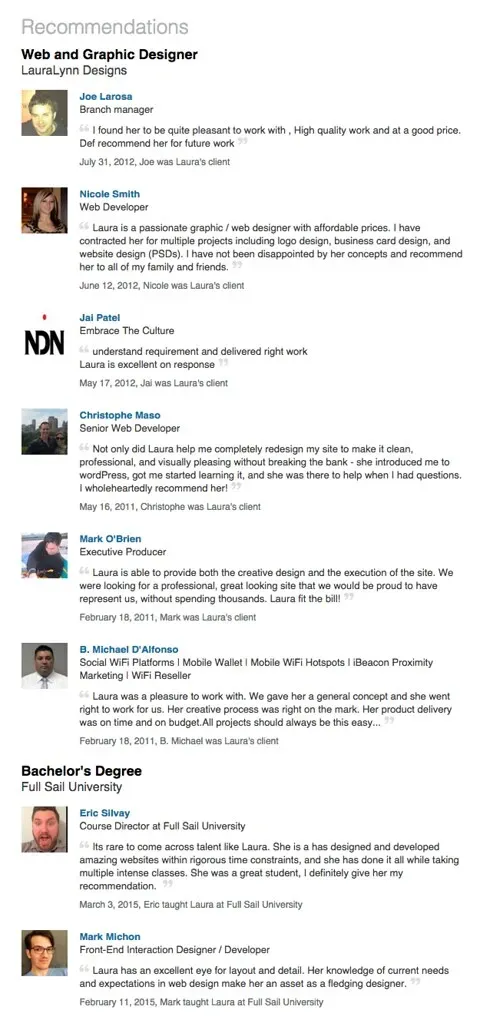
According to LinkedIn’s Global Hiring Trends Report from 2024, roughly 79% of recruiters consider recommendations to be a significant factor in their hiring decisions, underscoring the growing reliance on peer endorsements in the recruitment process.
A 2024 survey found that roughly 70% of hiring managers trust recommendations from LinkedIn connections more than traditional references. Yet scroll through the average profile and you’ll find either zero recommendations or one that a colleague wrote in 2019. It’s hard to say for sure just how many opportunities this costs people, but the data points in one direction.
The best way to make your skills credible on LinkedIn is through endorsements and recommendations. They require real people to take the time to vouch for you, meaning listed skills that are endorsed by actual users will be more trustworthy to recruiters than those that are not. Reach out to past colleagues and managers. Ask and offer. It’s a two-way street.
Conclusion: Your Profile Is Either Opening Doors or Closing Them

There is no neutral LinkedIn profile. Either it’s working for you or it’s quietly working against you. In today’s hyper-competitive job market, your LinkedIn profile is your first – and sometimes only – chance to make a lasting impression. A recruiter will often spend just seconds scanning it, looking for signs of credibility, confidence, and clarity.
The good news? Every single issue covered in this article is fixable. A better photo, a stronger headline, consistent information, a few genuine recommendations – none of it requires hours of work. It requires intention. In 2025 and beyond, personal branding isn’t optional. Employers aren’t just hiring skills; they’re hiring people who fit their culture, vision, and future direction.
Your LinkedIn profile is the first handshake before the handshake. Make sure it’s a firm one. What would a recruiter see if they pulled up your profile right now – would you hire yourself? Tell us in the comments.