

There’s something quietly happening in small towns across America and beyond that the financial media isn’t quite talking about loudly enough. While fintech startups and digital wallets dominate the headlines, millions of people are reaching back into their pockets, wallets, and cookie jars for something far more tangible. Physical cash. Not as a nostalgic gesture, but as a genuine, practical lifeline.
The numbers tell a story that surprises even those who study payment systems. The forces behind this shift are economic, technological, social, and deeply human. Let’s dive in.
The Unbanked Population Is Bigger Than You Think
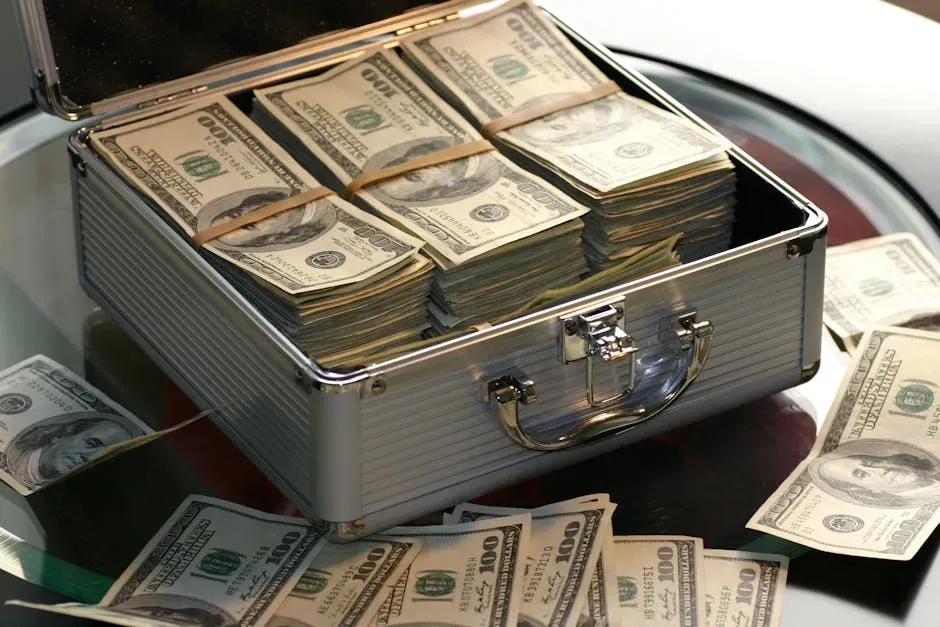
Here’s the thing most people miss when they talk about a cashless future: a significant slice of the population was never really included in the digital economy to begin with. The 2023 FDIC National Survey of Unbanked and Underbanked Households found that roughly 4.2 percent of U.S. households, representing 5.6 million households, lacked a bank or credit union account. That’s not a small number. That’s millions of families whose daily transactions run entirely on bills and coins.
Two-thirds of unbanked households relied entirely on cash, while about a third relied upon a combination of prepaid cards or nonbank online payment services to conduct transactions. In small towns, where banking infrastructure is thinner and access to broadband is patchier, the dependence on physical money is even more pronounced. Cash isn’t a preference for these communities. It’s a necessity.
Rural Areas Are Seeing a Population Surge, and Cash Comes With It

Something remarkable happened in the years following the pandemic. People started leaving cities. Not in droves, but steadily, meaningfully. The mass move to remote work revitalized small-town economies, with each new person working from home per 1,000 residents boosting local population growth. Rural areas that shrank between 2010 and 2019 saw a dramatic turnaround, with roughly three in five experiencing population increases from 2019 to 2021.
The rising cost of living in cities pushed urban dwellers to look for more affordable options at the same time that the desire for outdoor space made smaller towns more attractive to younger workers and new retirees alike. More residents in small towns means more local economic activity. More activity at farmers markets, roadside diners, local hardware stores. And in all those places, cash remains king.
The Federal Reserve’s Data Confirms Cash Is Far From Dead

I’ll be honest, I expected the numbers to be worse for cash. The constant noise around Apple Pay and Venmo makes it feel like physical money is gasping its last breath. Yet the Federal Reserve’s own research tells a very different story. According to the U.S. Federal Reserve’s 2023 Diary of Consumer Payment Choice, cash accounted for roughly 16 percent of all U.S. payments, with notably higher usage among low-income households and in rural areas.
Unbanked rates remain higher among lower-income households, less-educated households, and single-parent households, all of whom are disproportionately represented in rural small-town America. When your nearest bank branch is forty minutes away and your mobile signal is unreliable, digital payments stop being convenient and start being impossible. Cash solves problems that apps cannot.
The Law Is Actually on Cash’s Side
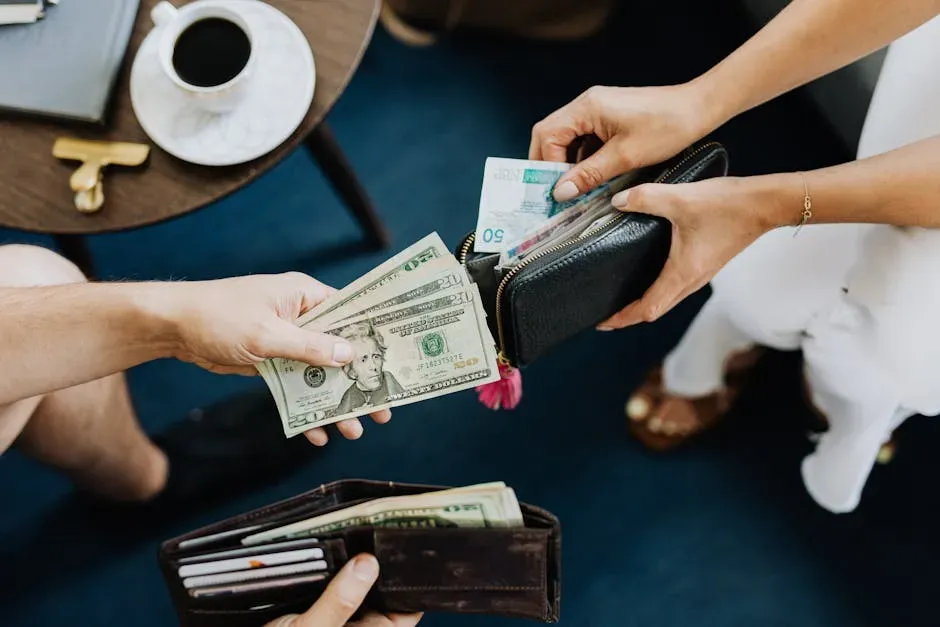
A lot of people don’t realize that going cashless isn’t always legal. Several states and major cities have put their foot down. New York City and New Jersey are among the jurisdictions with laws that require businesses to accept physical cash, and those laws remain actively enforced through the 2023 to 2025 period. The reasoning is straightforward: refusing cash discriminates against those without bank accounts or digital access.
This legal framework matters enormously for small-town businesses. A local diner or feed store that tries to go card-only risks excluding a large portion of its own customer base and potentially breaking the law. The push for financial inclusion has created a legal backbone that protects cash as a legitimate and protected form of payment. That protection isn’t going anywhere in 2026.
Cyber Risks and Digital Outages Are Making People Nervous

Let’s be real. The digital payment ecosystem isn’t as bulletproof as the marketing suggests. A 2023 ransomware attack on a cloud IT service provider caused simultaneous outages at 60 U.S. credit unions. Think about that for a moment. Sixty credit unions, all frozen, all at once, because of a single point of failure somewhere up the chain. That is the kind of vulnerability that keeps people stacking a few bills in their sock drawer.
The financial sector is highly exposed, and a severe cyber incident could pose macro-financial stability risks through a loss of confidence, disruption of critical services, and spillovers to other institutions through technological and financial linkages. The IMF has made this concern explicit. In small towns, where the nearest alternative bank may be an hour’s drive away, a regional digital outage doesn’t create inconvenience. It creates a crisis. Cash is the backup system that actually works when everything else fails.
Global Data Echoes the Same Theme

This isn’t just an American story. The European Central Bank reported in 2024 that cash is still used in roughly 59 percent of point-of-sale transactions in the euro area, showing that physical money continues to dominate everyday purchases in many countries. That’s not a rounding error. That’s a majority of transactions at actual checkout counters across an entire economic bloc.
The World Bank has also noted that approximately 1.4 billion adults globally remain unbanked, meaning they rely heavily on cash for daily transactions. That figure was cited extensively in reports throughout the 2023 to 2025 period. The narrative of a world sprinting toward digital payments ignores an enormous population that has been, and remains, tethered to physical currency out of necessity rather than stubbornness.
Cash as a Budgeting Tool Is Having a Quiet Renaissance

There’s a softer, more personal reason that cash is staging a comeback in small communities. People are using it deliberately. Consciously. As a way to manage spending in a way that card swiping simply doesn’t encourage. The Bank of England noted in 2024 that cash use has stabilized after years of decline, with many people actively keeping cash on hand for both budgeting purposes and emergency situations. This behavioral shift is real and measurable.
Think of it this way. Swiping a card or tapping a phone creates a kind of numbness around spending. Handing over a twenty-dollar bill feels different. It is visceral. You see the money leave. In small-town households where budgets are tight and margins are thin, that psychological anchor matters. The so-called “cash envelope” method of budgeting is not just a retro quirk from personal finance blogs. It’s a practical tool, and it’s gaining traction again.
Small-Town Businesses Are Quietly Preferring It Too

From a merchant perspective, cash has a quiet but powerful advantage that often gets overlooked. No transaction fees. No chargebacks. No waiting two to three business days for a settlement. Business owners in smaller communities spend less on operations and get a chance to build lasting relationships with loyal customers. In that environment, accepting cash isn’t backward. It’s smart.
A local butcher shop or country hardware store operating on thin margins pays real money every time a customer taps a card. Those fees add up fast. Small-town businesses are a great way to fill local needs and become the lifeblood of the town’s economy, though they often deal with limited customers, staff shortages, and unreliable infrastructure. Cash removes one friction point entirely, and for a business running on slim margins, that matters more than any app integration ever could.
In 2026, the story of physical cash in small towns is not a story of resistance or nostalgia. It is a story of practical resilience, financial inclusion, legal protection, and a quiet distrust of systems that have proven they can fail. The digital world promised to simplify everything, and for many it has. Yet for millions living outside the broadband bubble, cash remains the most reliable technology ever invented.
What do you think? Are we underestimating how many people still depend on physical cash every single day? Let us know in the comments.