

It sounds like a dream, right? A home that knows when you wake up, adjusts the temperature before you even reach for the thermostat, turns the lights off before you remember to, and locks the front door while you’re still putting on your shoes. For 30 days, I lived inside that dream. Some days it was genuinely magical. Other days, honestly, it felt like being a guest in my own house.
Smart home technology is no small thing right now. The industry is booming, the AI is getting sharper, and the promises are getting bigger. So I wanted to find out for myself: does full AI-driven home automation actually make life better, or is it a very expensive way to feel slightly out of control? What I discovered surprised me. Let’s get into it.
The World Is Betting Billions on This Technology
Before I even plugged in a single smart device, I wanted to understand the scale of what I was walking into. The global smart home market reached a value of $121.6 billion in 2024 and is expected to rise to $147.5 billion in 2025. That is not a niche hobby market. That is a full-scale global industry with serious momentum.
The AI in smart home technology segment alone was valued at $15.3 billion in 2024 and is predicted to reach over $104 billion by 2034. Think about that for a second. We are talking about a market that could grow by roughly seven times within a decade. The industry is absolutely convinced that AI automation is the future of the home.
According to Parks Associates, roughly 45% of internet-connected U.S. households already have at least one smart home device. So this is not some experimental fringe idea. It is already inside nearly half of American homes. The question is not whether it is popular. The question is whether it is actually livable at full automation.
Day One: The Setup Was Already a Warning Sign

Here is the thing nobody talks about in those glossy product launch videos: setting up a fully integrated AI smart home is genuinely hard work. Connecting thermostats, lights, locks, cameras, speakers, kitchen appliances, and sensors into one coherent system that actually talks to each other is not a weekend project. It took me the better part of four days.
Even though nearly 79% of smart home users think interoperability between devices is very important, only about 31% say they have actually landed on a specific integrated system. The rest, apparently, are juggling multiple apps and ecosystems. I understand them completely now. Voice control to a smart hub is still not very common, with most consumers controlling devices through individual smartphone apps, which can quickly lead to frustration as users add more devices and need to manage multiple interfaces.
The whole experience reminded me of trying to get four strangers to agree on a restaurant. Theoretically possible. In practice, exhausting.
The Connectivity Chaos: When Your Home Goes Offline

About ten days in, my internet went down for roughly five hours. What happened next was genuinely eye-opening. Every AI-driven function in the house either froze or defaulted to some state I had not chosen. The thermostat stopped adapting. The lights stayed on a schedule they had already memorized. My smart lock, thankfully, still worked mechanically. Small mercies.
According to Parks Associates, 52% of DIY smart home users report setup or connectivity issues. That is more than half of all users experiencing real-world problems. It is not a rare edge case. It is the norm. Voice assistants like Amazon Alexa and Google Assistant rely heavily on cloud processing, which means any disruption to your internet connection can significantly undermine the entire system.
Many consumers remain skeptical about whether smart devices truly justify the cost and complexity, and voice control and notifications, while novel, have limited practical impact for most households. The market sees cautious refining rather than outright rejection as users and brands wrestle with utility versus gimmick. That phrase stuck with me. Utility versus gimmick. It is a fine line, and you feel it sharply when the internet cuts out.
The Privacy Issue Nobody Likes to Talk About Out Loud
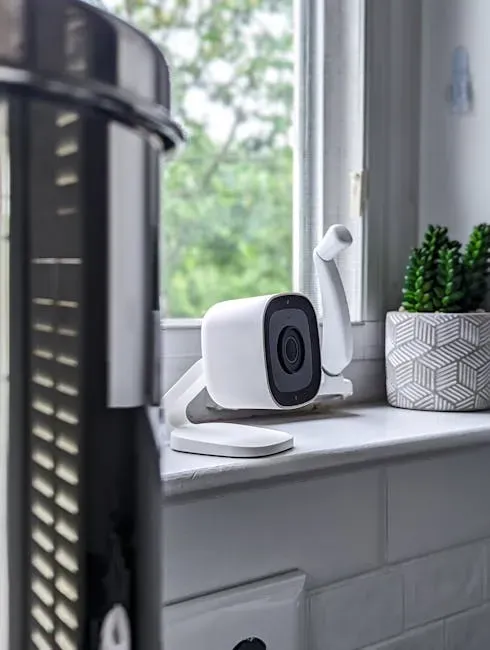
I will be honest. On day fourteen, I sat at my kitchen table and realized that somewhere out there, a server was logging the exact time I made coffee, the temperature I prefer at 7 a.m., how often I check my front door camera, and roughly what time I go to bed. That is not paranoia. That is just how these systems work.
Research by Parks Associates reports that 72% of smart home product owners are concerned with the security of the personal data collected by their devices. Nearly three quarters of people using these systems have active concerns about their own data. The collection and processing of user data in smart home environments currently lacks transparency and control, and smart home applications operate within the home, a space that is both morally and legally particularly protected with an implicit expectation of privacy.
Research from NYU Tandon found that IoT devices can inadvertently expose sensitive data within local networks, including unique device identifiers and household geolocation data, which can be harvested without user awareness. That is not a theoretical risk. It is already happening in real homes, right now.
The Security Threat Lurking Inside Your “Smart” Devices
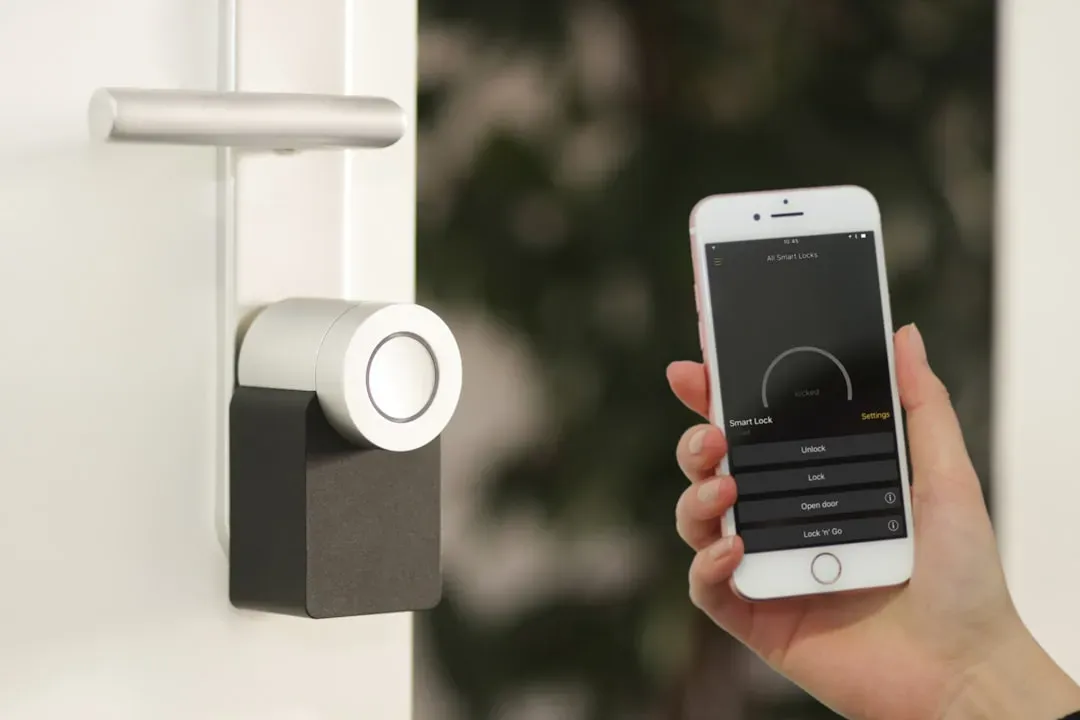
If the privacy issue makes you uncomfortable, the cybersecurity angle is even more unsettling. Researchers have found that smart homes could attract thousands of hacking attempts per week, and a majority of smart home users worry that their devices could be vulnerable to hacking. Thousands of attempts. Per week. Let that sink in.
Smart home devices often lack robust security features, leaving them susceptible to exploitation. Weak authentication mechanisms, such as default passwords or no authentication at all, create clear entry points for unauthorized access. This is not a problem on the far horizon. According to Parks Associates, 54% of U.S. internet households report experiencing a data privacy or security issue over the last 12 months, an increase of 50% since 2018.
An estimated 80% of IoT devices are broadly vulnerable to a wide range of attacks. Connecting your lights, locks, and thermostat to the internet without understanding this reality is, I think, a genuinely risky thing to do.
Automation Fatigue: When Convenience Becomes a Burden

Around day twenty, something subtle started happening. I found myself overriding the AI more often than I was letting it run. The lights would adjust to a mood I was not in. The thermostat would decide I was asleep when I was just sitting quietly. The morning routine sequence would trigger even when I had woken up two hours early.
Research shows that the degree of automation strongly influences privacy and trust perceptions, with higher automation leading to more concerns, reflecting a deeper challenge in how users relate to fully automated environments. There is even a name for what I was experiencing. Automation fatigue. It is the point at which constant alerts, unexpected behaviors, and the sheer relentlessness of a system making choices for you starts to feel oppressive rather than helpful.
As automation and system complexity increase, users can feel insecure and afraid of a loss of control, which raises concerns about privacy and trust. Users express concerns about reliability, software glitches, and potential data misuse, and there is unease about ceding control to automation. Honestly, I relate to every single one of those people.
The Energy Savings Promise: Real, But Only If You Stay Engaged
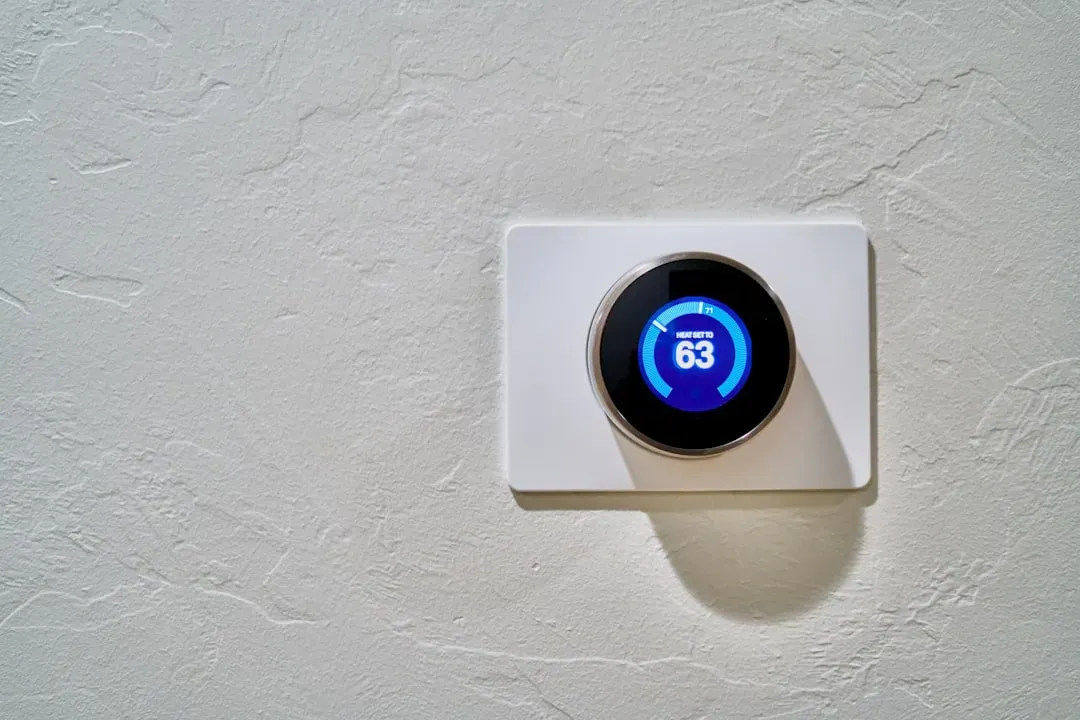
Here is where I will give AI home systems genuine credit. The energy management side of things is legitimately impressive, when it actually works. Studies have shown that smart thermostats alone can save up to 12% on heating and 15% on cooling costs, and when combined with other smart devices, total energy savings can range from 10% to 30% or more.
Heating and cooling consume more energy than any other appliance in the home, making smart thermostats the best candidate for energy savings. These devices can monitor and adjust temperature even when you are away and can automatically turn down heating and cooling when it is not needed. That part genuinely impressed me during my experiment.
The catch? Parks Associates reports that barriers remain, with many households citing a lack of information or time as key reasons they have not taken more steps, and better education and user-friendly platforms will be crucial to overcoming these challenges. The energy savings are real, but they require active engagement and proper configuration to deliver on their promise.
Why I Finally Went Back to Manual Control
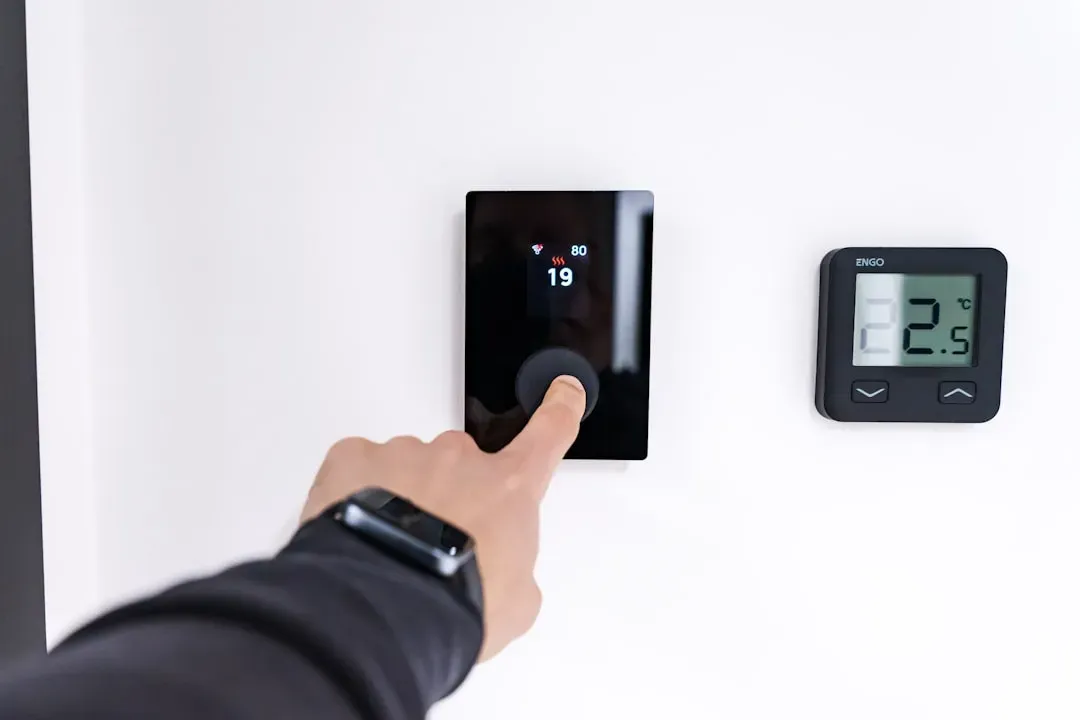
On day thirty, I sat down and made a very deliberate choice. I kept the smart thermostat. I kept two smart lights in the living room. I turned off the AI automation routines for everything else and went back to controlling things manually, on my own terms.
Research highlights widespread distrust and skepticism toward smart home technologies, particularly from major tech companies, with users expressing concerns about reliability, software glitches, and potential data misuse. I am not saying smart home AI is bad. I am saying full automation is a different kind of life, one that demands a level of trust in technology and corporations that many of us are simply not ready to give.
Advanced AI home automation systems can genuinely learn your daily routines and automatically adjust your environment without manual programming, and unlike traditional smart homes that require extensive setup, AI systems observe your behavior and make intelligent decisions. The potential is real. The technology is genuinely advancing. The industry is not slowing down. But somewhere between the glossy product promises and the actual daily experience of living with full automation, there is a very human need: the need to feel like you are still in charge of your own home.
The 30 days taught me that smart home AI is a powerful tool. The moment it becomes a system running your life rather than supporting it, something quietly important is lost. What would it take for you to hand full control of your home to an AI? Think about that the next time you reach for a light switch.