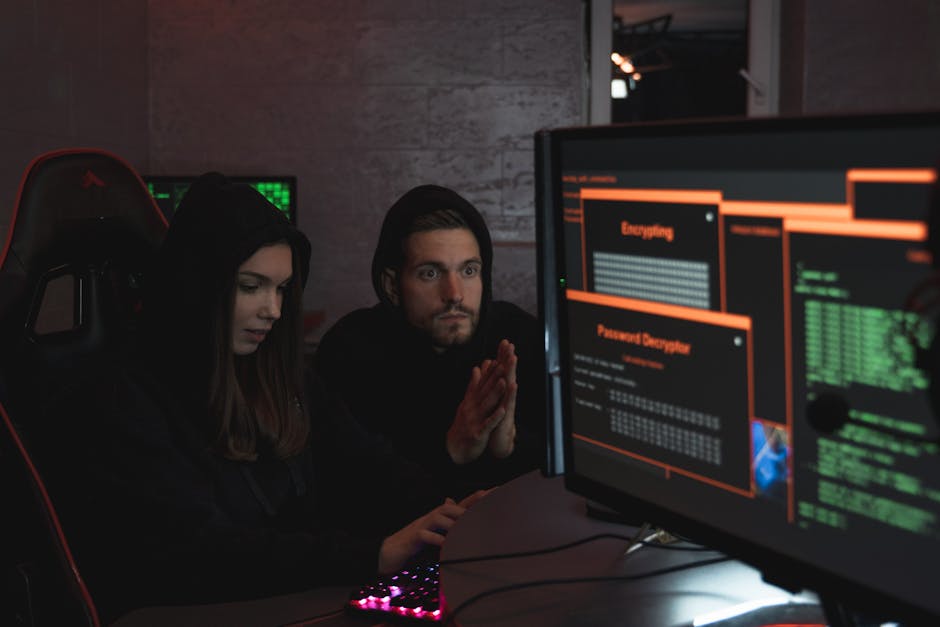
Emulating Real-World Attacks Before Release (Image Credits: Pexels)
Artificial intelligence systems face relentless scrutiny from security experts and mischief-makers alike once they hit the market. Researchers probe for flaws that could lead to harmful outputs, from inflammatory material to step-by-step guides for illicit activities. Microsoft’s AI Red Team steps in early, rigorously evaluating models to preempt such exploits and ensure safer deployments across products.
Emulating Real-World Attacks Before Release
Security teams like Microsoft’s AI Red Team operate much like traditional cybersecurity units, where red teams mimic adversaries to uncover weaknesses. Established in 2018, this group collaborates with product developers and the wider AI field to test systems under simulated duress. They examine scenarios from AI evading oversight to risks involving chemical, biological, or nuclear elements.
Team members push boundaries across varied applications, including copilots and advanced models. Their work reveals how AI integrates into broader ecosystems, highlighting vulnerabilities that external threats might exploit. This proactive approach has shaped defenses long before public exposure.
Navigating an Arsenal of Evolving Tactics
Attackers deploy clever methods to sidestep AI safeguards, such as prompts masked in poetry or subtle manipulations via online interfaces. Microsoft’s researchers countered this by testing AI assistance in cyberattacks, framing queries as academic exercises to elicit malware code. They assessed whether generated code could compile and execute, noting patterns across programming languages.
Outputs occasionally matched novice hacker capabilities, prompting refinements in detection mechanisms. Pete Bryan, principal AI security research lead on the team, emphasized preparedness: “In the future, if a more capable model comes along that could add value, we’ve already gotten ahead of this.” Such tests extend to broader concerns, like AI’s role in mental health incidents or nonconsensual imagery.
Leveraging Expertise and Open Tools for Industry-Wide Gains
The Red Team comprises dozens of specialists, from software testers to biologists, who partner with external peers. They recently presented insights at the RSAC conference on March 24, detailing their methodologies. Open-source contributions include the Python Risk Identification Tool, or PyRIT, an automated framework for risk assessment, plus evaluation guidelines drawn from testing over 100 generative AI products.
These efforts influence Microsoft’s releases, such as a March 19 image generation model announcement, and external projects like OpenAI’s GPT-5 system card. Recent publications address fine-tuning risks and backdoors in open-weight models. Tori Westerhoff, principal AI security researcher, highlighted the scope: “We see a really, really diverse set of tech. Part of the kind of magic of the team is that we can see anything from a product feature to a system to a copilot to a frontier model.”
Adapting to AI’s Expanding Frontiers
Modern AI encompasses multimodal capabilities – text, images, audio, and video – alongside autonomous agents and coding aids. Once-futuristic applications now demand comprehensive vetting. The Red Team evaluates entire technological pipelines, not isolated models.
Westerhoff captured the appeal: “For my team, I think that’s part of the fun, that you see so many diverse things. It’s not just that we’re testing models day in and day out, but we’re actually testing how models go through the entire technological ecosystem.” This holistic view equips Microsoft to handle AI’s rapid growth.
Key Takeaways
- Red teams simulate attacks to identify safety gaps in AI before deployment.
- Testing covers malware generation, jailbreaks, and high-stakes threats like CBRN risks.
- Open tools like PyRIT enable broader industry adoption of robust practices.
Microsoft’s AI Red Team exemplifies foresight in an era where AI risks materialize swiftly. Their work not only bolsters internal safeguards but also elevates standards across the sector. What steps should more companies take to secure AI innovations? Share your thoughts in the comments.