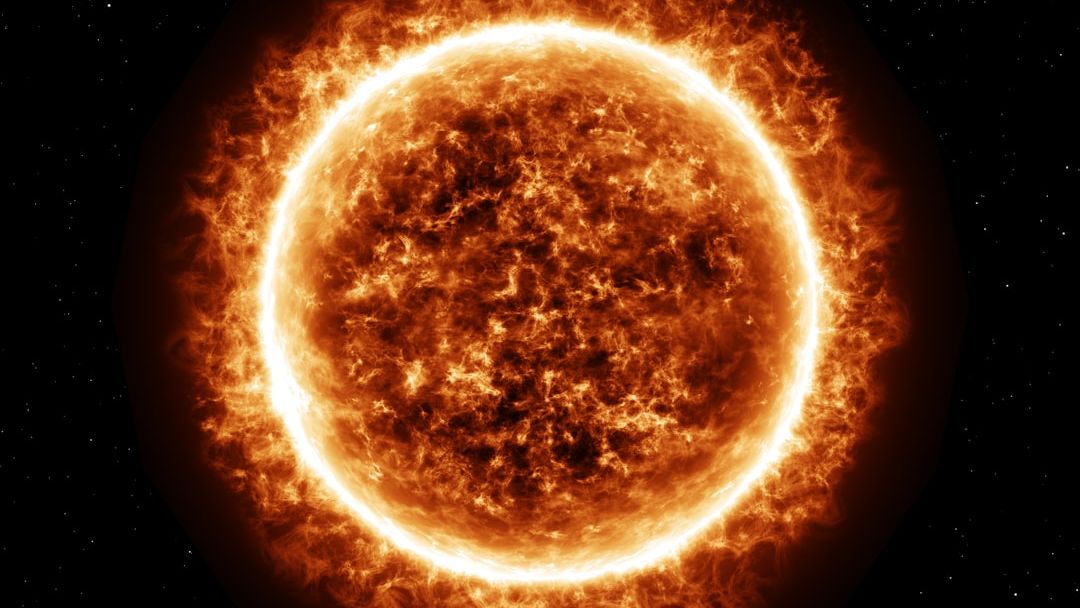

Picture this: early 2026, and a massive solar radiation storm slams Earth, the biggest in over two decades, lighting up skies with auroras while scrambling GPS signals worldwide.[1][2] Folks are freaking out online, stocking up on gear as headlines scream about power grid threats and comms blackouts from Solar Cycle 25’s wild peak. Here’s the thing – it’s not all hype, but prepping smart doesn’t have to be complicated.
Let’s dive into the frenzy and get you shielded, step by step. You might just sleep better knowing your phone and radio are safe.
What Triggered the 2026 Panic?
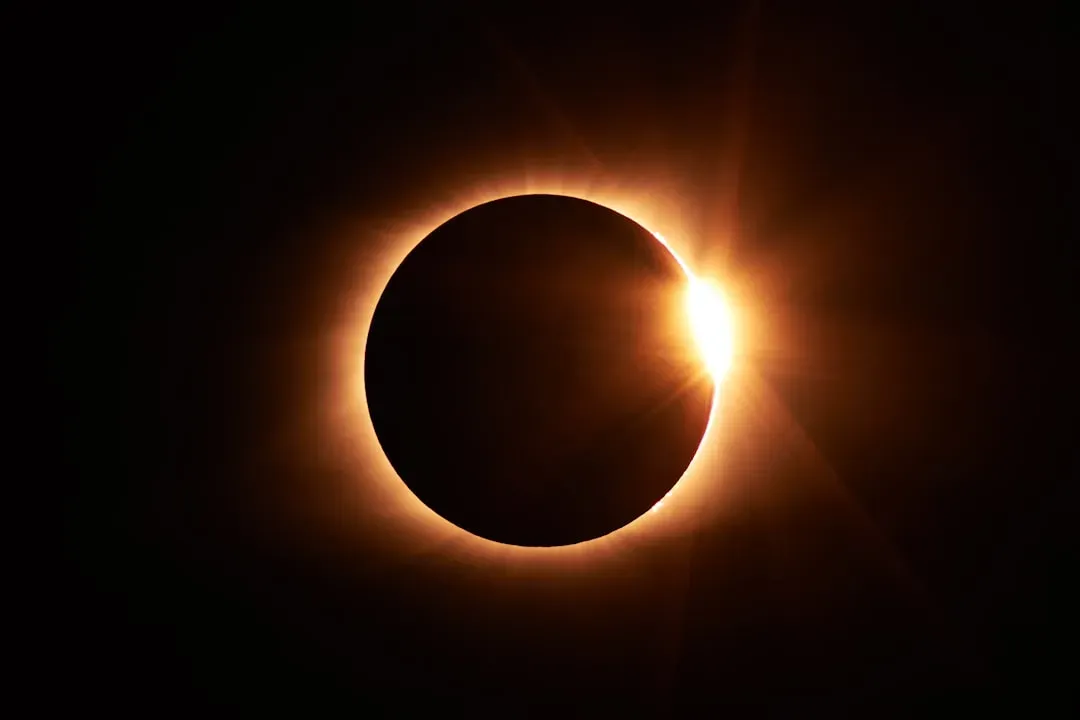
Solar Cycle 25 hit its stride hard, with NOAA noting the peak stretching into 2026 after strong flares like the X5.1 blast in November 2025 that caused radio blackouts across Africa and Europe.[3] Then came January’s severe radiation storm, disrupting GPS and sparking aurora chasers everywhere.[1] People started whispering about Carrington-level chaos, where a modern hit could cost trillions in grid damage.
Social media lit up with preppers sharing tales of past storms messing with sats and power. Honestly, it’s got everyone glancing at the sun a bit more nervously these days.[4]
Solar Cycle 25: The Real Story
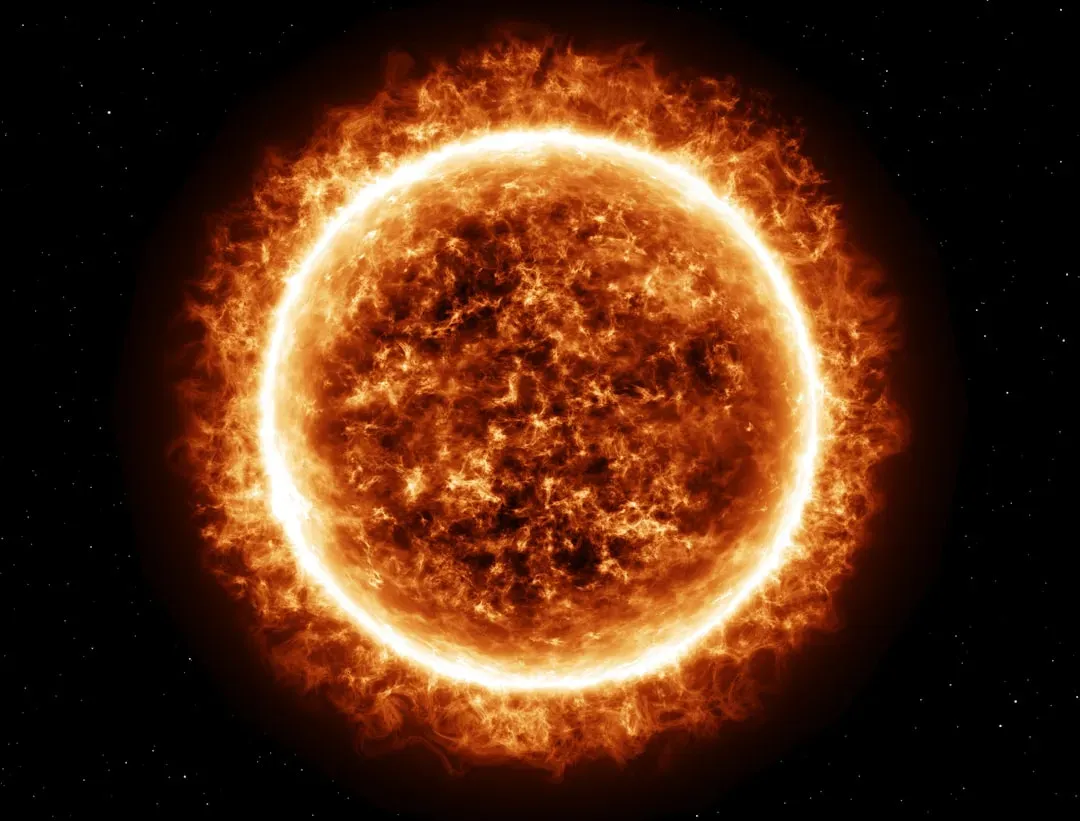
NOAA and NASA pegged the max around mid-2025, but activity dragged into 2026 with more sunspots than predicted, fueling bigger flares and CMEs.[5][6] We’re talking regions like AR4274 spitting out X-class monsters, way stronger than early forecasts.
Yet, grids held up so far, though experts warn of risks to long conductors. It’s like the sun’s throwing a party we weren’t fully invited to.[7]
Storms in May 2024 already hinted at trouble, degrading high-frequency radio and stressing sats.[8]
Recent Flares That Rattled Nerves
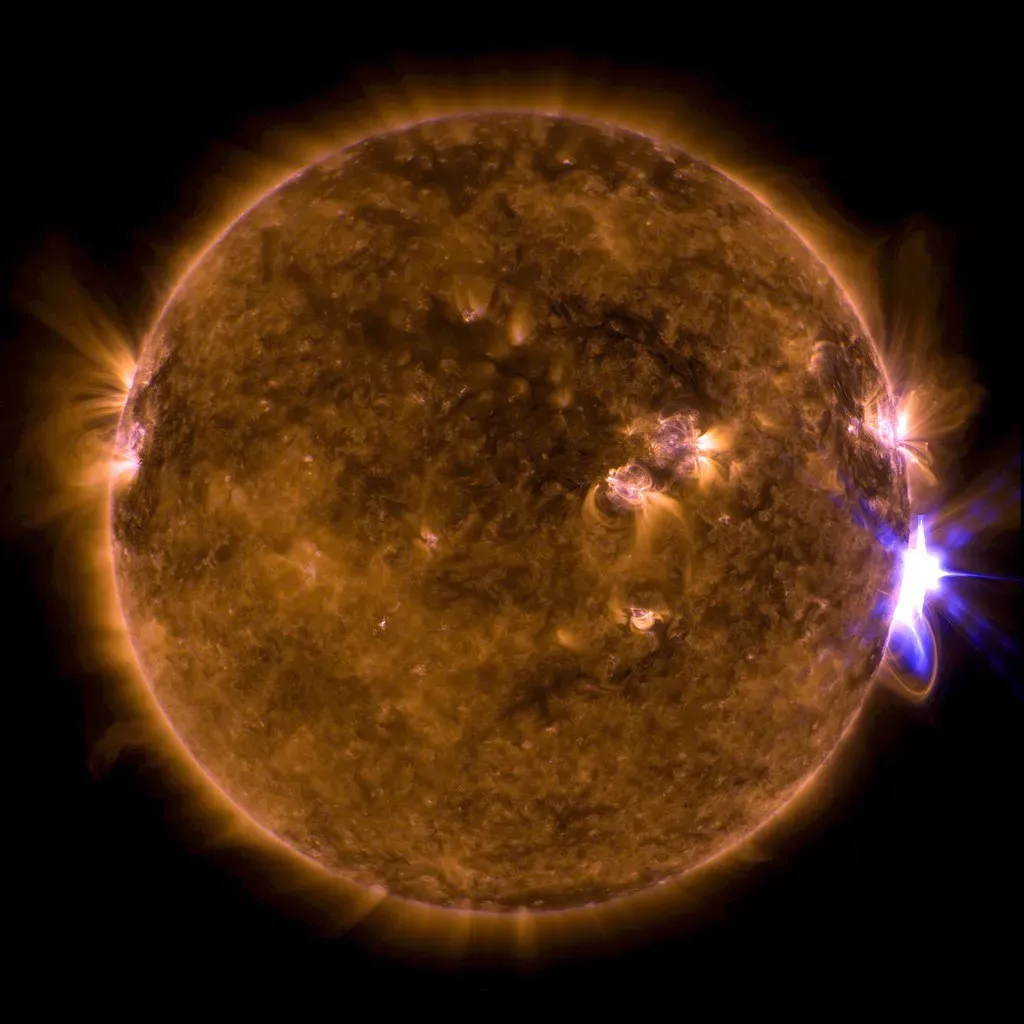
November 2025’s X5.1 from AR4274 kicked off blackouts and a potential G4-G5 storm.[3] NASA’s logs show flares peaking daily into early 2026, like the strong one on Feb 4.[9]
January 19 brought the radiation beast in 20 years, hitting comms hard. No widespread blackouts, but enough to make headlines scream apocalypse.
Risks to Your Gadgets Exposed
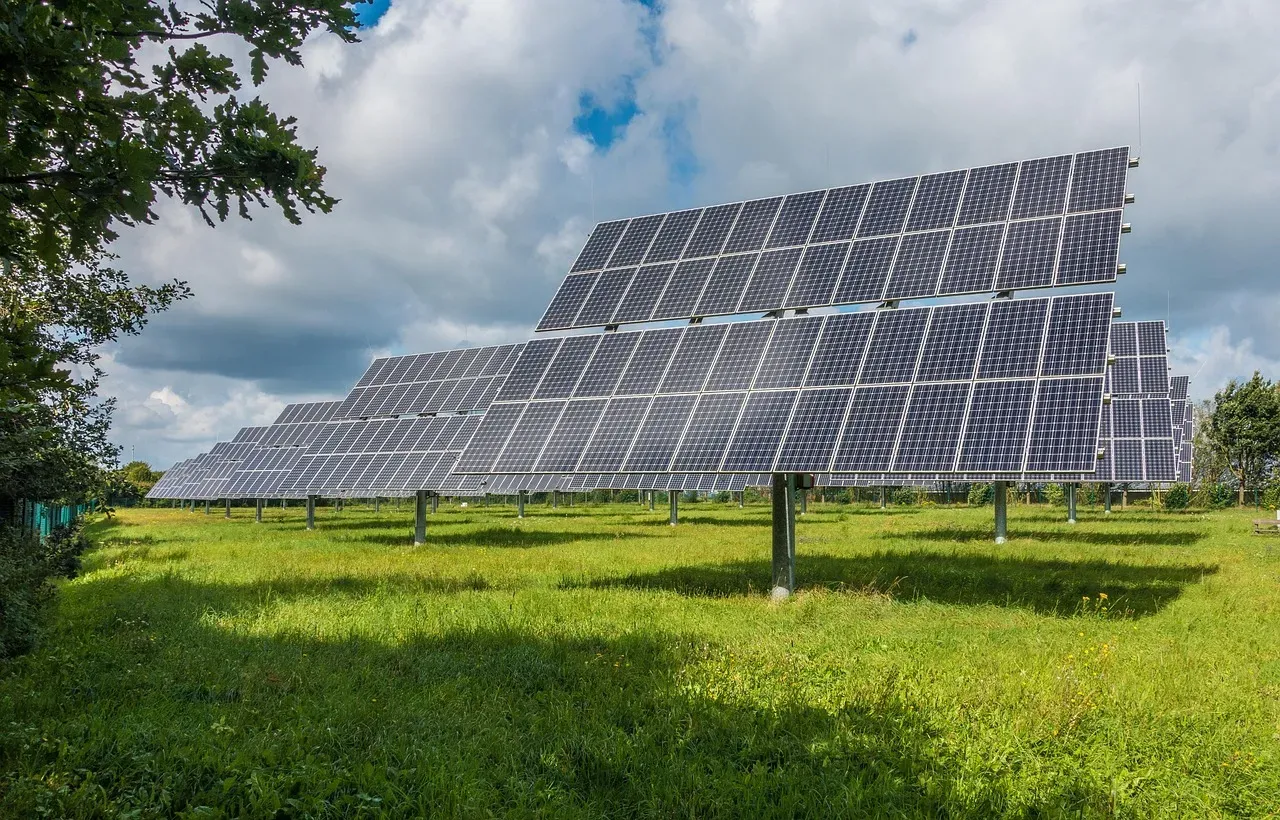
Solar storms induce currents in power lines and grids, like the 1989 Quebec blackout from a lesser event. Small electronics fare better if unplugged, but surges can fry unprotected chips.[10]
Carrington-scale? Think weeks of outages, trillions in damage, sats wiped. Faraday cages block those electromagnetic pulses for handheld stuff – your backup radio, phone, GPS.[11]
Recent 2024-25 storms nicked airlines and GPS, proving vulnerability.[12]
Faraday Cage Basics Unpacked

A Faraday cage is a metal enclosure that redirects EMP energy around contents, shielding internals like a force field. Named after the guy who figured it out in the 1800s, it works on any conductive shell.[13]
For solar flares, it guards against E1 pulses that zap circuits. Key: no gaps, insulate devices from touching sides. Simple as that, no wizardry needed.
Tests show ammo cans block 99% of signals if sealed right.[14]
Gathering Your Build Materials
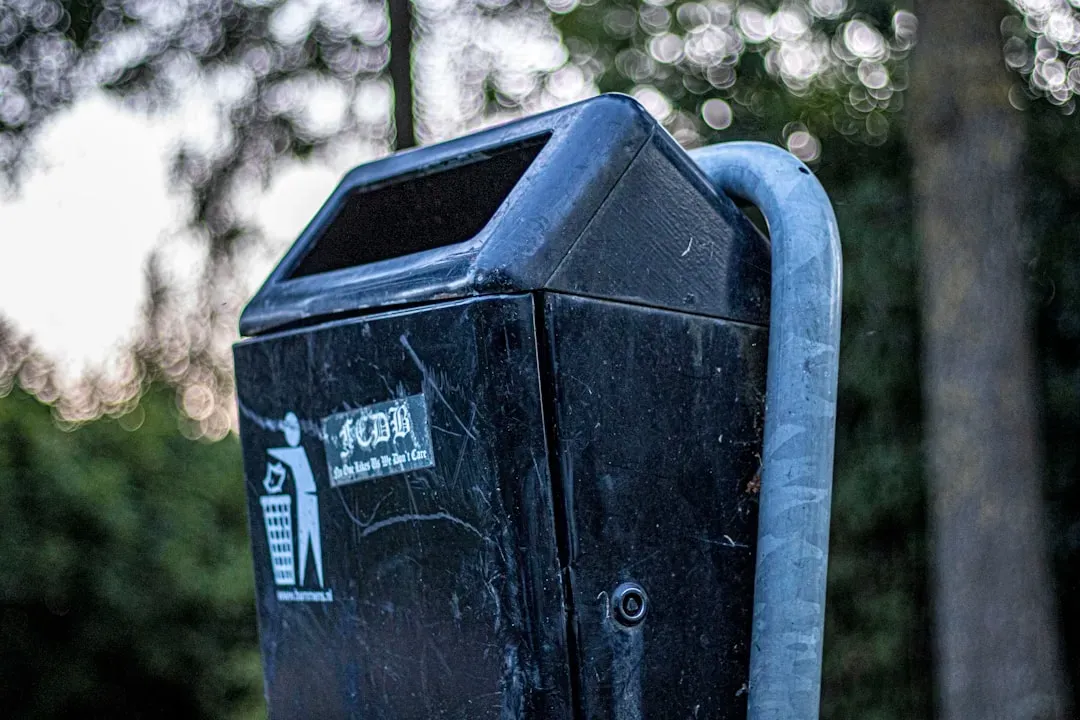
Grab a metal trash can or ammo box – fully enclosed, no plastic lids. Line inside with cardboard or foam, tape seams with aluminum or conductive tape.[15][16]
Devices powered off, batteries out if possible. Cheap foil works for mini cages, but cans scale up easy. I reckon a 30-gallon can holds a small generator too.
Step 1: Prepping the Container
Start with clean metal trash can, lid tight-fitting. Wrap interior walls floor-to-ceiling in non-conductive cardboard, overlapping seams. Seal every edge with foil tape – no light leaks.[13]
Lid gets cardboard liner too, taped firm. Ground it optional for home use, but clips help contact.
Pro tip: sand rough spots for smooth seal.[17]
Step 2: Packing and Sealing

Wrap gadgets in bubble wrap or cloth, nestle without metal-on-metal contact. Stack radios, chargers, flash drives snug. Close lid, tape perimeter heavily.[15]
Store in garage or basement, away from windows. Multiple small cages beat one big fail-prone box.
Humidity check: silica packs inside keep corrosion low.[18]
Testing for True Protection
Put phone inside, call it – no ring means good block. FM radio static? Success. WiFi router pings fail too.[17]
Apps measure RF shielding; aim for 80dB drop. Retape leaks, retest. It’s like a Faraday diet – only the best survive.
Scaling Up and Staying Ready
For car radios or inverters, bigger cans or trash barrels work. Microwave ovens repurposed, door sealed. Fabric tents for bulk, but metal rules for strength.[19]
Rotate stock yearly, check seals. With 2026 flares still lurking, this setup buys peace. What gear are you caging first?