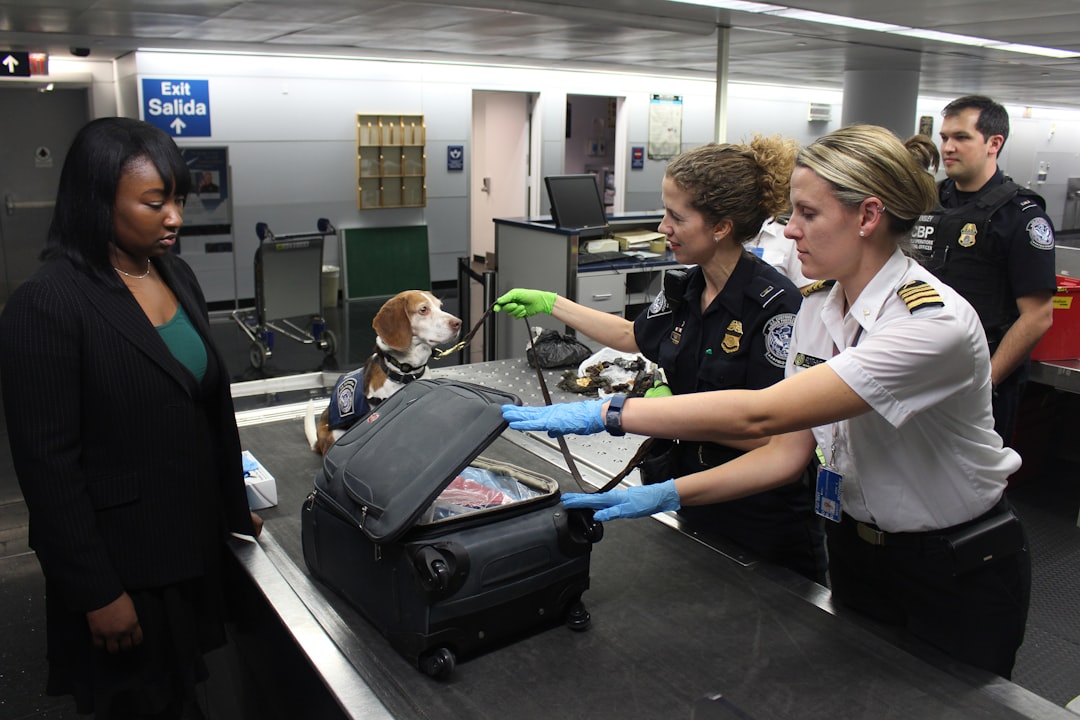
White House Talks Ignite Bipartisan Momentum (Image Credits: Unsplash)
U.S. airports faced mounting disruptions this spring as prolonged budget talks left Transportation Security Administration screeners understaffed and unpaid. Lawmakers from both parties signaled progress late Monday on a compromise to restore most Homeland Security Department funding. The proposal emerged from intense White House discussions and aims to alleviate traveler woes while addressing Democratic concerns over immigration enforcement.
White House Talks Ignite Bipartisan Momentum
A group of Republican senators met with President Donald Trump at the White House on Monday evening, sparking what participants described as constructive dialogue. Negotiators committed to refining details overnight, with plans to circulate written proposals during Tuesday’s party caucuses. Senate Majority Leader John Thune, R-S.D., characterized the exchanges as “very positive and productive,” suggesting a viable path forward.
Senate Democratic Leader Chuck Schumer echoed the optimism, noting that both sides approached the matter seriously. Republican Sen. Katie Britt of Alabama, a lead negotiator, expressed determination to finalize an agreement, likening the effort to “landing this plane.” Independent Sen. Angus King of Maine urged caution, emphasizing the need to review specifics in writing before endorsement.
Core Elements of the Emerging Deal
The framework under discussion would allocate funds to the bulk of Homeland Security operations, including critical TSA staffing at airports and Customs and Border Protection duties. Notably, it carves out Immigration and Customs Enforcement’s enforcement and removal operations, central to the ongoing dispute. Homeland Security Investigations within ICE would receive support, alongside measures to refocus officers on traditional roles rather than urban immigration sweeps.
Democrats secured additional safeguards, such as requirements for body cameras and visible identification on officers. These restrictions would extend to ICE activities funded through prior tax legislation, where personnel have continued receiving paychecks. Sen. Chris Coons, D-Del., outlined three potential paths: zero ICE funding without limits, full funding with robust restraints, or the hybrid approach now gaining traction.
Travel Chaos Underscores Urgency
Extended security lines plagued major U.S. airports as the funding lapse exacerbated TSA shortages during peak travel periods. President Trump recently directed ICE officers to assist at checkpoints, a move that heightened concerns among some legislators about inflaming existing tensions. The impasse stemmed from Democratic insistence on curbing aggressive immigration tactics, particularly after incidents involving U.S. citizen deaths during ICE-related protests in Minneapolis.
These developments disrupted airlines and passengers alike, amplifying pressure on Capitol Hill to act swiftly. Sen. John Hoeven, R-N.D., acknowledged the complexity but voiced hope for resolution amid the “different variables in the equation.”
Leadership Shift Signals Fresh Start
Senators confirmed Markwayne Mullin as the new Homeland Security secretary on Monday, succeeding Kristi Noem, whose tenure oversaw controversial enforcement actions. Mullin addressed Democratic priorities during his confirmation, advocating for judicial warrants over administrative ones in home searches. Sen. Peter Welch, D-Vt., hailed Noem’s departure as a “big deal” in advancing reforms.
The change injects new dynamics into the negotiations, potentially easing entrenched positions. With Mullin now at the helm, focus shifts to implementing operational tweaks demanded by opponents of expansive deportation efforts.
Key Takeaways:
- Proposal funds TSA and most DHS but excludes ICE enforcement and removal operations.
- New rules mandate body cameras, IDs, and role refocusing for immigration officers.
- Markwayne Mullin’s confirmation replaces Kristi Noem amid calls for warrant reforms.
This potential accord offers relief for stranded travelers and a blueprint for bridging partisan divides on immigration. As details solidify, the deal could mark a turning point in the protracted standoff. What steps should lawmakers prioritize next to ensure smooth implementation? Share your thoughts in the comments.