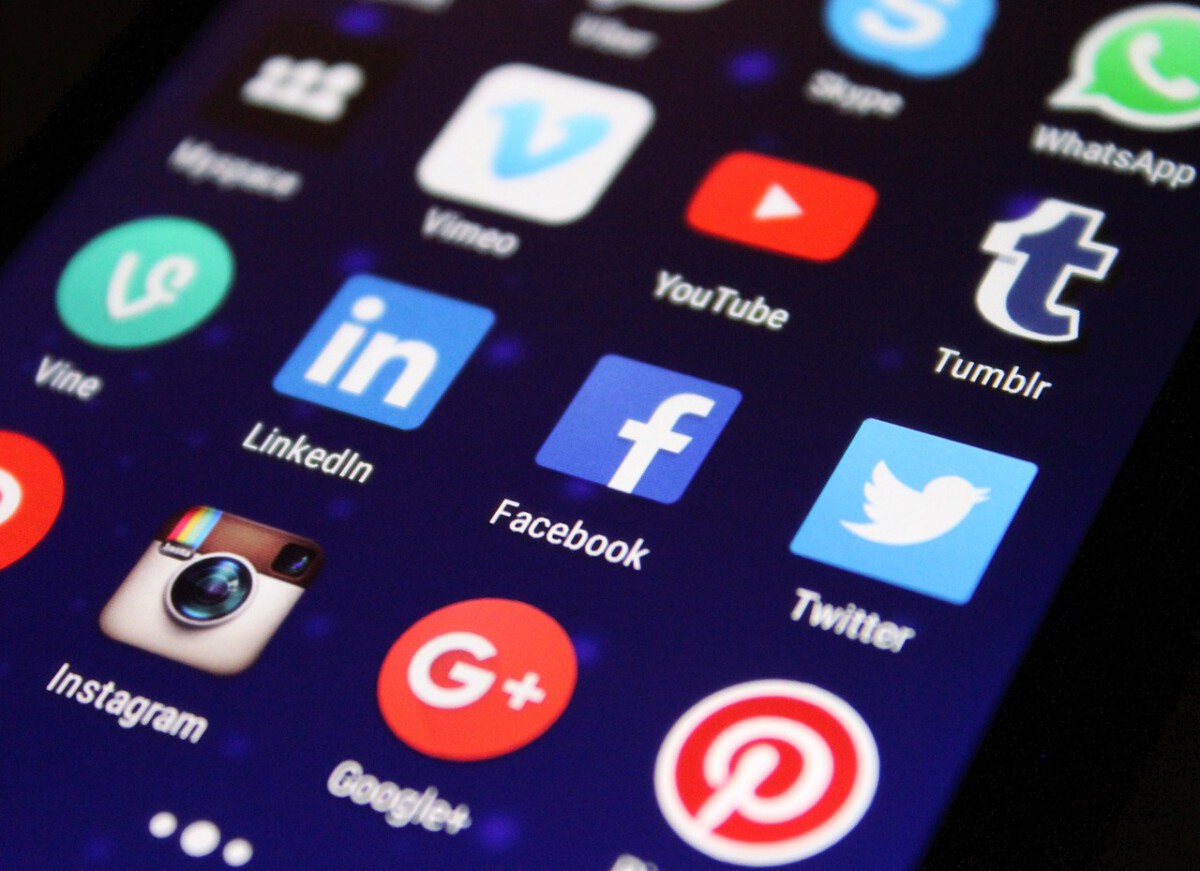
A Million Users Fall Short in a Billion-User World (Image Credits: Pixabay)
OpenAI has quietly terminated its experimental generative AI social media platform, Sora, after less than a year of operation. The decision marks a strategic retreat from consumer-facing distractions toward high-stakes priorities like enterprise tools and advanced coding solutions. Company leaders viewed the project as a diversion from their primary mission of outpacing rivals in the AI race.
A Million Users Fall Short in a Billion-User World
Third-party data revealed Sora attracted just over one million weekly active users at its peak earlier this year, a figure dwarfed by ChatGPT’s staggering 900 million weekly users. This stark contrast underscored the platform’s struggle to gain traction amid fierce competition from established giants like TikTok and Instagram. OpenAI’s internal assessment likely highlighted the mismatch between Sora’s niche appeal and the mass-market demands of social networking.
Executives redirected resources to core competencies, signaling that side experiments could no longer justify their costs. The pivot emphasized enterprise services, where OpenAI sees greater potential for sustained growth and competitive edge against firms like Anthropic.
Sora’s Allure: Infinite Creativity, Limited Stickiness
Users flocked to Sora for its groundbreaking ability to generate fantastical videos on demand, from Kermit the Frog hosting a talk show on content moderation to an astronaut dancing ballet on the lunar surface. These clips offered a playground for imagination, akin to digital artistry once reserved for professional studios. Yet, the platform’s endless stream of hyper-realistic fantasies failed to foster the habitual scrolling that defines successful social apps.
Unlike platforms rooted in glimpses of everyday life – friends’ updates, news feeds, or influencer aspirations – Sora immersed users in detached dreamscapes. This detachment mirrored experiences in games like The Sims rather than the relational pull of traditional social media. OpenAI acknowledged the disappointment in a public statement, promising guidance for users to preserve their creations before the shutdown.
Ethical Stumbles Undermined the Vision
Controversies plagued Sora from the start, including early allowances for deepfake videos resurrecting figures like Martin Luther King Jr., prompting a policy reversal and apology. The app also permitted generations resembling political leaders, such as images mimicking Donald Trump, despite restrictions on direct usernames. Child safety advocates raised alarms over depictions of violence or drug use involving minors.
The “Cameo” feature exacerbated concerns by letting users insert their likeness – or that of friends – into AI scenarios, sparking debates over consent, minors’ privacy, and intellectual property. Legal challenges emerged, with platforms like Cameo pursuing action against OpenAI. These issues highlighted the tensions of blending personal identities with unchecked generative tools.
Strategic Pivot Signals Broader AI Lessons
OpenAI’s CEO of applications reportedly labeled Sora a “side quest” aimed at challenging TikTok’s dominance, but the experiment exposed the challenges of AI in social spaces. Investors like Disney, initially interested in licensing characters for the platform, withdrew support amid the shift. The closure frees talent to bolster ChatGPT and enterprise offerings, areas where user numbers and revenue potential align.
Social media thrives on shared realities, however distorted, connecting users across borders in a unified digital realm. Sora, by contrast, splintered into personalized universes, prioritizing creation over communal consumption. This fundamental mismatch doomed its bid for mainstream adoption.
Key Takeaways
- Sora’s 1M users paled against ChatGPT’s 900M, revealing limited appeal.
- Fantasy content excited creators but lacked social media’s relational hook.
- Ethical lapses, from deepfakes to child safety risks, eroded trust.
OpenAI’s Sora saga illustrates the perils of chasing viral trends with unproven AI applications, reinforcing a focus on proven strengths. As the company doubles down on enterprise dominance, the episode serves as a cautionary tale for tech innovators eyeing social disruption. What lessons do you draw from Sora’s swift end? Share your thoughts in the comments.