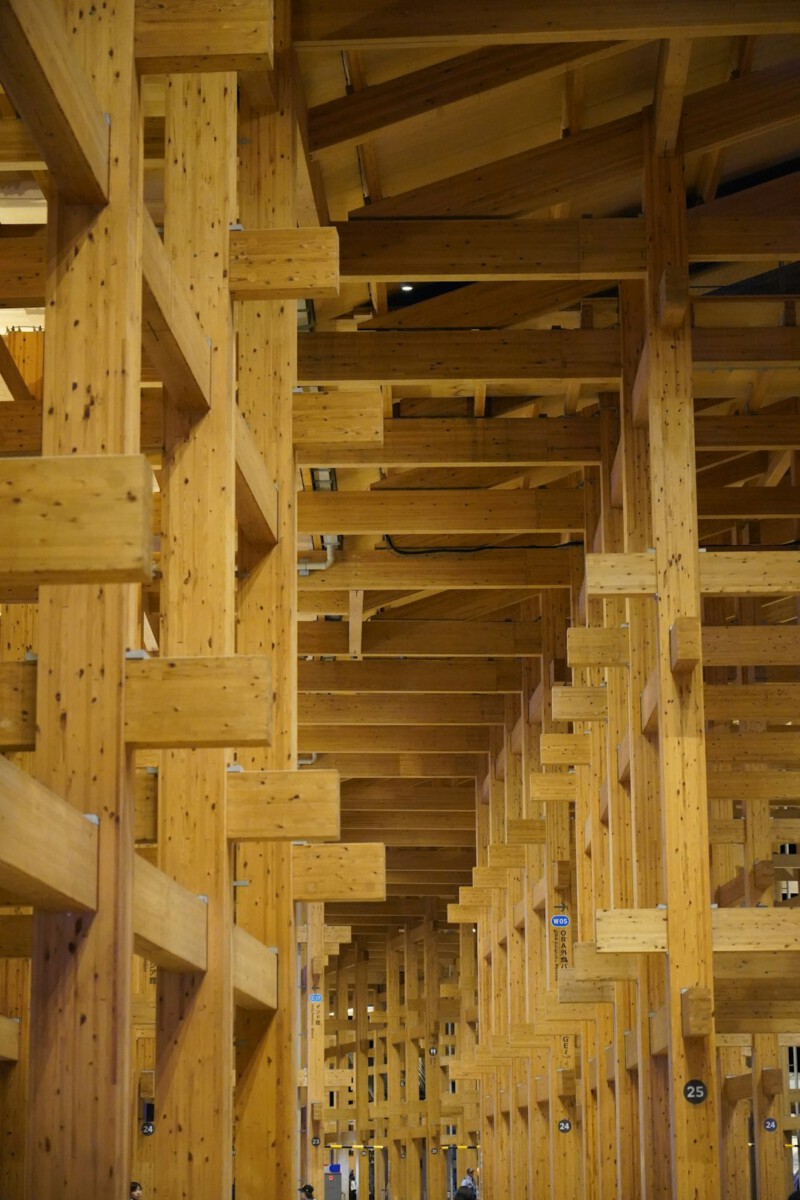
Reframing Perceptions to Ignite Demand (Image Credits: Unsplash)
The push for sustainable construction intensifies as the world grapples with climate challenges. Buildings consume over a third of global energy and contribute nearly 40 percent of greenhouse gas emissions, largely due to the high-energy production of materials like concrete and steel. Mass timber, an engineered wood product offering robust strength with a lighter environmental footprint, presents a viable path forward. It slashes embodied carbon by up to 26.5 percent per square foot compared to concrete and enables faster builds through prefabrication.
Reframing Perceptions to Ignite Demand
A surprising shift occurred when developers began viewing mass timber not as an unproven novelty but as the key to modern, appealing workspaces. Commercial real estate long favored sleek glass-and-steel structures, yet demand grew for environments echoing historic lofts with better efficiency. An architecture firm partnered with a major developer to pioneer this approach, delivering the first multi-story timber office in the U.S. in over 100 years.
This project demonstrated how altering the storyline around a material can unlock opportunities. Tenants sought authentic atmospheres that also prioritized planetary health. Through iterative designs and proven systems, the team showed mass timber could blend character with high performance, attracting premium occupants and setting a precedent for others.
Shared Exploration Dissolves Resistance
Skepticism in new sectors often stems from unaddressed uncertainties, but collaborative inquiry changes that dynamic. When expanding mass timber into hospitality, where costs and guest perceptions loomed large, organizers avoided hard sells. Instead, they convened designers, manufacturers, developers, and brands like Marriott in roundtable discussions to pinpoint knowledge gaps.
Participants collectively tackled questions like construction speed and viability. The effort revealed a 180-room timber hotel could assemble up to two months quicker than its concrete counterpart. This discovery-driven method fostered partnerships, turning potential critics into advocates and paving the way for broader trials.
Forging Networks Over Top-Down Control
True breakthroughs demand interconnected systems rather than isolated efforts. Mass timber’s integration reshaped workflows, compelling firms to rethink alliances beyond their own teams. A notable example involved linking with academic institutions, such as a university’s design college, to merge research with practical builds.
This setup bridged theoretical insights and on-the-ground challenges, ensuring designs met engineering standards. Success hinged on humility: teams entered with hypotheses but stayed open to revisions. The philosophy emphasized distributed strength – no single element bore the full weight – allowing projects to thrive on collective input from equals.
- Partner with diverse experts early to cover blind spots.
- Test assumptions through joint pilots.
- Prioritize adaptability in workflows.
- Share learnings across the network.
Empowering Advocates to Sustain Progress
Innovation rarely spreads without dedicated proponents pushing against inertia. Mass timber gained traction because professionals across fields championed it, validating applications despite doubts. Engineers, researchers, clients, and leaders all played roles in testing and refining its use.
Intentional steps amplified this: pilot initiatives measured outcomes, assumptions faced scrutiny, and successes circulated widely – even to rivals. This multi-level buy-in transformed a niche idea into an industry contender.
| Traditional Materials | Mass Timber Advantages |
|---|---|
| High embodied carbon | Up to 26.5% reduction per sq ft |
| Lengthy on-site work | Prefabrication speeds assembly |
| Industrial interiors | Exposed wood boosts well-being |
Key Takeaways
- Shift narratives to align with market desires for authenticity and sustainability.
- Use curiosity-led forums to build consensus and uncover efficiencies.
- Construct resilient ecosystems valuing all contributors equally.
- Rally champions through pilots and transparent results.
Mass timber illustrates how deliberate strategies can propel sustainable materials into mainstream use, offering a blueprint for leaders eyeing environmental progress. Industries poised for change would do well to adapt these tactics. What strategies have you seen drive innovation in your field? Share in the comments.