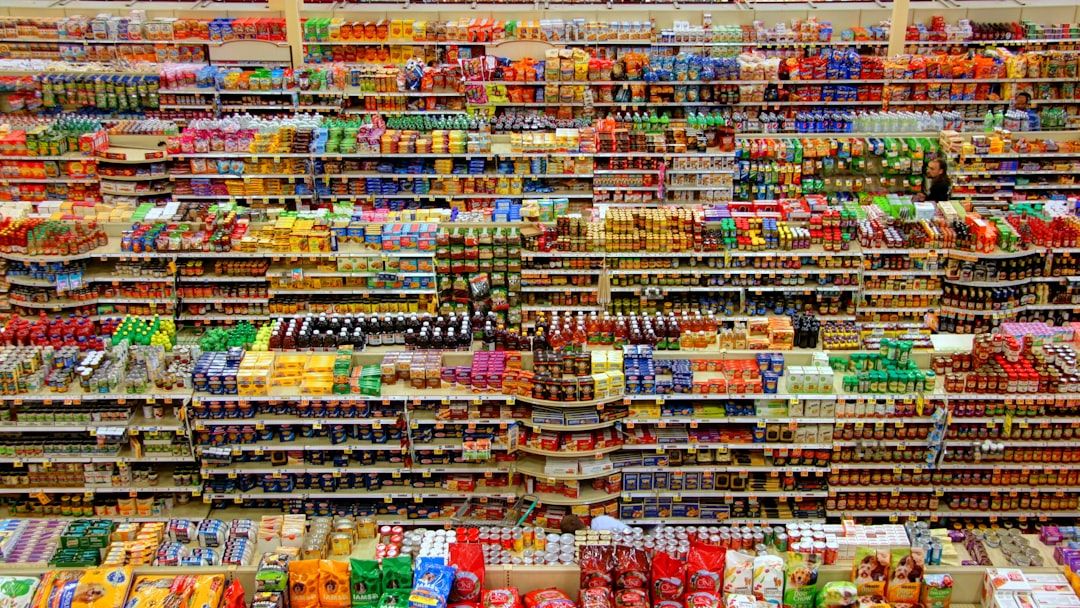

Picture this: you’re wandering the grocery aisles, eyeing that familiar big-name cereal box next to the store’s own version. Prices scream savings on the generic side, but do you grab it? Lately, more folks are saying yes, and sales numbers back it up big time.
Store brands, or private labels, aren’t just cheap knockoffs anymore. They’re surging ahead with quality that rivals the giants. Let’s unpack why this shift feels so sudden.[1][2]
Record Sales Smash in 2025
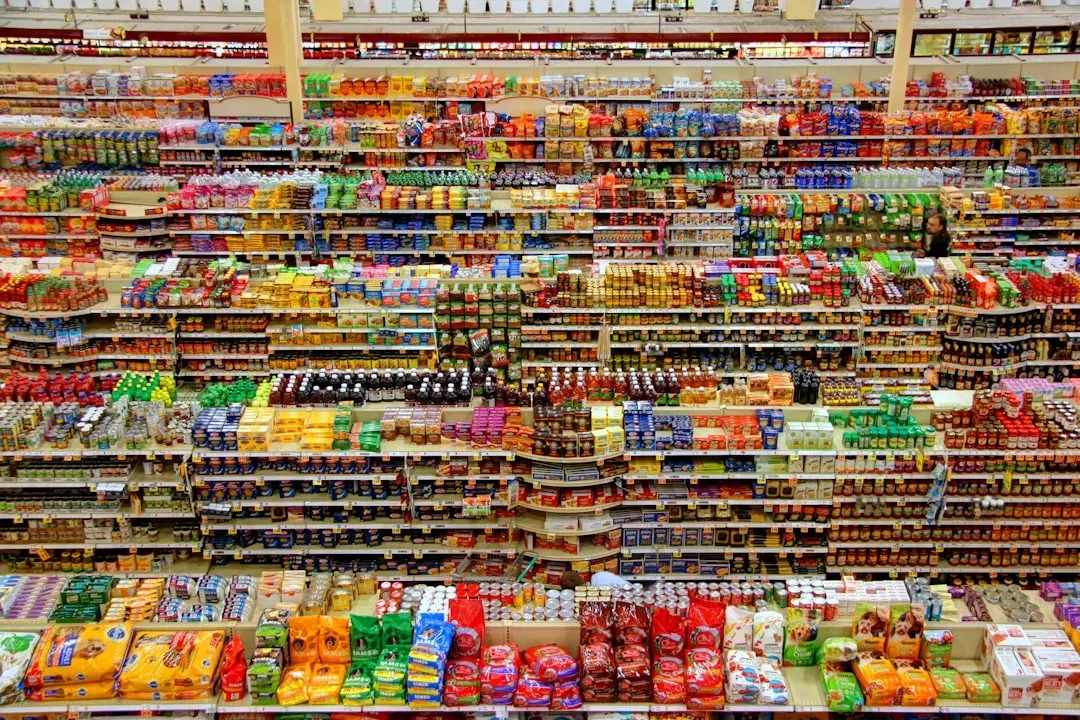
Private label sales rocketed to a whopping $282.8 billion in 2025, marking an all-time high. That’s a solid 3.3% jump from the year before, leaving national brands in the dust.[2] Retailers watched unit volumes climb too, proving shoppers aren’t skimping on quantity either.
Honestly, this isn’t a fluke. Store brands grabbed more shelf space and wallets across the board, from supermarkets to clubs.[2] I mean, who saw everyday essentials turning into such a powerhouse?
Growth Triple That of Big Brands
While national brands limped along at 1.2% growth, store brands charged ahead nearly three times faster. First-half 2025 data showed private labels up 4.4%, national at just 1.1%.[3] It’s like the underdog finally lapped the frontrunner.
This momentum built over years, but 2025 sealed it. Categories like pet care surged 5.4%, liquor 4.4%.[2] Retailers poured resources in, and it paid off handsomely.
Quality Perception Gap Closing Fast
Shoppers once swore by name brands for superior quality. Now, the belief they’re better is fading quick. Surveys show the divide shrinking rapidly as store options step up.[4]
Think about it: private labels match on taste and reliability. Recent reports highlight how consumers see them as equals, not compromises. No wonder loyalty’s shifting.[4]
84% now trust store brands as much or more than nationals. That’s a game-changer in perception.[5]
Premium Lines Stealing the Show
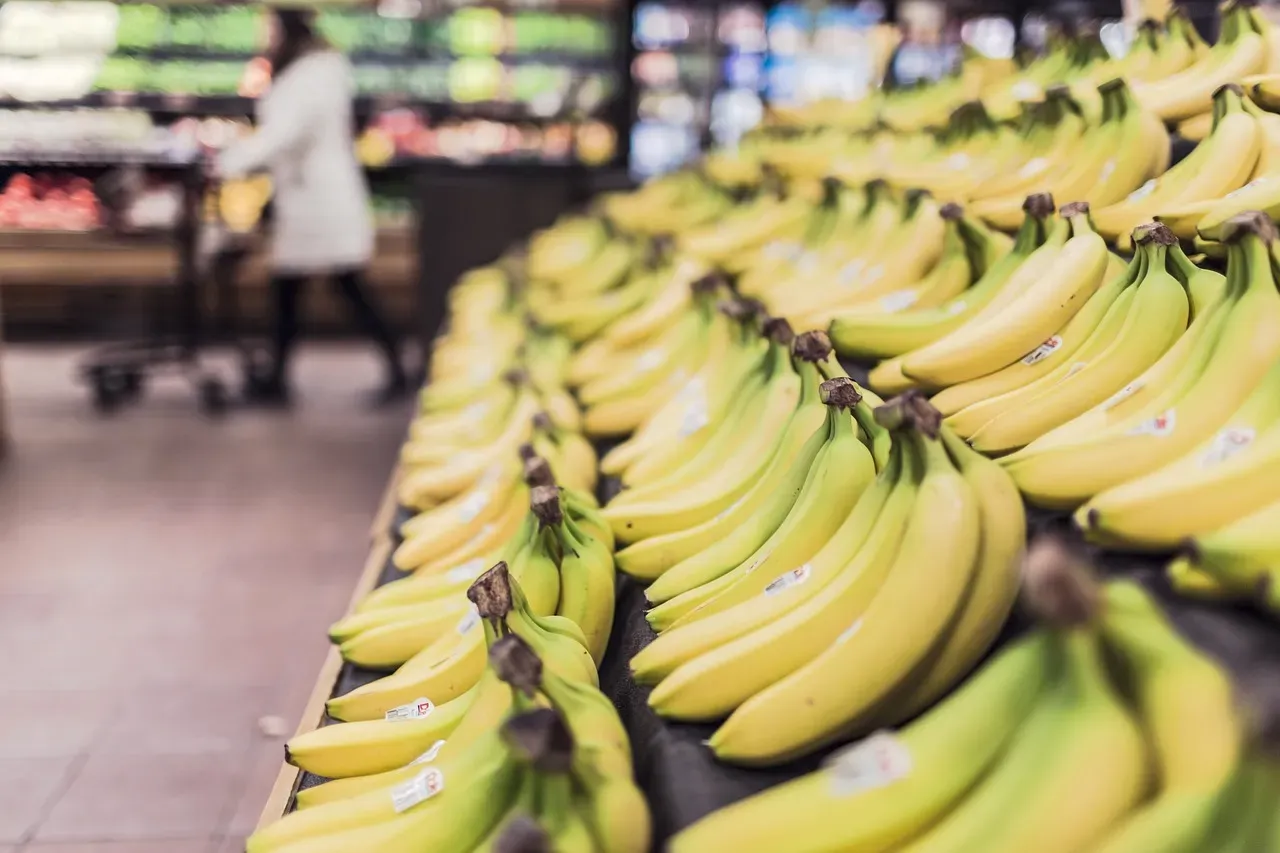
Kirkland Signature and Trader Joe’s private labels aren’t basic anymore. They’re premium powerhouses, drawing crowds with upscale twists on classics. Trader Joe’s slings nearly everything under its banner, building a $13.3 billion empire.[6]
These aren’t your grandma’s generics. High-end store brands focus on unique flavors and quality ingredients. Younger buyers and high-earners can’t get enough.[7]
Consumer Trust Hits New Peaks
Over half of global shoppers buy more private labels now, per NielsenIQ. In the US, 99% of households snag them regularly. Trust in taste and value drives this wave.[8][9]
78% pick store brands for top value, 59% for flavor. Brand trust sits at 56%. It’s clear: quality doubts are history.[10]
Retailers Innovate Faster
Store brands leapfrog nationals with quicker product tweaks. Retailers test science-backed formulas tailored to trends. This agility keeps them fresh and relevant.[11]
National giants lag in store promotions too. Private labels shine right where shoppers decide. Here’s the thing: speed wins races.[12]
Premium assortments hit online shelves at 85% availability. Digital savvy seals the deal.[13]
Affluent Shoppers Jump Aboard
High-income folks, once loyal to logos, now hunt store brand deals. Inflation nudged them, but quality hooked them. They’re reshaping the market.[14]
Gen Z and millennials fuel premium private label booms. They prioritize value without skimping on standards. This broad appeal cements the win.[15]
Dominating Key Grocery Categories
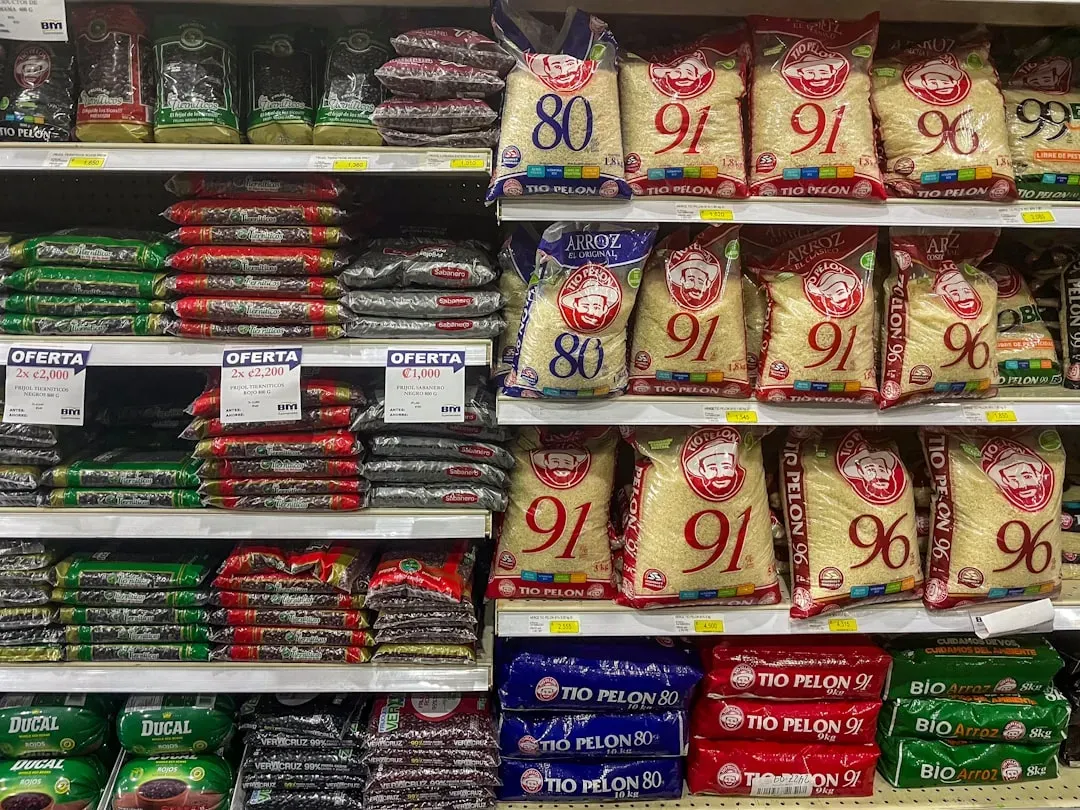
Frozen foods, beverages, and booze led private label gains. Pet care topped charts at 5.4% growth. Nationals couldn’t keep pace anywhere.[2]
Even ultra-processed scores favor stores: 6.1 vs 7.2 for nationals. Cleaner ingredients shine through. Shoppers notice, and carts fill up.[16]
Blind Tests Back the Hype

Consumer Reports taste-offs pit store against name brands. Results? Ties galore, with generics holding their own or better. No more myths about inferior taste.[17][18]
It’s like a wine tasting where the cheap bottle fools experts. Everyday folks agree in surveys. Quality parity is real.[19]
Global Momentum Builds
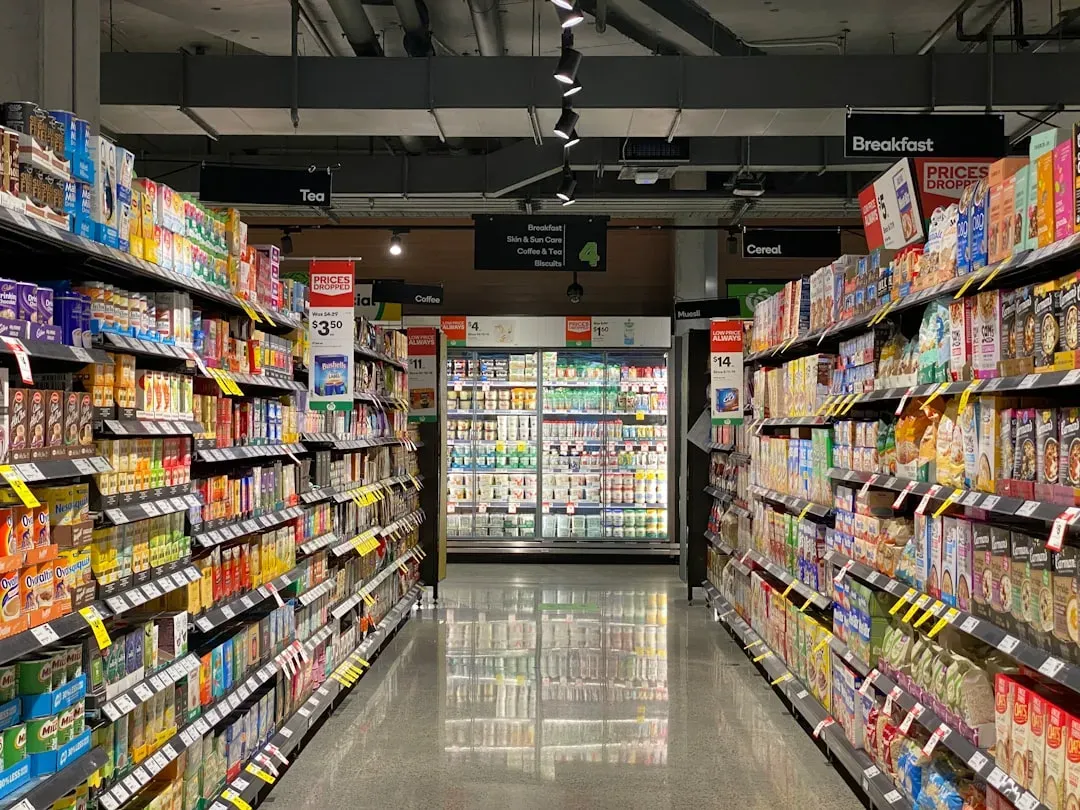
Europe’s private labels claim 38.8% share across 17 countries. Sales hit €352 billion. US trends mirror this worldwide surge.[20][21]
From dairy to snacks, stores lead. Consumers chase value and vibe. The quality war? Store brands are claiming victory.[22]
Next time you’re shopping, give that store brand a shot. You might just join the winners. What surprises you most about this shift?