
Vermont has a way of making you feel things before you even arrive. The images alone – blazing maple trees, white church steeples, winding mountain roads – are almost impossibly beautiful. So when travel lists start calling places like Stowe the “most romantic” destination in the Northeast, it’s hard not to book the trip immediately.
Honestly, I did exactly that. I showed up with high hopes, a camera, and way too much enthusiasm. What I found was something a little more complicated. Let’s dive in.
The “Romantic” Label That Sells the Dream
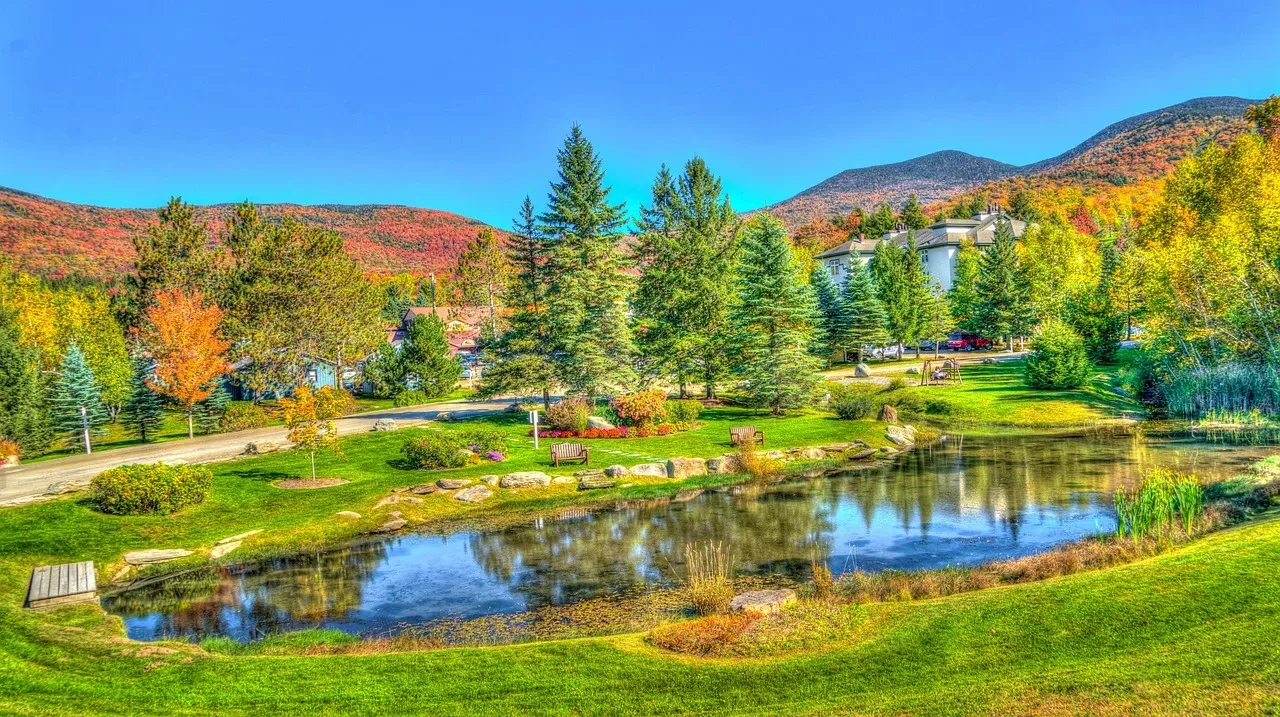
Stowe is famous for its ski slopes, mountain views, and picture-perfect New England charm – the kind you see in postcards and Instagram posts. Travel publications have leaned hard into this reputation, regularly marketing it as one of the most romantic destinations in the U.S., especially during fall foliage and winter seasons. It’s a powerful brand, and it works.
Here’s the thing though: when a place gets labeled “most romantic,” it stops being a hidden gem almost overnight. Visiting Stowe means encountering hordes of crowds and too much traffic – yet it is considered the most popular place in perhaps all of New England. That’s a lot of romance to share with a few thousand strangers.
The Numbers Behind the Hype
The 16 million people who visited Vermont in 2024 spent a record $4.2 billion on goods and services, with both visitation and spending numbers showing a modest increase from 2023. That is a staggering volume of visitors for one of the least populated states in the country. Vermont’s total population sits at roughly 650,000 people, which means tourists outnumber residents by an enormous margin each year.
Visitor spending represents 9% of Vermont’s Gross Domestic Product, significantly higher than the 2023 national state average of 3%, and the visitor economy directly supports 31,780 jobs, representing 10% of Vermont’s workforce. Tourism is genuinely the engine of this state’s economy – which makes the tension between visitor experience and local quality of life all the more complicated to untangle.
The Crowds Nobody Warned You About
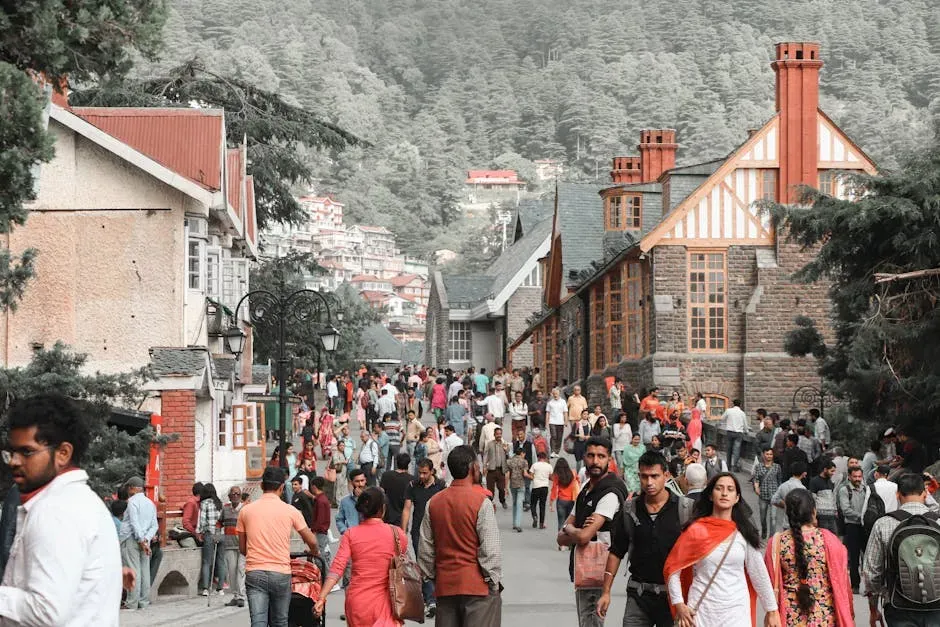
There’s no way around it: Stowe is crowded. Peak times are also the most expensive for hotel stays. If you want to avoid crowds, your best bet is late spring or early summer. But let’s be real – most people visiting for that “romantic fall weekend” aren’t thinking about late spring.
Summertime alone sees more than 5 million people travel to Vermont to enjoy its wide-open spaces and diverse attractions, and visitors love to flock to Vermont’s byways to enjoy the spectacular change of seasons every fall. Small towns like Stowe feel that pressure intensely. Visitors show up year-round – skiers in winter, hikers in summer, and leaf-peepers in fall – and while the stream of tourists brings business and energy, it also changes what it means to live in this town.
What It Costs to Stay “Romantic”
Stowe properties command exceptional rates during peak ski season, with condos near the mountain generating $300 to $700 nightly and luxury homes exceeding $1,000 during holiday weeks. That kind of pricing can turn a dream weekend into a financial stretch that feels anything but relaxing. A cozy mountain getaway suddenly requires spreadsheets.
Best-in-class short-term rental properties command rates of $945 or more per night, strong-performing properties achieve nightly rates of $602 or more, and typical median properties charge around $375 per night. Factor in dining, activities, and the inevitable maple syrup purchase, and a “romantic two-night escape” can quietly become one of your more expensive travel decisions of the year.
Short-Term Rentals and the Housing Squeeze
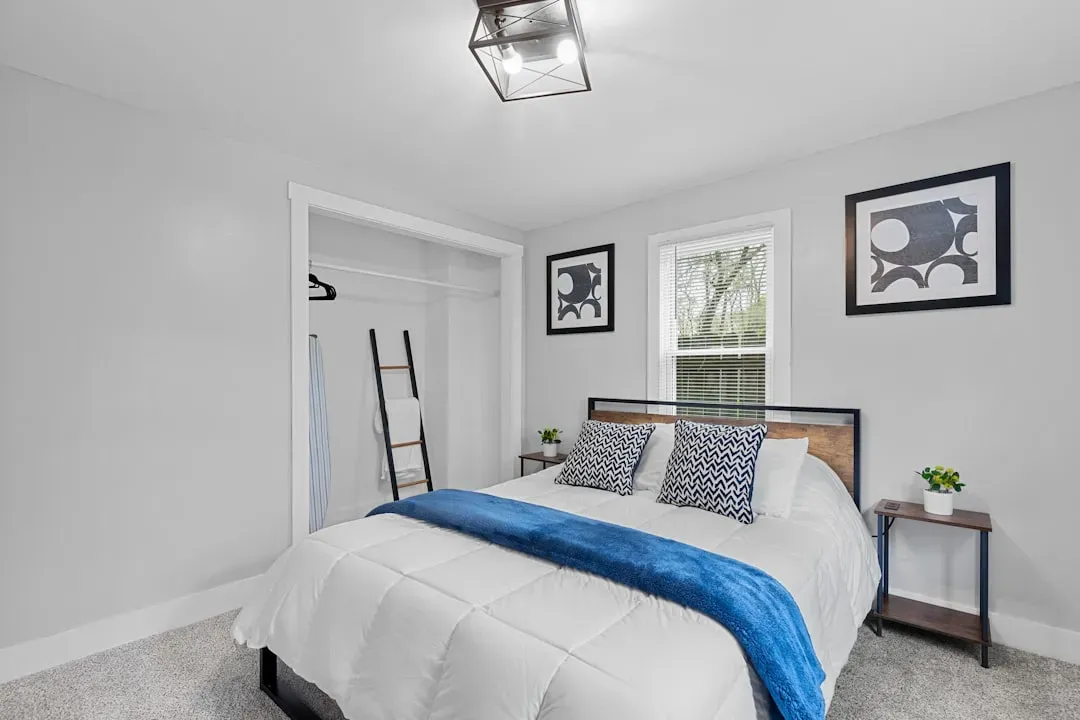
Love them or hate them, short-term rentals took center stage in the ongoing debate over how best to tackle Stowe’s housing crisis. Some year-round residents see them as the force behind the town’s increasingly unaffordable housing market, while others believe the ease of renting out second homes via platforms like Airbnb and VRBO is in line with the resort town’s rental tradition. It’s a tension playing out in mountain towns across the country, and Stowe is squarely at the center of it.
As 2026 gets underway, understanding Vermont’s vacation rental market trends is essential for property managers looking to balance the state’s role as a premier four-season destination with an evolving regulatory framework, as town-specific caps in hubs like Stowe mean operators can no longer rely on simple pricing strategies. Starting August 1, 2024, a new 3% surcharge was added to the cost of short-term rentals in Vermont, in addition to the existing 9% rooms tax, with the surcharge funding the state’s Education Fund. The costs just keep stacking up.
When Locals Lose Their Town
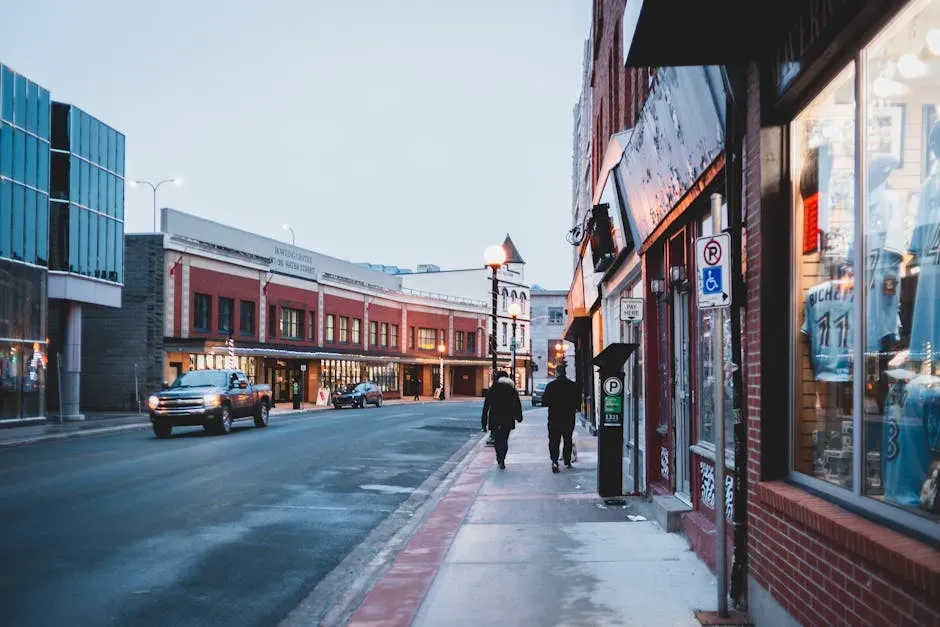
Growing up in a tourist-heavy town like Stowe means constantly adapting to change – new restaurants replacing old favorites, larger and more modern buildings taking over the rustic, homey buildings locals grew up with. Just because you live in a beautiful place doesn’t always mean it feels like it’s yours. That hit me differently once I started noticing the pattern myself – so many shops clearly built for visitors, not residents.
Finding spaces that still feel truly local is getting harder, and residents say keeping the untouched parts secret isn’t just protective – it’s kind of an act of preservation. Think about that for a second. When locals have to hide their favorite spots from their own town’s visitors, something has shifted in a way that no tourism brochure will ever mention.
The Destination Management Conversation
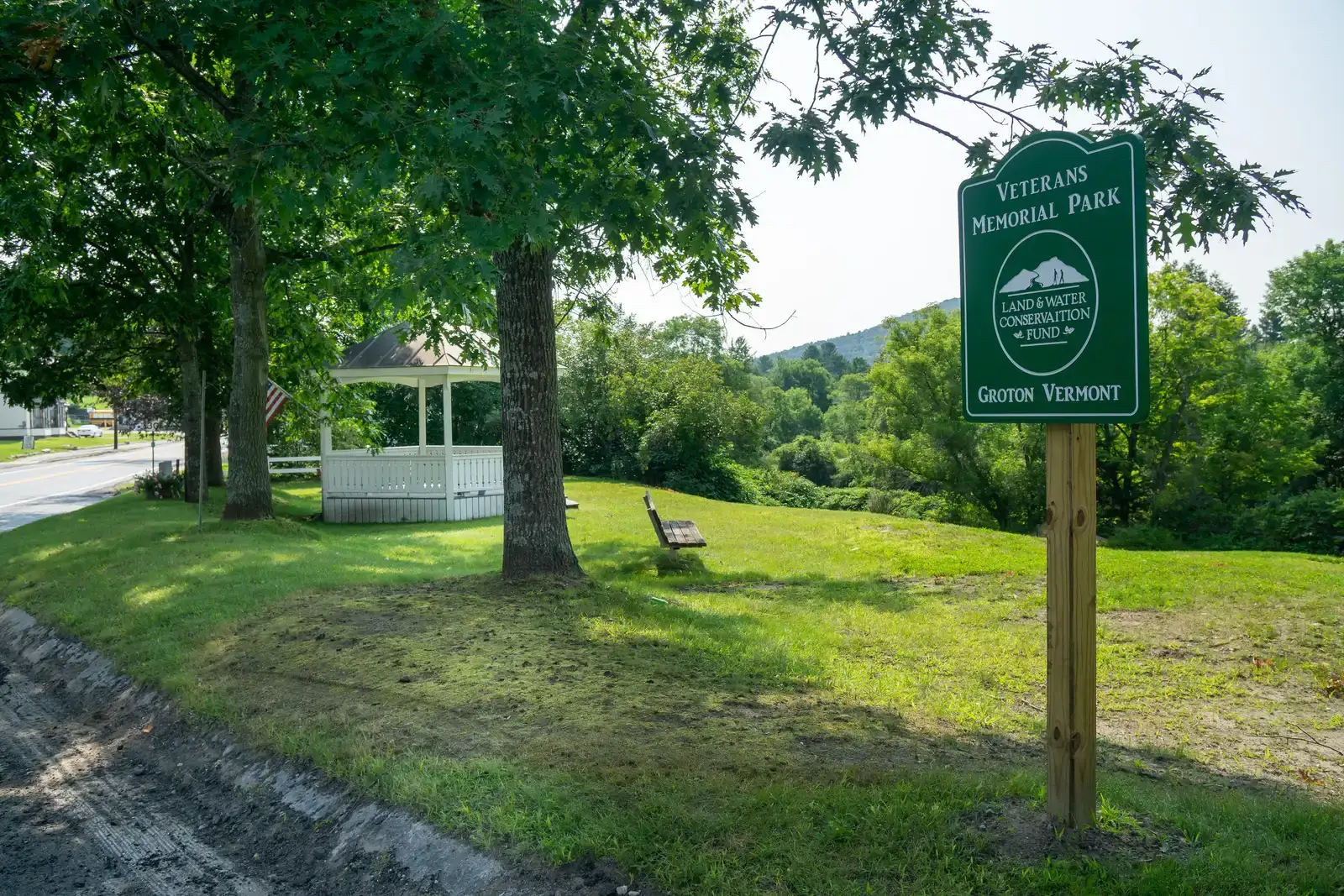
One of Vermont’s current signature initiatives is the creation of the state’s first-ever Destination Management Strategic Plan to help guide and support the sustainability and economic success of Vermont’s tourism industry, with objectives to assess tourism assets and examine existing programs and policies. This is a meaningful step – and honestly, it’s overdue for a state that carries such an outsized tourism burden relative to its population size.
In the UVM Center for Rural Studies 2025 Vermonter Poll, the vast majority of residents agreed that tourism is important to their local economy, and roughly three quarters agreed that increased tourism would have a beneficial impact on their local community. So locals aren’t simply resentful of visitors. It’s more nuanced than that – they want growth, but they also want their town back. When accounting for the ripple effects of visitor spending, the total economic activity in Vermont in 2024 reached $7 billion. That kind of money makes the conversation complicated.
Should You Still Go?
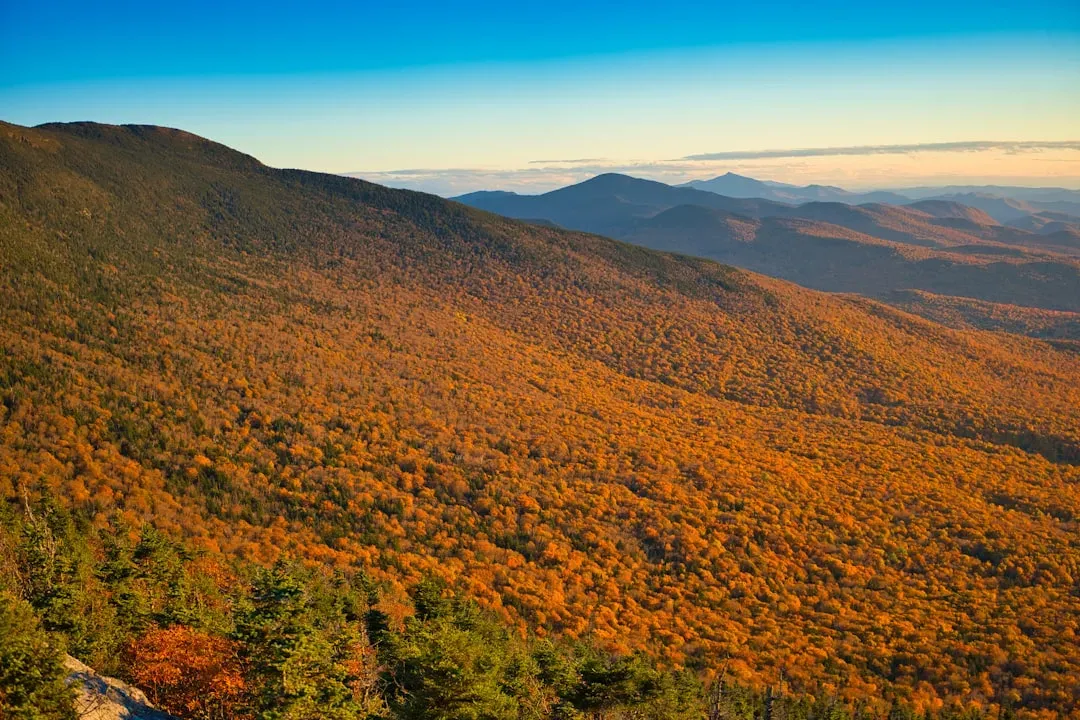
Situated against the ridgeline of Mount Mansfield, Vermont’s highest peak, Stowe is a small town known for its stunning surroundings and year-round outdoor adventures, where winters welcome skiers and snowboarders while springs and summers draw people to mountain breezes, hiking trails, and spectacular views of tranquil meadows and crystal-clear streams. None of that is false advertising. The place is genuinely beautiful. I won’t pretend otherwise.
The scenery delivers. The mountains are real, the foliage is real, and if you time it right, the magic is real too. The issue isn’t whether Stowe is beautiful – it absolutely is. The issue is whether it can still feel intimate and personal when nearly the entire tourism apparatus of a small New England town is pointed directly at you. Despite everything – the changes, the crowds, the loss of old hangouts – there’s still magic in a Stowe summer or fall visit. You just have to make it your own.
Final Thought
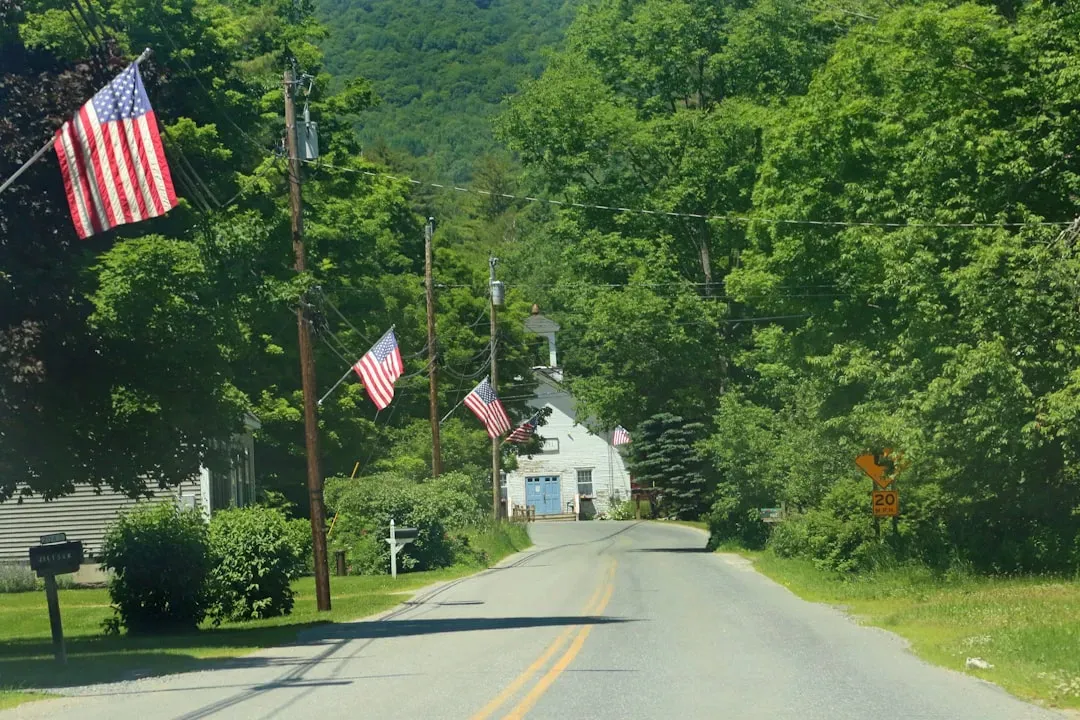
Stowe, Vermont is many things at once: breathtaking and overcrowded, charming and expensive, romantic and relentlessly commercialized. The “most romantic” label isn’t wrong, exactly – it’s just incomplete. It describes what the marketing team sees, not necessarily what you’ll feel standing in a line of fifty people waiting to photograph the same church steeple.
Real romance in a place like this comes from wandering off the main drag, skipping the peak weekends, and resisting the Instagram checklist entirely. It takes effort to find the Vermont that locals actually love. But when you do find it – even briefly – you’ll understand why they’re so fiercely protective of it.
The question worth asking before you book isn’t “Is it romantic?” It’s “Can I find something real there?” What do you think – have you ever arrived somewhere expecting magic and found a crowd instead? Share your experience in the comments.