There’s a version of Hawaii that Instagram never shows you. No infinity pools, no umbrella drinks, no smoothed-over tourist perfection. Just jungle, lava rock, and the slow, humbling realization that paradise has a price tag far steeper than a plane ticket.
I spent a week embedded in the off-grid areas of Hawaii’s Big Island, and honestly, it cracked open a lot of assumptions I didn’t even know I had. The brochures sell you on self-sufficiency and sunsets. What they leave out would fill a very long, very uncomfortable book. Let’s dive in.
The Energy Reality Is Shocking – Literally
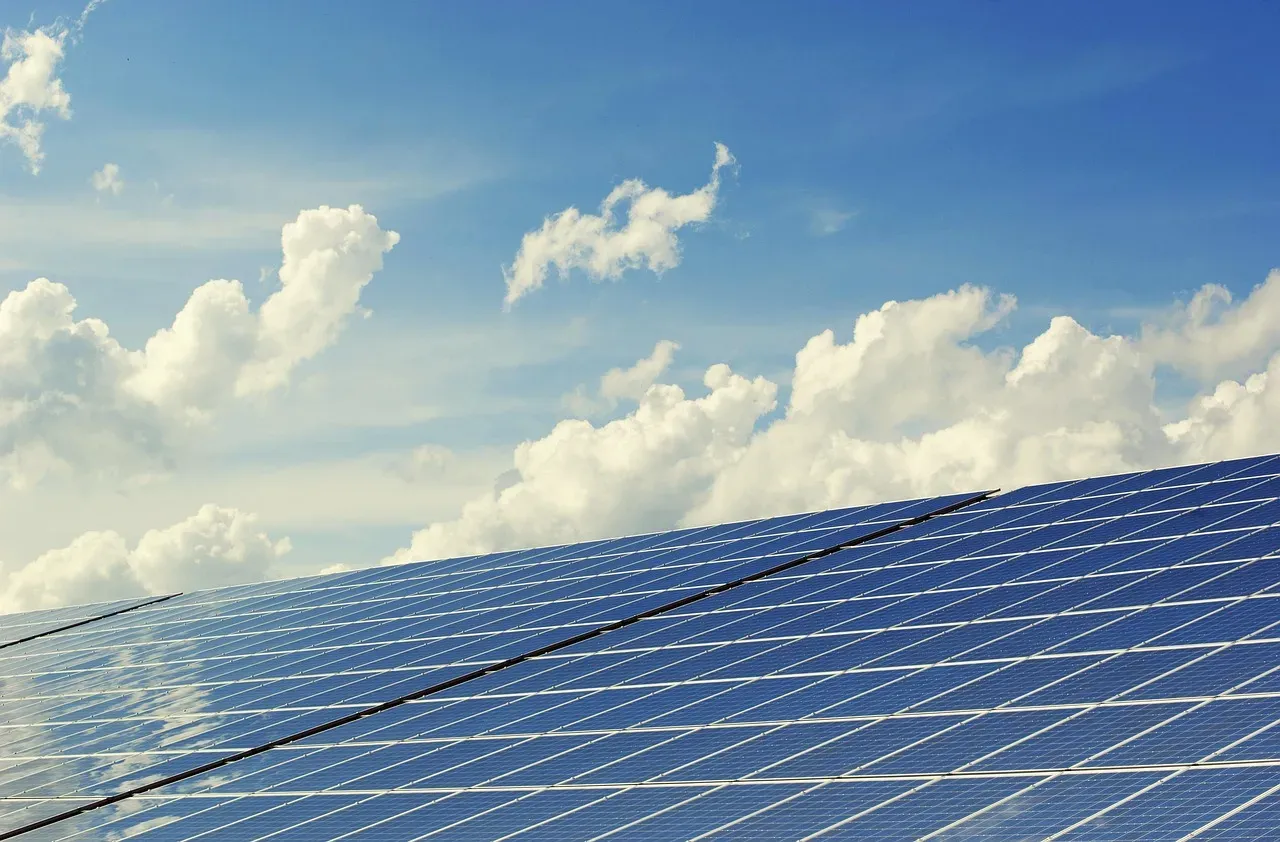
Hawaii has the highest average electricity price of any state, sitting at more than triple the U.S. average price. That is not a typo. Hawaii residents currently pay the most expensive electricity rates in the country, at around 42 cents per kWh. To put that in perspective, most mainland Americans are paying less than half that amount for the same unit of power.
This is precisely why so many off-grid residents pivot to solar. Petroleum accounts for about 90% of Hawaii’s total energy consumption, the highest share for any state. When you’re living off-grid and your backup generator runs on imported fuel, the cost spiral becomes very real, very fast. The pair originally hoped to use solar, but the price for panels and storage batteries was too high – a story repeated by household after household across the Puna district.
Customers in Hawaii paid more than $200 per month for electricity, or more than twice as much as customers in states such as New Mexico and Utah. Going off-grid sounds like freedom, but setting up the systems to replace that grid connection can cost tens of thousands of dollars upfront. It’s a rich person’s version of escaping money.
Water From Your Roof: Romantic Until It Isn’t
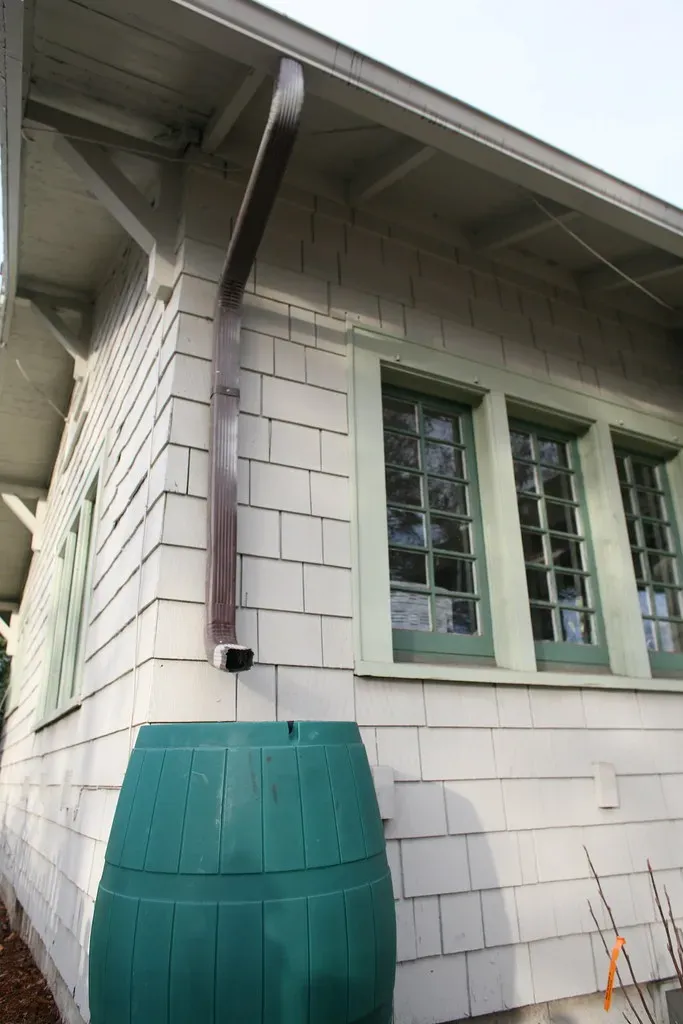
Off-grid homes in Hawaii often rely on rainwater catchment. That sounds quaint and sustainable until you understand what “improper maintenance” actually means in practice. Improperly designed and/or maintained rainwater catchment systems may pose a serious health risk, such as introducing a water-borne illness, that can be exacerbated in those with compromised immunity.
Due to the use of rainwater catchment systems, there’s an increased risk of bacterial contamination from animal waste and other environmental sources, with pathogens like E. coli and Giardia capable of causing gastrointestinal illnesses. Now pair that risk with the fact that rainwater catchment systems on individual homes are not regulated by the Department of Health.
The active Kilauea volcano can affect water quality through acid rain and the deposition of volcanic gases and ash, which may lead to increased acidity and the presence of heavy metals in catchment water systems. That’s a detail no one posts about on their homesteading blog. You’re essentially catching acid-tinged volcanic rainfall and drinking it – hopefully through a very good filter.
No Signal, No Help: The Connectivity Dead Zones
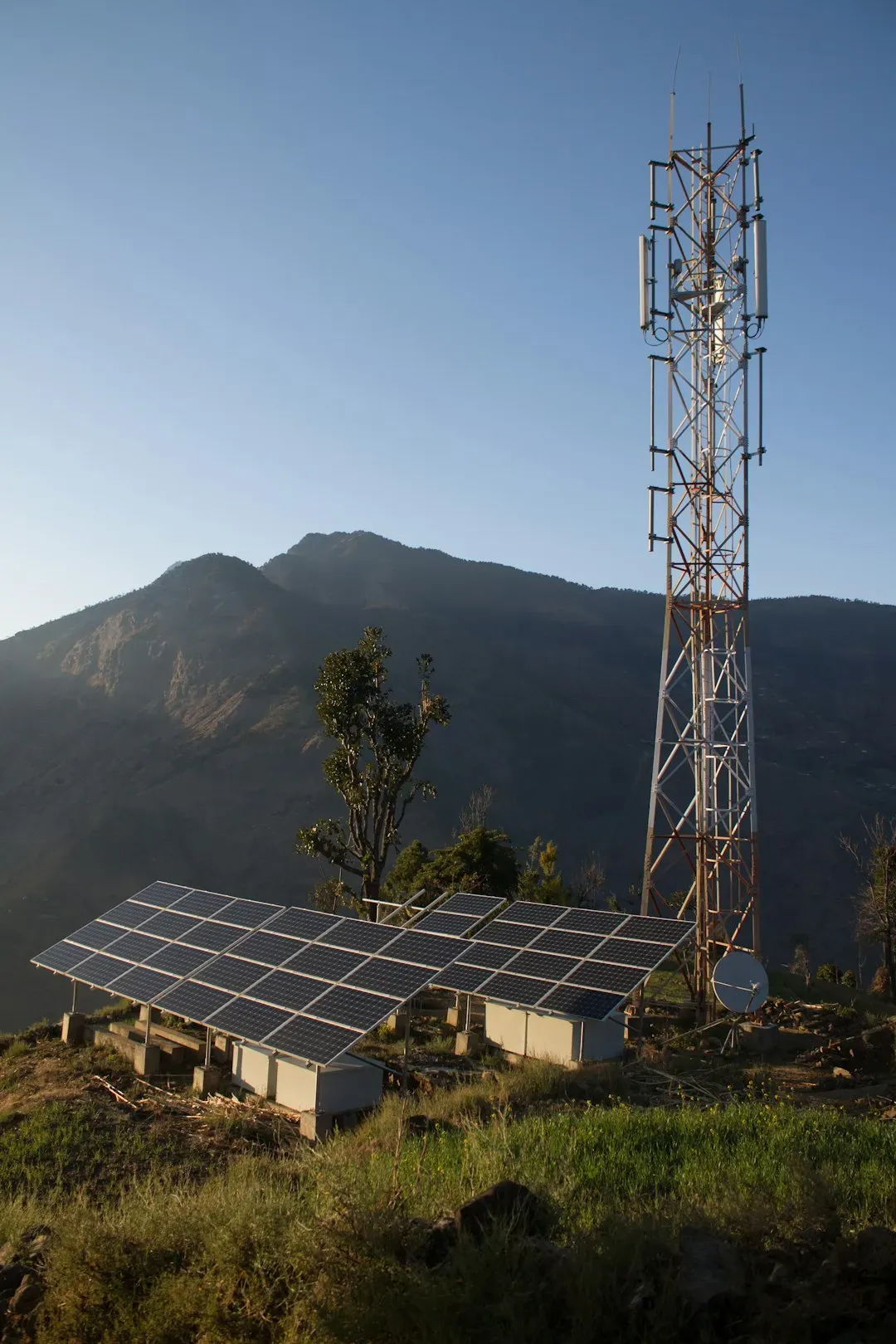
Here’s the thing about feeling “disconnected from the world” – it sounds poetic until you need to call someone. Many rural areas of Hawaii, particularly in volcanic and forested zones on the Big Island, have limited or no reliable cellular coverage according to FCC broadband data reports from 2023 and 2024.
Staying connected while living off-grid in Hawaii is essential for accessing information, resources, and emergency services. While living off-grid may limit traditional internet access, various options are available, including satellite internet and mobile hotspots. The operative word there is “options” – each one costs money, requires setup, and can fail during exactly the kind of severe weather that makes connectivity most critical.
I spent two days on a property where the only reliable connection was a satellite dish that cut out every time heavy cloud cover rolled in. Given that Hawaii’s remote interiors are almost perpetually cloudy in the wet season, that’s not a minor inconvenience. It’s isolation with consequences.
When Disaster Strikes, You’re on Your Own
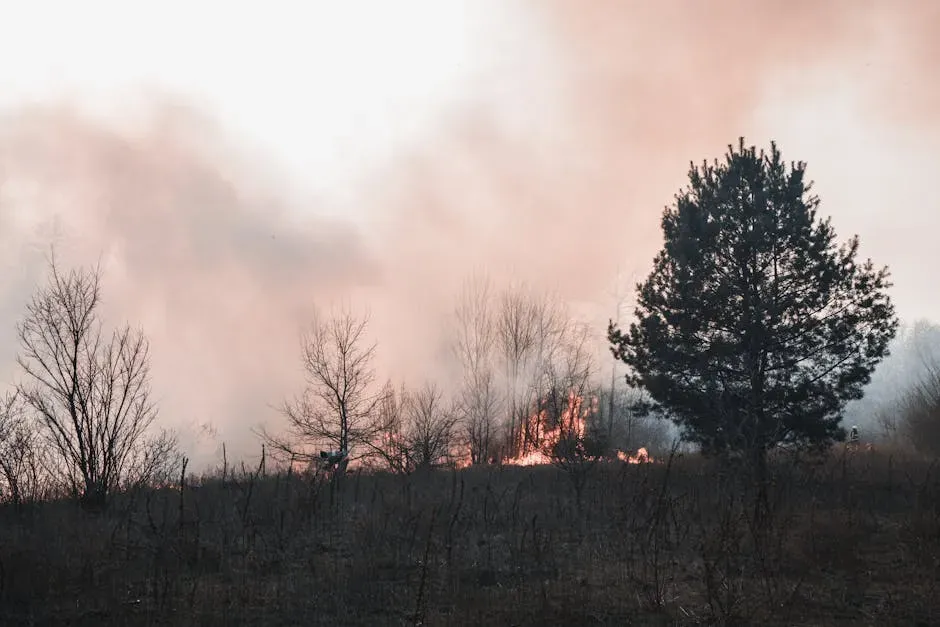
The 2023 Maui wildfires ripped away any lingering fantasy about remote living as a safety net. The 2023 Hawaii wildfires were a series of wildfires that broke out in early August 2023 in Hawaii, predominantly on the island of Maui, killing at least 102 people and leaving two people missing in the town of Lahaina.
What made it so deadly wasn’t just the fire itself. The fire also destroyed several cell towers in affected areas, causing service outages and 9-1-1 emergency telephone services to be rendered unavailable. For people already living in off-grid zones with fragmented infrastructure, that kind of cascading failure isn’t hypothetical. It’s the expected scenario. The 2023 Lahaina wildfire exposed critical vulnerabilities in the community’s alert and warning infrastructure, highlighting the limitations of centralized alert systems during cascading and common cause events with a rapid onset.
Cellphone and internet service was also down in the area at times, so it was difficult for some to call for help or to get information about the fire. The lesson isn’t that Hawaii is uniquely dangerous. It’s that remote living amplifies every single vulnerability you’d otherwise take for granted.
Groceries Cost What Now?

Despite having the third-lowest total energy consumption among the states, Hawaii uses 16 times more energy than it produces. That extreme dependency on imports isn’t just an energy story. It tells you everything about the state’s supply chain. Hawaii sits roughly 2,400 miles from the U.S. mainland, according to the U.S. Geological Survey, making it one of the most isolated populated places on Earth.
The grocery bill reflects this brutally. Grocery prices in Hawaii are estimated to be between roughly 30 and 60 percent higher than the national average, according to U.S. Bureau of Labor Statistics regional data from 2024. Off-grid living was supposed to be my escape from cost-of-living pressure. Instead, I watched someone pay over ten dollars for a small box of cereal at a rural general store, then drive forty minutes back to their property.
Hawaii’s high cost of living, limited access to certain materials, and strict building codes can complicate off-grid setups. Add in the remote travel time for basic supplies and you start to see that self-sufficiency in Hawaii isn’t a lifestyle choice so much as a financial necessity wrapped in a romantic idea.
Natural Hazards Are Not a Background Detail
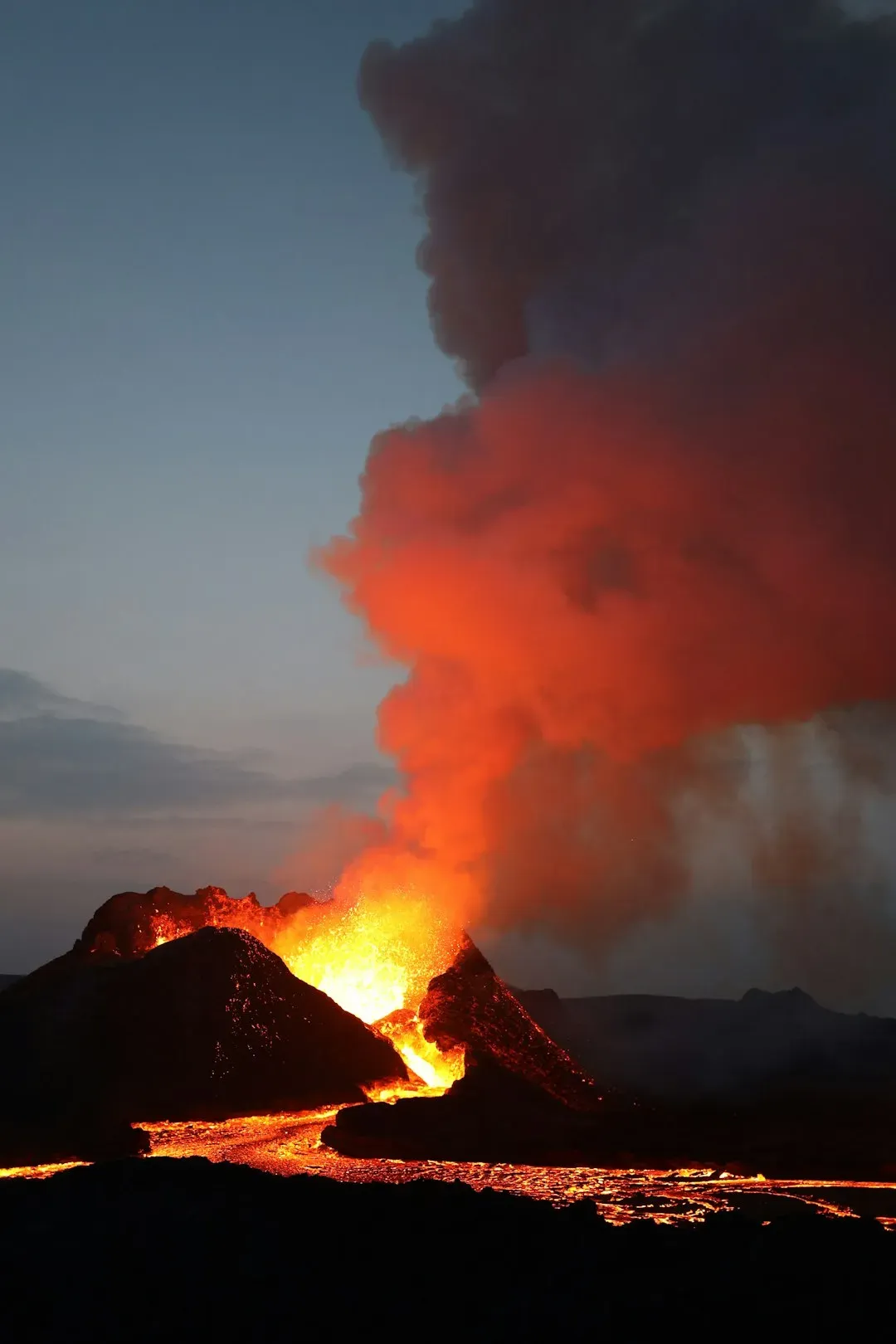
Living on the Big Island means living on one of the most geologically active surfaces on the planet. Natural disasters like hurricanes and volcanic eruptions pose significant risks that must be considered in planning. The United States Geological Survey’s hazard monitoring reports from 2023 through 2025 consistently flag Hawaii as experiencing frequent volcanic activity, hurricanes, flooding, and earthquakes – particularly on the Big Island.
Even those who have fallen in love with their location and an affordable foreclosure price may find their property is in a high-risk lava flow zone with a sparse population. In those zones, utility companies will not invest in the area, and if you want to live there, you have to generate your own energy.
I know it sounds crazy, but some of the most beautiful land in the entire state is also some of the most genuinely dangerous. It’s like buying a waterfront property that’s also a flood zone – except the “flood” is molten rock moving at a walking pace toward your solar panels.
The Emergency Response Gap Nobody Talks About
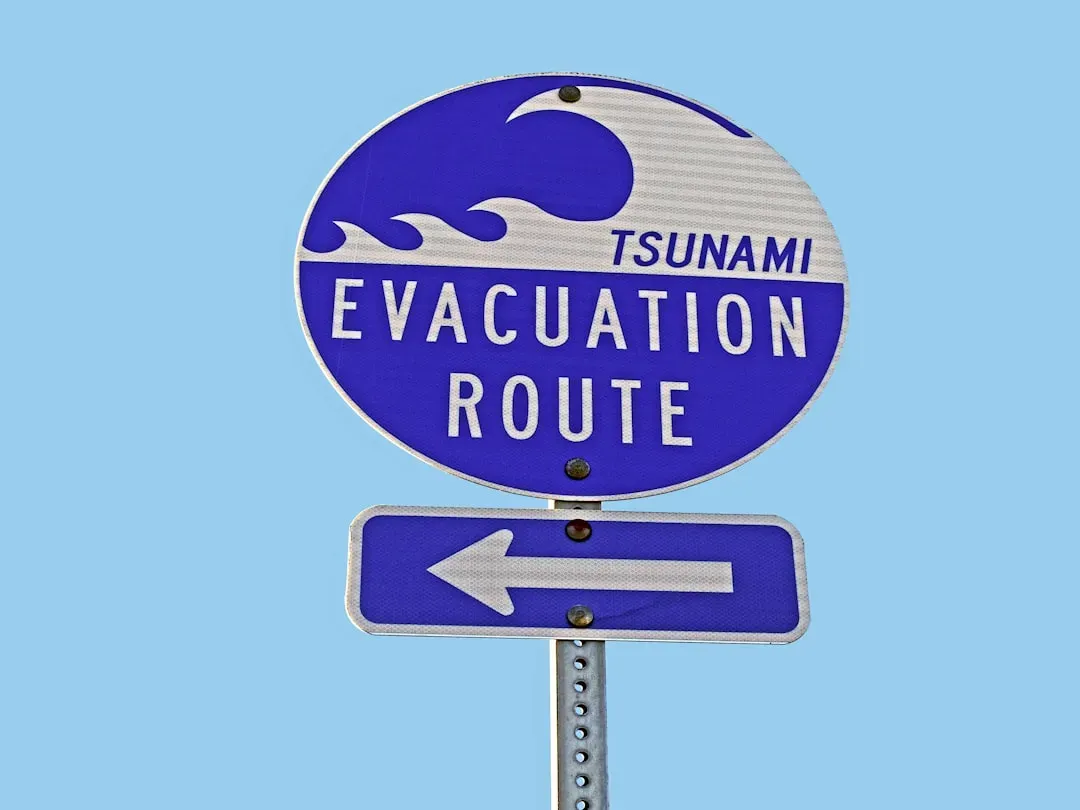
According to the Federal Emergency Management Agency, Hawaii residents in remote areas face longer emergency response times, especially in regions with difficult terrain and limited road access. That’s a dry, bureaucratic sentence that translates to something terrifying in practice.
A report called out the need for better evacuation coordination between fire and police agencies, noting that main roadways across Maui were choked by traffic and blocked by debris as the fire raged, with blocked evacuation routes preventing several people from escaping. Now imagine that scenario without paved roads, without neighbors within earshot, without cellular coverage. A comprehensive emergency plan is crucial for anyone pursuing off-grid Hawaii living, and this plan should address potential medical emergencies, natural disasters like hurricanes or volcanic activity, and equipment failures that can disrupt essential services.
Most visitors and newcomers don’t have that plan. They arrive with enthusiasm and a good solar setup and assume the rest will sort itself out. It often doesn’t.
The Lack of Basic Services Is Genuinely Isolating
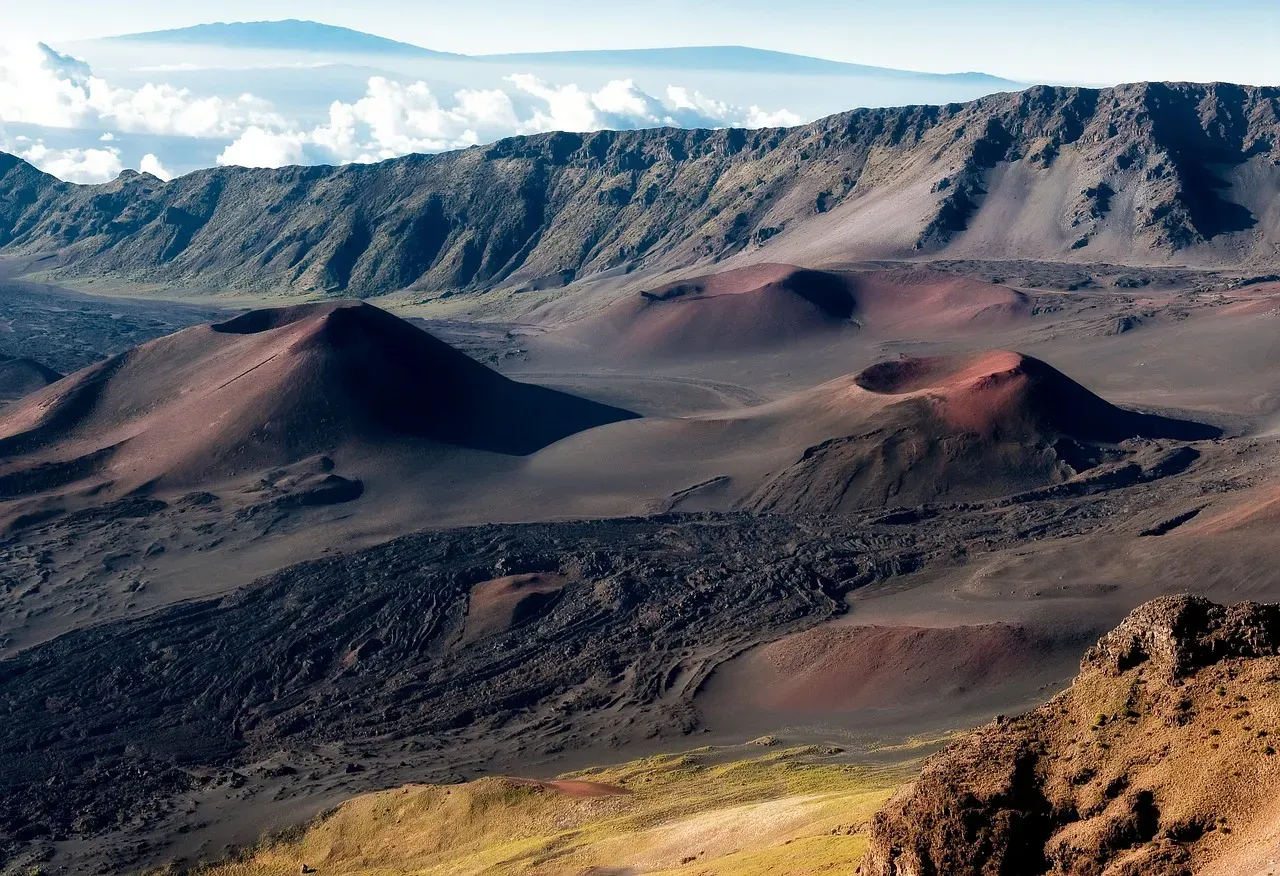
Tourism infrastructure is concentrated in developed areas of Hawaii, meaning off-grid regions often lack basic services such as hospitals, supermarkets, and public transportation, forcing residents and visitors to travel long distances for essentials, according to Hawaii Tourism Authority reports from 2023 and 2024. This isn’t a minor inconvenience gap. It’s a structural one.
Some popular off-grid areas in Hawaii include Puna on the Big Island, which boasts a vibrant off-grid community with resources for sustainable living, while other notable regions include Kauai and Molokai, where residents engage in diverse agricultural practices and eco-friendly initiatives. But vibrancy in the community doesn’t replace a functioning urgent care clinic. Stockpiling a minimum of two weeks’ worth of non-perishable food, potable water, first-aid supplies, and essential tools is considered paramount by those who advise on sustainable off-grid systems in Hawaii.
It’s hard to say for sure whether the average person romanticizing the off-grid life in Hawaii has thought through what “no hospital nearby” actually means. Probably not. The brochure, after all, shows hammocks and star skies. The reality also includes a two-hour drive to the nearest emergency room.
Conclusion: Paradise Doesn’t Come Off-the-Shelf
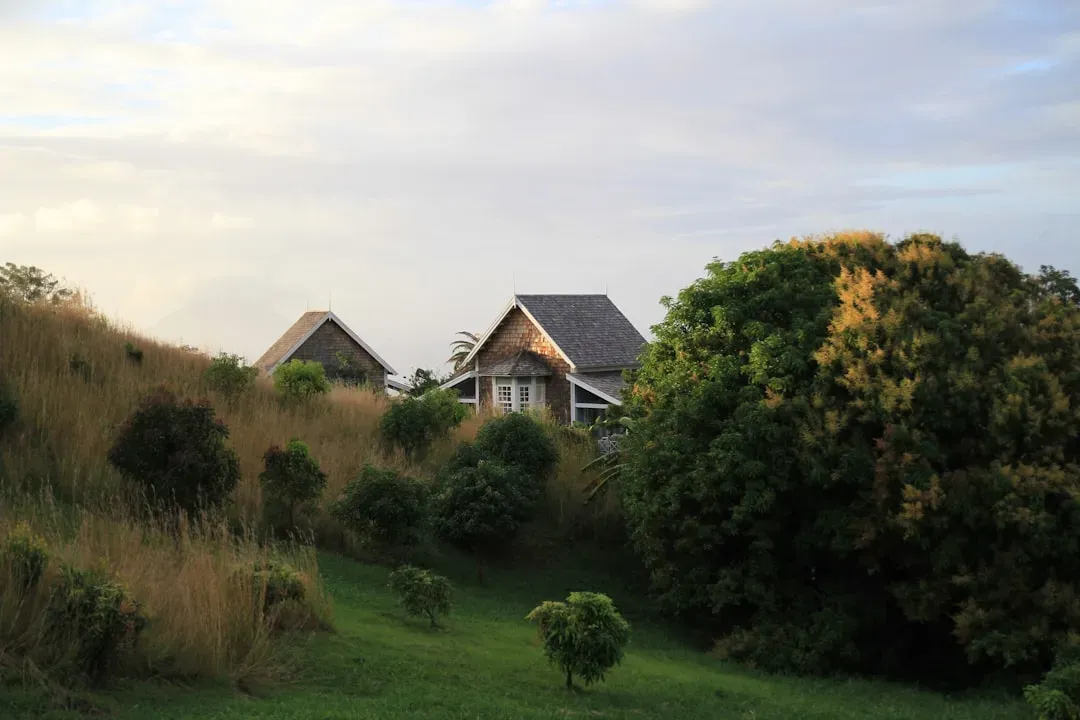
Let’s be real – Hawaii’s off-grid areas are genuinely stunning, and there’s something deeply admirable about the communities building self-sufficient lives in them. The people I met were resourceful, resilient, and deeply connected to the land in ways that put most urban dwellers to shame.
However, what the brochures and the Instagram posts leave out is substantial. The energy costs, the water risks, the communication dead zones, the disaster preparedness gap, the supply chain fragility – these are not small footnotes. They are the central story of off-grid life in one of the world’s most isolated and geologically active places.
Going off-grid in Hawaii isn’t a retreat from modern problems. In many ways, it’s a confrontation with the most fundamental ones. So before you book that one-way ticket to Puna, ask yourself honestly: are you ready for the version of paradise that actually exists – not just the one you’ve been sold?
What would you have guessed the hardest part was? Drop your thoughts in the comments.