
Picture this: steady paychecks over $150,000 a year, corner office perks, but soul-crushing meetings that left me staring at the clock. I walked away from it all to chase house flipping, those charming suburban homes with white picket fences screaming American dream. Everyone talks about passion projects paying off big, yet the numbers tell a grittier story. Let’s unpack the real costs and surprises that hit me first-hand.
Stick around as I break down the highs, lows, and hard stats from 2025 into 2026. You might rethink that resignation letter.
The Corporate Grind That Pushed Me Out

I earned six figures for years in tech sales, but burnout crept in like fog. Endless Zoom calls and targets felt like a trap. By late 2024, voluntary quits were dropping across industries, yet folks like me craved freedom.[1]
Surveys showed nearly half of younger workers dreaming of their own ventures. Honestly, the stability started feeling like stagnation. That realization hit during another pointless strategy session.
What “Flipping Picket Fences” Really Means
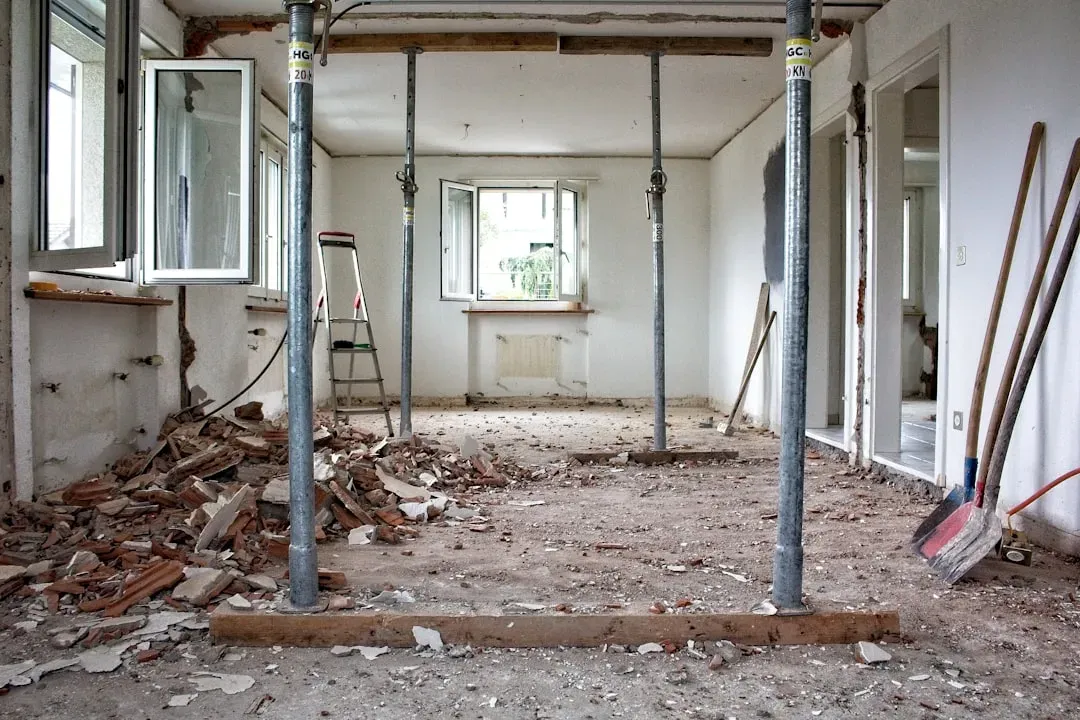
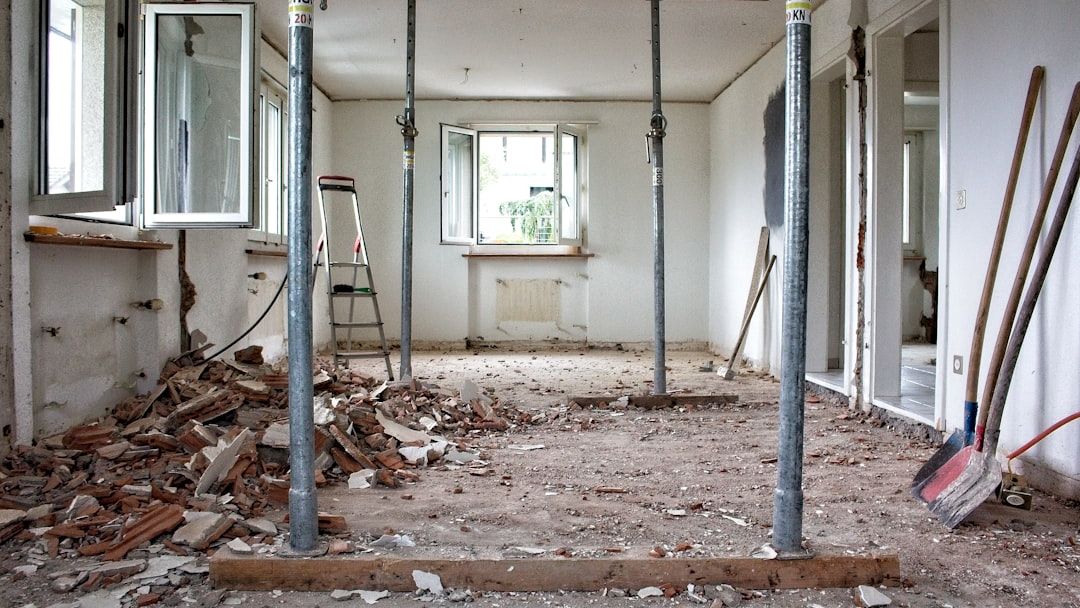
It’s restoring fixer-uppers in cozy neighborhoods, those iconic homes with classic fences evoking perfect suburbia. I targeted modest properties needing cosmetic love, not gut jobs. The allure? Quick turnarounds for profit in rising markets.
Reality bites, though. High material costs in 2025 squeezed margins everywhere. Still, the vision kept me up at night, sketching reno plans.[2]
Financial Prep Before the Leap

I saved aggressively, aiming for a year’s runway since small businesses face steep odds. About one in five folds in year one. My corporate nest egg covered initial buys, but loans loomed large.
Entrepreneurs often need to gross 30 to 60 percent more to match salaried take-home after taxes and expenses. I ran spreadsheets obsessively. No regrets yet, but close calls tested that buffer.[3]
Startup Costs That Blindside You

First property down payment ate 20 percent of purchase price, plus closing fees stacking up fast. Tools, permits, staging added tens of thousands more. Labor shortages in 2025 jacked contractor rates sky-high.
Financing flipped homes rose slightly to nearly 38 percent of deals. I bootstrapped where possible. Those early outlays felt like jumping without a net.[4]
My First Flip: Profits Versus Headaches

Bought a three-bed in a quiet suburb for $300,000, poured in $80,000 renos over six months. Sold for $450,000, netting around $60,000 gross. Sounds solid, right? But after holding costs and commissions, take-home shrank.
National averages dipped to $66,000 gross per flip in 2025. ROI hit just 25.5 percent, lowest in nearly two decades. That win tasted bittersweet amid the sweat.[5]
The Income Volatility Trap

Corporate pay hit bank accounts like clockwork; flipping deals? Feast or famine. One quarter, $70,000 profit; next, market stall meant zero. Cash flow gaps forced dipping into savings repeatedly.
Flipping volume crashed to five-year lows by 2026. High rates scared buyers. Patience became my best tool, yet stress mounted.[5]
Facing Brutal Failure Stats

Nearly 20 percent of new ventures tank in year one, climbing to half by year five. House flipping mirrors that with thin margins in tough markets. I dodged early pitfalls by networking relentlessly.
Over 65 percent don’t survive a decade. Let’s be real, dreams crash often. Researching this upfront saved my sanity.[6]
2025-2026 Market Shifts That Hurt

Interest rates lingered high, cooling buyer frenzy from prior booms. Flips dropped to 7.4 percent of sales. Profits plunged nationwide, except pockets like Peoria boasting over 90 percent margins.
Supply shortages and reno inflation compounded woes. I pivoted to value-add tweaks over full rehabs. Adaptation proved key in this squeeze.[7]
Taxes and Hidden Drains

Self-employment taxes gobble nearly 15 percent more than W-2 withholding. Deductions help, like home office and mileage, but quarterly estimates stress me out. Flipping counts as business income, hit hard by capital gains if held short.
No more employer benefits either, so health insurance jumped $20,000 yearly. Budgeting ruthlessly became habit. These erode profits faster than expected.
Long-Term Upside Worth the Gamble?

Self-employed earners outpace employees by up to 70 percent later in careers. Successful flippers scale to teams, multiple deals yearly. My third year shows steadier $200,000-plus income potential.
Yet most never reach that. Persistence separates winners. If you’re eyeing the jump, stack skills first. What path calls to you now?