
Picture this: while massive grocery chains scramble to keep up, small-town co-ops are surging ahead, pulling in shoppers fed up with corporate sameness. Families across the country, from bustling cities to quiet rural spots, are quietly rewriting the rules of where they buy their food. It’s not just a fad; sales are climbing faster than the industry average, hinting at a deeper shift toward something more personal and rooted.[1]
What’s driving this quiet uprising? Folks crave control, quality, and a real stake in their neighborhood stores. Let’s unpack the forces fueling this rebellion, one eye-opening stat at a time.[2]
Beating the Industry in Sales Growth
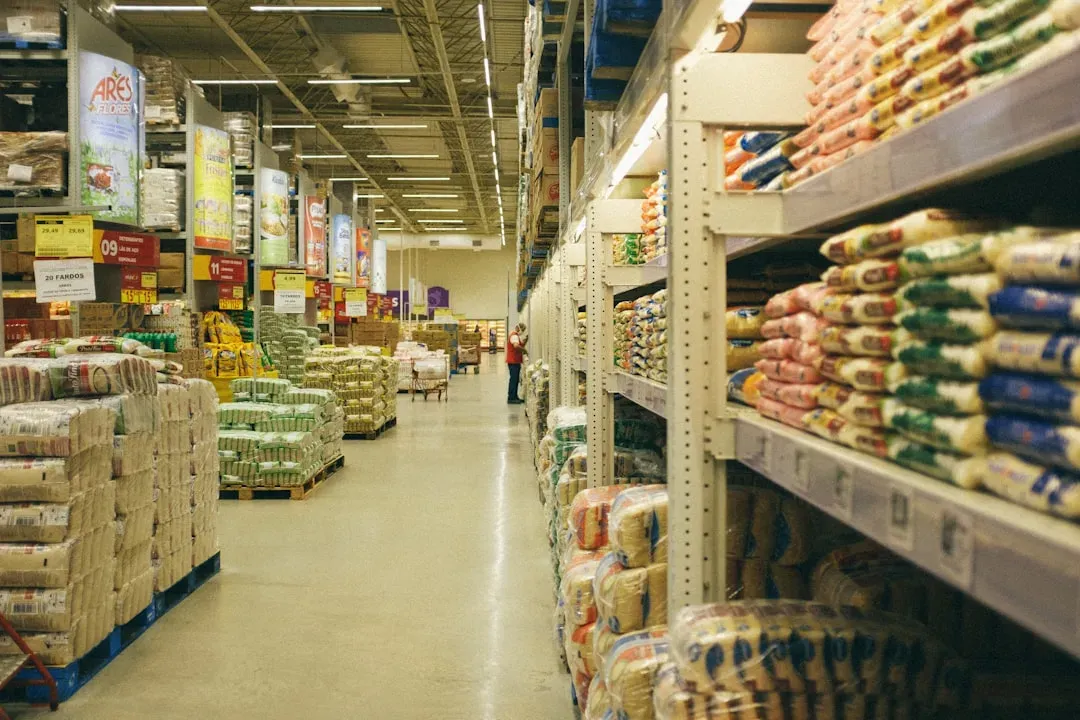
In 2024, food co-ops under the National Co+op Grocers network clocked a same-store sales growth of 4.7 percent. That beat the pants off the broader U.S. retail food market’s under 3 percent rise. Honestly, in a year of tight budgets, this edge shows shoppers voting with their carts.[1]
Combined, these co-ops rake in about 2.8 billion dollars annually. Their secret? Sticking to community needs over shareholder demands. No wonder more Americans are jumping ship from the big chains.[2]
Local Products Dominate Shelves
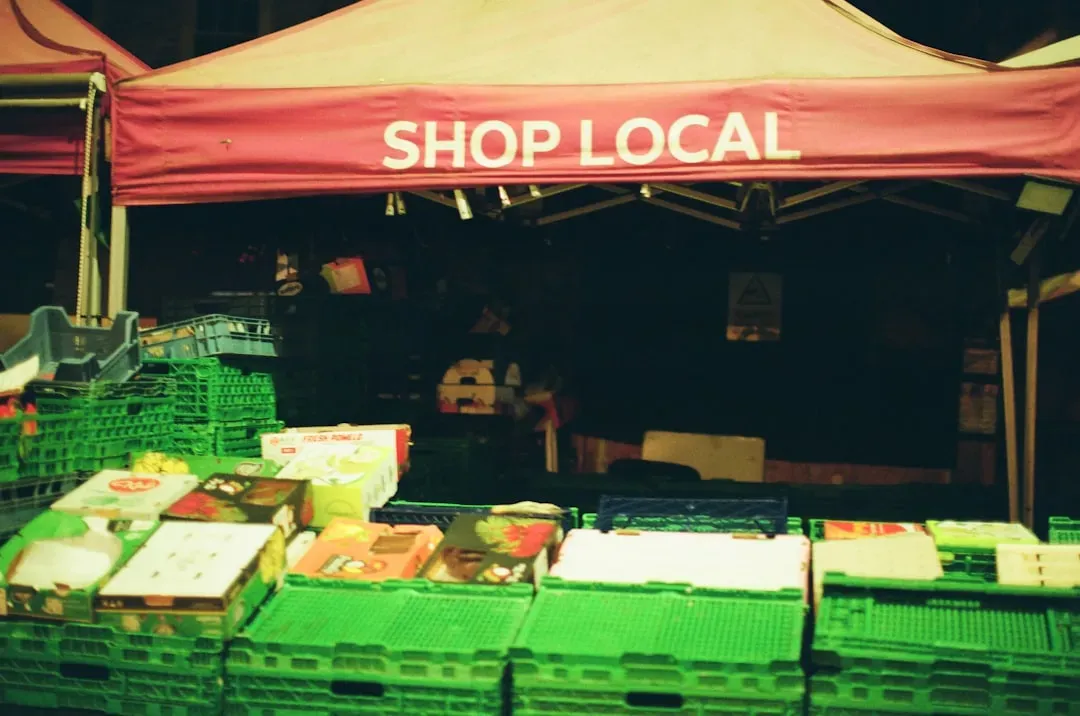
Local items make up a whopping 24 percent of the average co-op’s sales. Compare that to just 2 percent at conventional grocers. Each store partners with around 175 local farms and producers, dwarfing the typical 41 elsewhere.[3]
This isn’t lip service. It’s real relationships that keep money circulating nearby. Shoppers feel it in fresher produce and stories behind every label.
Organic Sales Lead the Pack

Certified organic products account for 37 percent of co-op sales, blowing past the 3 percent at traditional stores and even 24 percent at other natural grocers. That’s billions funneled into soil-healthy farming. I think it’s no coincidence health-conscious buyers flock here.[1]
Co-ops push regenerative practices that fight climate change too. From carbon capture to biodiversity, every purchase plants seeds for tomorrow.
Let’s be real, this focus turns shopping into an investment in the planet.
Fair Trade Takes Center Stage

Fair trade certified goods hit 6 percent of total sales at co-ops. That’s higher than 4 percent at natural retailers and a measly 0.5 percent elsewhere. Workers abroad get livable wages and safe conditions because of it.[2]
Over 100 Inclusive Trade brands, owned mostly by marginalized groups, line the aisles. Shoppers aren’t just buying chocolate; they’re backing equity.
The Magic of Community Ownership

More than 1.3 million Americans own shares in these co-ops, driving 58 percent of sales. Members elect boards yearly, keeping things democratic and local. Profits stay in the community, not Wall Street pockets.[1]
This model spans 165 co-ops across 241 stores in 39 states. It’s resilient, adapting to what neighbors actually want.
A Million Members and Counting

That 1.3 million owner base isn’t static; it’s growing as word spreads. Co-ops now dot over 240 communities, up and expanding. People join for the stake, staying for the values.[3]
Here’s the thing: ownership means discounts like 25 percent off via Co+op Deals. It beats loyalty programs that feel like gimmicks.
Jobs That Actually Pay Well

Average co-ops employ 100 people each, with half paying livable wages or union rates. Staff get healthcare for over half and training hours galore. Turnover? Lower because folks feel valued.[3]
In food deserts, these jobs anchor families. It’s commerce with a conscience.
Pumping Money Back Locally

Co-ops donated 9 million dollars to community groups last year alone. Add a million more from the network to food justice causes. Local producers thrive with steady orders.[2]
This ripple effect strengthens towns. Big chains extract; co-ops invest.
Tackling Food Deserts Head-On

Seventy-seven co-ops sit in low-income, low-access areas. Ninety-three percent accept SNAP, half double dollars on produce. Nutritious food reaches those who need it most.[4]
Advocacy pushes for more federal support too. It’s practical rebellion against inequality.
Sustainable Path Forward

Co-ops offset thousands of metric tons of CO2 since 2012. B Corp products at 9 percent sales lead the way. With sales momentum, expect more stores and members by 2026.[3]
This rebellion proves community power works. Americans are choosing co-ops for good reason – what’s stopping you from checking one out?