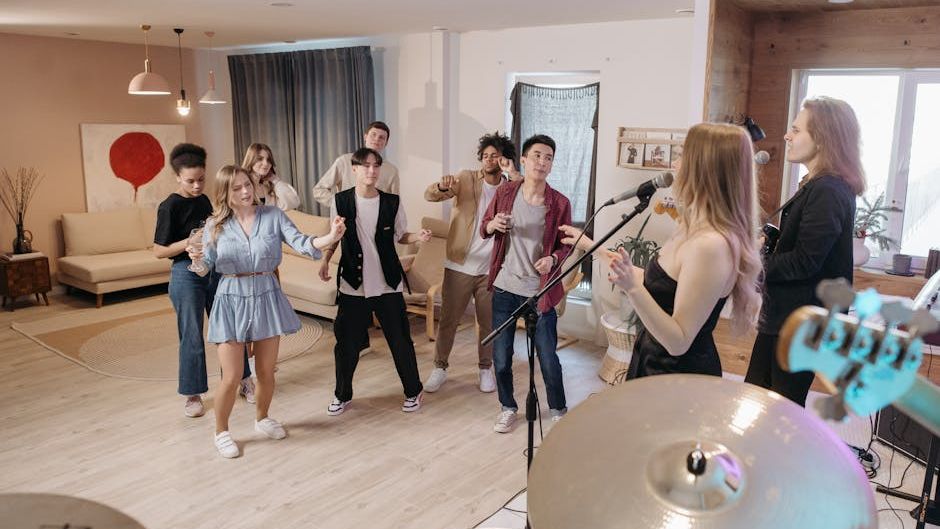

Picture this: the thump of bass from a club fades into memory as laughter echoes from a dimly lit suburban basement. Neighbors slip through back doors for intimate gatherings, cocktails in hand, far from crowded bars. Something’s shifting in how we celebrate, and it’s happening right under our noses in the quiet streets of suburbia.
These hidden “speakeasies” aren’t just a fad. They’re a full-blown movement pulling parties back indoors. Let’s uncover why folks are trading neon lights for cozy living rooms.
The Post-Pandemic Social Reset
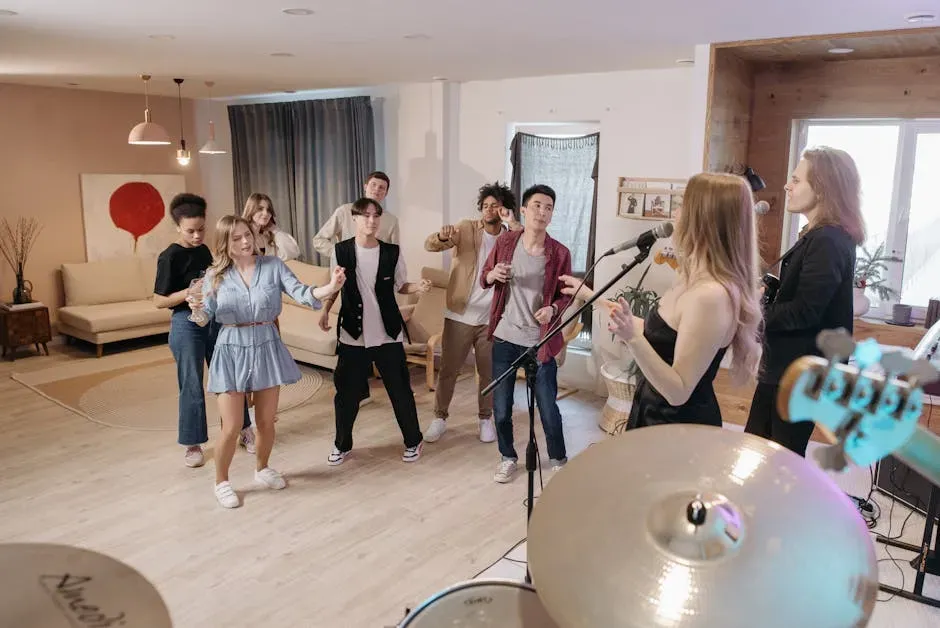
A 2024 report from Eventbrite reveals how home entertaining exploded after lockdowns, with many favoring small, private bashes over massive public raves. Comfort won out, letting people skip the hassle of lines and loud strangers. Costs played a part too, making backyard hangs feel like a steal.
Honestly, it makes sense after years cooped up. Families and friends rediscovered the joy of controlled chaos at home. This trend stuck, turning living rooms into the new nightlife hubs.
Alcohol Sales Tell the Real Story
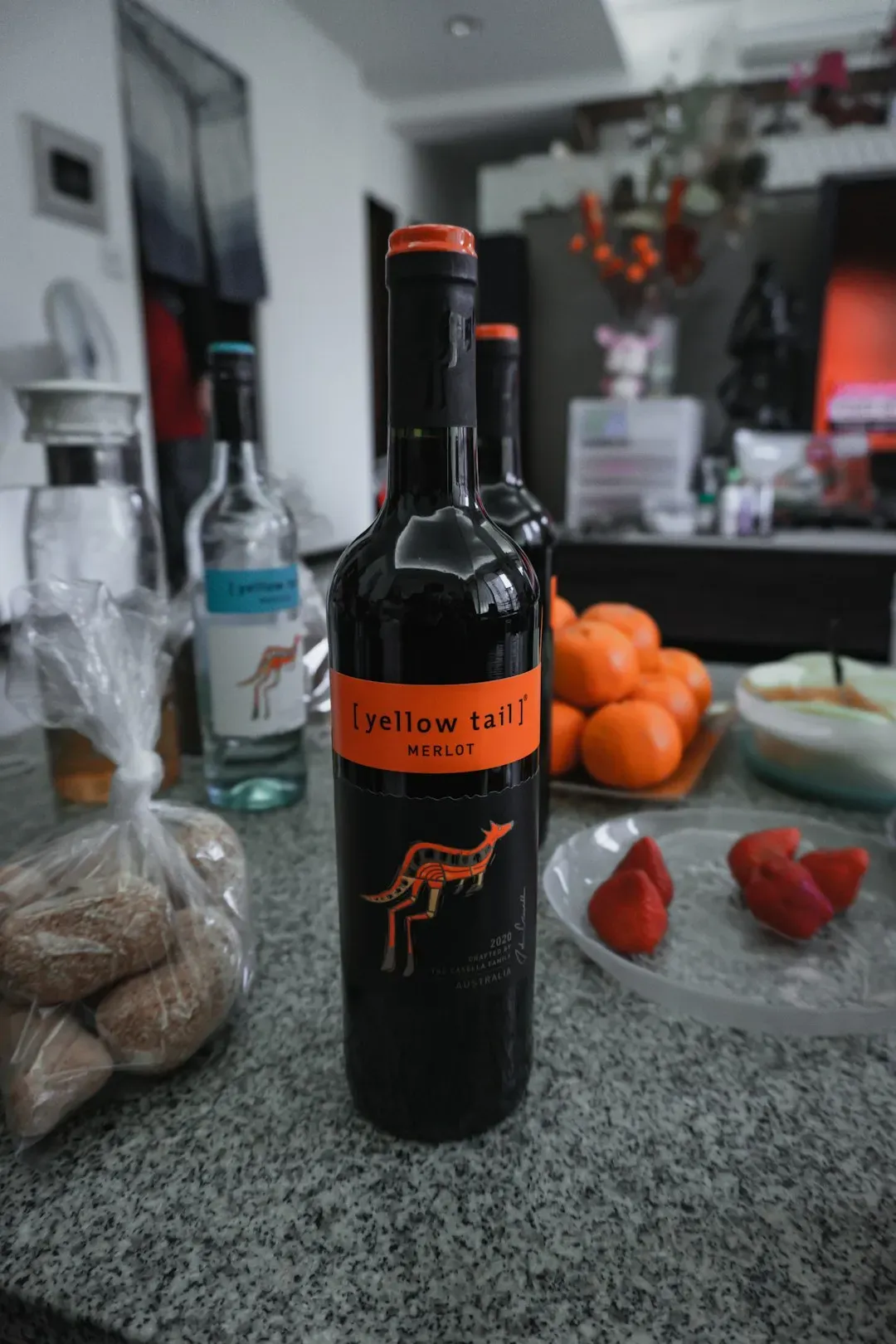
NielsenIQ data shows at-home booze buys still dominate, accounting for over 75 percent of total U.S. alcohol sales. People stock up on bottles rather than bar tabs, fueling those late-night suburb soirees. It’s a clear sign socializing has gone domestic.
Think about your last get-together. Did it happen around a kitchen island? That shift isn’t random; it’s backed by steady sales numbers proving homes are where the drinks flow now.
Why Hosting Beats Heading Out
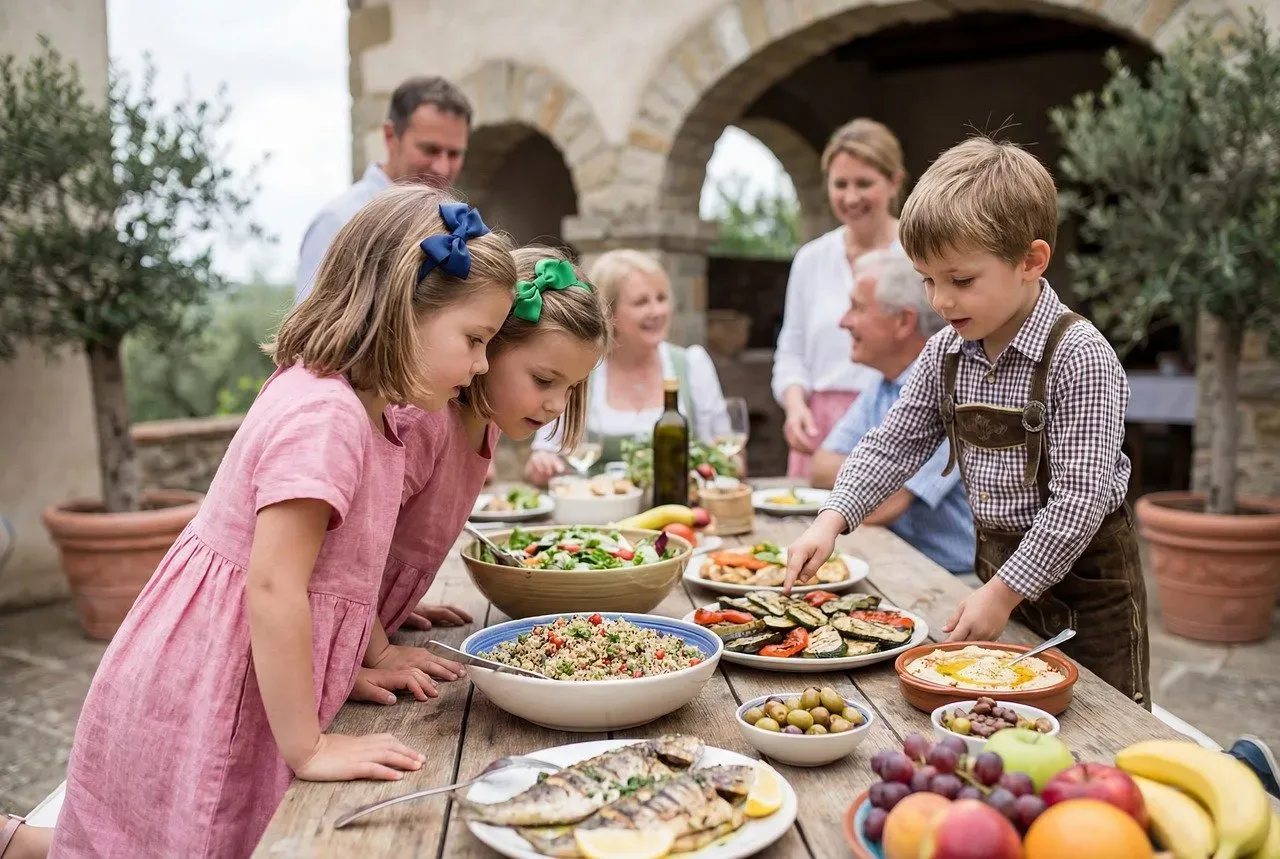
Mintel’s 2023 report found that 60 percent of consumers love hosting casual events at home more than venturing out. No dress code, no cover charge, just pure relaxation with your crew. It’s that simple preference reshaping suburbia’s social scene.
Let’s be real, who wants to fight traffic for the same vibe? Home setups let you curate everything from playlist to playlist. This love for intimacy keeps parties off the public radar.
Rising Prices Push Parties Indoors
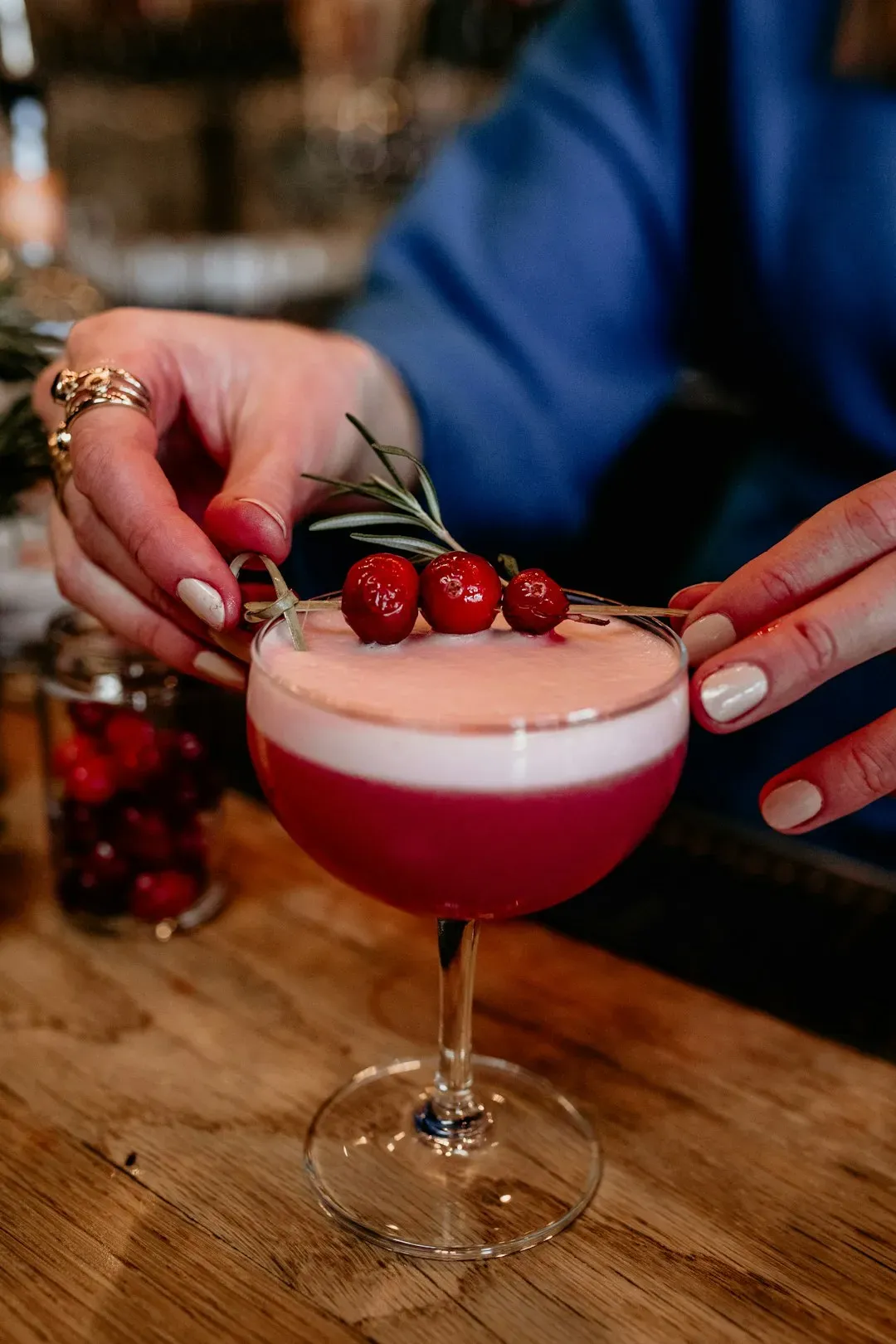
The U.S. Bureau of Labor Statistics tracked food-away-from-home costs jumping over 5 percent in 2023 and 2024, turning date nights into budget busters. A round of drinks downtown? Forget it when you can mix better for less at home. Suburbs feel this pinch hardest, sparking creative living room escapes.
I’ve seen friends swap reservations for recipe shares. It’s smart, really. Those savings add up, making speakeasy-style nights a no-brainer.
DIY Cocktails Fuel the Fire
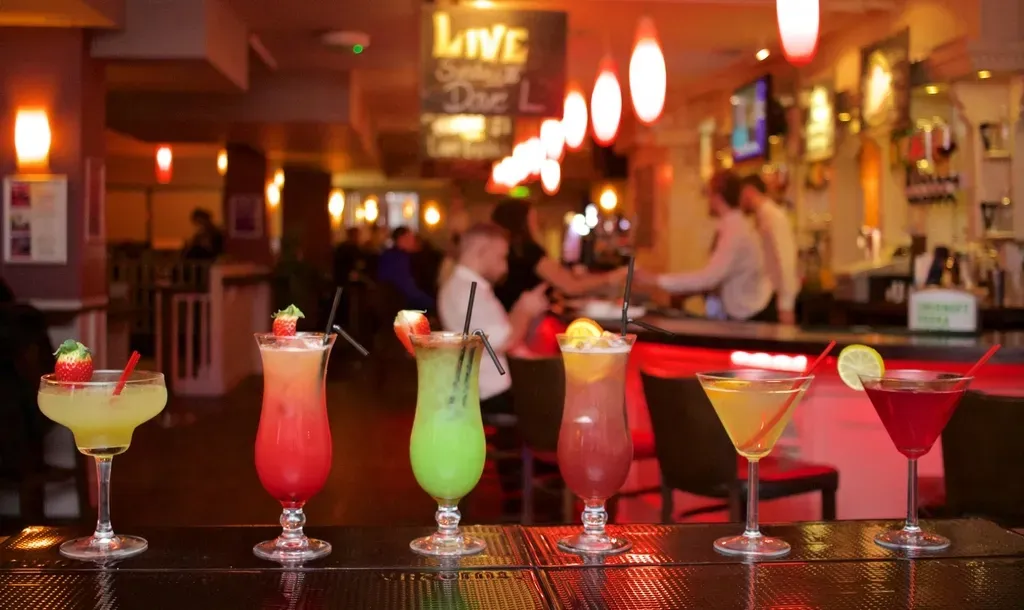
Drizly spotted a boom in cocktail kits, premium mixers, and bar gadgets, igniting a DIY culture that fits perfectly in suburban kitchens. No bartender needed when apps guide your shaker skills. This hands-on fun turns novices into mixologists overnight.
Here’s the thing: it’s empowering. Whip up a negroni while chatting, and suddenly your pad rivals any lounge. Demand keeps climbing, proving home bars are here to stay.
Streaming Turns Homes into Clubs
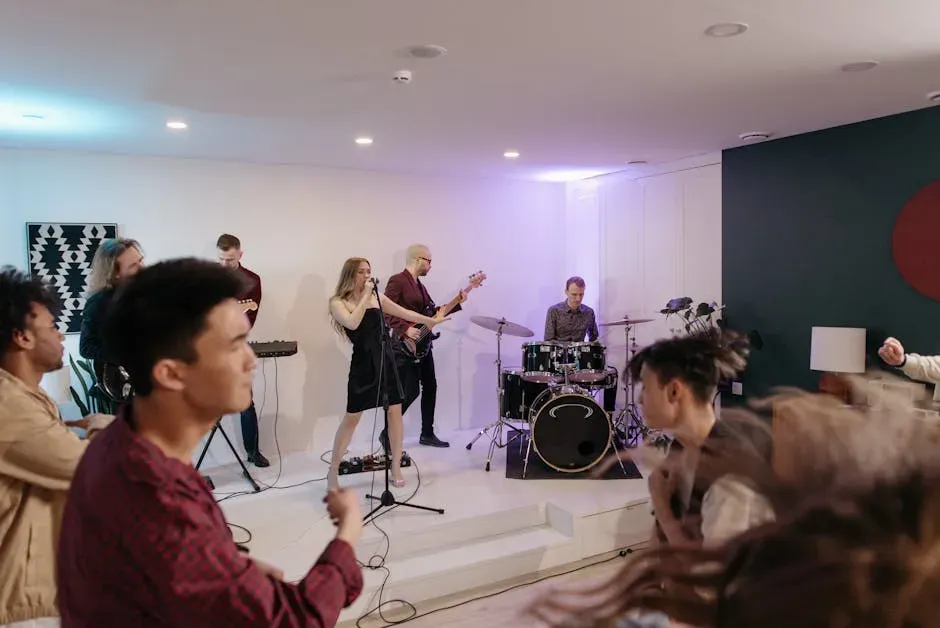
Netflix queues and Spotify playlists recreate club energy without stepping out, from mood-setting tracks to themed watch parties. Pair that with mood lighting, and your living room pulses like a speakeasy. It’s effortless nightlife, suburbia style.
Ever dimmed the lights for a playlist-fueled hang? Services make it seamless. This tech twist keeps the party vibe alive, minus the hangover from overpriced entry.
Homes Evolve into Party Havens
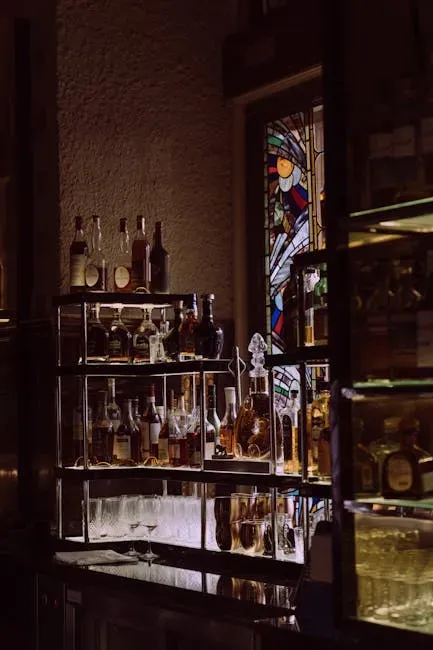
The National Association of Home Builders notes entertainment zones like wet bars and lounge basements trending in new designs. Pinterest’s 2024 report backs it with surging searches for “home bar aesthetic” and “speakeasy decor.” Suburbs are getting secret nooks built for mingling.
It’s wild how basements went from storage to hotspots. Flexible rooms adapt for game nights or gigs. These upgrades make hosting irresistible.
Mental Health Makes It Personal
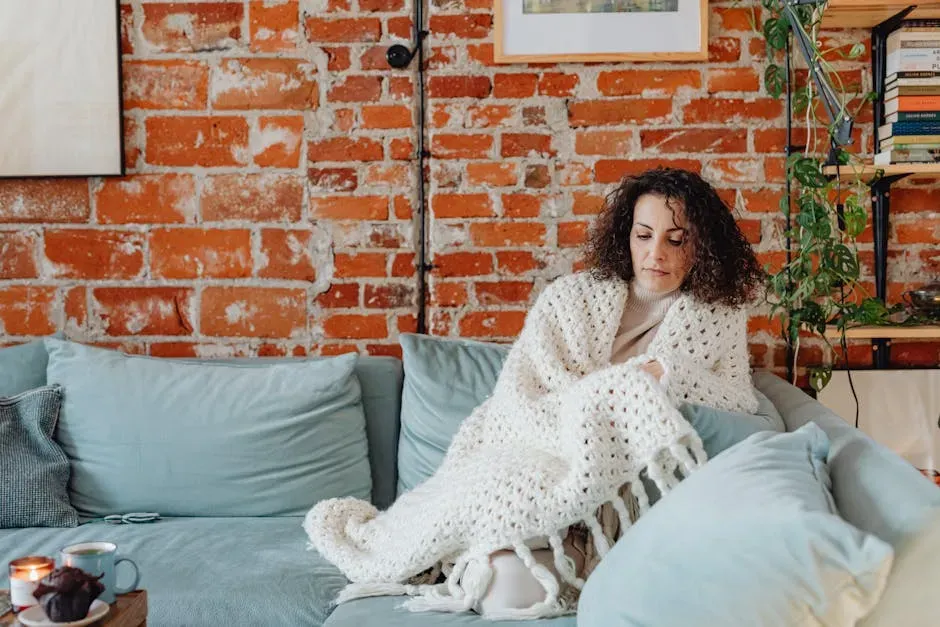
The American Psychological Association highlights how controlled home settings ease stress and social anxiety better than chaotic venues. McKinsey’s work patterns data shows hybrid schedules keeping folks home longer, blending work and play seamlessly. It’s therapy disguised as a party.
Small crowds feel safer, especially post-pandemic. No overwhelming noise or strangers. This comfort factor seals why suburb speakeasies thrive.