A Historic Crew Returns Humans to Deep Space (Image Credits: Pexels)
Kennedy Space Center, Florida — NASA stands on the cusp of a major milestone with the Artemis 2 mission, its first crewed voyage toward the Moon in more than five decades. The agency targets no earlier than 6:24 p.m. EDT on Wednesday, April 1, for liftoff from Launch Pad 39B, offering a two-hour window.[1][2] Teams complete final preparations amid favorable forecasts, with backup opportunities extending through April 6. This 10-day flight will test critical systems and pave the way for future lunar exploration.[3]
A Historic Crew Returns Humans to Deep Space
Four astronauts lead this daring endeavor, each bringing extensive experience from prior missions. Commander Reid Wiseman oversees overall operations, while Pilot Victor Glover handles spacecraft maneuvers. Mission Specialists Christina Koch and Jeremy Hansen, the latter representing the Canadian Space Agency, focus on scientific tasks and systems checks.[1][4]
The team arrived at Kennedy Space Center earlier this week, posing for photos and conducting briefings. Their journey revives NASA’s human presence beyond low Earth orbit, absent since Apollo 17 splashed down in 1972. Success here validates technologies essential for sustained lunar presence.[5]
Key Objectives Push Boundaries of Exploration
Artemis 2 prioritizes rigorous testing of the Orion spacecraft’s life-support systems under human occupancy for the first time. Crew members will perform health studies to understand microgravity effects during deep-space travel. They also plan detailed photography of the Moon’s far side to aid geologic studies.[1]
Another highlight involves deploying four CubeSats from international partners. These small satellites, originating from Germany, South Korea, Saudi Arabia, and Argentina, will monitor radiation and space weather at varying distances from Earth. The mission follows a free-return trajectory, tracing a figure-eight path around the Moon for safety—even a main engine failure would guide Orion home.[6]
- Germany’s CubeSat: Radiation measurement in cislunar space.
- South Korea’s: Space weather forecasting tools.
- Saudi Arabia’s: High-Earth orbit environmental data.
- Argentina’s: Technology demonstration for future missions.
SLS Rocket Powers the Journey
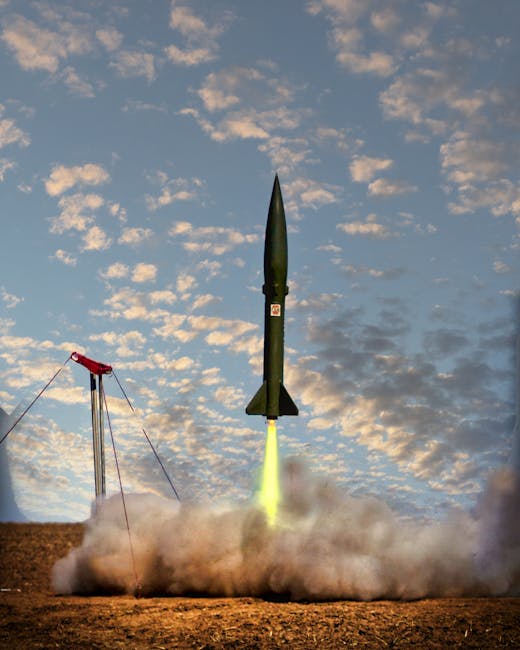
The Space Launch System, or SLS Block 1, propels Orion skyward as one of history’s most powerful rockets. Standing tall on Pad 39B, it underwent recent rollout and integrated tests to ensure reliability. This configuration delivers the crew into a precise lunar trajectory without docking or landing.[1][2]
Orion’s design emphasizes crew safety, featuring robust heat shields tested during the uncrewed Artemis 1 flight. The spacecraft will approach within 4,600 miles of the lunar far side, potentially shattering the Apollo 13 distance record of 248,655 miles from Earth. Splashdown off California’s coast targets around 8:06 p.m. EDT on April 10.[1]
Final Preparations Amid Optimism
Ground crews intensify efforts as launch nears, verifying fuel loads, avionics, and weather conditions. Forecasts predict only a 20 percent chance of delays from adverse weather. NASA streams coverage starting at 12:50 p.m. EDT via NASA+ and YouTube, inviting global audiences to witness history.[1][2]
Public viewing packages at Kennedy Space Center fill quickly for prime vantage points. Virtual registration remains open for remote participation. These steps reflect NASA’s commitment to transparency during this pivotal moment.[7]
- Artemis 2 marks NASA’s first crewed deep-space mission since 1972, testing Orion for future landings.
- The 10-day flyby deploys international CubeSats and gathers vital lunar data.
- Launch from Florida’s Pad 39B sets stage for Artemis 3’s planned Moon landing.
This mission not only reignites lunar ambitions but also unites international partners in humanity’s next giant leap. As countdown clocks tick, the world watches Florida’s space coast. What do you think about this milestone? Tell us in the comments.