
There’s something quietly thrilling about discovering that your great-great-grandmother crossed the Atlantic with little more than a suitcase and a prayer. Or that a branch of your family tree stretches back to a Civil War soldier, a freed slave, or a Swedish farmer who landed in Minnesota in the 1880s. American roots run deep, complicated, and endlessly surprising. Family history research isn’t just a hobby anymore. It has become a genuine cultural movement, and the tools available today make it easier than ever to begin that journey. So let’s dive in.
Why Genealogy Is Booming Right Now
Let’s be real: people have always been curious about where they come from. But the scale of that curiosity today is something else entirely. The global genealogy products and services market was valued at around $6.60 billion in 2024 and is projected to grow to over $16 billion by 2032. That isn’t a niche hobby figure. That’s a thriving industry built on a very human need to belong to something larger than ourselves.
According to Pew Research Center, roughly a third of Americans say they have seriously explored their family history, reflecting a growing national appetite for ancestry projects. Growing consumer demand for personalized ancestry and health information is fueling this expansion of genealogy services. If you’ve been thinking about starting your own project, you’re in good company. Millions of people are doing exactly the same thing.
Start With What You Already Know
Before opening a single database or ordering a DNA kit, sit down and write out what you already know. Names, dates, places, family stories passed down at the dinner table. Think of it like drawing a rough map before setting off on a hike. You don’t need perfect information. You just need a starting point.
Talk to older family members first. Oral history, or the practice of recording and preserving memories and experiences, enables us to capture the wisdom of our living libraries before they pass away. This step is often overlooked because it feels informal, but it can surface details you’ll never find in any official record. An aunt who remembers a grandfather’s hometown, or a parent who recalls a maiden name, can save you months of searching.
Use Free Databases Before You Pay for Anything
Here’s the thing most beginners don’t realize: you don’t need to spend money to get started. Some of the most powerful genealogy tools in the world are completely free. FamilySearch offers online access to records from more than 170 countries and principalities, with more than 20.5 billion total records available, including over 2.5 billion new searchable records and images added in 2024 alone. That’s a staggering amount of information at zero cost.
The National Archives and Records Administration (NARA), maintained by the U.S. Federal government, houses millions of microfilmed, printed, and manuscript records, and is excellent for census records, governmental and military history records, military pension files, passenger lists, early naturalization records, and much more. Both platforms should be your first stops. Ancestry.com and MyHeritage offer paid subscriptions with broader search functions, but honestly, start free and see how far it takes you.
Decoding the U.S. Census Records
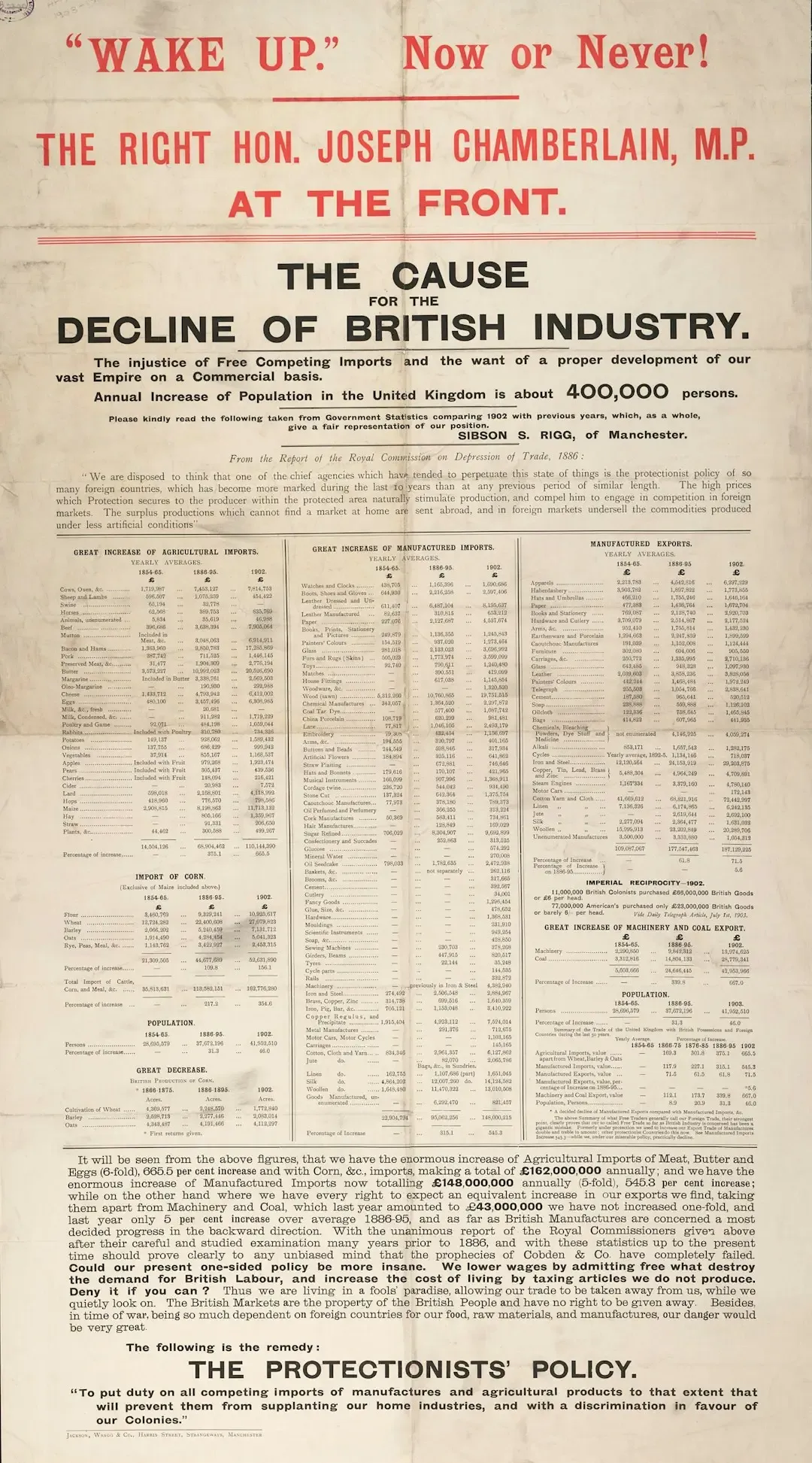
The federal census is one of the most powerful tools for tracing American roots. The U.S. has conducted a census every ten years since 1790, and records up through 1950 are now publicly available. That means you have access to roughly 160 years of household-by-household snapshots of American life. NARA maintains microfilm guides with roll-by-roll listings for census records from 1790 through 1930, as well as passenger lists, American Indians, Black studies, and military records.
Each census year captured different details. Earlier censuses recorded only the head of household. Later ones listed names, ages, birthplaces, occupations, and even immigration years. The 1940 and 1950 censuses are particularly rich. Think of each census record as a photograph of your ancestor’s world, frozen in time. Finding your family in multiple census years lets you trace movements, family growth, and even economic changes across generations.
Tracing Immigrant Ancestors Through Ship and Immigration Records

The majority of American families have immigration somewhere in their story. Whether it was colonial-era settlers, 19th-century European arrivals, or 20th-century migration from Asia, Latin America, or elsewhere, the paper trail is often remarkable. Immigration records, including those from Ellis Island, document more than 12 million immigrants entering the U.S. between 1892 and 1954. That’s an enormous archive of names, origins, and departure points.
Ancestry, in partnership with NARA, offers access to 34 million naturalization records from over 47 U.S. states, along with 156 million passenger records containing details like name, age, port of departure, and date of arrival. These records can bridge the gap between an American family story and its overseas origin. Finding the ship your ancestor arrived on feels, honestly, a little like time travel.
DNA Testing: Science Meets Family History

DNA testing has fundamentally changed what’s possible in genealogy research. More than 30 million people worldwide have now taken at-home DNA ancestry tests, and that number keeps climbing. The global ancestry testing market was valued at $2.40 billion in 2024 and is projected to reach over $5.7 billion by 2033. What was once an expensive, specialized service is now accessible to almost anyone.
Genetic genealogy reconstruction is a viable, feasible, and timely anthropological pursuit to reclaim a more cohesive family narrative, with profound implications for members of the historic African diaspora. For many communities whose paper records were destroyed, suppressed, or simply never kept, DNA testing has opened entirely new doors. Key applications of genealogy services now include ancestry research, health insights, and cultural heritage preservation. Still, experts rightly stress that genetic results should always be considered alongside documentary evidence, not as a standalone answer.
The Power of Oral History for Underdocumented Families
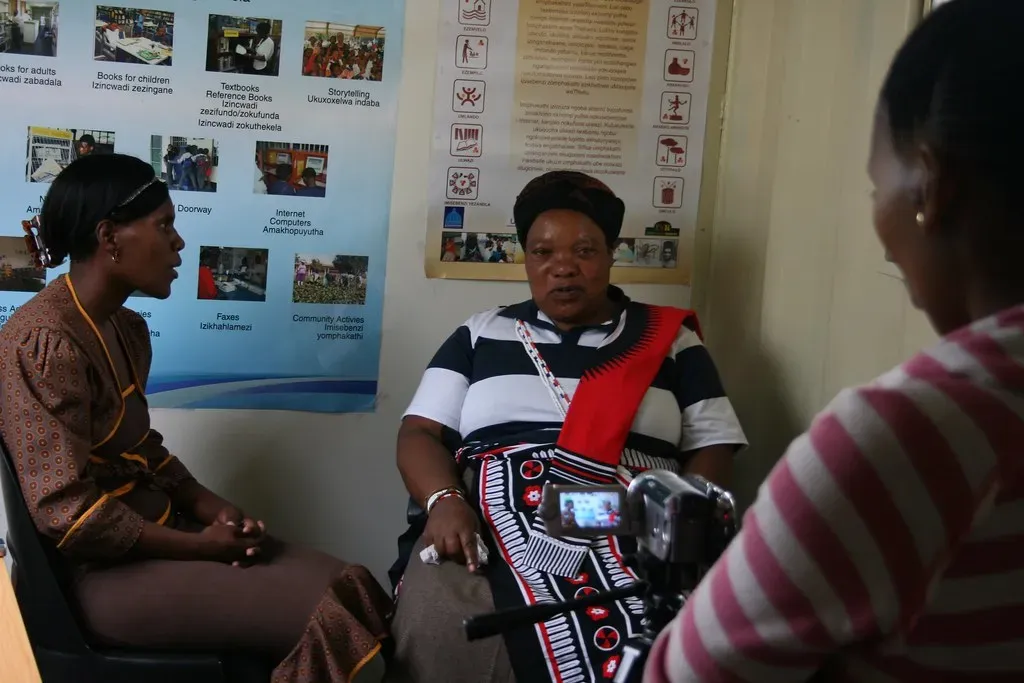
Not every family’s history is waiting neatly in a searchable database. For African American, Indigenous, and other underdocumented communities, official records can be frustratingly sparse or entirely absent due to historical exclusion and systemic inequality. This is exactly where oral history becomes irreplaceable. Family history interviews are a good way to capture memories before they are lost, helping to verify and preserve names and dates – the sort of information you would typically record on a family group sheet or pedigree chart.
FamilySearch announced a collaboration with American Ancestors on the 10 Million Names project, an initiative to recover the names and restore information to families of the estimated 10 million men, women, and children of African descent who were enslaved in pre- and post-colonial America, using artificial intelligence to identify individuals from millions of searchable historical records. Oral accounts, church records, family Bibles, and community interviews can fill gaps that no federal archive can. Sometimes the most important historical record is a 102-year-old community elder sitting in a living room in South Carolina.
Organize, Preserve, and Share What You Find

Research without organization is just a pile of notes. Once you start finding records, photographs, and oral accounts, you need a system to manage it all. Free platforms like FamilySearch let you build and share family trees online, connect with living relatives you never knew existed, and collaborate with others researching the same surnames. FamilySearch launched the Relatives at RootsTech 2025 experience to meet growing demand for interactive genealogy tools, using family tree data to connect users with unknown relatives and enabling global participation in digital family history research.
Beyond digital tools, consider preserving physical documents. Scan old photographs. Record interviews with elderly relatives. The American Folklife Center at the Library of Congress offers grants and fellowships to support individuals in collecting and archiving contemporary cultural expressions and traditions, including oral history interviews and audio-visual recordings of cultural activity from the community perspective. Whether you create a simple shared folder or publish a formal family history book, the goal is the same: make sure what you’ve uncovered doesn’t disappear again. That’s the whole point, isn’t it?
Conclusion: Your Story Is Worth Telling
Starting a family history project doesn’t require a history degree or a massive budget. It requires curiosity, patience, and a willingness to follow threads wherever they lead. Some of those threads will dead-end. Others will open into worlds you never expected. That’s what makes this work genuinely exciting.
The tools available today, from free databases with billions of records to affordable DNA kits and digitized archives, have never been better. As DNA testing technology continues to advance and more people embrace the opportunity to explore their genetic heritage, the genealogy market is poised for sustained positive growth, reflecting the increasing importance of personal genomics and the enduring human curiosity to understand one’s origins.
Your American roots are out there, waiting. The first step is simply deciding to look. What story do you think is hiding in your family tree?