

There is something electric about New York City in March. The cold still clings to the streets, but there is an energy rising from the sidewalks that has nothing to do with the weather. Women’s soccer banners. Digital billboards. Crowds gathering around activation booths in the middle of Times Square. If you happened to be walking through Midtown recently, you felt it – something has shifted in the city’s sporting culture, and it is not subtle.
This is not just a trend piece. The numbers are staggering, the cultural momentum is real, and New York City sits at the very center of it all. So let’s dive in.
The Numbers That Changed Everything: NWSL’s Record-Breaking 2024
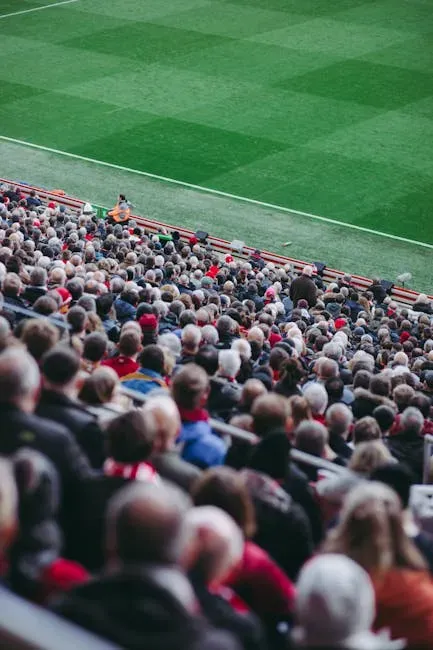
Let’s be real – when people talk about women’s soccer in America, they often do so cautiously, as if the whole thing might still collapse. Not anymore. During the 2024 season, the NWSL reached a total attendance of over 2 million spectators for the first time in the league’s history. That is not a blip. That is a movement.
The NWSL set a new attendance record in 2024, as clubs averaged 11,250 fans in attendance – a six percent increase compared to the previous year. Think about that as a baseline. From 2019 to 2024, the average attendance of the NWSL grew from an average of 7,337 attendees per game to 11,235 per match, a growth of roughly 53 percent according to a study by Sportico.
During the 2024 season, there were 89 matches with more than 10,000 fans, topping the previous year’s total of 55 games. That kind of consistent crowd size, game after game, is what turns a league into a cultural institution. New York City has been watching, and it has been listening.
Gotham FC and the Championship That Lit Up the Tri-State Area
You cannot talk about the NWSL’s New York moment without talking about NJ/NY Gotham FC. In November 2023, something remarkable happened. NJ/NY Gotham FC completed the greatest “worst-to-first” turnaround in NWSL history, defeating OL Reign 2-1 to lift their first-ever NWSL Championship trophy. One year after finishing last in the entire league. Honestly, that storyline writes itself.
U.S. Women’s National Team forward Lynn Williams and Spanish international Esther González scored for Gotham, with Midge Purce – who assisted both goals – being named Championship Game MVP. It was the kind of performance that turns casual observers into obsessive fans overnight. And then they did it again.
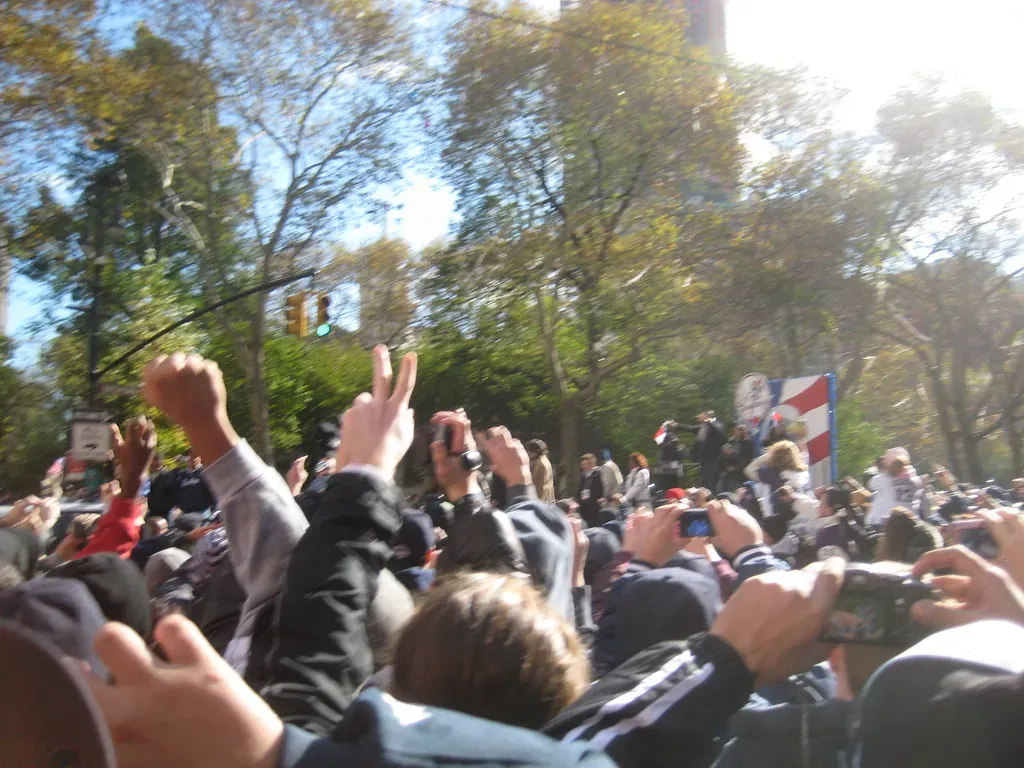
Gotham FC’s second NWSL Championship win in three years was the most-watched match in league history, drawing 1.184 million viewers and becoming the first NWSL game to surpass 1 million viewers. Gotham celebrated its latest trophy with a New York City Hall procession and ceremony, receiving keys to the city. A trophy celebration parading through the streets of Manhattan. That is a different level of visibility for a women’s soccer team in this country.
The $240 Million Deal That Put the League on Prime Time
Here is the thing about cultural momentum: it does not happen in a vacuum. Money has to move. And move it did. The NWSL’s media rights deal is set at $60 million per year, totaling $240 million for the term of the deal – an amount that represents a 40-times multiple from the league’s previous agreement. Forty times. That is not an upgrade. That is a transformation.
The 2024 season was the first under new broadcast agreements with CBS Sports, ESPN, Amazon Prime Video and Scripps Sports, with 118 of the total 182 matches televised or streamed nationally. Suddenly, NWSL games were showing up everywhere – Friday nights on Prime Video, Saturday double-headers on ION, and Sunday showdowns on CBS. The outlay from CBS, ESPN, Amazon’s Prime Video and Scripps Sports represents a forty-fold jump from the NWSL’s previous $1.5 million annual tie-up with CBS.
Visibility changes perception. Once fans could flip on a game without hunting for an obscure streaming link, the audience exploded. The 2024 NWSL championship was the league’s highest-viewed game, averaging nearly 1 million viewers. That kind of reach echoes directly into New York City’s sports marketing scene, where brands pay close attention to what people are actually watching.
Times Square as the Epicenter: When Women’s Soccer Took Over Midtown
I think what struck me most, walking through Times Square on a recent March evening, was how normalized it all felt. The NWSL branding did not feel like a novelty act fighting for attention – it felt like it belonged there. And it should. Times Square sees well over 300,000 visitors on an average day, making it arguably the most powerful marketing canvas on the planet.
New York City has long served as the hub for major sports promotions and fan activations. The city’s scale means that any cultural moment amplified here instantly resonates nationally. When the NWSL places its imagery and its athletes in Midtown Manhattan, it is sending a message to every sponsor, every broadcaster, and every casual fan: this league is mainstream.
The city’s own identity as a sports powerhouse matters enormously here. Think about it like real estate – location is everything. Having a championship-winning local team in Gotham FC, combined with the league’s largest media deal ever, puts the NWSL precisely where it needs to be in a city that shapes cultural narratives for the whole country.
The Billion-Dollar Women’s Sports Economy Is Real
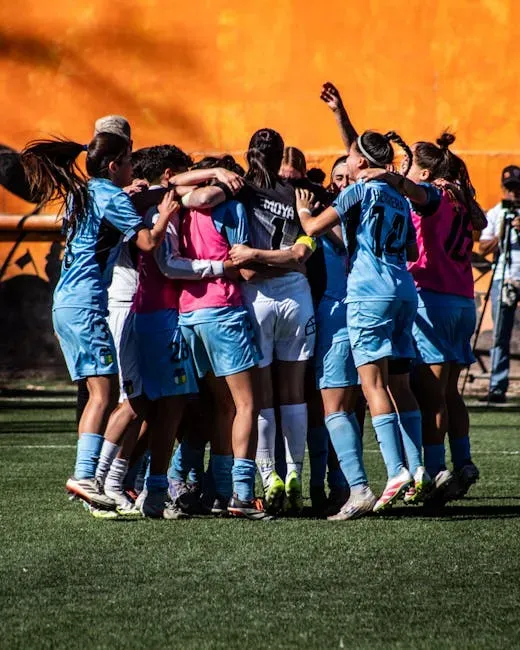
There was a time – not long ago – when brands treated women’s sports sponsorship like a charitable donation. Not anymore. A report from Deloitte predicted that top women’s leagues would generate global revenues of $1.28 billion in 2024, marking the first time that annual global revenues for women’s sports surpassed $1 billion. That is a historic benchmark, and it did not come from luck.
Women’s sports could generate at least $2.5 billion in value for rights holders in the United States by 2030 – a 250 percent increase from the $1 billion generated in 2024. Soccer is leading the charge. Soccer and basketball are expected to bring in a respective 43 and 28 percent of the revenue, collectively representing more than two-thirds of the total.
The NWSL is not just riding this wave – it helped create it. The NWSL quadrupled sponsorship revenue over the past five years to reach approximately $60 million in 2024. That kind of growth rate, in any industry, would be considered remarkable. In a league that was fighting for primetime slots just a few years ago, it is extraordinary.
Brand Investment Pours In: Sponsors Are No Longer Playing It Safe
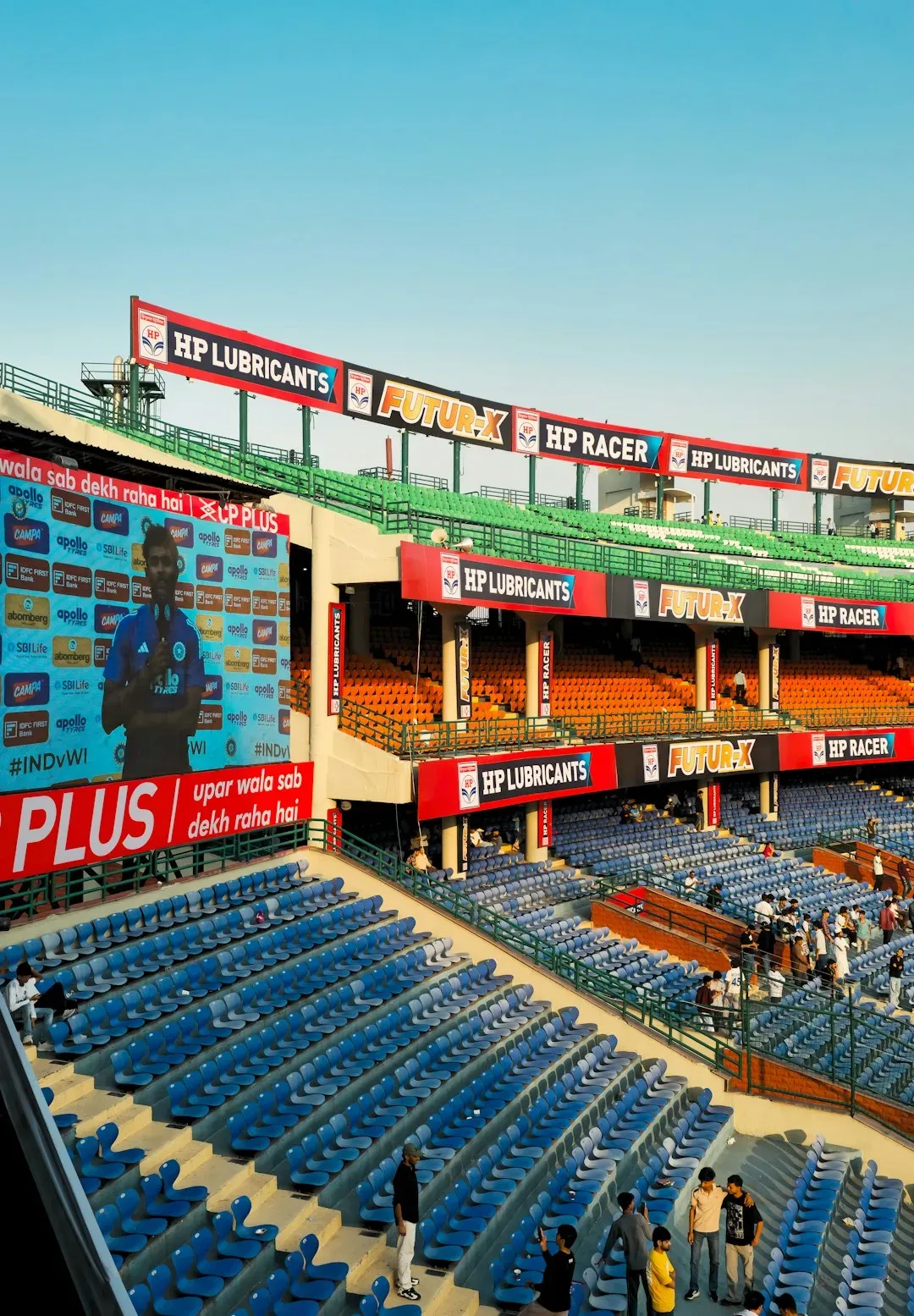
Walk through any NWSL stadium in 2025 and you will see the names of serious, major brands plastered on banners, jerseys, and pitch-side boards. This is not token investment. Sponsorship deals in women’s sports grew at a 12 percent year-over-year rate, outpacing the 8 percent year-over-year growth across the five major men’s professional leagues – a near-50 percent faster rate.
The NWSL led all women’s leagues with a 19 percent increase in sponsorship deals. Brands are no longer asking “is this worth it?” They have seen the returns. According to one study, for every dollar spent by a corporate sponsor in women’s sports, more than seven dollars in customer value is generated for that organization. Those are numbers that silence skeptics.
New York City is where those sponsorship conversations are happening at the highest levels. The city’s concentration of global brand headquarters, media companies, and sports agencies makes it the natural boardroom for the NWSL’s commercial future. The energy on the streets of Midtown this March is partly a reflection of what is being negotiated in the offices above.
Viewership Surge: The 2023 Women’s World Cup Changed the Conversation
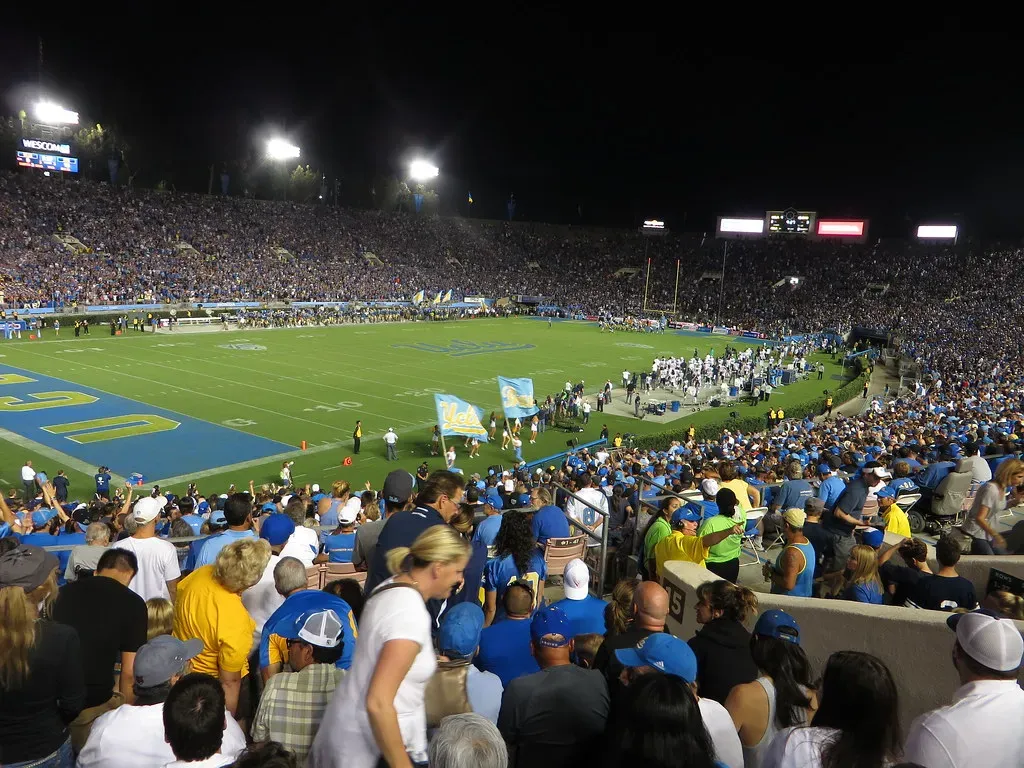
It is hard to overstate what the 2023 FIFA Women’s World Cup did for the sport’s global profile. Millions of fans who had never paid close attention to club women’s soccer suddenly had a framework for the players, the rivalries, and the narratives. The 2023 FIFA Women’s World Cup saw FIFA secure 30 partners for the tournament, a 150 percent increase on the 2019 edition, generating $308 million in sponsorship revenue.
That global appetite translated directly into NWSL viewership in 2024. Fans who had been newly introduced to players like Lynn Williams, Midge Purce, and Esther González through the World Cup now had somewhere to watch them every week. The NWSL’s attendance growth has been consistent and sustainable, highlighted by year-over-year increases in both total and average per-match attendance in nearly every regular season since the league’s inception.
It is hard to say exactly where the ceiling is, but the trajectory suggests it is far higher than most expected just five years ago. Between 2022 and 2024, revenue from women’s sports grew 4.5 times faster than that of men’s sports. That is the kind of statistic that makes investors sit up and pay serious attention.
Why New York City Feels Different This March
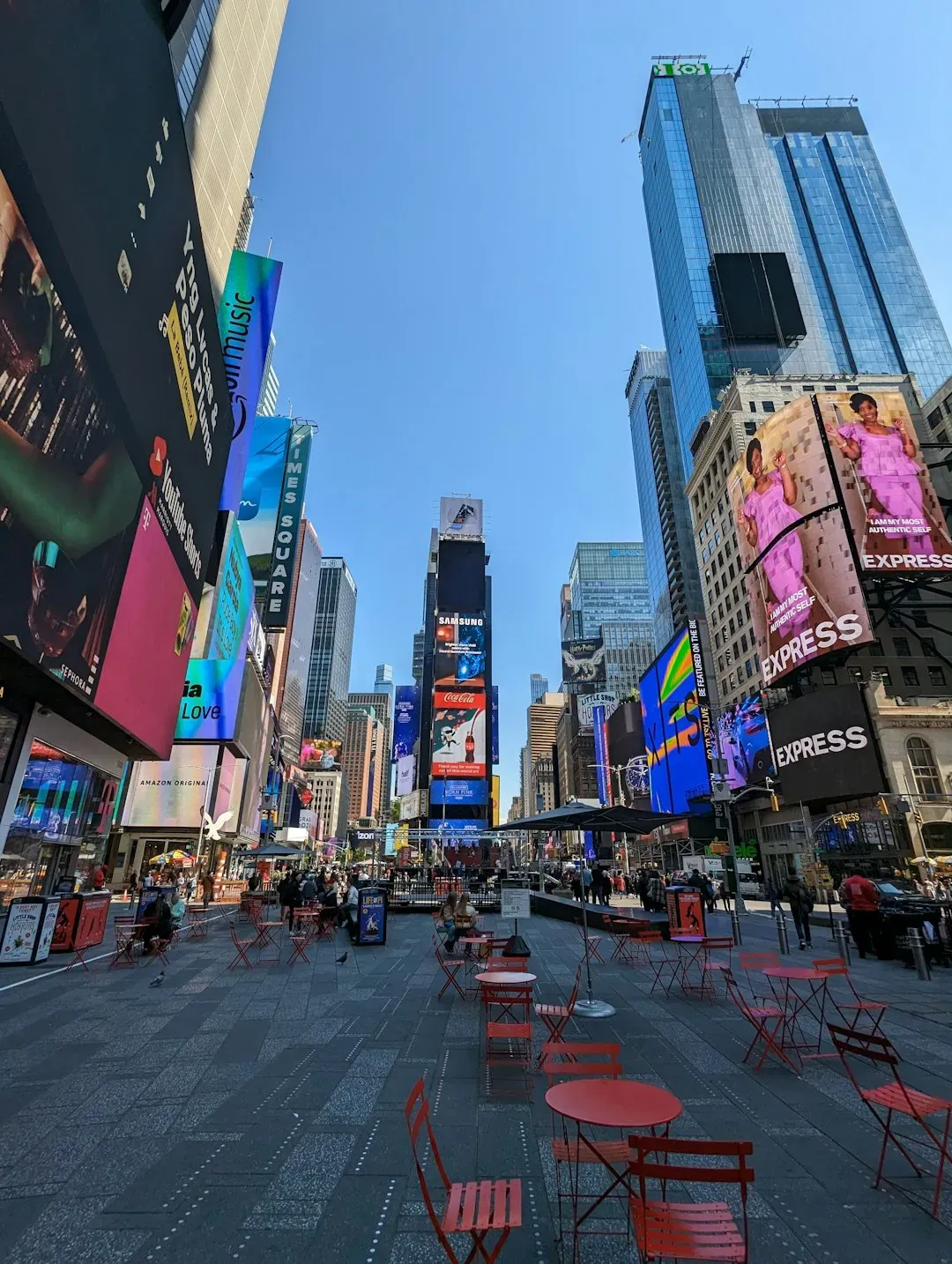
Here is what I keep coming back to: New York City has always been a barometer for what matters in American culture. When something shows up in Times Square, when it fills venues, when it generates genuine street-level buzz – it is not a test balloon anymore. It is real. The 2025 NWSL championship capped a watershed year for women’s sports, which continue to attract unprecedented audiences nationwide.
The 14 NWSL clubs generated an estimated $215 million in regular season revenue in 2024, up 91 percent from the year before when 12 teams took the field. Nearly doubling revenue in a single year is not a growth story. It is a revolution. And New York City, with Gotham FC as its flag-bearer and Times Square as its billboard, is where that revolution feels most vivid.
Standing in the middle of all those lights, watching people stop to look at NWSL content on a massive digital screen, I thought about how recently this would have seemed impossible. Women’s soccer – center stage, in the most watched intersection on earth. The city feels different this March because the sport itself is different. And honestly? It was a long time coming.
What would you have said five years ago if someone told you the NWSL would be breaking attendance records, signing nine-figure media deals, and lighting up Times Square by 2026? Would you have believed them? Let us know what you think in the comments.