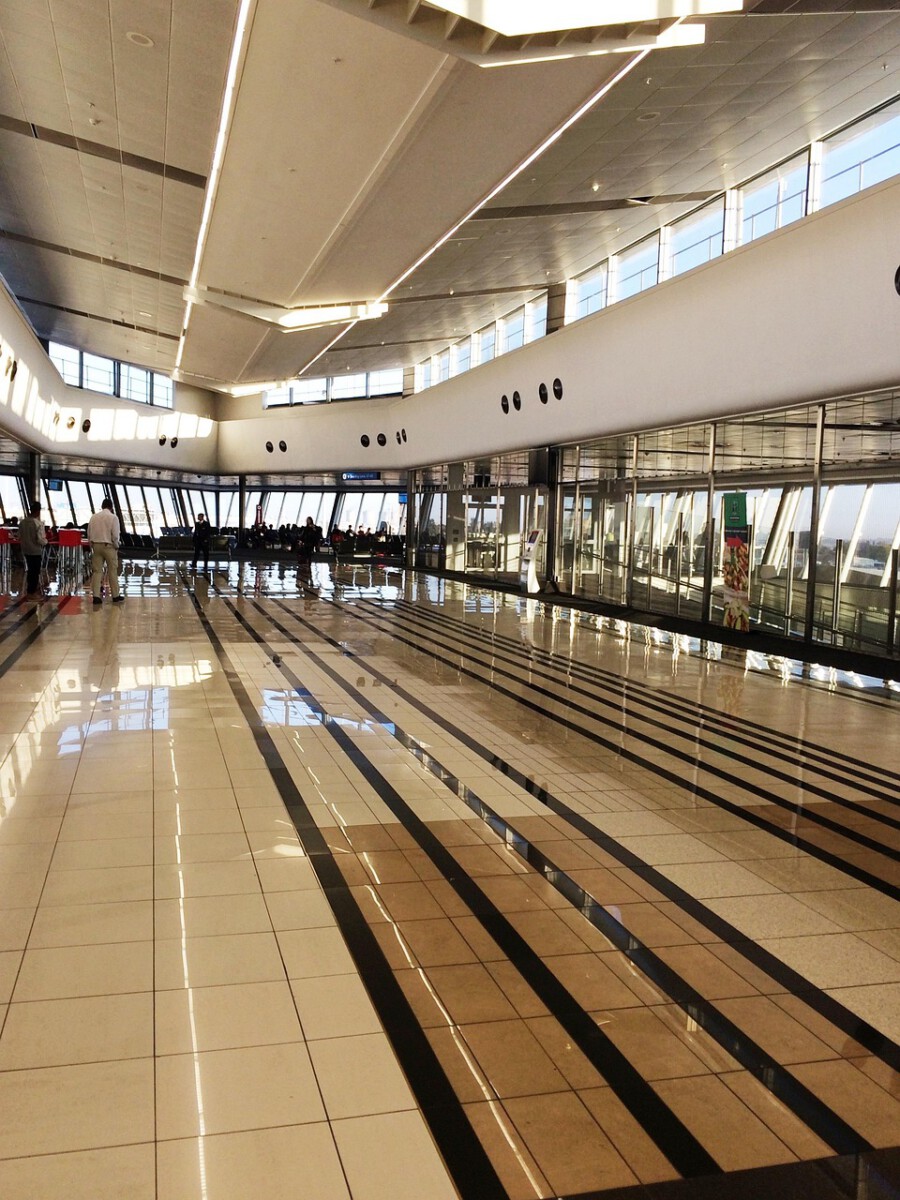
A Facebook Post Ignites a Business Boom (Image Credits: Pixabay)
Major U.S. airports have become battlegrounds of patience, with security lines ballooning to four or six hours amid staffing crises. Frustrated passengers now turn to a burgeoning cottage industry: professional line-holders who charge steep fees to reserve spots in the chaos.[1][2] This unconventional service highlights the desperation fueled by recent federal disruptions, as time-strapped flyers prioritize convenience over cost.
A Facebook Post Ignites a Business Boom
Jimmy M. Payne, a resident of Baton Rouge, Louisiana, posted on Facebook offering to endure TSA lines on behalf of others. His pitch quickly went viral, drawing hundreds of inquiries from potential customers.[1] What started as a seemingly humorous idea evolved into a legitimate side hustle, capitalizing on widespread traveler misery.
Payne emphasized his reliability in the post: “Strong legs. Strong bladder. Zero complaints.”[1] He described the process simply: stand in line, hold the spot, and notify the traveler via call or text when nearing the screening point. The client then steps in just before identity verification.
Pricing Varies by Airport Intensity
Fees reflect the severity of delays at each location, with advance payment required and a one-week notice for bookings. The service covers up to two bags, targeting busy hubs where waits prove most punishing.[2]
| Airport | Code | Fee |
|---|---|---|
| Hartsfield-Jackson Atlanta International | ATL | $1,200 |
| George Bush Intercontinental (Houston) | IAH | $800 |
| Louis Armstrong New Orleans International | MSY | $600 |
Similar operations have popped up elsewhere. Same Ole Line Dudes, for instance, charges $25 per hour with a two-hour minimum at airports like LaGuardia and John F. Kennedy in New York.[3] Informal deals also surface, such as one traveler who paid $50 to cut ahead in Atlanta.[3]
Federal Shutdown Fuels the Fire
A partial government shutdown that began on February 14, 2026, slashed funding for the Department of Homeland Security. TSA agents worked without paychecks, prompting about 10 percent to stop reporting and roughly 500 resignations over six weeks.[1] Average wait times swelled to four to six hours at major hubs, stranding passengers and risking missed flights.
President Trump issued an executive order to restore pay, yet recovery lagged. Staffing shortages persisted into late March, with peak days like Sundays and Mondays proving worst. Travelers likened the experience to being herded like cattle.[4]
Legal Limbo and Established Options
These services operate in a regulatory gray zone. Federal rules mandate the traveler’s presence for ID checks, but holding places beforehand draws no explicit ban. Airports like New Orleans require permits for commercial activities, though enforcement remains spotty.[2] Payne reportedly consulted airports to legitimize his venture.
Travelers seek formal alternatives too. TSA PreCheck offers expedited screening for an $78 five-year enrollment. CLEAR provides biometric verification and concierge escorts starting at $99 per use at select sites. Private jet bookings have surged as another escape from the mayhem.[4]
- Enroll in TSA PreCheck early for predictable lanes.
- Opt for CLEAR Plus at supported airports.
- Arrive three hours ahead during peaks.
- Monitor apps like MiFlight for real-time waits.
- Consider flights with dedicated security access.
- Line-holding fees range from $25/hour to $1,200 per queue, driven by shutdown-induced delays.
- Viral social posts have launched multiple providers amid 4-6 hour waits.
- Official programs like PreCheck and CLEAR remain safer, vetted bets for speed.
As paychecks flow and hires ramp up, lines should shorten, but the episode underscores travelers’ thirst for reliability. Entrepreneurs like Payne prove chaos breeds opportunity. What do you think of paying to skip the line – worth it or too extravagant? Tell us in the comments.