Picture this: a quiet street in rural New Mexico, where the biggest excitement is usually a neighbor’s barbecue. Yet behind the plain walls of one modest home, secrets worth fortunes gathered dust for decades. What if the couple waving hello every morning had pulled off some of the boldest art grabs in American history?
Let’s uncover how Jerry and Rita Alter, everyday retirees, turned their golden years into a private gallery of stolen gems. Their story blurs the line between ordinary and outrageous.[1][2]
Who Were Jerry and Rita Alter?

Jerry and Rita started as public school teachers in New York City, the kind of folks who graded papers and planned field trips. They retired in the late 1970s and settled in Cliff, New Mexico, a speck of a town with more cows than people. Honestly, neighbors saw them as harmless globe-trotters who bragged about stamps in their passports.
Over decades, they racked up visits to more than 67 countries, snapping photos everywhere but Antarctica. Little did anyone know, those trips might have masked bolder adventures. Their unassuming vibe hid a knack for slipping into museums unnoticed.[1][3]
Life in Quiet Cliff, New Mexico
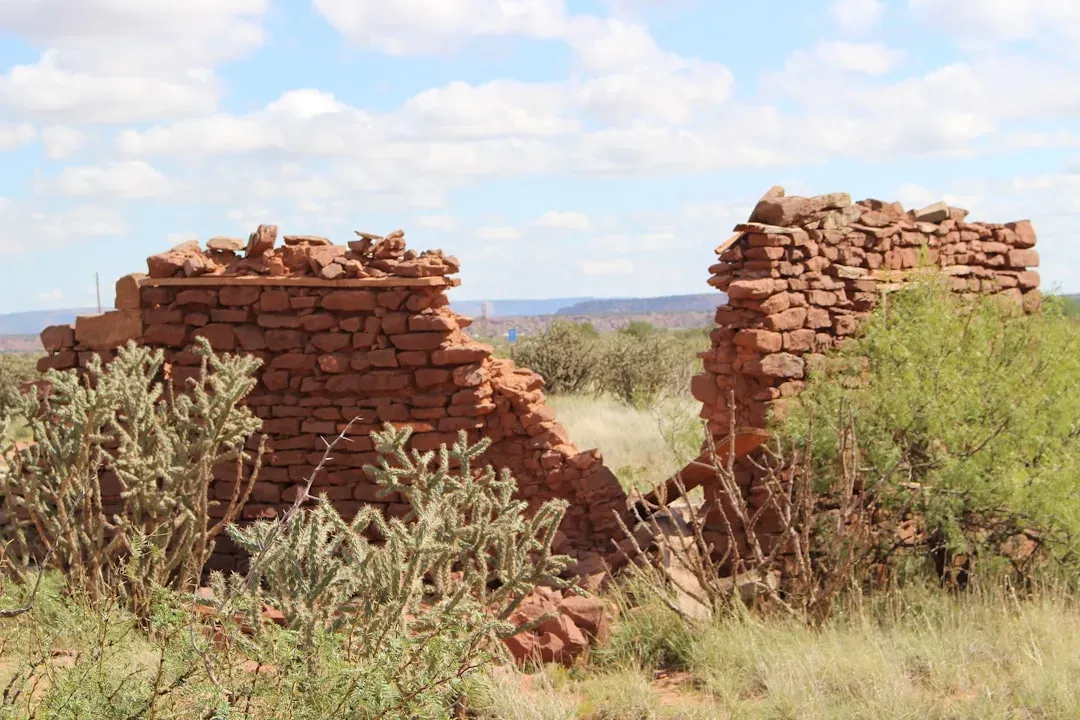
Cliff offered the perfect cover, a three-bedroom house tucked in southwestern New Mexico’s hills. Jerry played clarinet in the living room, Rita tended the yard, living like any retired pair on a fixed income. They filled walls with art that looked eclectic at first glance.
Behind closed doors, masterpieces dangled casually, one even propped where only they could admire it. Their routine screamed normalcy, yet whispers of travel tales hinted at restlessness. It’s wild how suburbia sheltered such secrets right under everyone’s nose.[2]
The Harwood Heist: First Known Strike
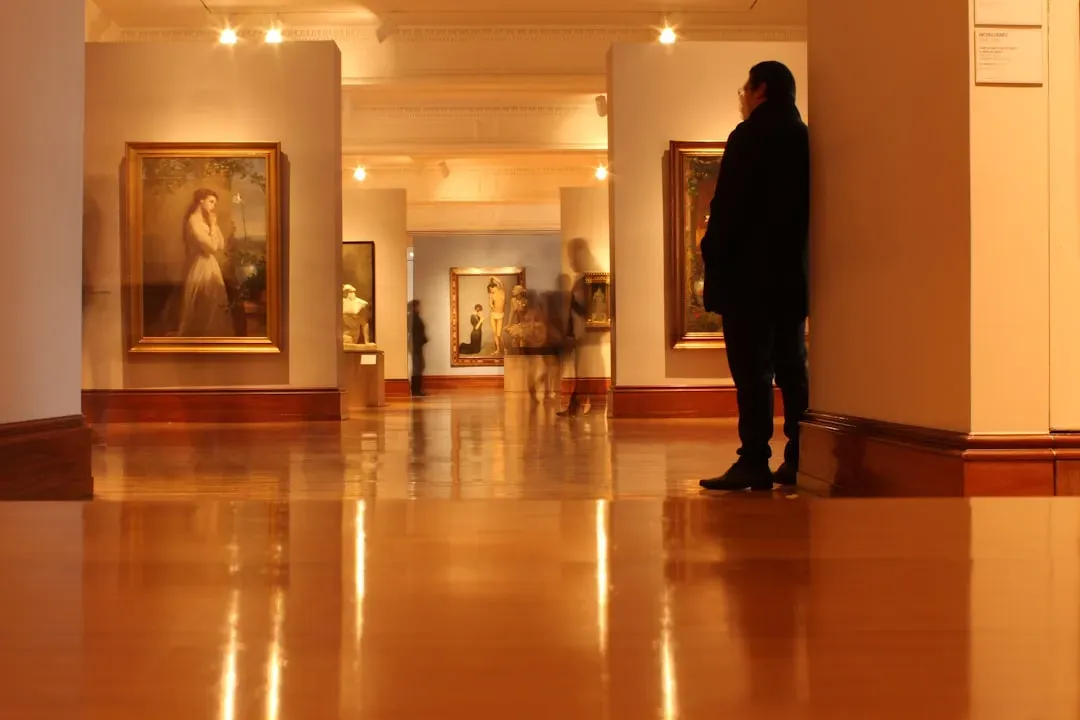
On March 20, 1985, the Harwood Museum of Art in Taos buzzed with visitors when thieves struck in broad daylight. A woman rolled up in a wheelchair, chatting up the curator as distraction. Meanwhile, a man in a long black raincoat eyed the second-floor gallery.
He slashed two oils loose, stuffing them under his coat before vanishing. The works? Victor Higgins’ Aspens from around 1932 and Joseph Henry Sharp’s Indian Boy in Full Dress, also called Oklahoma Cheyenne, circa 1915. Valued then at about $12,500 and $35,000, they vanished without a trace.[1][2]
Stealing the de Kooning Masterpiece

Just months later, on November 29, 1985, the University of Arizona Museum in Tucson opened briefly after Thanksgiving. An older woman distracted the guard with questions. Her partner, sporting a fake mustache, sliced Willem de Kooning’s Woman-Ochre from its frame.
He tucked the 1955 abstract oil under his jacket and bolted to a rust-colored sports car. Insured for $400,000 back then, it’s now eyed at $160 million. A photo placed the Alters in Tucson the day prior, matching suspect sketches spot-on.[3]
Hiding Treasures in Plain Sight
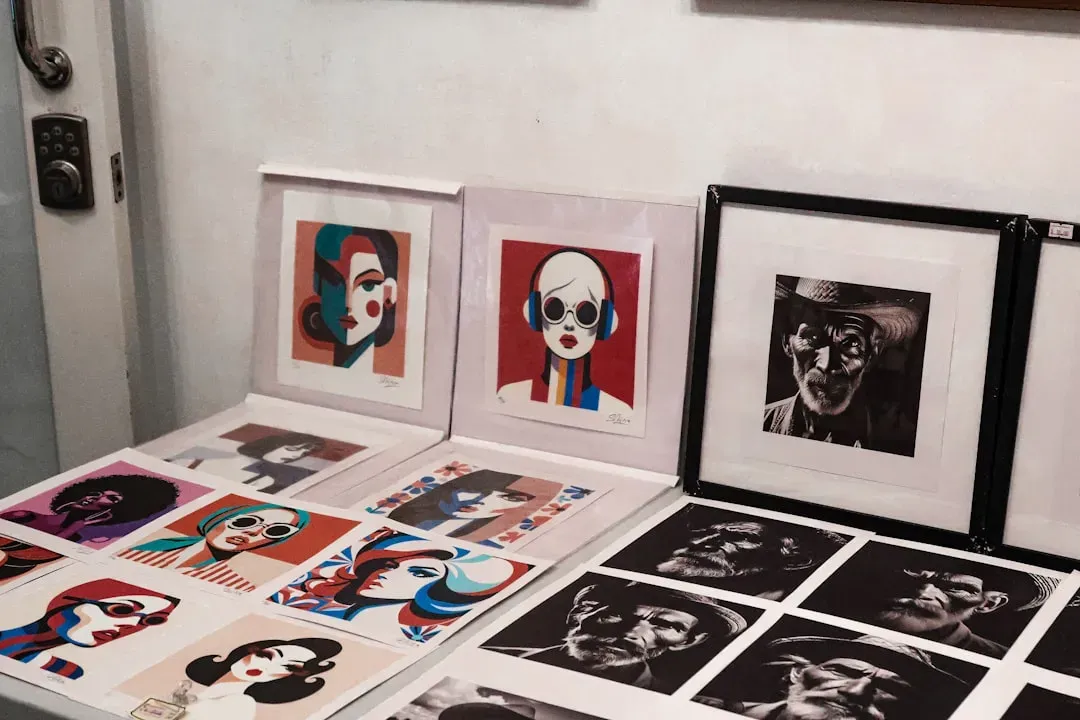
Back home, the Alters treated stolen prizes like family heirlooms. Woman-Ochre hung behind their bedroom door, visible only when shut, with a doorstop keeping it snug. The Harwood duo graced living room walls, snapped in casual photos with Jerry clarinet in hand.
They savored these privately, no intent to sell, just own the thrill. Their collection blended legit buys with illicit scores seamlessly. Who suspects the clarinet guy moonlights as a thief?[1][2]
Jerry and Rita’s Final Years
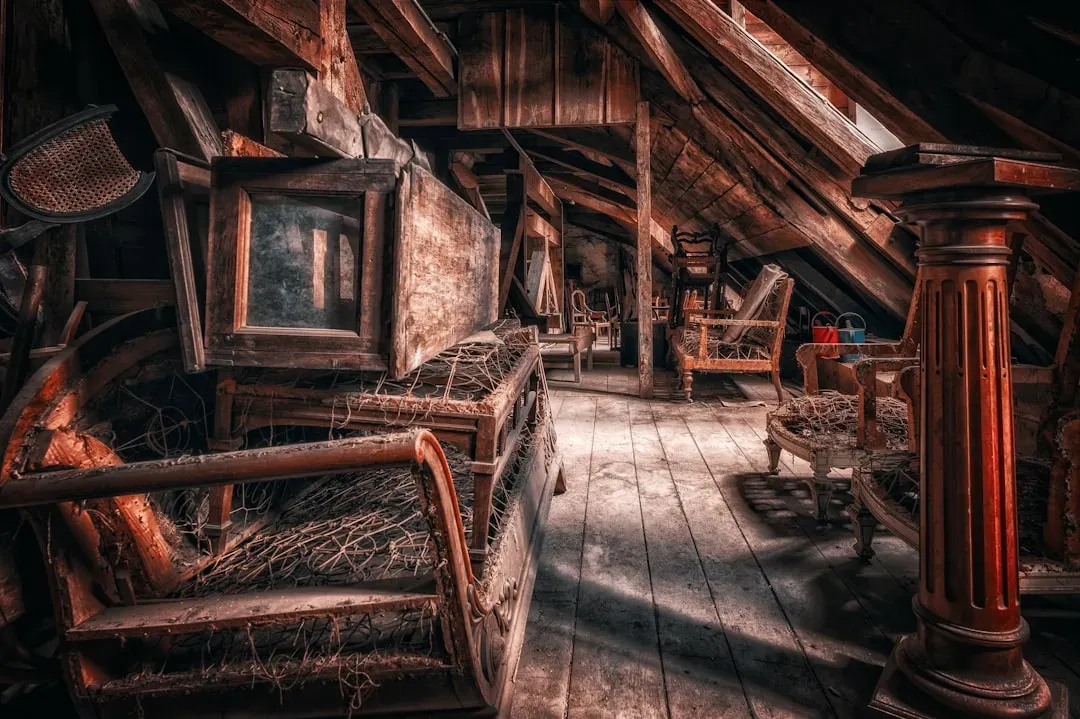
Jerry passed in 2012, Rita followed in 2017, leaving their Cliff home packed with oddities. No one in the family raised alarms over the art. Estate handlers cleared it out routinely, unaware of gems amid the clutter.
Their travels slowed, but stories lingered, like Jerry’s self-published book echoing museum grabs. Still, Cliff mourned them as quirky locals. The double life stayed buried until outsiders poked around.[4]
The Estate Sale Bombshell
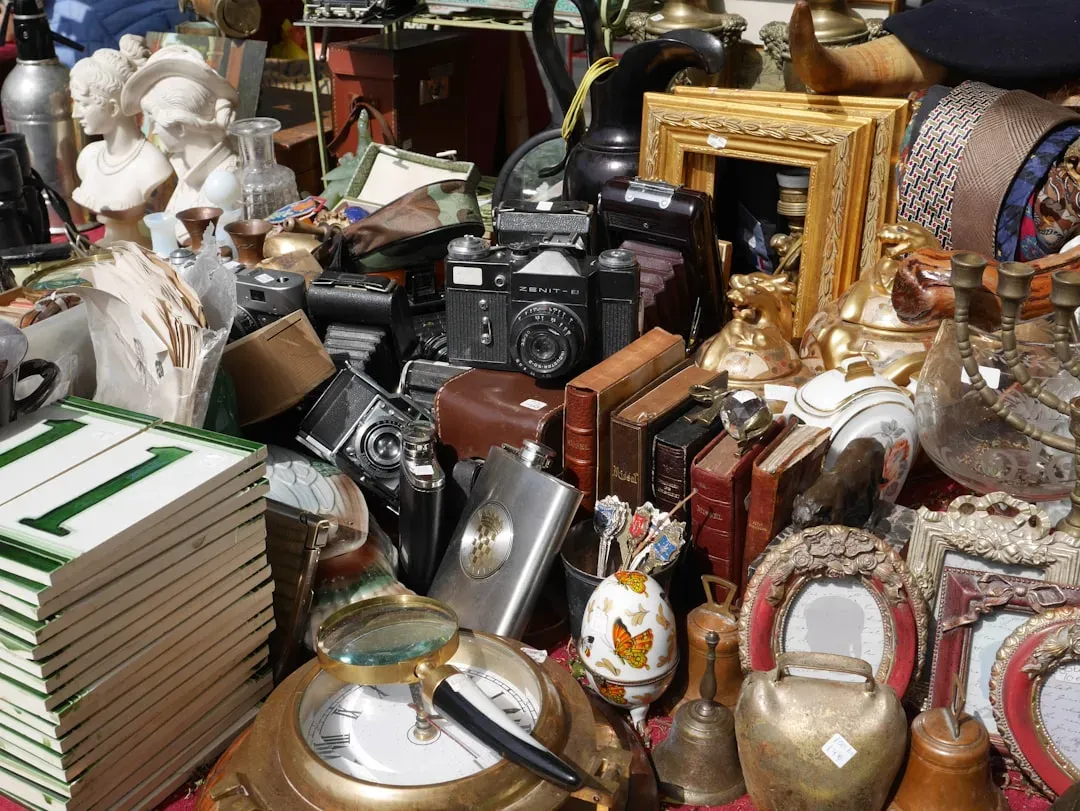
Antiques dealer David Van Auker bought the lot for $2,000, hauling it to his Silver City shop. Shoppers spotted Woman-Ochre and buzzed about de Kooning vibes. Experts confirmed it fast, scars and all from the 1985 cut.
Returned to Tucson, it sparked frenzy. The Harwood pieces? Donated to thrift, flipped at Scottsdale auction in 2018, still missing then. One find snowballed into questions about the rest.[1][3]
Clues Surface in Old Photos
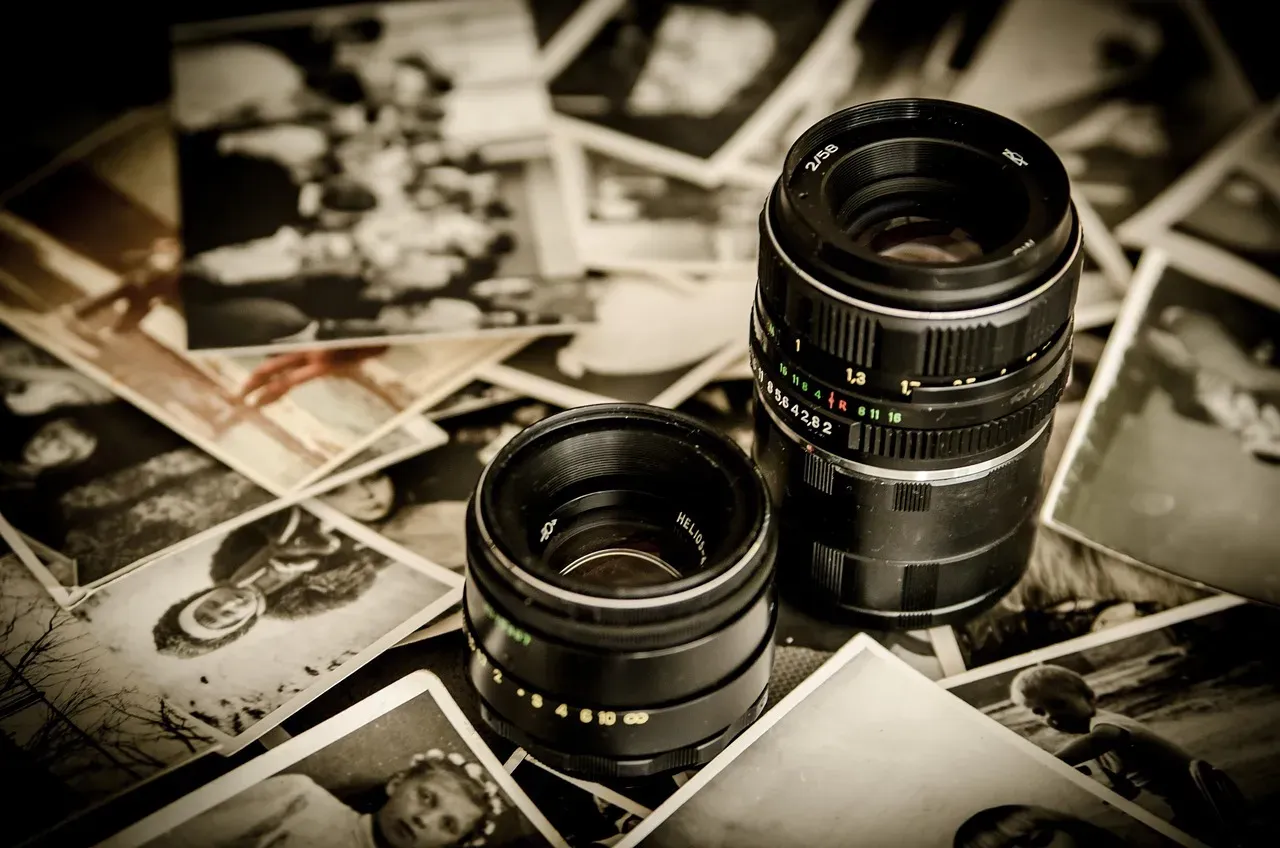
Researcher Lou Schachter dug deep, matching theft styles: coat concealment, daytime distractions. A 2022 documentary photo nailed it, Jerry posing under the exact Harwood duo. Their Tucson snapshot sealed the de Kooning link.
Globetrotting fueled whispers of international scores, though unproven. Methods mirrored across heists, too neat for coincidence. Persistence cracked the case wide open.[2]
The Thief Collector Documentary

Allison Otto’s 2022 film laid bare the Alters’ saga, blending interviews and archives. It spotlighted Jerry’s clarinet pic amid the Sharp and Higgins works. Viewers gasped at how teachers amassed such bounty undetected.
The movie prodded fresh hunts, alerting museums to check leads. It humanized the thieves, pondering motives beyond cash. Suddenly, their story gripped true crime fans everywhere.[2]
FBI Steps In and Art Returns
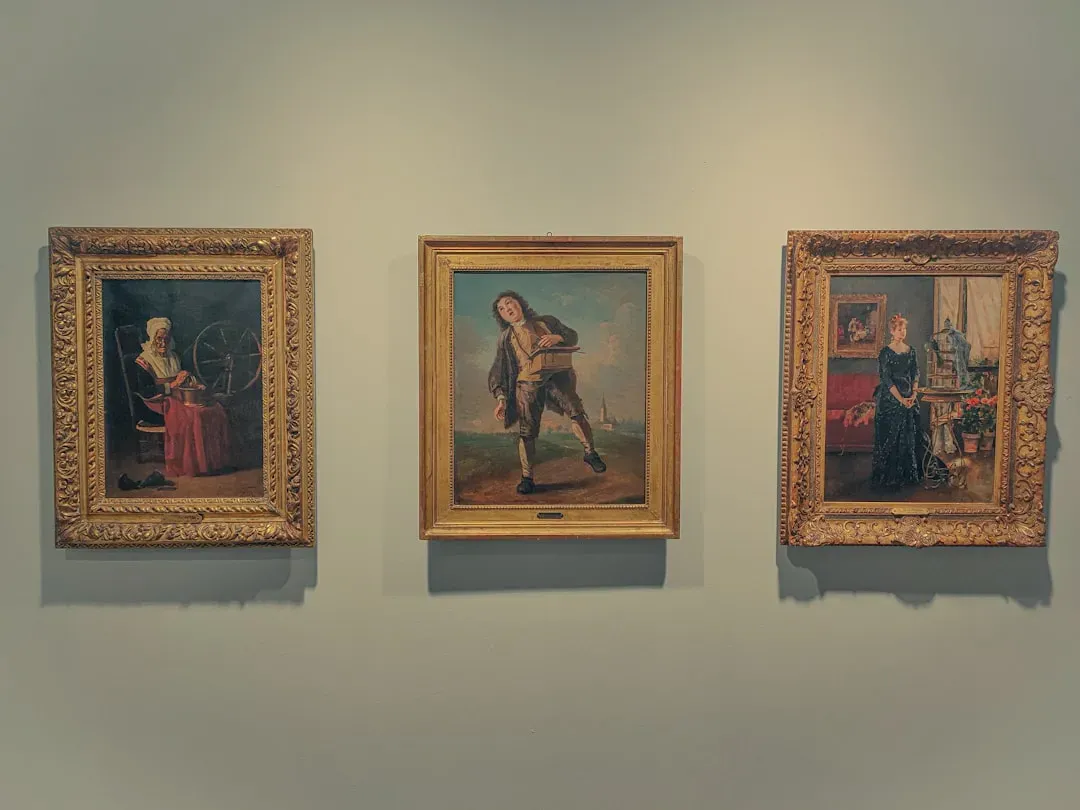
By spring 2024, Harwood’s task force tipped the FBI after Schachter’s finds. Agents tracked the auctioned duo, recovering them swiftly. On May 22, 2025, Victor Higgins’ Aspens and Joseph Henry Sharp’s Oklahoma Cheyenne came home after 40 years.
Displayed in “The Return of Taos Treasures” through September 2025, no arrests followed since the thieves were gone. The FBI praised teamwork, closing leads. Their haul, though modest next to de Kooning, proved the couple’s audacious run.[5][2]