
Picture this: your cozy home in a picturesque spot, but suddenly no insurance company wants to touch it. Homeowners across parts of the U.S. are staring down this harsh reality, dubbed the “insurance desert,” where policies vanish amid skyrocketing risks.
Climate chaos and brutal weather have pushed major carriers to the brink. Let’s explore the four hardest-hit regions and uncover what’s really going on.
Florida: Hurricanes Hammer Coverage Options
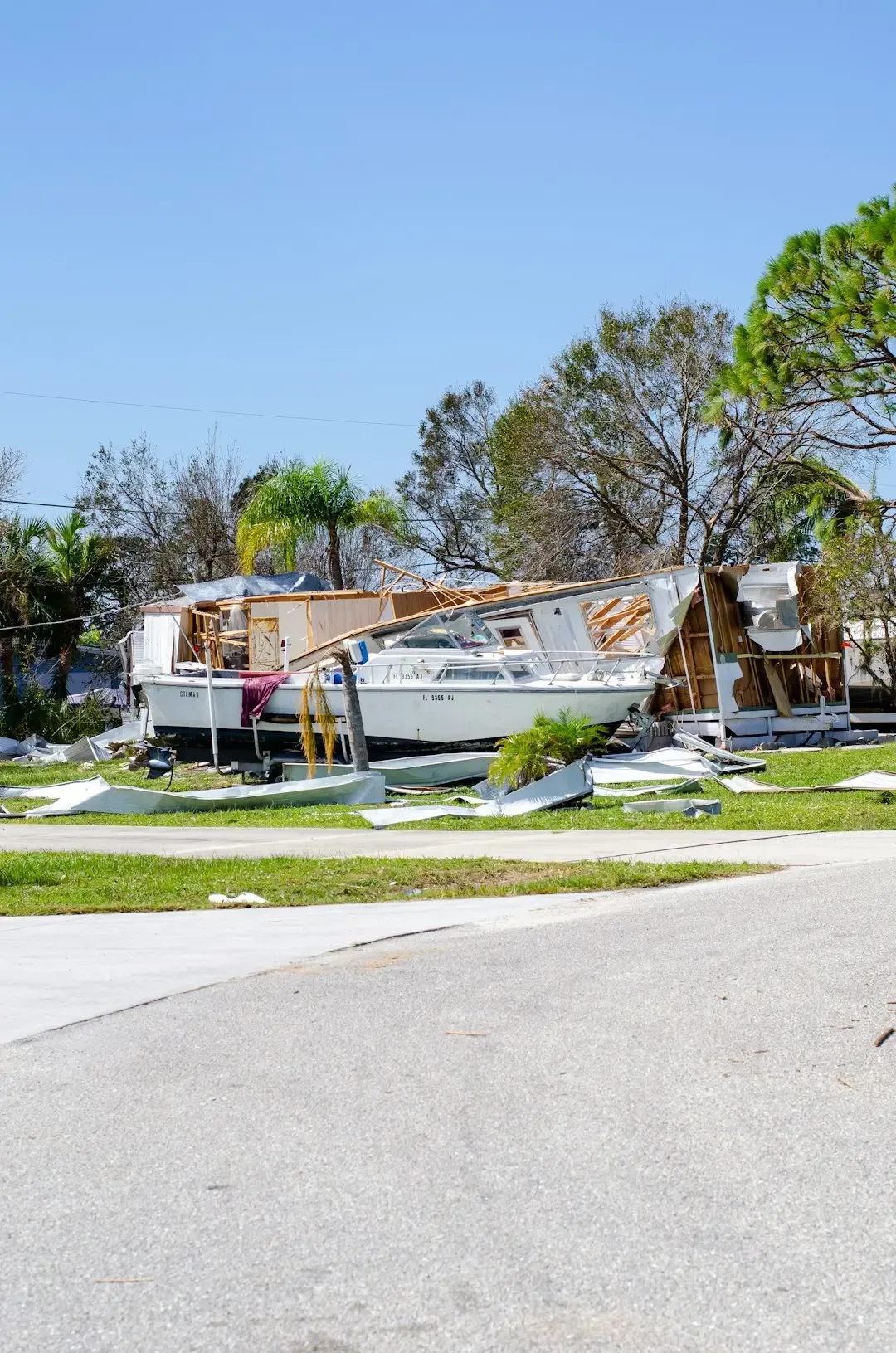
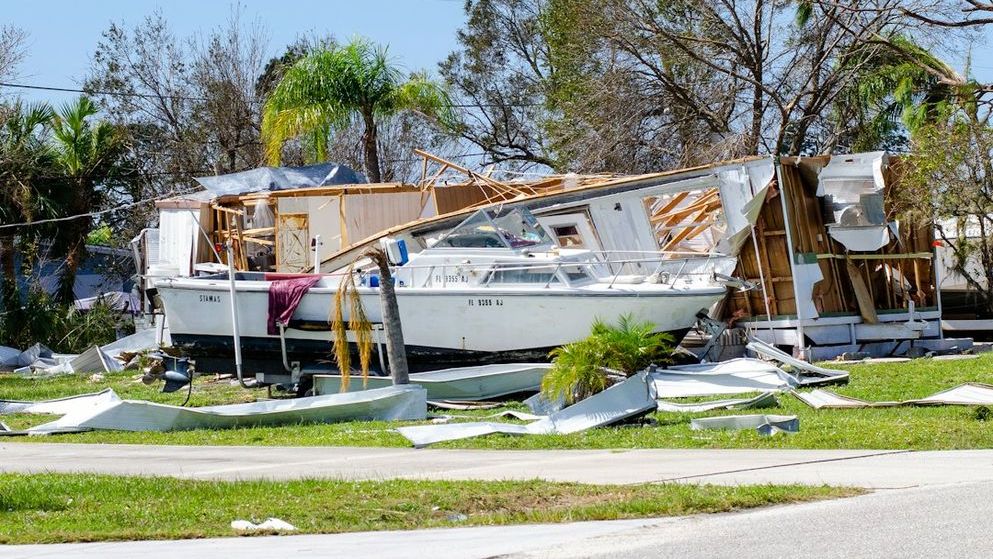
Farmers Insurance pulled the plug on new home policies here back in 2023, overwhelmed by relentless hurricane threats and ballooning repair costs. Average premiums have soared past $8,000 a year in 2025, according to data from Great Florida Insurance, making it the priciest state by far. Homeowners scramble as non-renewals spike, leaving many reliant on the state-backed Citizens program, which is shrinking fast after reforms.
Reinsurance expenses jumped over 30 percent globally from 2023 to 2024, reports from Gallagher Re highlight, squeezing carriers even more in this storm hotspot. I know it feels unfair, but let’s face it, back-to-back disasters like those in recent years have made Florida a tough sell for insurers. The First Street Foundation warns millions of homes nationwide now teeter on the edge of uninsurability.
California: Wildfires Wipe Out New Policies
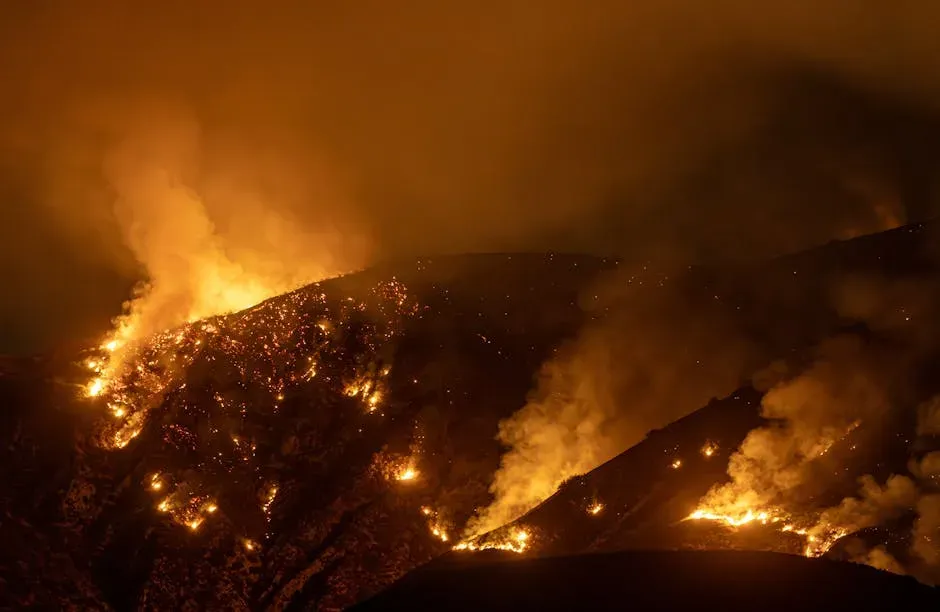
State Farm halted new homeowner applications in May 2023, citing skyrocketing construction costs and wildfire exposure, while Allstate paused sales even earlier in 2022. Non-renewals hit hard too, with State Farm dropping nearly 72,000 policies in 2024 as reported by local news outlets. Wildfire damages rack up tens of billions in bad years, per National Interagency Fire Center stats, turning golden hills into no-go zones for coverage.
Bankrate notes the state’s market buckling under these pressures into 2025, with fewer options for buyers. Honestly, it’s wild how quickly this shifted; one minute you’re insured, the next you’re hunting scraps. Regulators scramble, but carriers prioritize survival over expansion here.
Louisiana: Insolvencies After Storm Surges
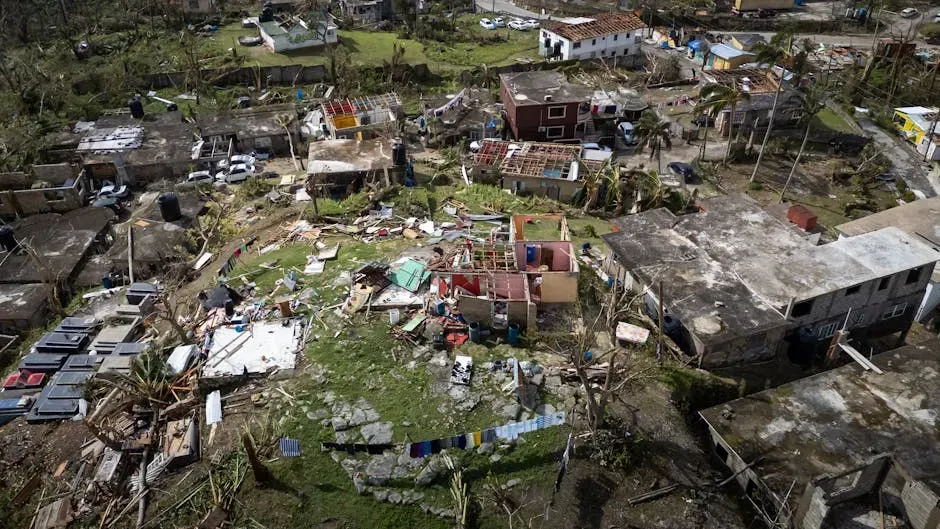
Post-Hurricane Ida, over a dozen insurers went bust, with 11 declared insolvent by 2025 according to Louisiana Illuminator reports, destabilizing the whole market. Premiums rank second-highest nationally, fueled by endless hurricane risks and litigation woes. The state licensed 15 new carriers since 2024, yet the crisis lingers, pushing folks toward last-resort options.
National Association of Insurance Commissioners has flagged this as a prime example of climate disasters eroding availability. Here’s the thing: repeated billion-dollar hits, like the 28 events in 2023 alone from FEMA data, make it impossible for smaller players to hang on. Homeowners feel trapped, watching costs climb without relief in sight.
Colorado: Wildfires and Hail Force Cancellations
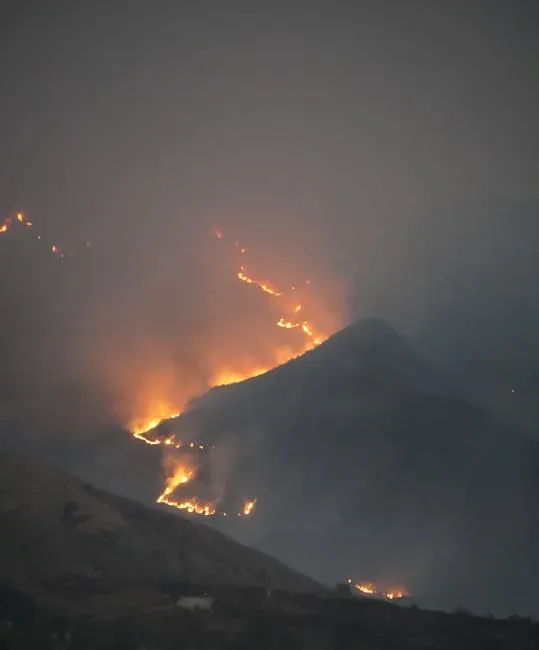
Non-renewals surged in wildfire-prone areas since 2023, with premiums landing Colorado among the top five priciest states per Bankrate and RMPBS analyses. A 2025 law aims to mandate coverage in high-risk spots, but carriers balk at hail storms and blazes driving claims sky-high. Rural eastern regions see the worst pullbacks, leaving owners scrambling.
Colorado Sun reports utilities even pitching funds to ease reinsurance burdens, underscoring the mess. It’s hard to believe how fast hail and fire risks flipped the script on what used to be straightforward insurance. Studies show over half of homes here underinsured, per recent wildfire impact research.
The Perfect Storm: Reinsurance and Climate Pressures
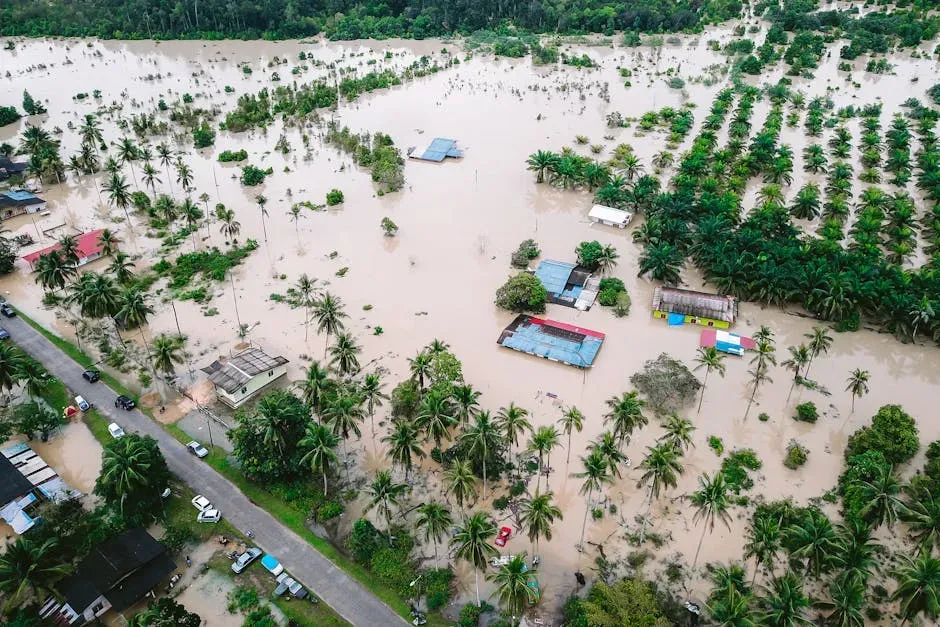
Reinsurance rates climbed well over 10 percent into 2025 renewals, Fitch Ratings forecasts, as U.S. catastrophe losses topped $100 billion last year alone via Gallagher Re. The NAIC’s catastrophe risk dashboard tracks how these hikes ripple through, hitting high-risk zones hardest. First Street Foundation research paints a grim picture: millions more homes at risk, birthing these deserts.
FEMA logs show billion-dollar disasters exploding, intensifying everything from Florida floods to Colorado fires. Grist maps out states turning uninsurable, with no quick fix. This isn’t just local; it’s a national wake-up call reshaping where we live and build.