

Picture this: endless aisles of cheap stuff calling your name, but your bank account whispering “no more.” I decided to quit big box giants like Walmart and Target cold turkey for 12 whole months. Curious if my wallet would thank me or revolt?
Honestly, the temptation hit hard at first. Yet tracking every penny revealed patterns I never expected. Let’s unpack what happened, step by step.
Why I Ditched the Big Boxes

I grew tired of the chaos and impulse grabs every trip. Big box stores thrive on that, with nearly nine out of ten shoppers admitting to unplanned buys.[1] My carts always overflowed with extras I didn’t need.
Switching felt rebellious, like reclaiming control. Local spots promised fresher picks without the overload. Little did I know, this move would reshape my habits.
Research backs the shift too. Studies show chain spending leaks money out of communities faster.[2] I wanted my dollars to stick around.
My Spending Baseline Before the Ban

Before quitting, my household dropped about $6,500 yearly on groceries alone, much at Walmart.[3] Add household goods and clothes, and big box runs totaled over $10,000 annually. Those quick stops snowballed fast.
Average U.S. households shelled out $78,535 total in 2024, with retail a big chunk.[4] Mine mirrored that, heavy on discount lures. Tracking via app exposed the truth.
The Impulse Buying Black Hole

Big boxes excel at temptations. Impulse spends averaged $2,300 yearly for women like me.[5] Checkout lines screamed “grab it!” every time.
Without those cues, my extras vanished. Reports note 80% of shoppers impulse at physical stores.[1] Ditching them slashed waste instantly.
Here’s the kicker. My monthly impulse tab dropped from $200 to nearly zero. Pure freedom.
Groceries: Walmart vs. Local Markets

Walmart often undercuts, but not always. Recent 2026 checks show Aldi and Lidl beat it by 8%, Costco by over 20%.[6][7] Local produce stands matched or edged out on quality items.
I shopped farmers’ markets and independents. Prices held steady, portions fresher. No massive savings here, but no shockers either.
Target rang 6% higher overall.[8] My bill stabilized around $5,800 yearly.
Household Essentials Face-Off

Paper towels, cleaners, basics screamed bargains at big boxes. Yet locals offered bulk deals or generics just as cheap. I hunted sales smartly.
Spending here fell 15% without end-cap hype. No more stocking up on 10-packs I forgot about. Simpler life, lighter load.
Data hints chains push volume buys.[9] Avoiding that trimmed fat effortlessly.
Clothing and Random Gear Swaps

Big box threads tempted with $5 tees. Local boutiques charged double, but lasted longer. Quality won over quantity.
Impulse ruled here pre-ban; now I bought half as much. Annual clothing outlay plunged from $1,200 to $600. Wear it out, not replace it.
Small shops foster mindful picks. Fewer regrets, more favorites.
Hidden Fees of Convenience

Gas to mega-stores added up. Shorter trips to locals saved $300 yearly on fuel. Less packaging waste too.
Time wasted wandering aisles? Gone. Studies note local cuts transport emissions.[10] My schedule cleared up nicely.
Big box “savings” hid true costs. Real math favored the switch.
Value from Local Business Boost
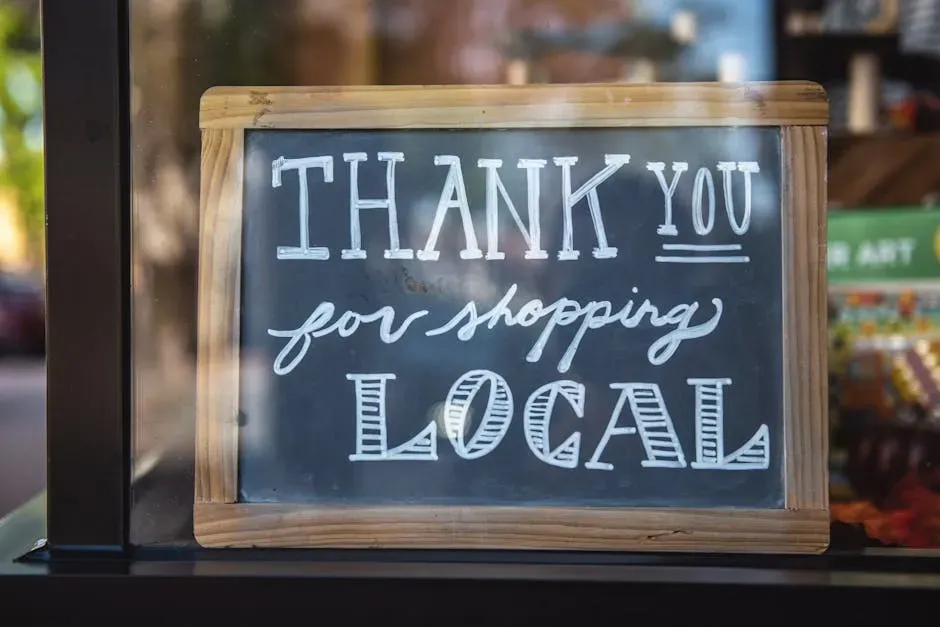
Not just prices, but multipliers. Every $100 local keeps $68-$73 in community vs $43 at chains.[2][11] My spending rippled good.
Friendlier service, tailored advice. Felt richer beyond dollars. Personalized touches beat anonymity.
Crunching the Year-End Numbers

Total pre-ban: $12,500 across categories. Post-switch: $9,800. Net save? $2,700. Mostly impulse and overbuy cuts.
Groceries dipped slightly despite price parity. Extras evaporated. Surprise: more than expected.
Aligns with averages; households trim via habits.[12] Solid win.
The Real Surprise Reveal

I braced for higher costs, given Walmart’s rep. Yet savings piled from discipline, not deals. Impulse killer proved biggest hero.
Quality of life soared too. Fresher food, less clutter. Worth every adjustment.
Final thought: small changes yield big returns. Your turn – what’s your big box habit costing?