Most people believe that a high price tag or a viral Instagram location guarantees a world-class vacation, but the reality is often a crowded, overpriced disappointment. While “bucket list” destinations like Santorini or Amalfi dominate your feed, seasoned travelers are quietly pivoting toward “dupe” destinations that offer the same soul-stirring views without the soul-crushing crowds. The industry-wide secret is that the world’s most famous landmarks have become victims of their own success, leading to a massive shift in how the elite 1% actually spends their PTO. It turns out that the most authentic experiences are currently hiding in the shadows of the world’s biggest tourist traps. Here’s what the travel insiders actually say.
#10 — The Amalfi Coast vs. The Albanian Riviera
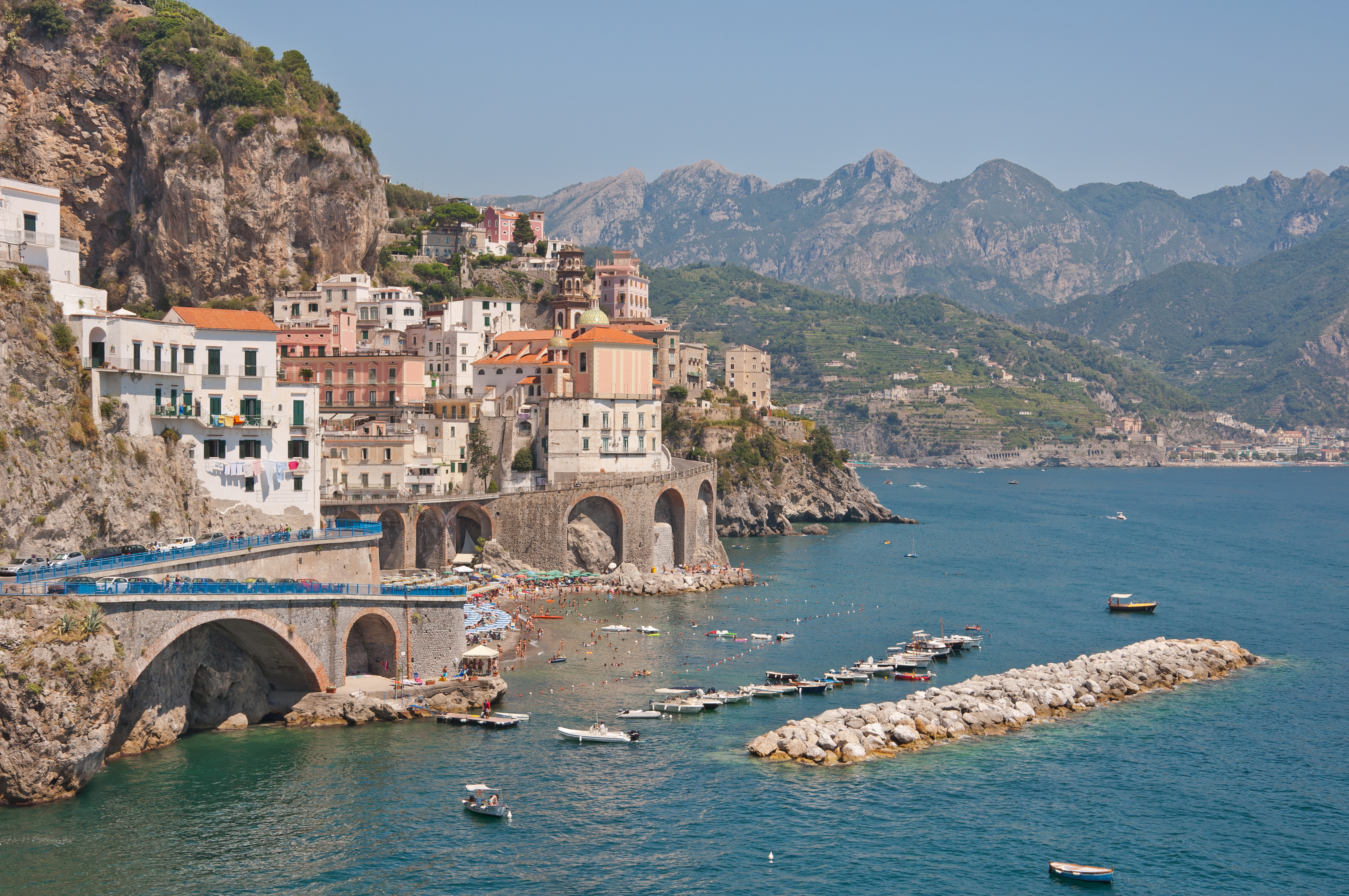
If you think the Italian coast is still the pinnacle of Mediterranean luxury, you’re about three decades too late.
The Amalfi Coast has become a logistical nightmare of traffic jams and $20 espressos that feel more like a theme park than a getaway. Recent data suggests that overcrowding in Positano has reached such a breaking point that local authorities have implemented “alternate-day” license plate rules just to manage the gridlock. Travelers are tired of paying a 400% premium for a view they have to share with five thousand other people.
Meanwhile, just across the Ionian Sea, the Albanian Riviera offers the exact same turquoise waters and rugged cliffs for a fraction of the cost. Places like Ksamil and Himare feature pristine beaches and hidden coves that remain largely untouched by massive cruise ship crowds. You can still find family-run tavernas where a full seafood feast costs less than a single cocktail in Sorrento.
- It’s not just about the money; it’s about the uninterrupted access to the coastline.
- The Balkan hospitality culture provides a level of genuine warmth that has largely vanished from over-commercialized Italian hubs.
But while Europe’s coast is changing, the shift happening in the Pacific’s most famous tropical paradise is even more dramatic, as you’ll see in #9…
#9 — Bali vs. Lombok
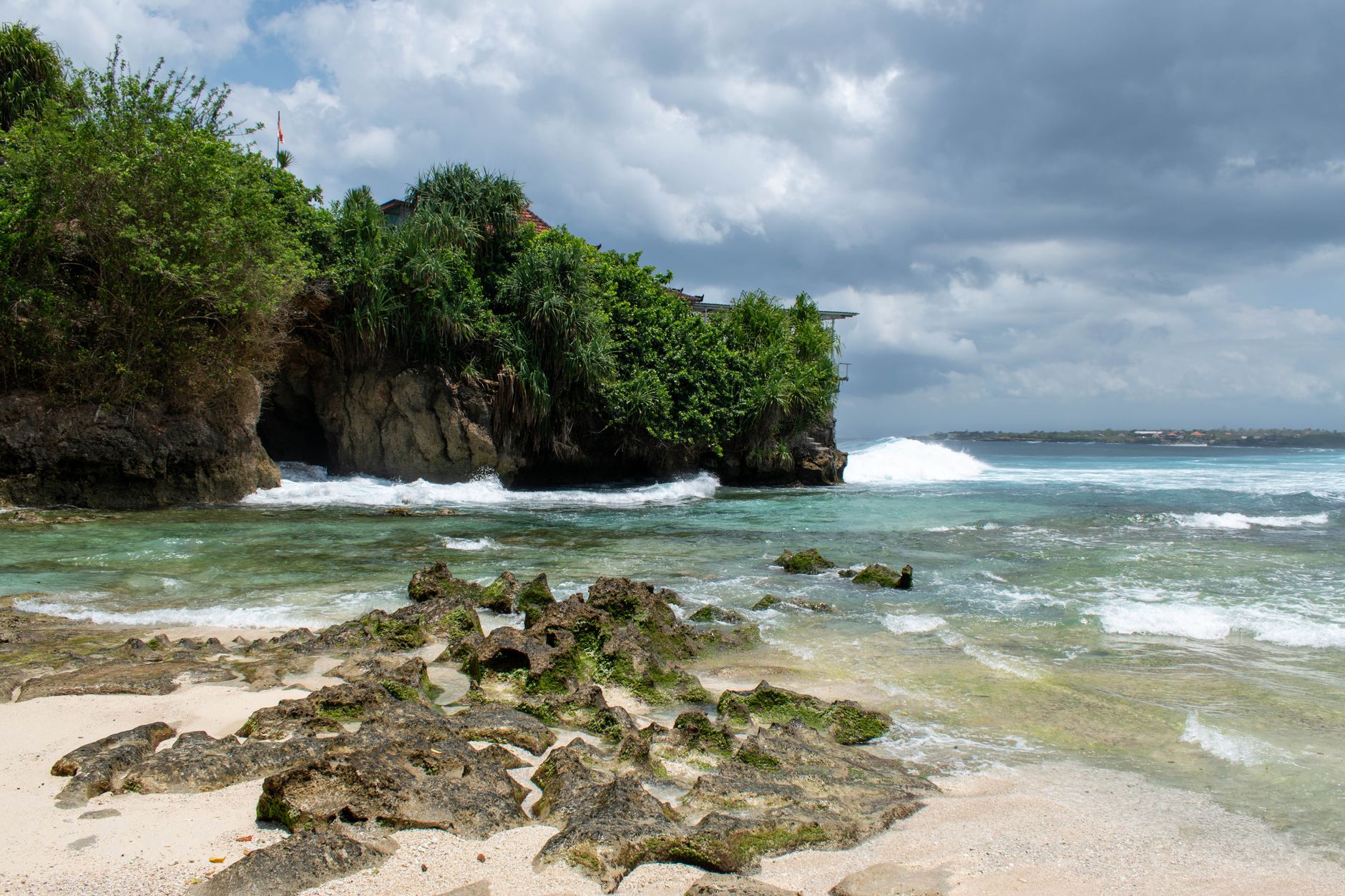
Everyone goes to Bali to “find themselves,” but all they usually find is a sea of digital nomads and a two-hour wait for a photo at the Gates of Heaven.
Bali’s infrastructure is buckling under the weight of its own popularity, with “Overtourism” becoming the island’s most exported product. Environmental reports show that Bali generates over 3,500 tons of waste daily, much of which ends up on the very beaches tourists pay thousands to visit. The authentic, spiritual “Eat Pray Love” vibe has been replaced by expensive beach clubs and trendy cafes that look exactly like the ones in Los Angeles or London.
Just a 20-minute flight or a fast boat ride away lies Lombok, an island that experts describe as “Bali 30 years ago.” Lombok’s Kuta beach offers world-class surfing waves and white sands without the relentless hawkers and traffic noise characteristic of its neighbor. Here, the Mount Rinjani treks offer a raw, challenging experience for nature lovers who want to escape the curated “influencer” trails.
- Lombok remains a stronghold of Sasak culture, offering a much more authentic look at Indonesian life.
- The scarcity of high-rise developments means you can still see the stars at night without light pollution.
If you think swapping islands is a bold move, wait until you see why travelers are ditching the world’s most famous “Blue City” for a hidden gem in #8…
#8 — Santorini vs. Milos

The sunset in Oia is legendary, but sharing it with 10,000 strangers while standing shoulder-to-shoulder is hardly romantic.
Santorini has become the poster child for “Instagram vs. Reality” disappointments, with tourists often waiting in literal lines to take a photo on a church roof. Economists have noted that the price of a single night in a caldera-view suite has increased by nearly 60% in the last five years, despite the diminishing quality of the experience. The island’s narrow walkways are now so packed that local residents have begun begging tourists to stay away during peak cruise ship hours.
For those who crave those volcanic vistas and whitewashed villages, Milos is the “secret” alternative that insiders are flocking to. Milos possesses more than 70 diverse beaches, including the lunar-like landscape of Sarakiniko, which is considered one of the most unique geographical sites in the world. It offers the same Cycladic architecture and world-class wine but with a much slower, more intentional pace of life.
- Milos is where the Venus de Milo was discovered, yet it remains significantly less commercialized.
- You can rent a boat and explore private sea caves for the cost of a mediocre dinner in Santorini.
The Mediterranean isn’t the only place where icons are being dethroned; even the “City of Lights” is facing a serious challenger in #7…
#7 — Paris vs. Lyon
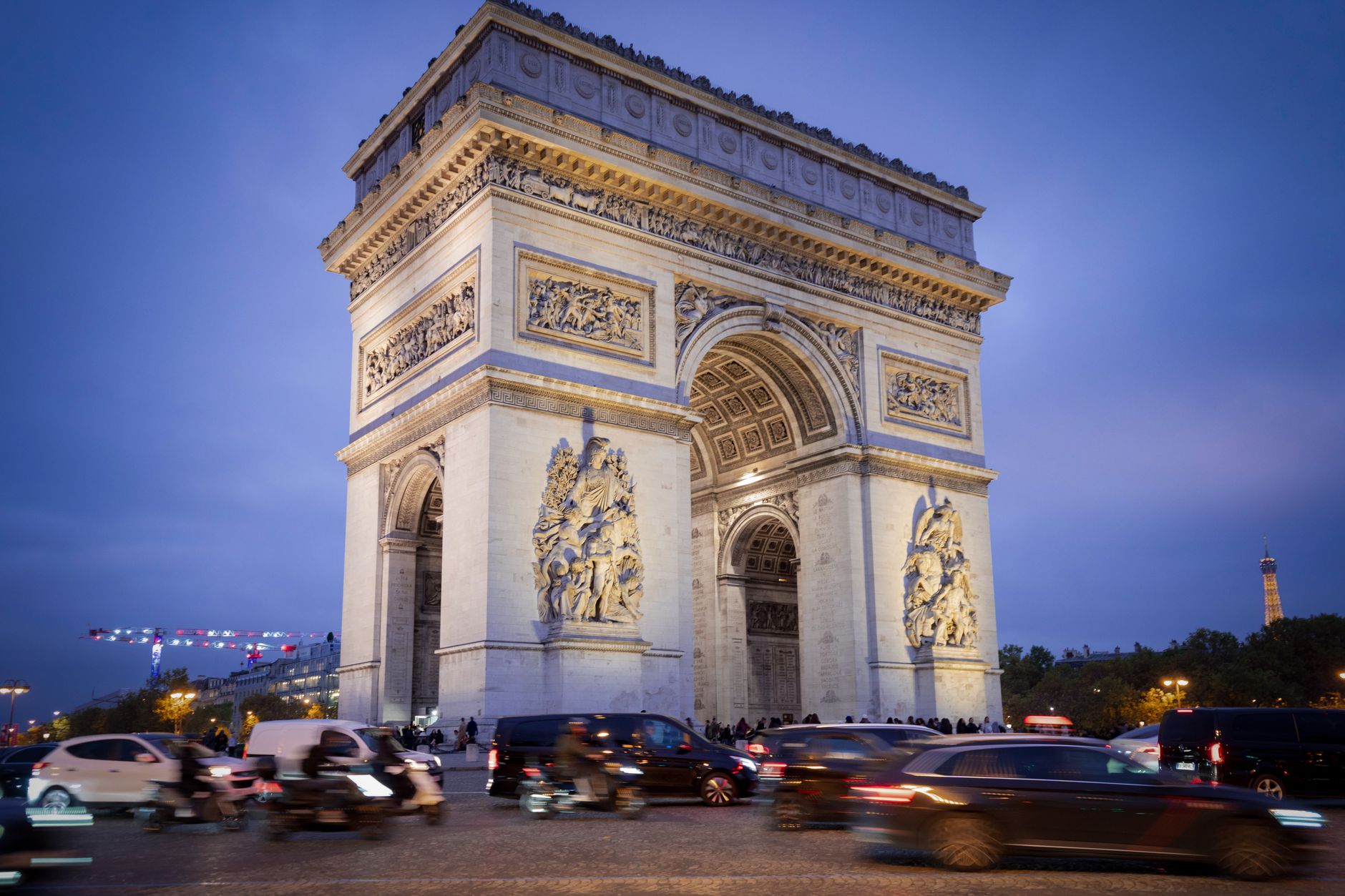
Paris will always be Paris, but for many travelers, the dream of a “Chic Parisian Holiday” is being ruined by skyrocketing crime rates and exorbitant “tourist taxes.”
The French capital is currently grappling with “Paris Syndrome”—a documented psychological state where visitors are so disappointed by the crowds, dirt, and high prices that they experience genuine distress. In 2023, Paris was ranked as one of the most expensive cities for dining, with the average “tourist trap” meal costing 45% more than in other major European hubs. The queues for the Louvre and Eiffel Tower now require booking months in advance, stripping the city of its spontaneous charm.
Smart travelers are heading south to Lyon, the actual gastronomic capital of France. Lyon boasts more Michelin-starred restaurants per capita than almost any city in Europe and features the stunning “Traboules” (hidden passageways) that rival any Parisian street for history. It offers a more manageable, sophisticated experience where you can actually get a table at a world-class bistro without a connection.
- Lyon’s Old Town (Vieux Lyon) is one of the largest Renaissance districts in Europe and a UNESCO World Heritage site.
- The city provides an authentic French lifestyle experience that feels lived-in rather than performed for tourists.
While everyone is fighting for a spot in France, a similar “dupe” revolution is happening in the world of Nordic luxury at #6…
#6 — Iceland vs. The Faroe Islands

Iceland experienced a tourism boom so massive that the government had to implement strict “no-off-roading” laws to protect the fragile moss from millions of footsteps.
While the Ring Road is undeniably beautiful, it has become a highway of rental vans and “No Camping” signs. The cost of basic necessities in Iceland is now the highest in Europe, with a simple burger and fries often totaling over $35 USD. Famous spots like the Blue Lagoon are now so heavily booked that they function more like expensive spas than natural wonders, often feeling sterile and overly commercial.
The Faroe Islands, an autonomous territory of Denmark, offer that same raw, dramatic North Atlantic beauty without the infrastructure fatigue. With a population of only 50,000 people and more sheep than humans, the Faroe Islands offer a level of solitude that is impossible to find in Iceland today. The dramatic cliffs of Kalsoy and the turf-roofed houses of Gásadalur look like something out of a fantasy novel, completely devoid of tour buses.
- The Faroes offer some of the most dramatic coastal hiking on the planet, often without another person in sight.
- It is one of the few places left where you can experience true subarctic isolation in luxury.
If you thought the North Atlantic was rugged, wait until we look at the shifting tides of the “American West” in #5…
#5 — Yellowstone vs. Glacier National Park

Yellowstone is an American icon, but visiting it in July feels more like sitting in a suburban mall parking lot than exploring the wilderness.
The “bison traffic jams” have become so severe that travelers spend more time staring at the bumper of a minivan than at the wildlife. Park rangers reported a record-breaking 4.5 million visitors in a single season, leading to significant trail erosion and a “Disney-fied” feeling at major geyser sites. The cost of lodging within the park has surged, and many visitors find themselves staying hours away just to find an affordable bed.
Serious hikers and nature enthusiasts are shifting their sights toward Glacier National Park in Montana. Known as the “Crown of the Continent,” Glacier offers over 700 miles of trails and some of the most spectacular alpine scenery in the lower 48 states. While it is gaining popularity, its rugged terrain and remote location keep the “casual tourist” numbers much lower than Yellowstone’s, preserving the feeling of true wilderness.
- The Going-to-the-Sun Road is widely considered the most beautiful drive in America.
- Glacier provides a much higher chance of seeing grizzly bears and mountain goats in an undisturbed habitat.
But the most surprising “swap” isn’t in a national park; it’s the legendary Swiss Alps being challenged by a surprising underdog at #4…
#4 — The Swiss Alps vs. The Julian Alps (Slovenia)

Switzerland is the gold standard for mountain luxury, but it also has the gold standard for “budget-busting” prices.
A single day pass at a premier Swiss ski resort can cost upwards of $100, and a mediocre mountain lunch can easily run another $60. According to recent traveler surveys, the “sticker shock” of Switzerland is the #1 reason tourists regret their trip, with many saying the beauty didn’t justify the $500-a-day baseline spend. Switzerland is increasingly becoming a playground exclusively for the ultra-wealthy, leaving the average traveler feeling excluded.
Slovenia’s Julian Alps offer the exact same jagged peaks, emerald lakes, and alpine charm for about 40% of the price. Lake Bled and the surrounding Triglav National Park feature fairytale scenery that rivals anything in Interlaken or Zermatt. The region is a paradise for outdoor sports, from canyoning to world-class hiking, but remains remarkably humble and affordable.
- Slovenia is consistently ranked as one of the top 10 safest countries in the world.
- The local food culture is a high-quality blend of Italian, Austrian, and Balkan influences.
As the Alps become more accessible in the east, a massive shift is happening in the desert as well, as we see in #3…
#3 — Dubai vs. Doha (Qatar)

Dubai has spent billions trying to be the “Manhattan of the Desert,” but many travelers now find its perpetual construction and flashy consumerism a bit hollow.
Dubai is a city of superlatives, but it can often feel like a giant shopping mall surrounded by sand. Travel critics have noted that the city lacks “soul,” with 90% of the population being expats and the culture often hidden behind glass skyscrapers. For the average tourist, the heat and high prices for “artificial” experiences can lead to a sense of burnout after just a few days.
Doha, the capital of Qatar, is emerging as the more “culturally rich” alternative to its flashy neighbor. With the world-class Museum of Islamic Art and the authentic Souq Waqif, Doha offers a much deeper connection to Arabian heritage. While it still offers extreme luxury and futuristic architecture, the pace is more deliberate and the cultural integration is significantly more apparent.
- Doha has made massive investments in public art and education, creating a more “intellectual” desert experience.
- The city is often cited as being significantly cleaner and easier to navigate than the sprawling districts of Dubai.
Wait until you see how the world’s most famous “hidden” ancient city is being replaced by something even older in #2…
#2 — Machu Picchu vs. Choquequirao
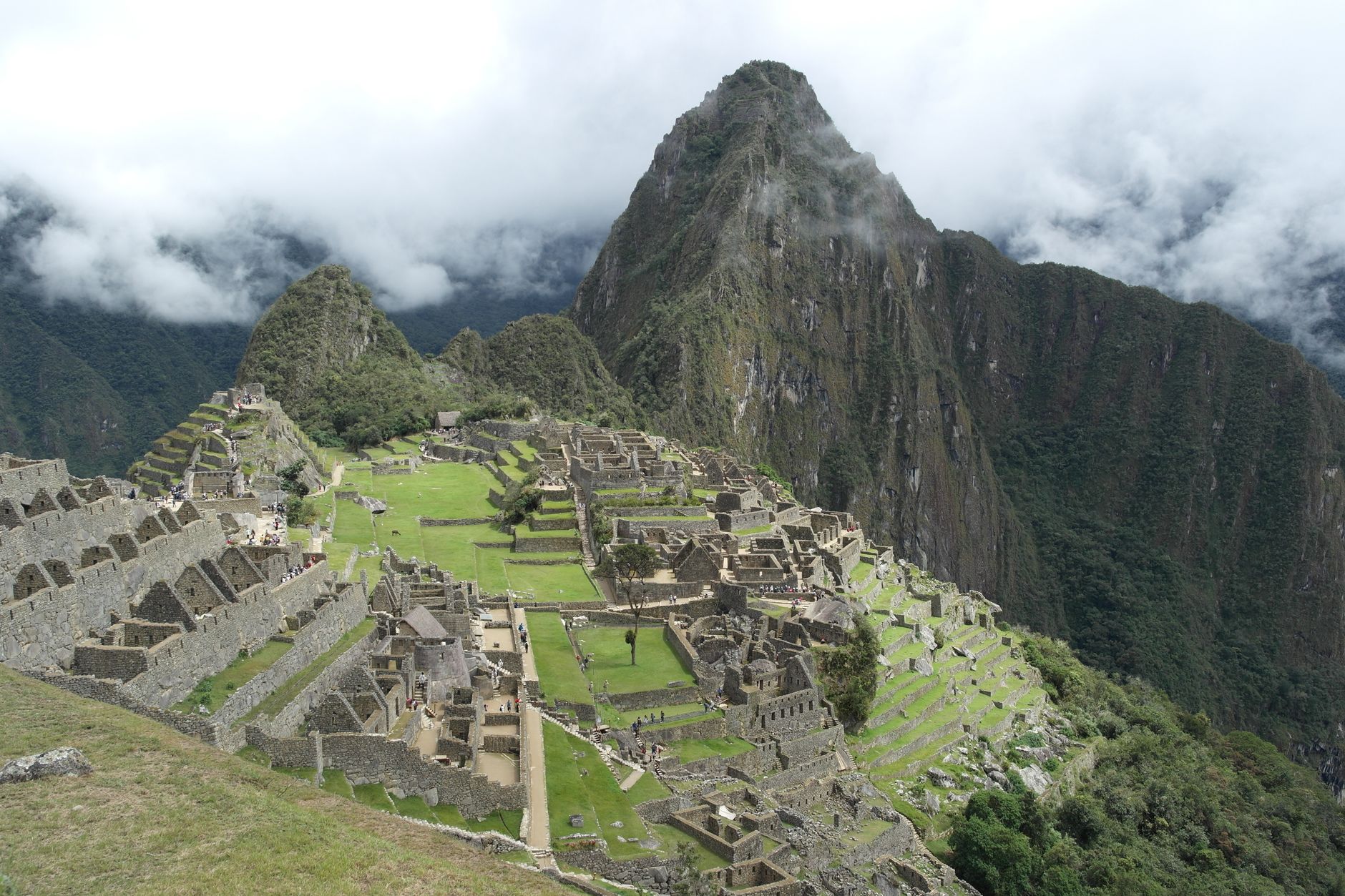
Machu Picchu is a bucket-list item for millions, but the government has been forced to limit visitors and strictly control walking paths to prevent the ruins from collapsing.
Visiting the site today often means being herded like cattle through a pre-defined “circuit” where you aren’t allowed to stop for more than a few minutes. Entrance tickets sell out months in advance, and the sheer volume of tourists has led to the “stone-sinking” phenomenon, where the ancient foundations are actually shifting under the weight of human traffic. It’s expensive, crowded, and increasingly difficult to experience the “spirit” of the Incas.
Choquequirao is often called the “Sister City” of Machu Picchu, but while 1.5 million people visit Machu Picchu annually, only about 10,000 make it to Choquequirao. Because it is currently only accessible by a strenuous multi-day trek, those who reach the ruins often have the entire ancient city to themselves. It is larger than Machu Picchu and remains 70% unexcavated, offering a true “Indiana Jones” experience.
- Expert archaeologists believe Choquequirao was actually more significant to the Incan royalty than Machu Picchu.
- Standing alone at the summit of an ancient city is a feeling money can’t buy at more famous sites.
But the #1 “overrated” gem being swapped right now is a location so famous that most people can’t imagine skipping it—until they see the alternative…
#1 — Venice vs. Annecy

Venice is sinking, both literally into the lagoon and figuratively under the weight of 20 million tourists per year.
The “Venice Tax” for day-trippers is the city’s latest attempt to curb the massive crowds that make walking through St. Mark’s Square nearly impossible. The smell of the canals in summer and the constant “over-tourism” protests from locals can make for an incredibly tense vacation atmosphere. While the architecture is historic, the city has lost much of its residential life, with shops now catering almost exclusively to selling plastic masks and cheap glass souvenirs.
Annecy, located in the French Alps, is known as the “Venice of the Alps” and offers a far superior canal experience. With crystal-clear water flowing from Lake Annecy (the cleanest lake in Europe) through a medieval old town, it provides all the romance of Venice without the decay. The surrounding mountains offer stunning backdrops that Venice simply can’t match, and the local Savoyard cuisine is some of the best in Europe.
- Annecy remains a living city where locals actually stay and work, creating a vibrant, authentic atmosphere.
- You can swim in the “canals” (the lake) in the morning and hike a mountain in the afternoon.
- It offers a level of pristine, Alpine-fresh beauty that makes the crowded streets of Venice feel claustrophobic by comparison.
The Bottom Line
The “Instagram Effect” has turned many of the world’s most beautiful places into crowded, expensive, and stressful caricatures of their former selves. The real secret to modern travel isn’t about checking the most famous boxes; it’s about finding the “dupes” that offer the same geographic beauty with a higher level of authenticity and a much lower price tag. By swapping places like Venice for Annecy or Bali for Lombok, you aren’t “settling”—you’re actually getting the experience the “overrated” gems promised you thirty years ago. The world is much larger than your social media feed would have you believe. Did we miss a hidden gem that’s better than the original? Drop it in the comments below!