A Low Point and Bold Pivot (Image Credits: Unsplash)
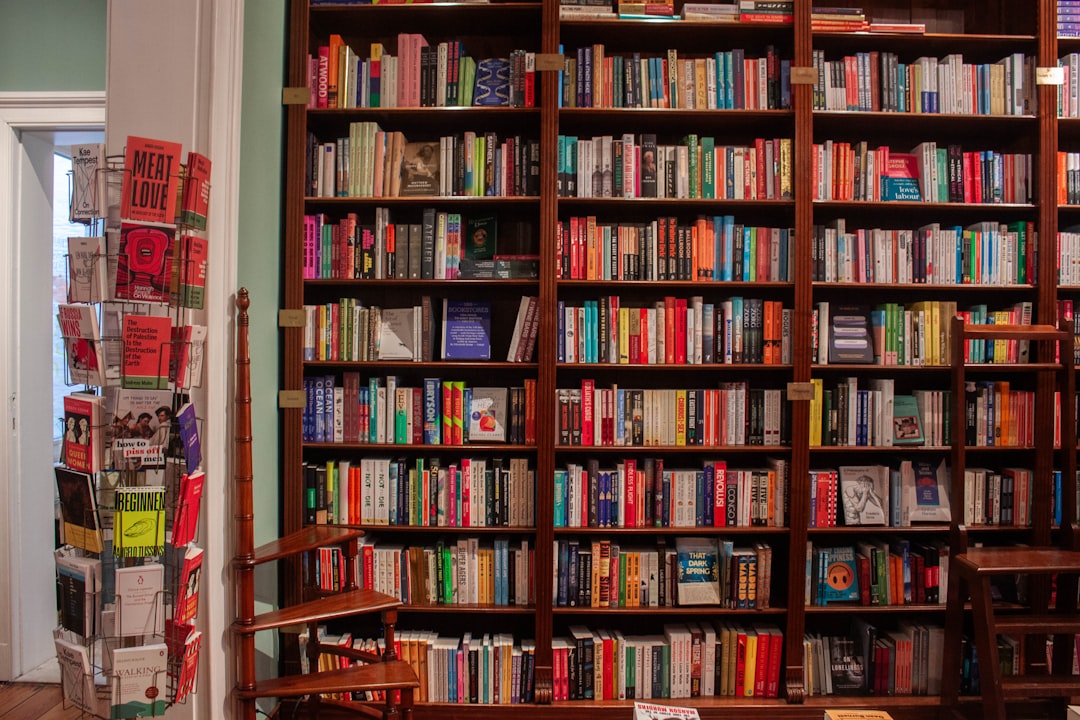
Amazon’s dominance in the late 1990s and early 2000s cast a long shadow over independent bookstores nationwide. These local retailers faced fierce competition from vast online inventories and rock-bottom prices, leading many to shutter by 2009.[1] Numbers hit rock bottom that year, with independents numbering around 1,651 locations. Remarkably, the sector refused to fade, embarking on a path of adaptation that has fueled steady expansion into the mid-2020s.
A Low Point and Bold Pivot
The year 2009 marked the deepest trough for independent booksellers. Membership in the American Booksellers Association had dwindled amid the e-commerce onslaught, leaving roughly 1,400 to 1,651 stores operational nationwide.[2][1] Pundits predicted total extinction as digital platforms reshaped reading habits. Instead, survivors shifted strategies, emphasizing what online giants could not replicate: personal connections and curated experiences.
This pivot proved prescient. By leaning into community and physical spaces, independents began a gradual climb. Harvard Business School professor Ryan Raffaelli described the era from 2010 onward as a tale of resilience, where stores harnessed local passion to counter technological disruption.[1] Growth accelerated post-pandemic, transforming dire forecasts into a thriving reality.
Explosive Growth in the 2020s
Independent bookstores experienced unprecedented expansion after 2020. The sector grew 70% from 1,916 stores that year to 3,218 by late 2025, with figures reaching 3,281 in some reports.[1][3] In 2024 alone, the American Booksellers Association welcomed 323 new businesses, including brick-and-mortar, pop-ups, and mobile operations – an 18% membership jump.[4]
The momentum continued into 2025, with 422 openings nationwide, a 24% rise from the prior year.[5][1] Print book sales supported this surge, totaling 707 million units in 2025 – well above 2019 levels and near pandemic highs.[6] Even larger chains like Barnes & Noble joined the fray, planning over 60 new locations that year after dozens in 2024.[5]
| Year | Approx. Indie Stores | Key Change |
|---|---|---|
| 2009 | 1,651 | Historic low |
| 2020 | 1,916 | Pre-surge baseline |
| 2025 | 3,218+ | 70% growth since 2020 |
Community and Curation Drive Success
Stores thrived by prioritizing irreplaceable in-person elements. Hosts of author readings, workshops, and social gatherings turned bookstores into vibrant hubs, fostering loyalty beyond mere transactions.[1][3] ABA CEO Allison Hill noted a “flywheel effect” from rising sales, community backing, and new openings.[5]
Personal curation set independents apart from algorithms. Staff, deeply embedded in literary circles, recommended hidden gems and emerging genres, drawing readers seeking discovery.[1] Social media amplified this, with platforms like BookTok and Bookstagram romanticizing visits and spiking interest among younger crowds.[5][7]
- Events like book clubs, festivals, and performances build lasting ties.
- Niche focuses, such as romance or local authors, attract dedicated fans.
- Post-pandemic demand for “third spaces” boosted foot traffic.
- Online trends funneled viral book hype into physical sales.
- Lower retail rents eased entry for entrepreneurs.
Diversification Fuels Sustainability
Many outlets evolved into multifaceted destinations. Additions like cafés, bars, and merchandise diversified revenue, with some generating half from non-book sources.[3][7] Partnerships with nearby businesses enhanced appeal, offering escapes with lattes or wine alongside literature.
This model retained about 29% of revenue locally – far outpacing Amazon’s impact.[3] Flexible formats, from pop-ups to home-based shops, lowered barriers, while grassroots support sustained momentum. Closures dropped sharply, with four new stores opening per shutdown.[3]
Key Takeaways
- Indie stores grew 70% since 2020, hitting over 3,200 amid 422 openings in 2025 alone.
- Community events and curation trump online algorithms for reader loyalty.
- Diversification into cafés and merch ensures financial resilience.
Independent bookstores have rewritten their narrative, proving physical spaces endure in a digital world. Their surge underscores a craving for connection and serendipity in reading. What role do local shops play in your bookish life? Tell us in the comments.