

Picture this: you’re cruising down a major interstate, windows down, tunes blasting, when suddenly traffic snarls into a nightmare of crashes and close calls. Even as U.S. traffic fatalities dropped sharply in 2025 to the second-lowest rate ever, certain highways still claim lives at alarming rates.[1] These roads pack heavy traffic, tricky curves, and reckless drivers. Ready to uncover the top three offenders and smarter paths around them?
Let’s dive in. You’ll be shocked by how avoidable some of this danger really is.
Interstate 95: America’s Deadliest Artery
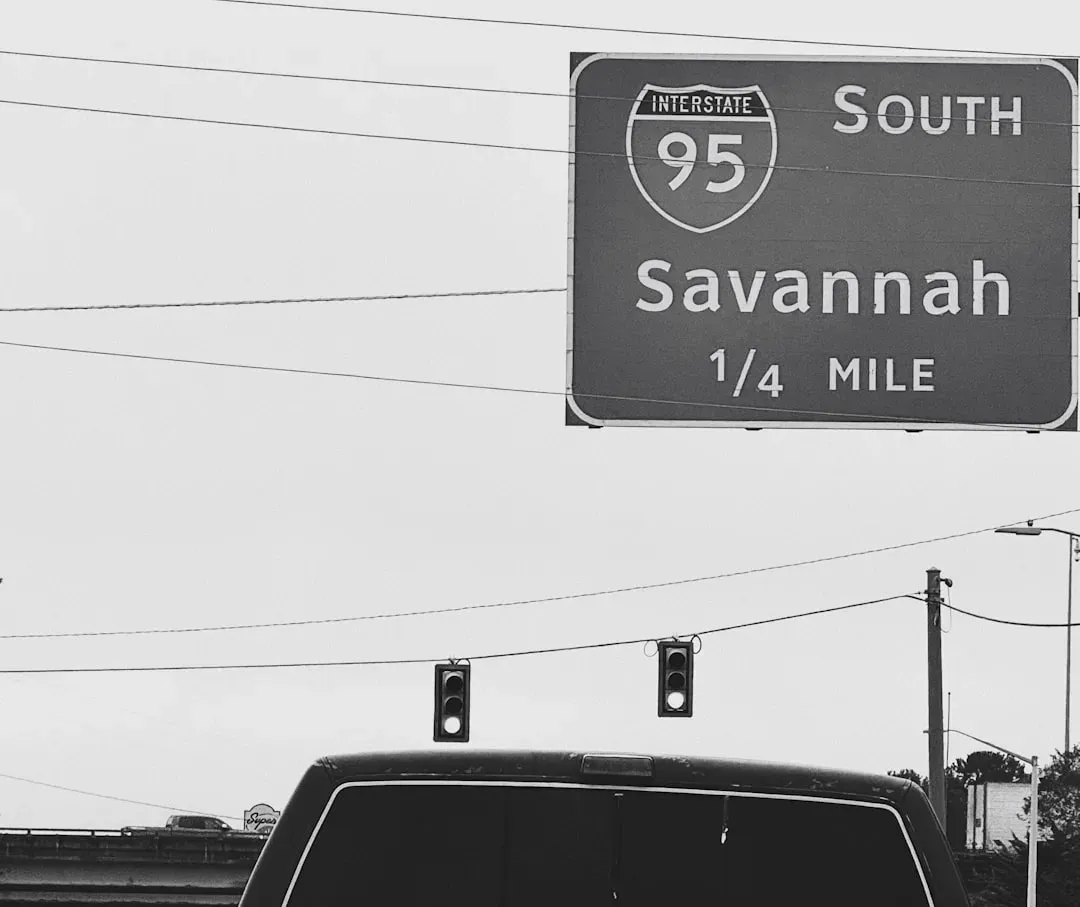
I-95 stretches over 1,900 miles from Maine to Florida, but its reputation for danger precedes it. NHTSA data labels it the most hazardous interstate with the highest number of fatal crashes.[2] Florida’s stretch alone saw nearly 1,729 deaths between 2019 and 2023, about a quarter of all I-95 fatalities.[3]
Heavy truck traffic, urban congestion, and drowsy drivers from long hauls fuel the chaos. Honestly, it feels like a gauntlet sometimes. No wonder drivers dread its East Coast grind.
The Shocking Stats Behind I-95’s Toll

Back in 2019, I-95 logged 284 fatalities, the highest nationwide, with 14.88 deaths per 100 miles.[4] Congestion spikes crashes, especially around Jacksonville and Richmond. Recent analyses confirm it remains a top killer into 2026.[2]
Florida segments stand out worst, blending tourists, semis, and sudden rain. It’s not just numbers; families get shattered daily. Here’s the thing: volume kills here.
Smart Detour: Switch to I-81 for I-95 Relief

Skip I-95’s madness by hopping on I-81 through Virginia, Pennsylvania, and up north. Road trippers swear by this westerly bypass to dodge DC snags and Florida frenzy.[5] It adds time but cuts stress with rolling hills and fewer trucks.
From Hagerstown, MD, veer west; rejoin south of Richmond if needed. Less congestion means fewer pileups. I know it sounds slower, yet safer roads save lives.
Number 2: I-4, Florida’s Nightmare Connector

Interstate 4 links Tampa to Daytona, a short 132 miles packed with peril. It boasts the highest death rate per mile at 1.134, per recent NHTSA breakdowns.[2] Tourists flock here for Disney and beaches, turning it into a crash magnet.
Sudden stops, weaving RVs, and construction plague every exit. Central Florida’s heat adds drowsy driving risks. Truly, it’s a deathtrap disguised as vacation central.
I-4’s Fatal Numbers Don’t Lie

Studies rank I-4 tops for fatalities per mile nationwide.[6] Heavy Orlando traffic sees constant rear-ends and sideswipes. Even as overall deaths fell in 2025, this corridor holds steady in danger.[7]
One analysis calls it the riskiest urban interstate. Speeding amid backups claims dozens yearly. Let’s be real: no family road trip deserves this roulette.
Escape I-4 Via US 301 Scenic Route

US Route 301 parallels I-4 through Florida’s quieter towns, offering a peaceful alternative.[8] It skips Orlando gridlock, winding past farms and small stops. Slower speeds mean fewer high-speed wrecks.
From Tampa, head east on SR 60 then north on 301 to reconnect near Jacksonville. Drivers report calmer vibes and better views. Worth the extra hour for sure.
Third Spot: I-10, Cross-Country Killer

I-10 spans 2,460 miles from California to Florida, but its sheer length breeds disaster. It topped fatal accidents from 2019-2023 with 1,952 deaths.[6] Desert heat, hurricanes, and big rigs make it unforgiving.
Arizona and Louisiana sections see brutal crashes from fatigue and weather. In 2023 alone, 321 fatal incidents.[9] Cross-state hauls turn deadly fast here.
Breaking Down I-10’s Grim Record

Texas and Florida legs rack up the most wrecks due to congestion and poor signage.[9] Long straightaways tempt speeding, leading to horrific flips. Despite national declines, I-10 persists as a top peril.[1]
Trucks dominate, doubling collision severity. Rural gaps lack shoulders too. It’s a marathon of menace.
Detour on US 90 to Bypass I-10 Hazards
US 90 runs alongside I-10 from Texas to Florida, a viable swap for calmer driving.[10] In Louisiana, pair with TX-73 for smoother passage. Avoids interstate bottlenecks nicely.
Expect historic towns and less frenzy. Adds minimal time but slashes crash odds. Smart choice for wary travelers.
Drive Smarter: Key Takeaways for Safer Miles

These three interstates account for outsized death tolls amid falling national numbers.[7] Opt for detours like I-81, US 301, or US 90 to breathe easier. Plan apps like Google Maps highlight real-time swaps.
Stay alert, rest often, and skip the beasts when possible. Your next trip could dodge disaster. What detour will you try first?