
Most people think of their attic as a graveyard for broken lamps, forgotten holiday boxes, and things they swore they’d use again. Honestly, it’s easy to dismiss those old stacks of stuff as worthless. But here’s the thing – what looks like junk to one person might look like a lottery ticket to a serious collector.
The collectibles market is not slowing down. The second-hand collectibles market was valued at $142.5 billion in 2024, and is projected to reach $248.9 billion by 2034. That is not a niche hobby trend anymore. That’s a global financial force. Let’s dig into exactly which forgotten attic pieces are quietly turning into serious money, and what to look for before you donate them away. Let’s dive in.
1. Vintage Pyrex Kitchenware: Your Grandma’s Casserole Dish Could Pay Your Rent
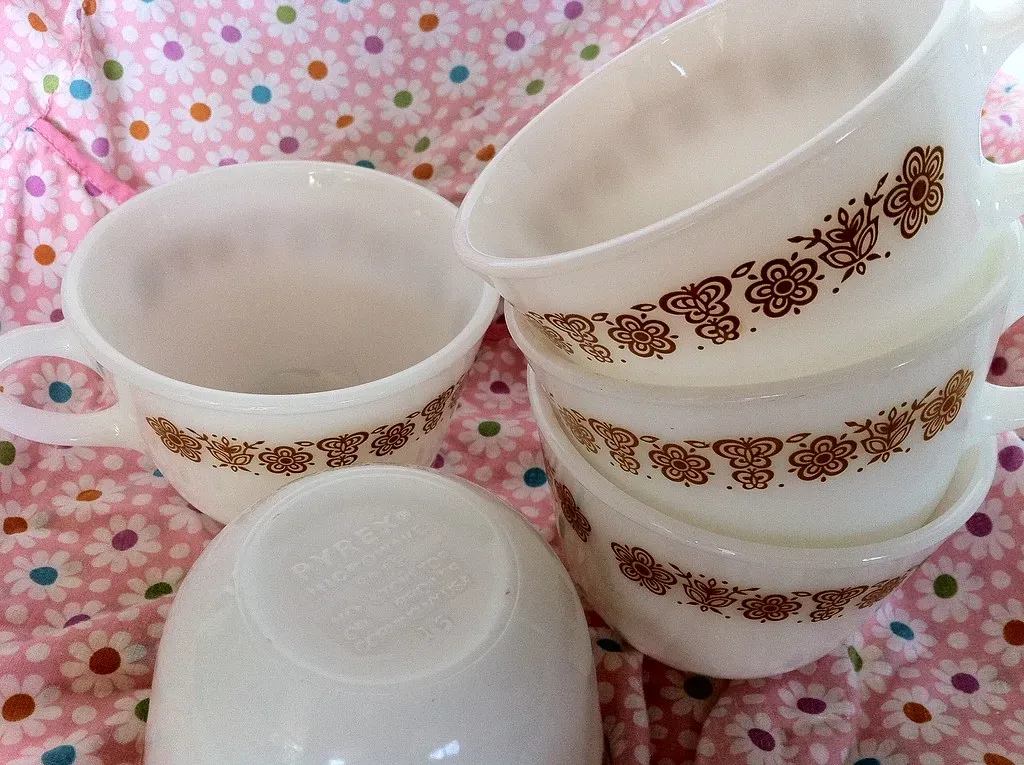
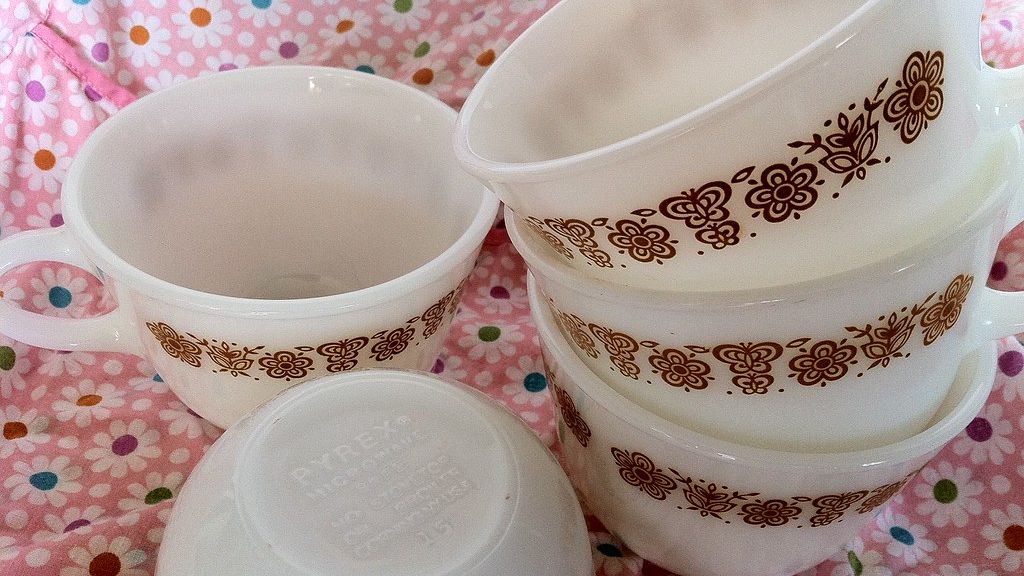
I know it sounds crazy, but that colorful patterned baking dish stuffed in the back of a cabinet – or worse, sitting in a donation box – might be worth far more than anyone in your family imagines. Today, vintage Pyrex dishes have gained a cult following, with collectors of all ages prowling attics, estate sales, and online marketplaces in pursuit of playful Pyrex patterns. This is not casual nostalgia. This is a market with real money attached to it.
A Pyrex Golden Sunflower Daisy set, which came with two round casserole dishes with matching glass lids, recently sold for more than $5,000 on eBay. Meanwhile, a rare orange “Barcode” casserole dish sold for $1,995 in November 2024, and a rare “Butterprint” dish featuring the Lady on the Left sold for $3,050. These are not flukes. They are documented sales on major platforms.
The Blue Dianthus pattern is one of the most coveted by Pyrex collectors, with one single mixing bowl selling for $3,600 on eBay. For years, the origins of this delicate design were murky, but a 2014 estate sale of a former Corning employee revealed it was produced as a Sales Test in 1963. The rarer the production story, the higher the price tag. Collectors tend to be interested in vintage patterned items with the original Pyrex logo, and full sets are worth even more.
The older the Pyrex, the more it’s worth, as long as it’s in good condition. So before you run that old dish through the dishwasher, stop. You should only hand-wash colorful vintage glassware, because dishwasher detergent can permanently alter the colors and patterns, and due to the metals that can be present in vintage paint, you shouldn’t microwave vintage Pyrex either. Condition is everything in this game.
2. Mid-Century Modern Furniture: The Old Chair in the Corner Is Not Just Old
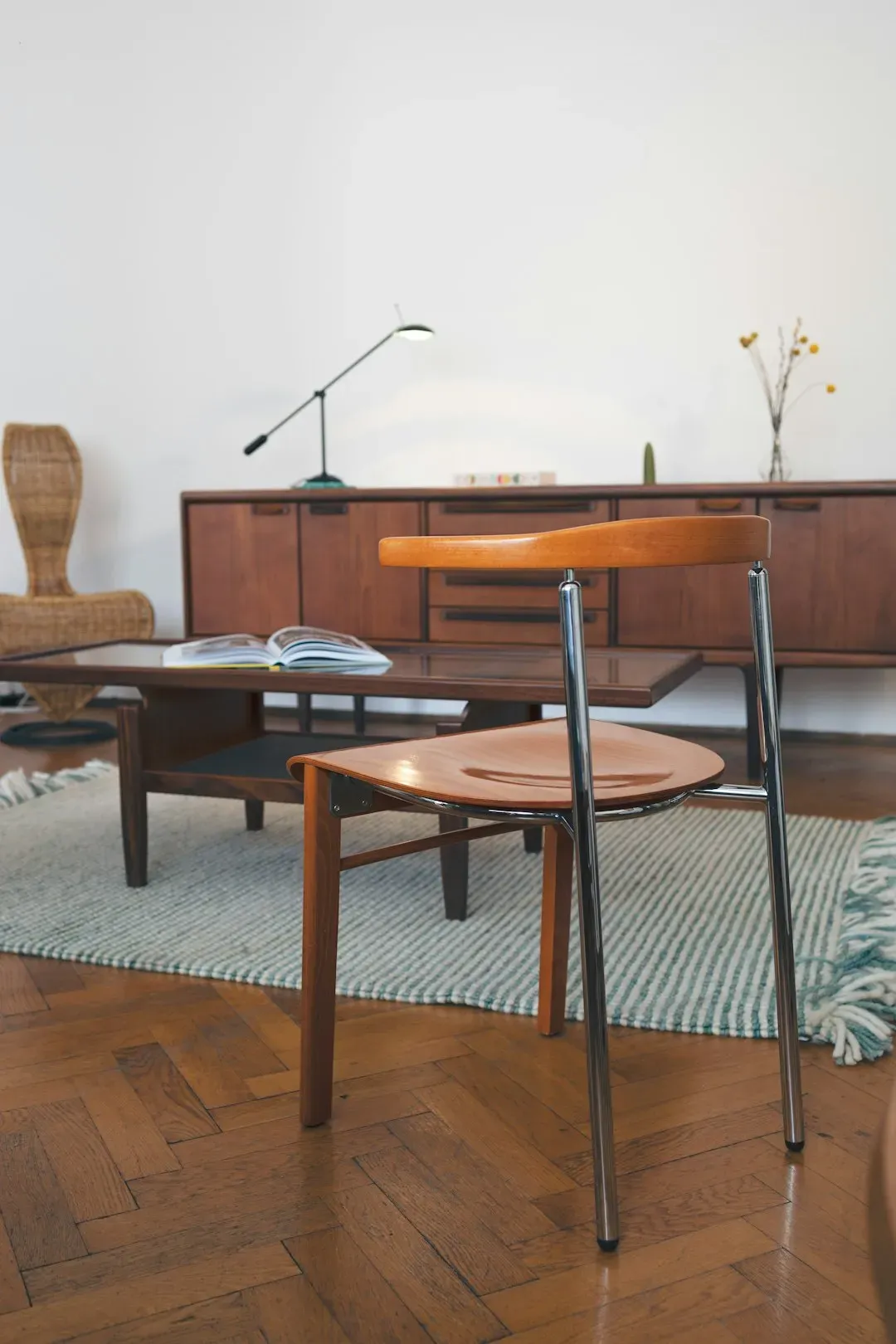
There’s a reason every interior design feed right now is flooded with walnut credenzas, tulip tables, and lounge chairs with wooden legs. Mid-century modern furniture, defined by its clean lines, simple finishes, and elegant use of wood and metal, has surged in popularity on the resale market. Pieces from the 1950s and 60s that might have once been considered simply “old furniture” are now hot commodities. Think about that for a second. Your parents may have thrown out the exact thing collectors now pay thousands for.
Take mid-century modern furniture. It has absolutely exploded in popularity recently, with certain pieces now commanding eye-watering prices. An early teak dining set by acclaimed Danish designer Hans Wegner is selling for nearly $20,000 online, showcasing the enduring appeal of mid-century modern design. Collectors are willing to pay top dollar to own a piece of Wegner’s legacy. That’s not pocket change.
Eames, Paul McCobb, Vladimir Kagan, Karl Springer, Hans Wegner, and Arne Jacobsen are design masters. Buying pieces of furniture by these designers is like buying blue chip stock – they have intrinsic value and are timelessly chic. If you spot a maker’s label or stamp on that old chair in the attic, do not throw it out until you research it thoroughly. Mid-century modern has shown remarkable staying power – it’s been popular for the past 30 years and counting. It’s no longer just a fad; it’s considered a timeless style now.
3. Vintage Costume Jewelry: The “Fake” Necklace That Isn’t So Fake
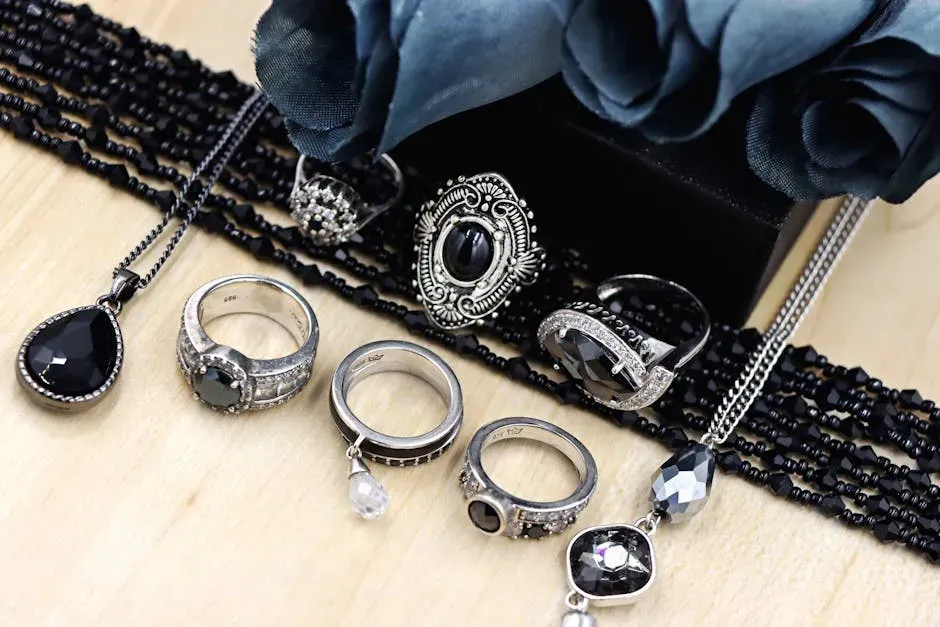
Let’s be real – most people see a box of old costume jewelry and assume it’s worthless. Rhinestones. Fake pearls. Chunky brooches. Dismissed without a second glance. While many write off costume jewelry as cheap, chintzy, and gauche, some pieces can make you real money in the secondhand market, as long as you are patient, have a discerning eye, and have access to good stock. That old jewelry box deserves a serious second look.
In 2024, a Trifari necklace designed with enamel, crystals, and rhinestones made to look like emeralds and diamonds fetched $3,600. That same year, a Christian Dior necklace made of red glass beads and designed by John Galliano went for $4,400. These are signed designer pieces, and their signatures are worth finding. Brooches can fetch serious cash too, like a Chanel gilt metal and glass brooch with fake pearls that sold for $2,142 in 2023.
High-value sales in antique and vintage jewelry, especially from renowned designers, continue to be prominent. Antique and vintage jewelry – especially from renowned designers – is fetching high prices at many top-tier auction houses, according to both Christie’s and Sotheby’s. The key word here is “signed.” A signature from a name like Miriam Haskell, Chanel, or Trifari can transform something that looks like a trinket into a genuine auction contender. Dig through those old boxes carefully.
4. Vinyl Records: The Dusty Stack in the Corner Could Be Worth More Than Your Streaming Subscription
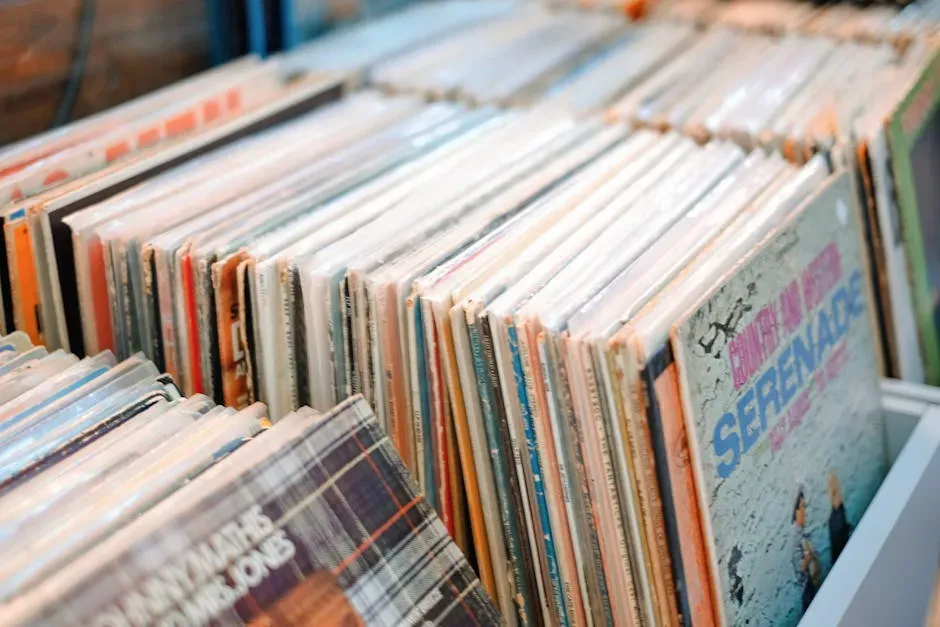
Vinyl is back. Completely, undeniably back – and not just as a lifestyle accessory for artsy apartments. Overall, vinyl sales grew about 9.3 percent year over year according to the RIAA, with overall units sold rising from 43.4 million to 46.8 million. Vinyl has had 19 years of consecutive growth in the U.S. That’s not a comeback. That’s a full-blown cultural reclamation.
Vinyl held steady, making up more than three-quarters of all physical music revenues following a nearly two-decade resurgence. Meanwhile, on the collector side, first pressings and rare editions are where the serious money lives. Not all copies of a record are created equal. A first pressing, original vinyl, or limited edition can be worth more than a standard reissue. Knowing which pressing you have is the difference between a $5 sale and a $5,000 one.
The average price of a mint vinyl record grew 24 percent to $37.22 from 2020 to 2025, per Discogs, and that’s just for standard copies. Rare pressings operate in a completely different universe. Most records are not very valuable at all – by their very nature they are mass-produced items. A very few tick all the boxes of rarity, condition, and desirability to hit the jackpot. Still, if you inherited a vinyl collection from a parent or grandparent, it’s absolutely worth checking every single one before it goes to the curb.
5. Vintage Comic Books and Action Figures: The Toys That Time Made Priceless
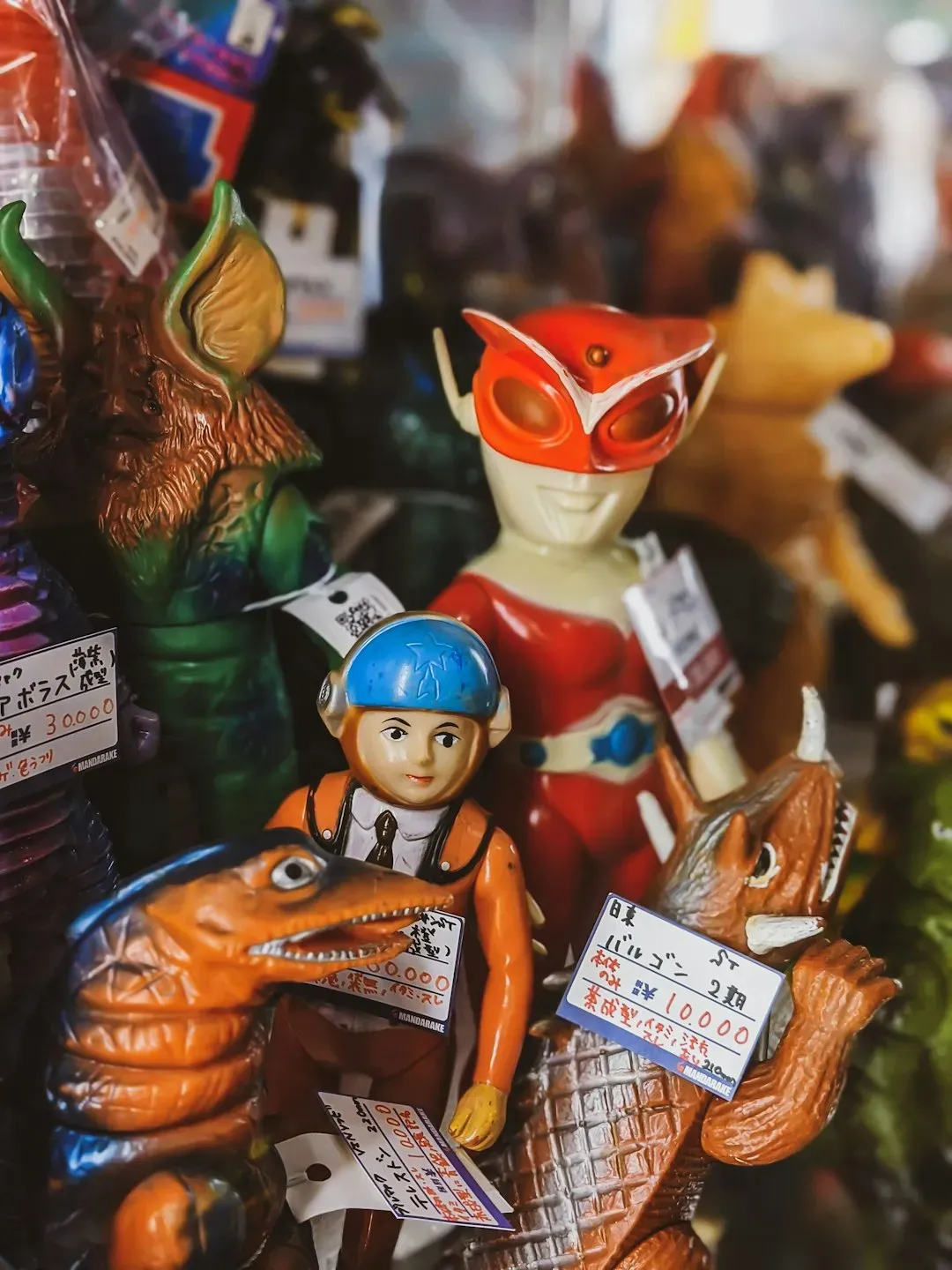
Few things in the collectibles world have generated more jaw-dropping headlines over the past couple of years than old comic books and action figures. A copy of Superman #1, now the most expensive comic book to ever sell at auction, was not only a first printing but received a near-perfect 9.0 CGC grade. It spent decades stashed in a box in a San Francisco attic, until three brothers discovered it while cleaning their late mother’s home. You cannot make this up.
The toy side of things is equally wild. The headline-grabbing items have tended to be prototypes, like the legendary Boba Fett rocket-firing toy that made $1.34 million in 2024. General release pieces can also be worth cash – a figure called Yak Face made over $90,000 at auction. It was one of the final figures made by Kenner, the main Star Wars toy maker, and had limited availability, especially in the U.S.
From limited-edition toys to rare stamps and antique artifacts, second-hand collectibles represent not only a passion for many but also a smart investment option. The driving forces are nostalgia, scarcity, and condition. Toys generally have lots of potential value. Condition is very important, though. People want their nostalgia in good condition. An original action figure still sealed in its original packaging is worth exponentially more than one that was played with, which is almost poetic when you think about it.
Before You Sell: What Every Attic Hunter Should Know
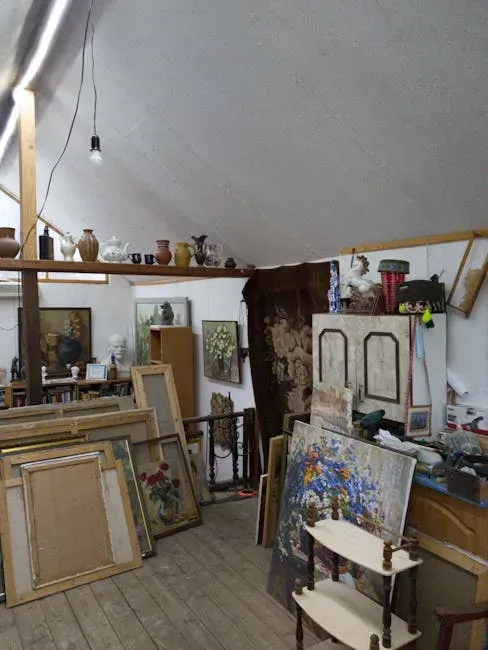
The one thing that connects all five categories above is this: most people throw these things away. They see age, dust, or unfashionable design and assume the market agrees with their assessment. It rarely does. Age and how something looks matter, but historical significance, maker’s marks, and the condition of a piece can drastically impact its price. That’s the whole game in one sentence.
Among second-hand collectible categories, antiques generated $58.4 billion in 2024 and are projected to grow at a compound annual rate of 6.7 percent from 2025 to 2034. The market isn’t shrinking. Demand is accelerating, which means items sitting untouched in attics today are likely gaining value every single year. This rapidly expanding market is fueled by a rising preference for sustainable consumption, heightened awareness of the circular economy, and the growing demand for unique items. As consumers become increasingly conscious of waste reduction, the second-hand collectibles market has gained significant traction, appealing to both seasoned collectors and new-age shoppers.
The single best thing you can do before selling or donating anything old is to research it first. Flip it over. Look for a signature, a maker’s mark, a production number, or a pattern name. It’s all about the hidden details. This brings up provenance – think of it as an antique’s biography, tracing its ownership and journey through time. A solid provenance can seriously boost an item’s value. Sometimes, the most boring-looking object in the room carries the most fascinating story. And in this market, stories are currency.
What’s sitting in your attic right now that you’ve been meaning to throw out? It might be worth checking before you do.