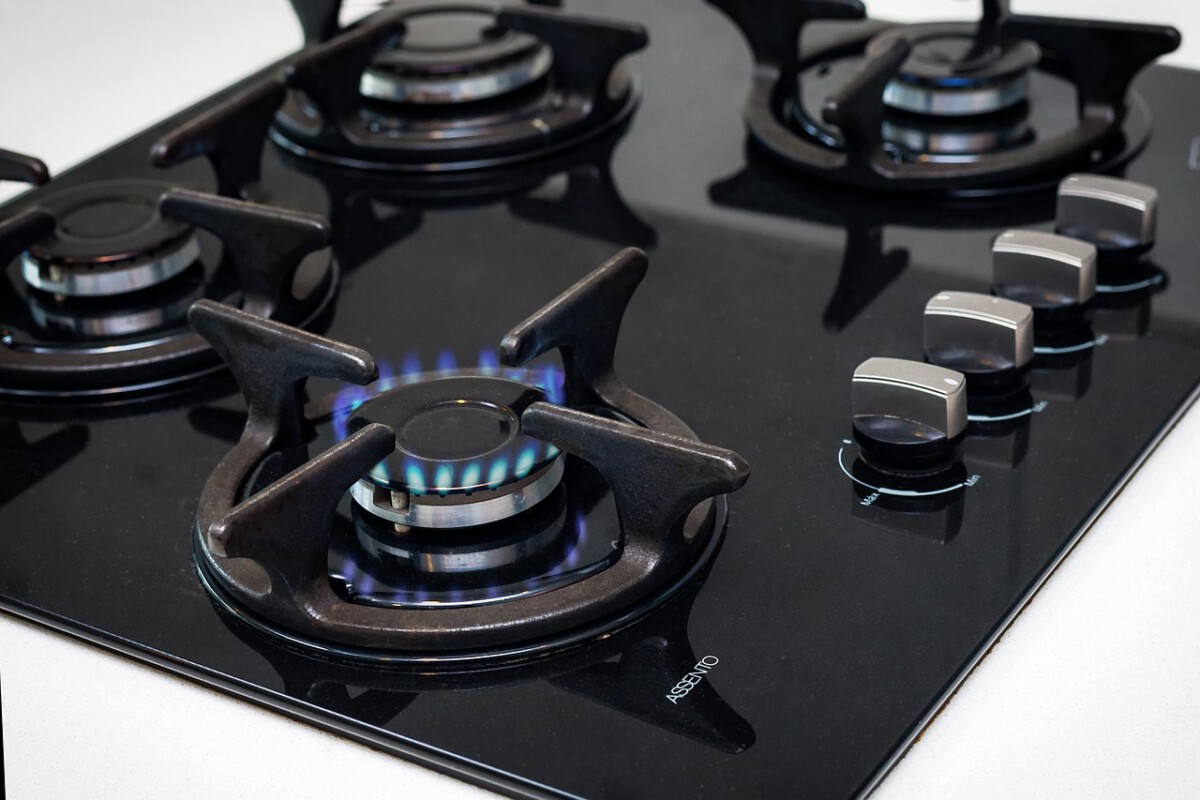
A Game-Changer for Kitchens and the Grid (Image Credits: Pixabay)
Innovation in kitchen appliances has taken a contentious turn as two startups battle in court over a breakthrough feature in induction stoves. Copper, a pioneer in the space, filed a patent infringement lawsuit against rival Impulse Labs last Friday in federal court in Delaware. The dispute centers on integrated batteries that enhance cooking performance, simplify installation, and support the electric grid through energy storage. This legal fight highlights the high stakes in advancing electrification amid growing demand for efficient home appliances.
A Game-Changer for Kitchens and the Grid
Integrated batteries in induction stoves represent a bold leap forward. These devices deliver powerful cooking without requiring major electrical upgrades in homes. Users simply plug them in like standard appliances, avoiding the costs and complexities of professional installations.
The technology also addresses broader energy challenges. Batteries store excess renewable power during off-peak times and release it during high demand, easing grid strain. Factory-built integration makes this far more accessible than standalone systems like the Tesla Powerwall, which demand permits and electricians. At scale, widespread adoption could transform how households contribute to grid stability.
Copper’s Early Innovations and Patents
Copper’s founders began developing the battery-integrated stove concept as early as 2019. The work emerged from R&D lab Otherlab, which secured a U.S. Department of Energy grant in 2020 to advance the idea. The company formally launched in 2022 and obtained its first patent that March for appliance-level battery-based energy storage, listed as US11870263B2.
Two more patents followed in 2024 and 2025, refining the induction stove design with embedded batteries. Copper has attracted about $35 million in venture funding, according to PitchBook data. CEO Sam Calisch emphasized the company’s mission: “Our goal is to eliminate barriers to electrification.” He noted partnerships with large appliance manufacturers to license the technology.
These efforts earned Copper recognition among Fast Company’s Most Innovative Companies of 2026.
Impulse Labs Joins the Competition
Impulse Labs entered the market in 2022 with its own battery-equipped induction stove, which began shipping to customers last year. The company promotes the product as unlike any other, highlighting its sleek design and performance. Founder Sam D’Amico, a former Facebook engineer, described the approach vividly in late 2022: “Effectively, we’re Trojan-horsing a small battery into people’s homes when the appliance goes in.”
Impulse has raised $25 million in venture funding. Its stove emphasizes energy storage benefits alongside superior cooking capabilities. However, the U.S. Patent and Trademark Office rejected Impulse’s four patent applications in 2024 and 2025. Officials cited Copper’s prior patents as prior art blocking approval.
The Lawsuit and Its Stakes
Copper’s complaint accuses Impulse of infringing on its protected technology. The suit seeks damages, including at least a reasonable royalty. Details in the filing underscore Copper’s claim to first-mover status in this niche.
Impulse has not yet responded publicly. Fast Company reached out for comment, with no reply as of this writing. The case unfolds in Delaware federal court, a common venue for patent disputes.
- Key similarities: Both stoves embed batteries for power boosts and grid support.
- Copper’s timeline: Development from 2019, patents from 2022.
- Impulse’s rejections: USPTO denied applications citing Copper’s IP.
- Funding gap: Copper at $35M, Impulse at $25M.
- Shared goal: Accelerate shift from gas to electric cooking.
| Company | Launch Year | Key Patents | Venture Funding |
|---|---|---|---|
| Copper | 2022 | 3 (2022-2025) | $35M |
| Impulse | 2022 | 0 (applications rejected) | $25M |
Key Takeaways
- Battery integration simplifies electrification and aids the grid.
- Copper holds the patents; Impulse faces infringement claims.
- Resolution could shape future appliance innovations.
This lawsuit pits two promising technologies against each other at a critical moment for clean energy adoption. While legal battles risk slowing progress, they also clarify intellectual property boundaries essential for industry growth. Calisch reiterated Copper’s desire for broad adoption, provided partners respect its IP. The outcome may determine how quickly battery stoves proliferate in homes. What implications do you see for kitchen tech and the energy transition? Share your thoughts in the comments.