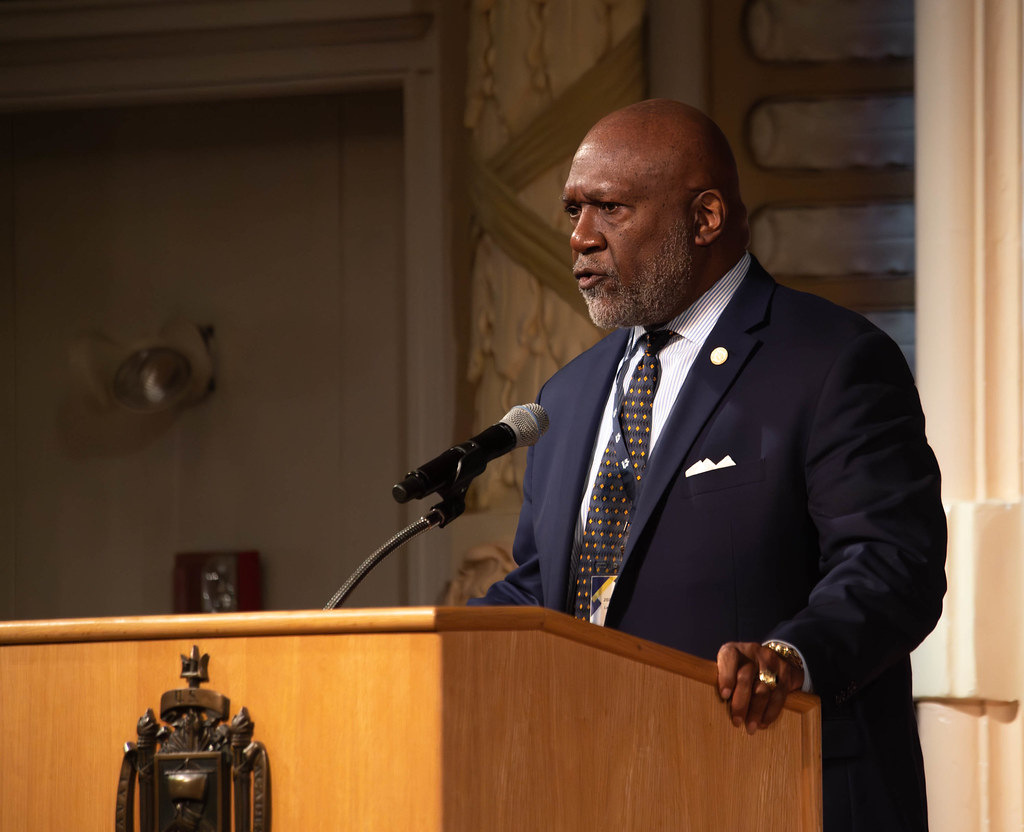
A Pivot to Personal Ownership (Image Credits: Flickr)
In times of economic uncertainty and intensifying scrutiny across sectors, philanthropy faces unprecedented demands for effectiveness. Executives who once steered corporate initiatives now apply those skills to personal and organizational giving, revealing how individual action ignites momentum. Insights from leaders like Carol J. Hamilton, a veteran of L’Oréal USA’s C-suite, and Michele Walsh, chief philanthropy officer at UNICEF USA, underscore this transformation toward disciplined, scalable impact.
A Pivot to Personal Ownership
Carol J. Hamilton stepped away from her corporate role after four decades, yet her influence in philanthropy grew stronger. She confronted a fundamental shift: trading the resources of a global firm for individual accountability. This required building a new network of advisors to refine her focus on empowering women and girls.
Hamilton approached this phase with the rigor of business strategy. She emphasized that philanthropy demands the same structure as corporate endeavors. Personal ownership became her foundation, allowing her to channel long-held passions into targeted efforts.
Starting with Bold Personal Commitment
Mobilization begins at the individual level, Hamilton explained. Leaders must first invest significantly themselves to demonstrate conviction. “Significant gifts matter. They fund proven solutions,” she noted, highlighting how such actions set the tone for broader involvement.
Passion fuels the next steps. Authentic enthusiasm draws others in, often through intimate settings like dinners where ideas can flourish. When shared values align, collective energy emerges, mirroring successful business models. This process turns solitary giving into collaborative progress.
Corporate Leaders Embrace Scalable Solutions
Michele Walsh observes a marked change among C-suite executives amid funding challenges and market swings. Donors prioritize immediate needs, such as vaccines and emergency aid, but increasingly seek enduring frameworks. Investments now target training programs, robust supply chains, and responsive infrastructure.
These efforts, though less glamorous, offer the greatest leverage. Walsh pointed to a growing emphasis on systems that enable organizations to expand responsibly. Business acumen drives this pivot, blending urgency with long-term vision.
Aligning Giving with Future-Proof Strategies
The dialogue between Hamilton and Walsh revealed philanthropy’s integration into core business planning. Leaders focus on durability, ensuring commitments withstand external pressures. Walsh cited data showing nearly 90% of executives view their impact strategies as essential for business resilience, according to a Benevity report.
This strategic lens elevates giving beyond philanthropy or employee programs. Capital provides the spark, leadership charts the course, and strong systems sustain growth. Such alignment transforms reactive donations into proactive engines of change.
Essential Steps for Effective Leadership
Hamilton urged immediate action despite evolving landscapes. Clarity on priorities comes first, followed by assembling expert counsel and making substantial pledges. Inviting peers amplifies reach, leveraging networks for greater effect.
Here are key practices drawn from their experiences:
- Lead with a personal, sizable gift to signal commitment.
- Share genuine passion to inspire conversations and connections.
- Prioritize scalable infrastructure over short-term aid alone.
- Build strategies that endure economic shifts and rising expectations.
- Assemble diverse advisors to challenge and sharpen focus.
Key Takeaways:
- Individual resolve sparks philanthropic momentum.
- Strategic leadership ensures impact scales sustainably.
- Don’t delay – needs persist amid constant change.
Philanthropy thrives when leaders blend heartfelt giving with executive discipline, turning potential into lasting progress. As tools multiply and challenges mount, the real measure lies in bold direction. What steps will you take to contribute? Share your thoughts in the comments.