
Florida’s sunny shores have always drawn dreamers chasing eternal youth. Now, biohackers flock to clinics here for plasma therapies echoing the infamous “young blood” experiments. These treatments promise to flush out aging’s toxins, but what’s really fueling this underground rush?
Let’s dive into the wild world of Florida’s longevity scene. You’ll be surprised by how far people go to turn back the clock.[1]
The Spark from Mouse Labs

Everything kicked off with lab mice back in the 2000s. Scientists stitched young and old mice together, letting blood mix. The old ones perked up, growing stronger muscles and sharper brains.[1]
That simple swap hinted at blood’s power over age. Florida biohackers latched onto it hard. Though human proof lags, the idea stuck like glue.
Ambrosia’s Tampa Gamble
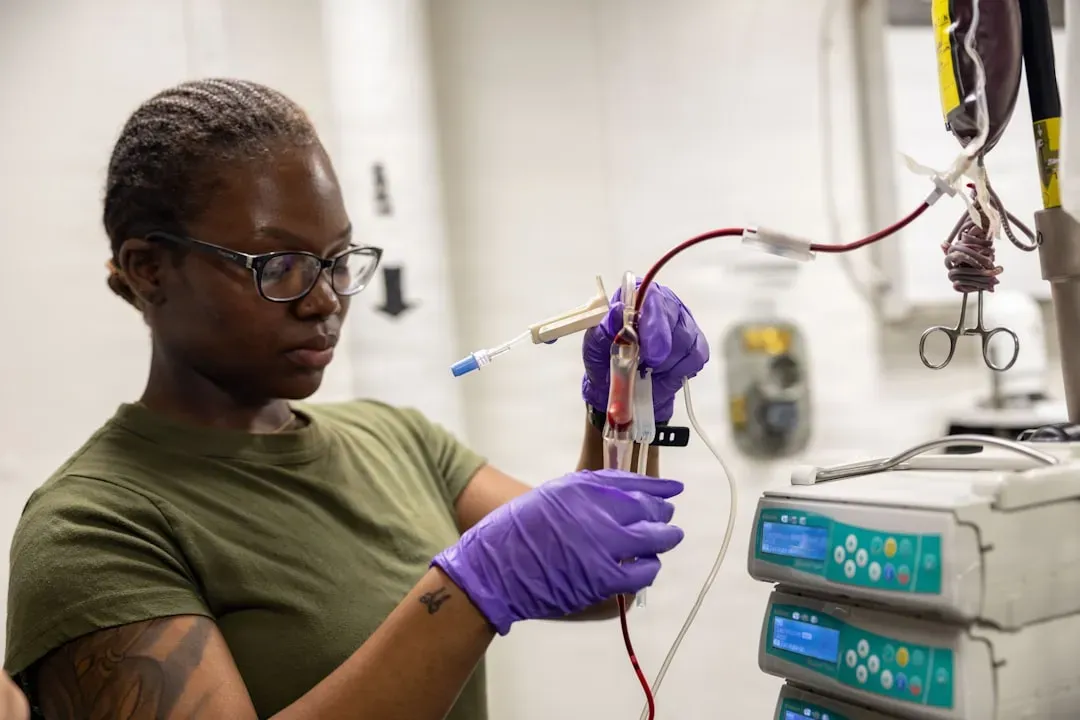
In 2019, startup Ambrosia opened in Tampa among other spots. They charged thousands for liters of plasma from teens and twenties. Clients over 30 lined up, betting on rejuvenation.[2]
It felt like science fiction hitting Florida soil. Demand surged despite zero solid human data. The clinic rode the hype wave briefly.
FDA’s Harsh Wake-Up Call

Federal regulators slammed the brakes soon after. The FDA warned young plasma counts as an unapproved drug. Ambrosia halted treatments nationwide.[3]
Risks like infections loomed large. Florida’s outpost vanished from the map. Yet the quest didn’t die; it morphed.
Biohackers pivoted smartly. Plasma exchange emerged as the safer play.
Plasma Exchange: The New Kid
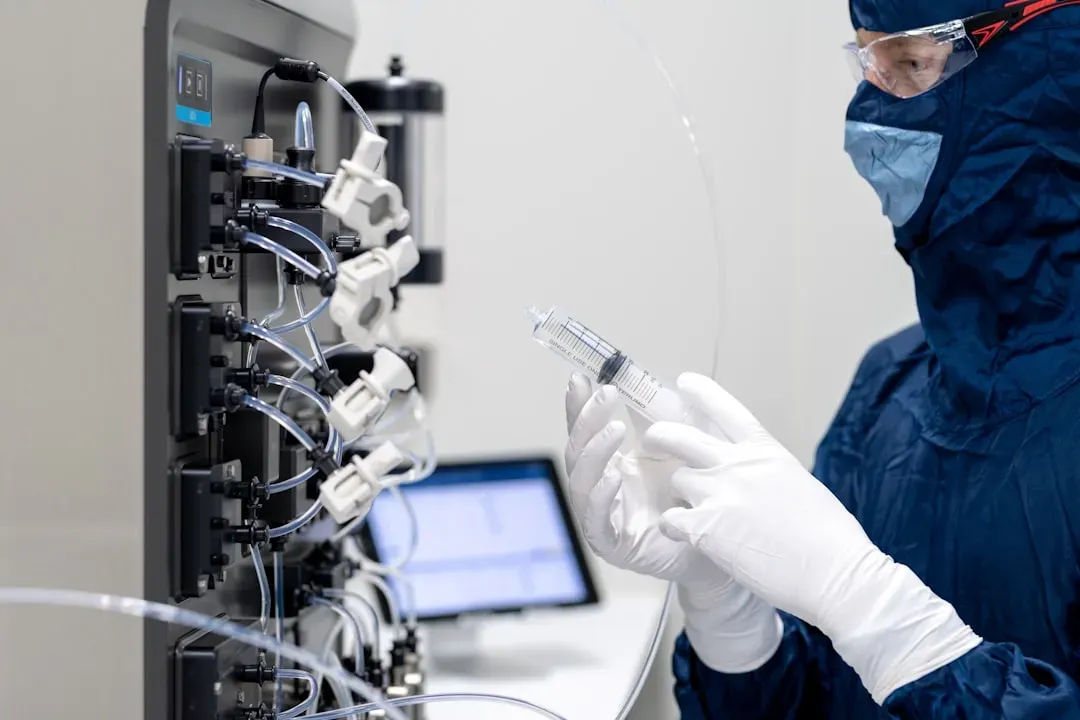
Today’s twist removes your own plasma, swapping in albumin. It dilutes inflammatory gunk linked to aging. Clinics claim it mimics young blood perks without donor risks.[1]
Florida spots rolled this out fast. Patients feel clearer headed post-session. It’s the biohack du jour now.
Florida’s Clinic Boom

The state hosts up to 800 longevity centers nationwide, with Florida leading. Venture cash doubled from 2021 to 2022. Biohacking market hits nearly $30 billion, eyeing $70 billion by 2030.[4][1]
Athletes and retirees pack waiting rooms. Post-COVID distrust boosted private care. Sunshine State shines for tweaks.
Azena in Gainesville Leads
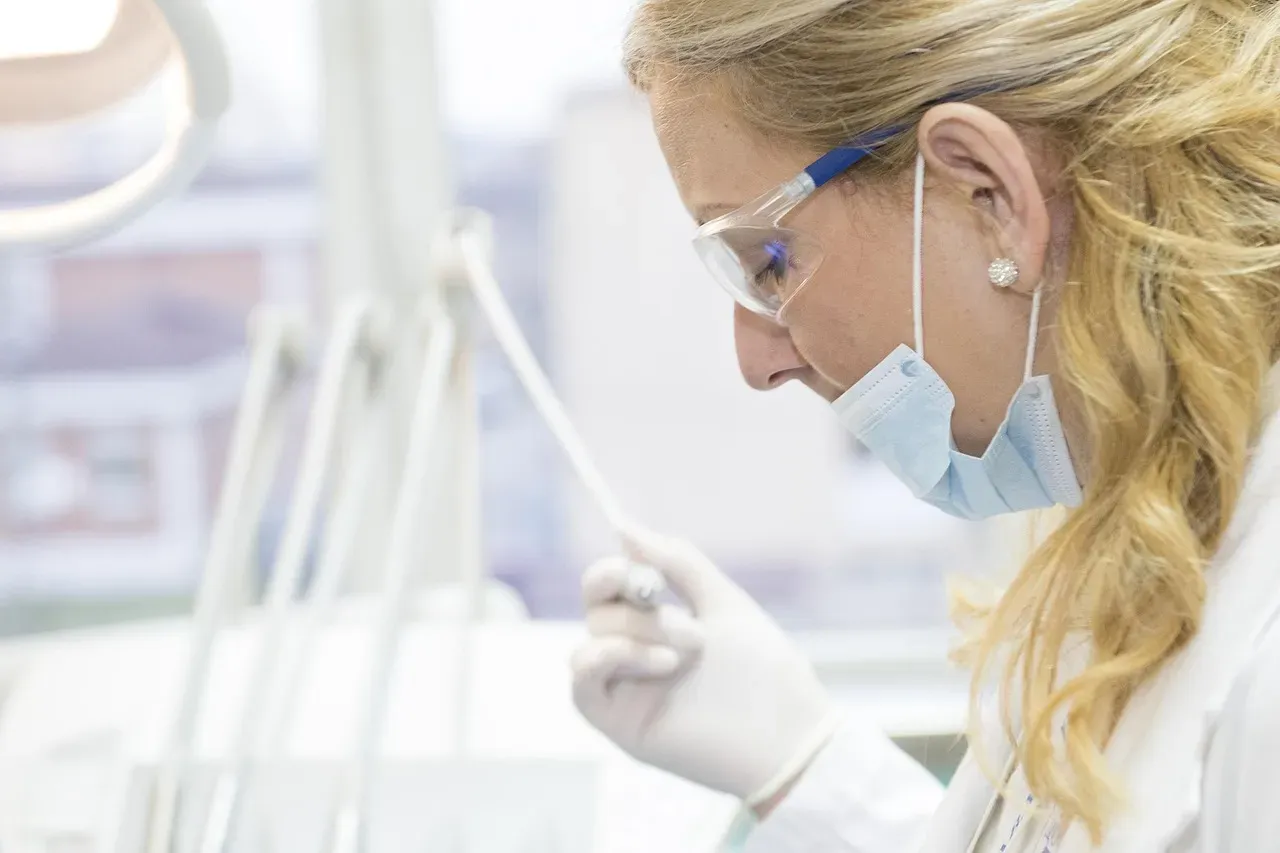
Azena Health & Longevity treats 120 clients monthly. They prep plasma transfusions to scrub bloodstream toxins. Membership runs $1,800 yearly.[1]
Athletes swear by reduced inflammation. Ozone therapy might join soon. It’s concierge care dialed up.
Clients report sharper cognition. Florida’s college town turns longevity hub.
Jacksonville’s Anderson Clinic
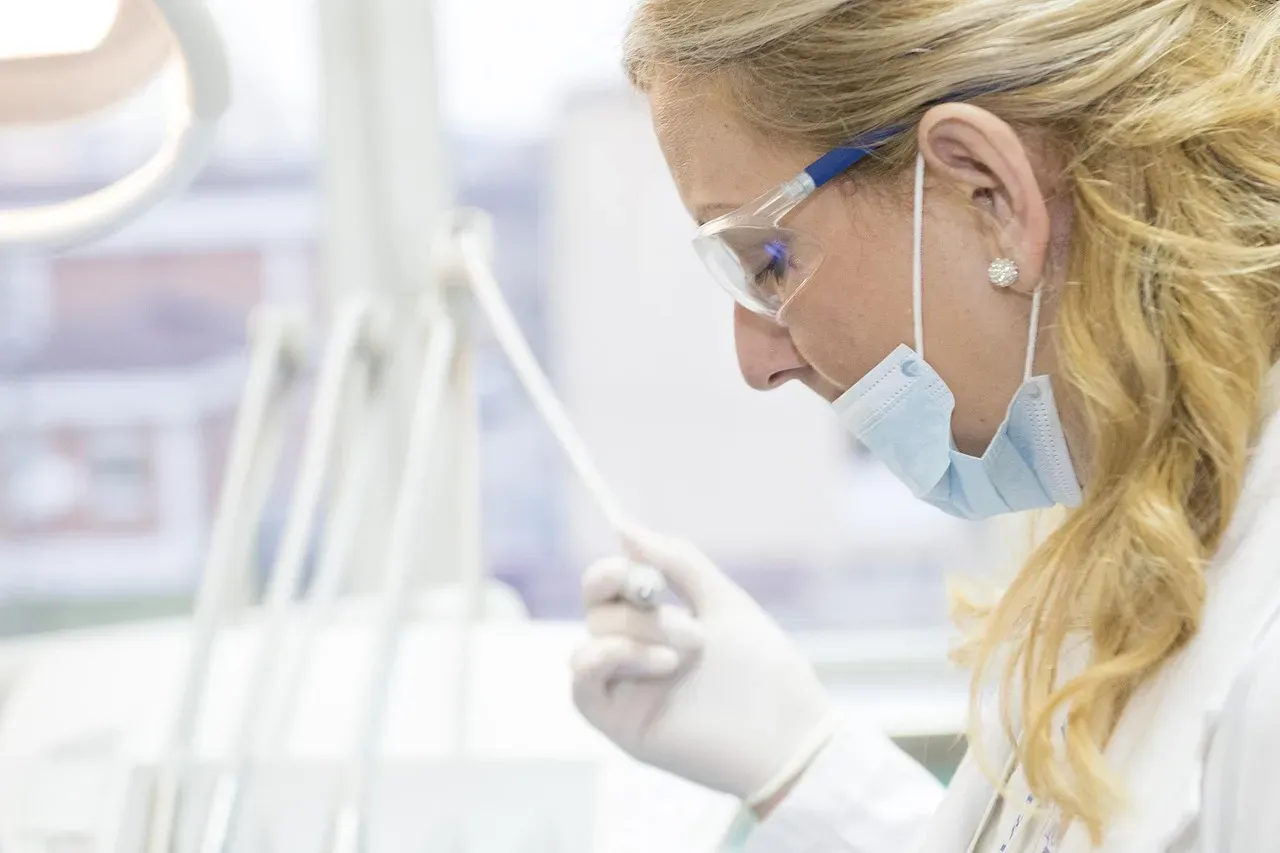
Anderson Longevity Clinic pushes plasma transfers alongside hormones. They scour anti-aging literature for safety. No wild risks here.[1]
PRP injections help injuries too. Patients heal faster, move better. It’s practical biohacking.
Miami’s Cutting Edge
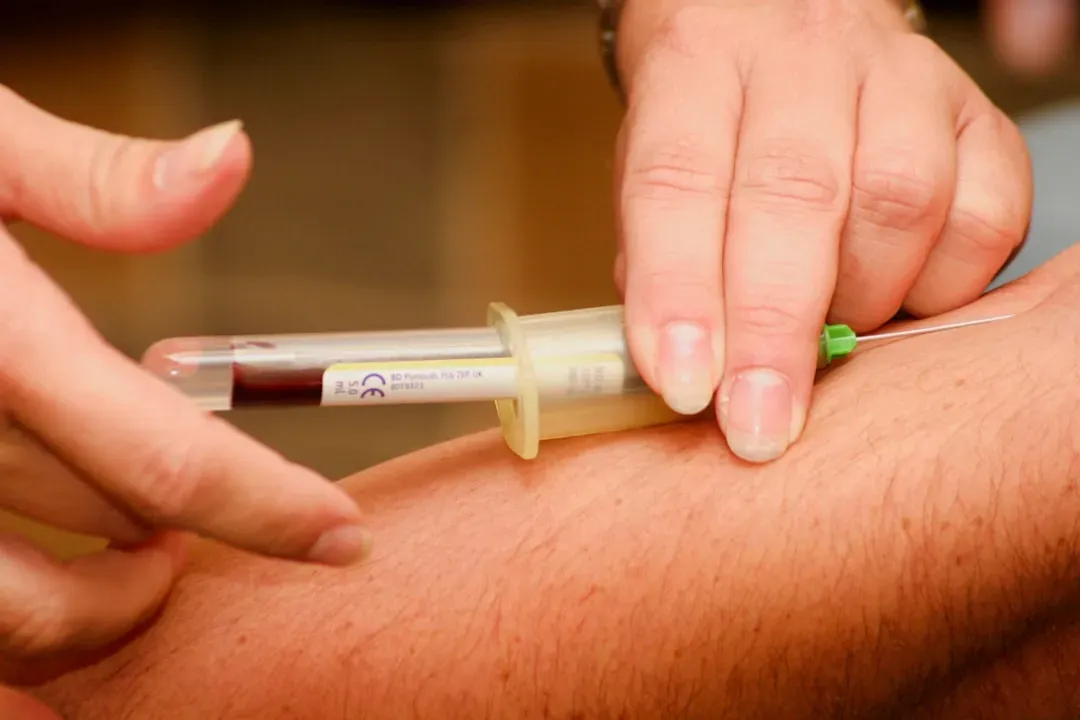
New serial plasma exchange hits Miami amid toxin scares. South Florida wellness explodes. High-performers cycle therapies weekly.[5]
Energy spikes draw crowds. Mental fog lifts noticeably. The scene pulses vibrant.
Science Backs It… Sort Of

Mouse rejuvenation holds up in labs. Human trials? Scarce and mixed. Experts like UF’s Karyn Esser urge caution; placebos might play big.[1]
No major adverse events reported yet. Still, lungs and infections worry docs. Florida pushes boundaries regardless.
Risks Lurking in the Hype

Plasma swaps carry infection odds. Hormone overloads build up sneaky. Stem cells add unknowns.[1]
Unregulated clinics spark flags. Costs soar into five figures yearly. Weigh the gamble carefully.
Biohackers chase gains anyway. Florida’s playground for pioneers.
What’s Next for Florida Biohackers
AI diagnostics and premium retreats expand. Fountain Life charges $21,500 annually in Orlando. Longevity foundations fund research.[1]
Treatments evolve fast. Plasma leads, but peptides rise. The Sunshine State stays ahead.
Florida’s biohackers keep injecting hope into veins. Will plasma unlock youth, or fade like fads before?[1]