

Picture this: empty office towers in the heart of bustling cities, now buzzing with new residents in pint-sized homes. With remote work sticking around, developers are racing to turn these ghosts into golden opportunities. The pipeline for such conversions just hit a record 90,300 apartment units nationwide at the start of 2026, up 28 percent from last year.[1] Let’s dive into the forces driving this urban transformation.
Skyrocketing Office Vacancies Fuel the Shift

National office vacancy rates hover around 18 percent this year, down slightly but still sky-high from pre-pandemic levels. In major metros like New York and Los Angeles, physical occupancy in some buildings dips to just 50 percent. Here’s the thing: these underused spaces scream for repurposing, especially when work-from-home has become the norm.[1][2]
Developers see the math. Empty offices drain cash through maintenance and taxes. Converting them breathes new life, turning liabilities into revenue streams. I reckon this vacancy crunch is the spark igniting the whole micro-apartment boom.
Housing Shortages Demand Quick Fixes

Cities face a shortfall of millions of homes, with the U.S. needing 4 to 7 million more units. Urban renters, nearly half cost-burdened in places like Seattle and D.C., struggle with rents over $2,000 monthly downtown. Office conversions offer a fast track to add supply without sprawling into suburbs.[3]
Micro-apartments fit perfectly here. They target the crunch by packing more units into existing footprints. Think of it like squeezing efficiency from every square foot, easing pressure on a strained market.
Still, it’s not just numbers. Homelessness jumped 18 percent in 2024, pushing cities to act urgently.[3]
Affordability Crisis Hits Young Urbanites

Rents in city centers have soared, pricing out singles and starters. Micro-units rent for $700 in Houston to $1,000 in L.A., a steal compared to studios. This affordability pulls in nurses, caregivers, and grads who crave walkable neighborhoods.[3]
Forty percent of U.S. renters live alone, spiking to 58 percent in Seattle. Small co-living setups with shared cores match this perfectly. Honestly, it’s a game-changer for those tired of roommates in overpriced one-beds.
Cost Savings Make Micro Designs Irresistible

Converting to tiny apartments slashes costs 25 to 35 percent per square foot versus standard units. Retaining central plumbing in office cores keeps expenses low, around $123,000 to $239,000 per unit including everything. That’s one-third to half the price of building new studios at $400,000 a pop.[3]
Subsidies drop too, needing just $25,000 to $120,000 upfront per micro-unit. Developers love the math. No wonder these conversions now claim 47 percent of all adaptive reuse projects.[1]
Policies Pave the Way for Mass Conversions

Arizona lets big cities repurpose up to 10 percent of commercial buildings without red tape, skipping rezoning hassles. Places like D.C. and New York offer tax breaks and fast permits. These incentives turbocharge projects, making conversions “by-right” in spots.[4][3]
Reforms waive parking minimums and unit sizes. It’s like removing brakes from a speeding train. Cities desperate for housing are all in.
New York City Leads the Charge

The Big Apple tops the list with 16,358 units in the pipeline, double D.C.’s count. Over 4 million square feet kicked off conversions in 2025 alone. Empty towers in Manhattan are morphing into homes, revitalizing skylines.[1][5]
This surge addresses the city’s massive housing gap. More than 16,000 apartments from offices signal a new era. Let’s be real, NYC’s density makes micro-units a natural fit.
Washington D.C. Follows Suit

D.C. boasts 8,479 units underway, with 11 projects since 2024 delivering nearly 2,000 apartments. Vacant offices near transit turn into vibrant housing. The capital’s push tackles both office glut and renter woes head-on.[1][6]
Half of renters here face high costs. Micro-conversions offer relief nearby jobs. It’s smart urban planning in action.
Projections show more to come as incentives grow.
Singles and Shared Spaces Thrive
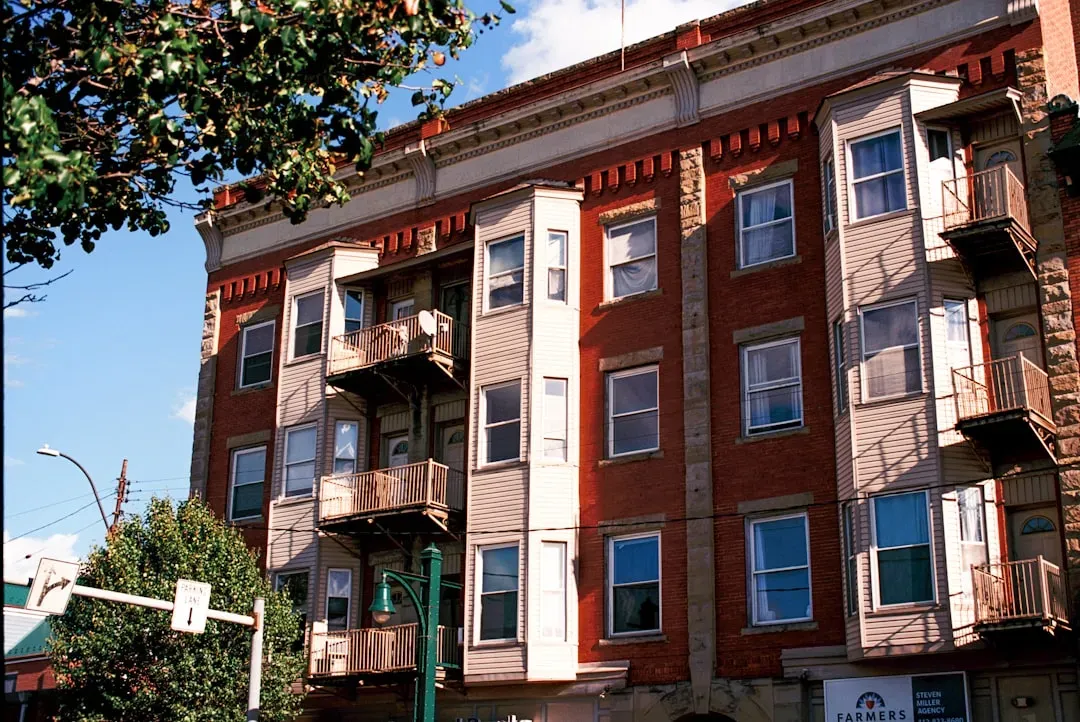
Co-living micros feature private bedrooms around shared kitchens, suiting solo dwellers. In studied cities, 50 percent or more renters are singles. Communal perks like laundry build community without isolation.[3]
This model multiplies affordable homes per subsidy dollar, up to 3.9 times better. Employers even partner for workforce housing. Sounds crazy efficient, right?
Downtowns Get a Fresh Lease on Life
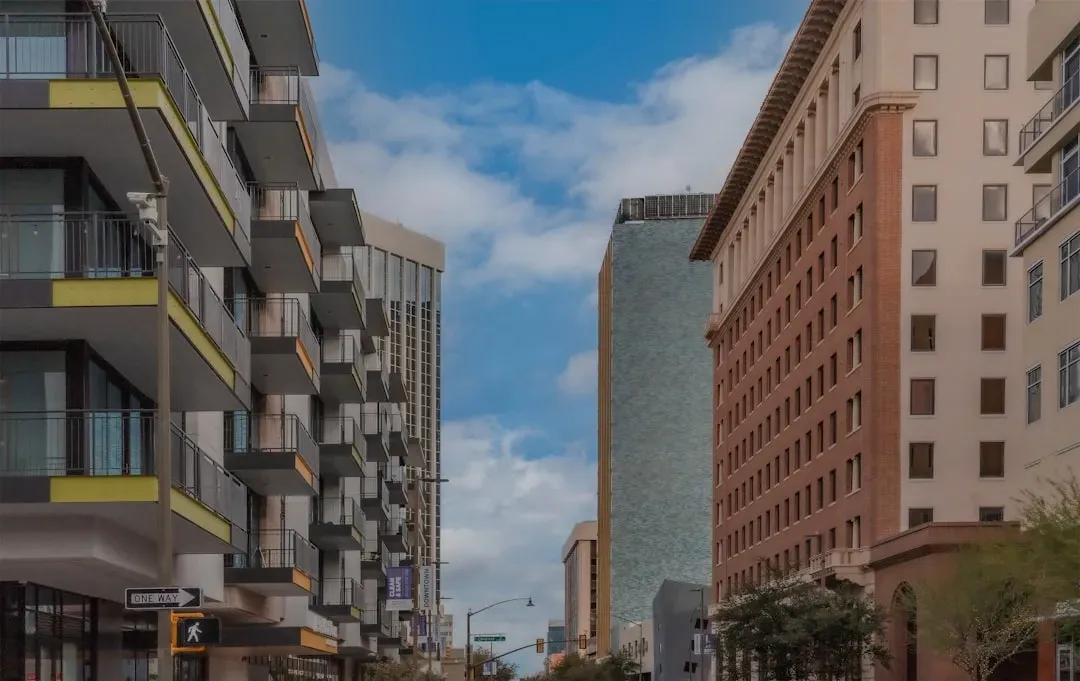
Conversions fill streets with residents, boosting shops and transit. Over 1.2 billion square feet of office space suits this shift nationwide. Cities like Chicago and L.A. see 4,000-plus units each.[7][1]
Vacant towers drag economies; micros revive them. It’s like hitting refresh on urban cores.
Projections Point to Even Bigger Waves
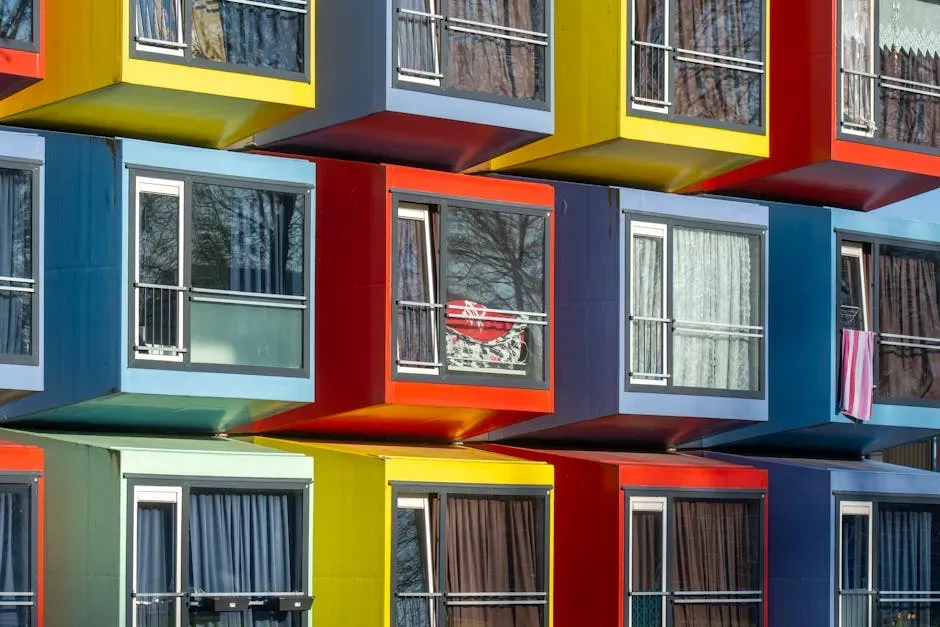
The pipeline grew 290 percent since 2022, with 2026 setting records. Older buildings with big floors convert easiest to micros. Experts eye pilots and partnerships scaling this up.[1][3]
South and Northeast lead, but momentum spreads. This trend reshapes skylines for years. What city near you will flip next?