

I’ve flipped over 50 houses in the past decade, dodging bullets that sank newbies. Right now, in 2026, the game’s tougher than ever. Flipping profits crashed to a 17-year low last year, with typical returns dipping under 26 percent nationwide.[1][2] High home prices and stubborn rates mean slim margins, so one wrong property wipes out your year.
Let’s be real, I’ve walked away from deals that looked okay on paper. These five red flags? They scream trouble in today’s market. Spot them early, and you’ll thank me later.
1. Cracks in the Foundation or Walls
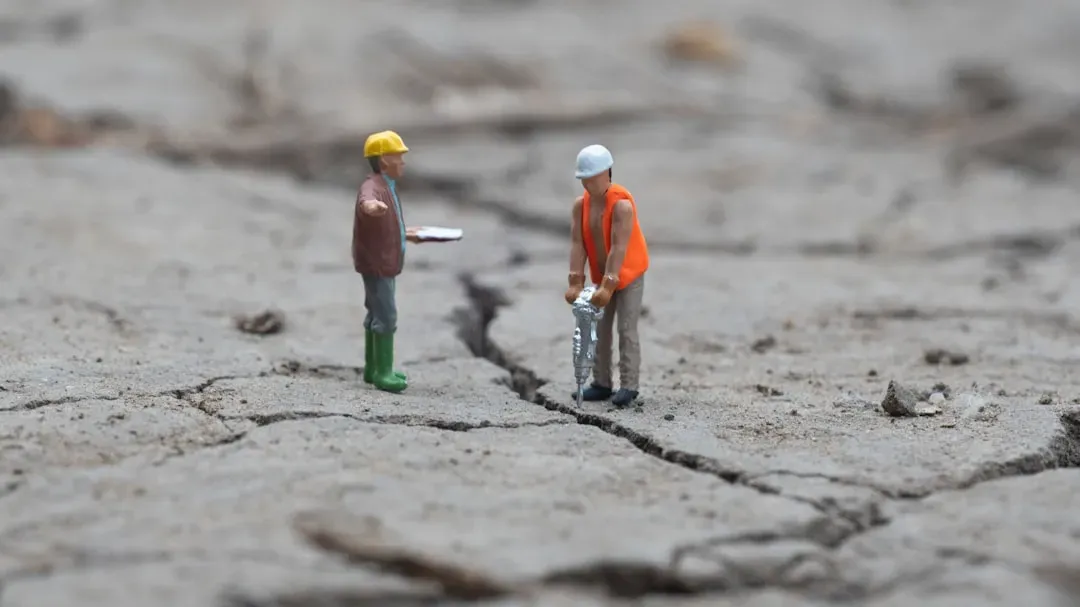
Nothing kills a flip faster than structural woes. Those hairline cracks in the foundation or bulging walls aren’t cosmetic; they’re signs of settling soil or water erosion that could cost tens of thousands to fix. Pros say buyers overlook these nearly half the time, but in 2026, with inspections fiercer, they’ll tank your appraisal.[3] I’ve passed on houses where a quick knock revealed crumbling mortar, knowing it’d eat my entire profit buffer.
Here’s the kicker: underestimated rehab like this led to widespread losses in 2025 flips. Lenders flag it immediately, and so should you. Walk if you see it, period.
2. Signs of Water Damage or Flood History
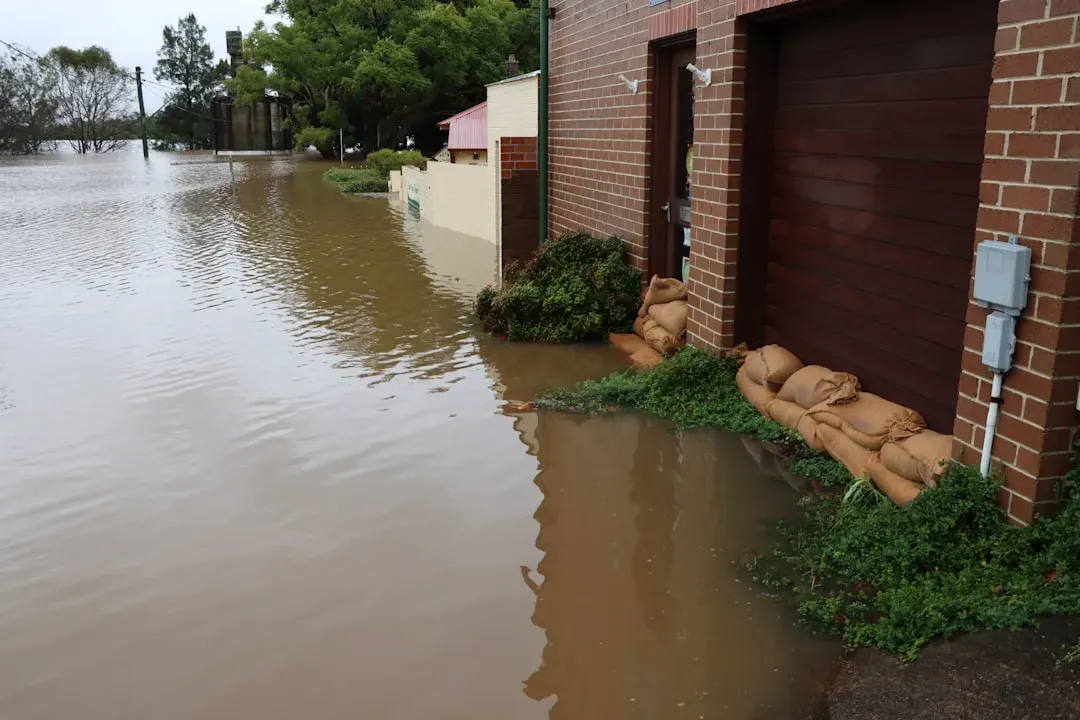
Stains on ceilings, warped floors, or that musty smell? Run. Water intrusion points to roof leaks, poor drainage, or worse, flood zone risks that jack up insurance in 2026. Florida flippers got burned hard last year with soaring premiums and buyer pullback.[2]
I once inspected a “bargain” in a marginal area; turned out FEMA maps had updated, slapping on flood insurance nobody wanted. In this market, where ROI already hovers at 25 percent, extra carrying costs from delays bury you. Don’t gamble.
3. Overpriced for the Neighborhood’s Reality

If the asking price leaves no room after repairs – say, breaching the 70 percent ARV rule – bolt. Flippers overpaid big in 2025, chasing deals in hot spots that cooled fast, dropping gross profits to about $66,000 median.[1] Crunch comps hard; if recent sales scream “no,” it’s a trap.
I’ve learned the hard way: markets shifted, leaving some metros with margins under 40 percent. Buyers aren’t biting overpriced flips anymore. Verify ARV with multiple agents before dreaming big.
4. Outdated Electrical, Plumbing, or HVAC
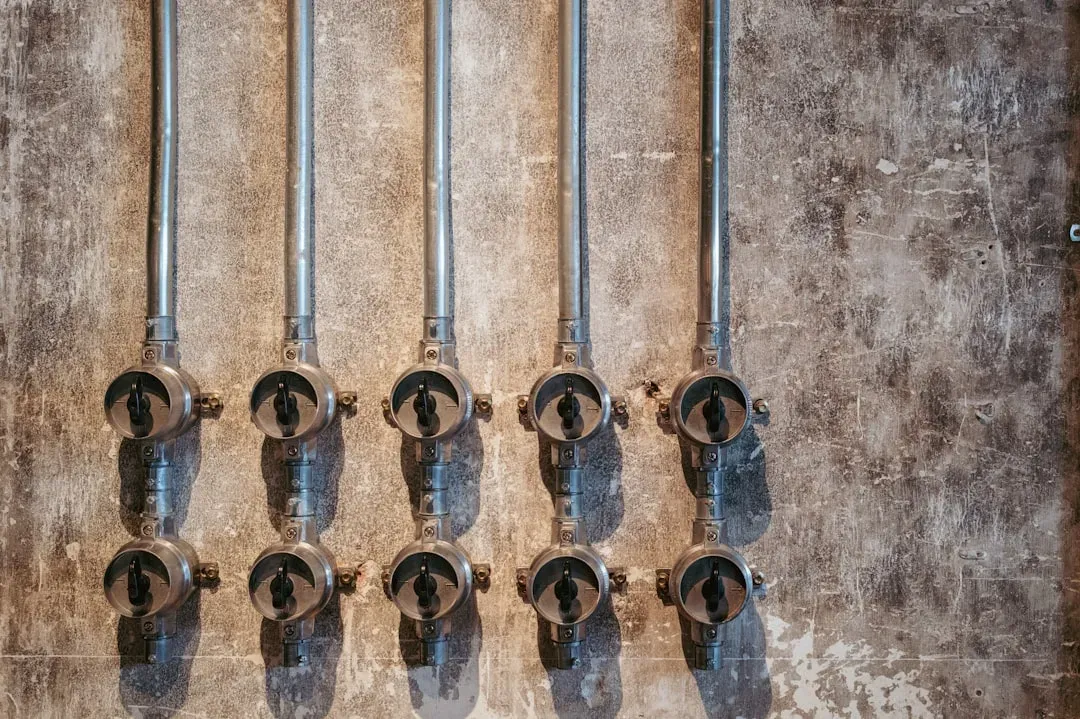
Flickering lights, ancient fuse boxes, or rusty pipes signal a money pit. Full rewires or system swaps run 20 to 50 grand easy, and in 2026’s high-material-cost world, overruns are brutal. Lenders reject these deals outright as rehab underestimates.[4]
One flip I eyed had knob-and-tube wiring; code upgrades killed profitability. With flipping volume down 4 percent last year, you can’t afford surprises.[1] Get a specialist inspection first.
These systems fail inspections, scaring buyers in a picky market. Trust me, it’s not worth the headache.
5. Weak Local Market Signals

High inventory, falling prices, or vacant neighbors? That’s a resale nightmare. Poor conditions crushed flip ROI nationwide, with 70 percent of metros seeing profit drops in 2025.[1] If days on market stretch beyond 60, your holding costs explode.
I scout trends religiously now; places like parts of Florida flashed warnings with inventory spikes. Lenders spot this too, calling it a top red flag.[4] In 2026, chase strong demand zones only.
Stick to these lessons, and you’ll flip smarter. What red flag have you dodged lately?