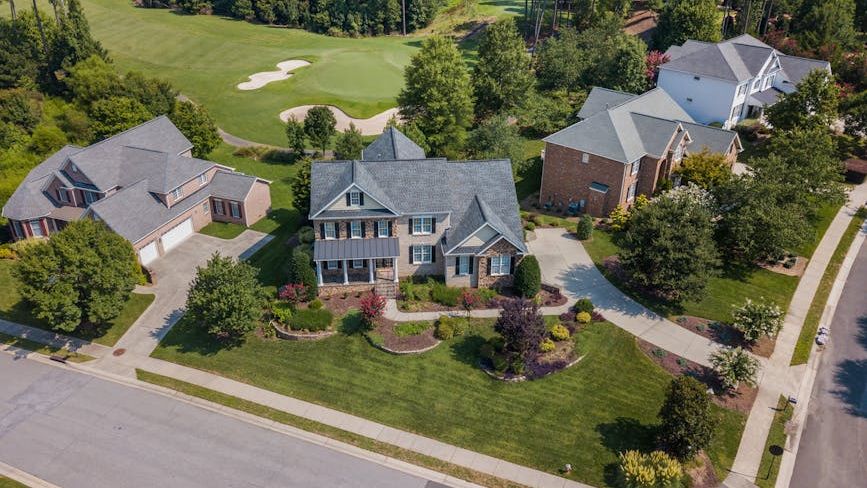

Picture this: the U.S. housing market, locked in a standoff for years, suddenly cracks open in spots. Sellers who held tight through high rates are now listing like there’s no tomorrow. Whispers of a 2026 shift – lower rates, more supply – have some rushing to cash out before prices slip.
It’s not everywhere, though. Sun Belt boomtowns and pandemic hotspots lead the charge with inventory exploding. Let’s dive into the four cities topping the charts for this frenzy.[1][2]
Raleigh, North Carolina
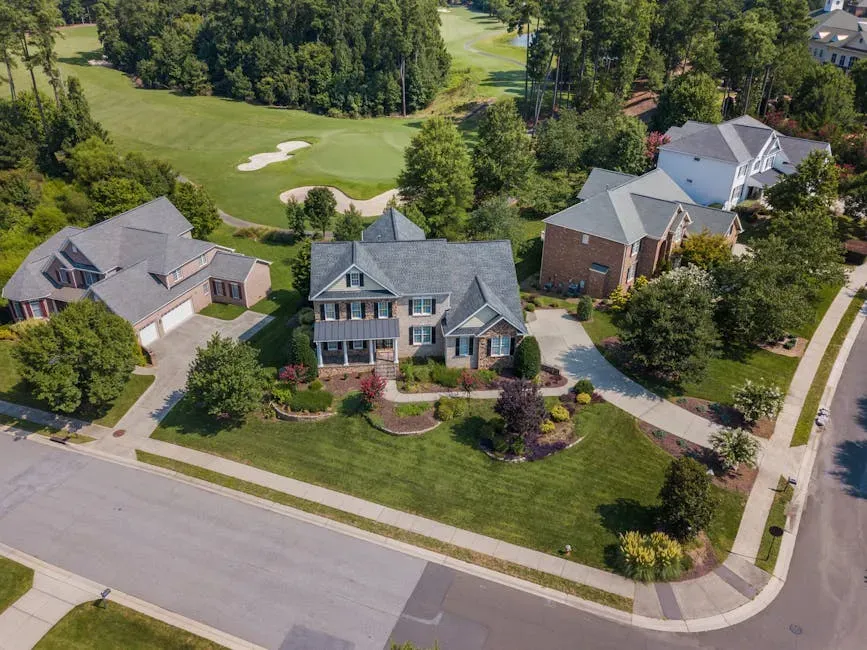
Raleigh’s inventory skyrocketed 54.5 percent year-over-year as of mid-2025, the highest in the nation.[1] Homeowners, spooked by cooling demand, flooded the market with listings. Here’s the thing: this Research Triangle hub boomed during the pandemic, but now affordability bites back.
Prices could dip 3.7 percent in 2026, per forecasts.[3] Homes sit longer, giving buyers leverage. I wouldn’t call it full panic yet, but the surge screams urgency.[2]
Las Vegas, Nevada
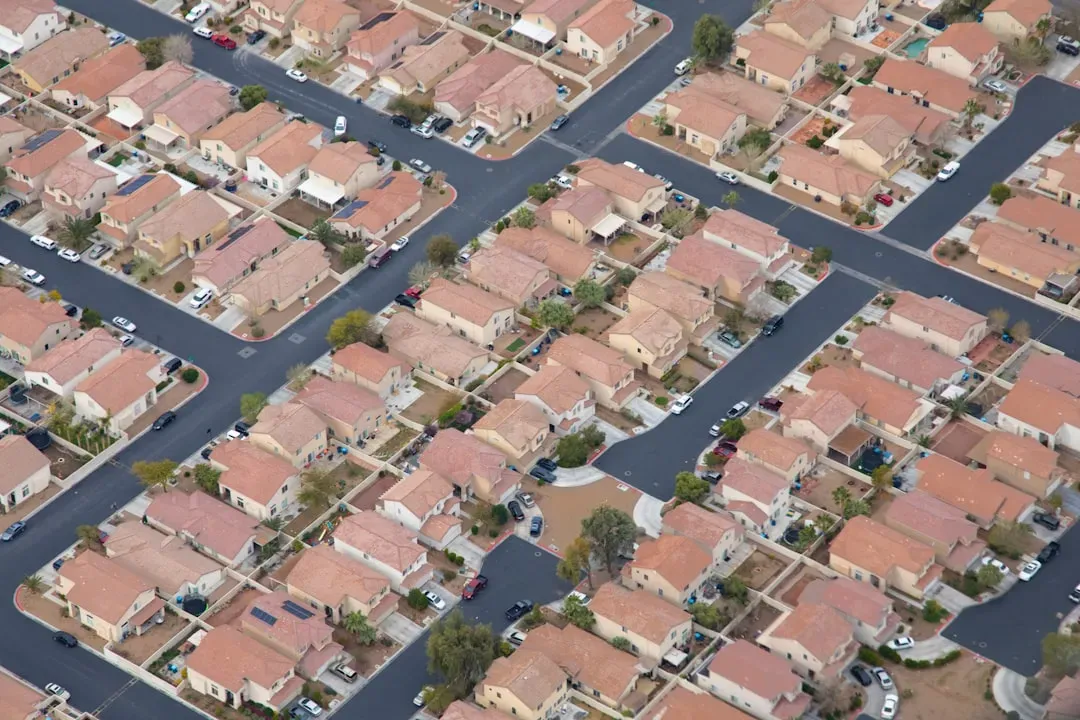
Las Vegas clocked a 43.1 percent inventory jump, second only to Raleigh.[1] What was a seller’s dream turned nightmare fast. Remote workers flocked here post-2020, driving prices sky-high, only for rates to slam the brakes.
Sellers now compete fiercely, with more homes chasing fewer buyers. This desert oasis feels the cooldown hard. Expect drawn-out negotiations as the market resets.[2]
Local agents note listings piling up weekly. It’s like a dam breaking after years of pressure.
Miami, Florida
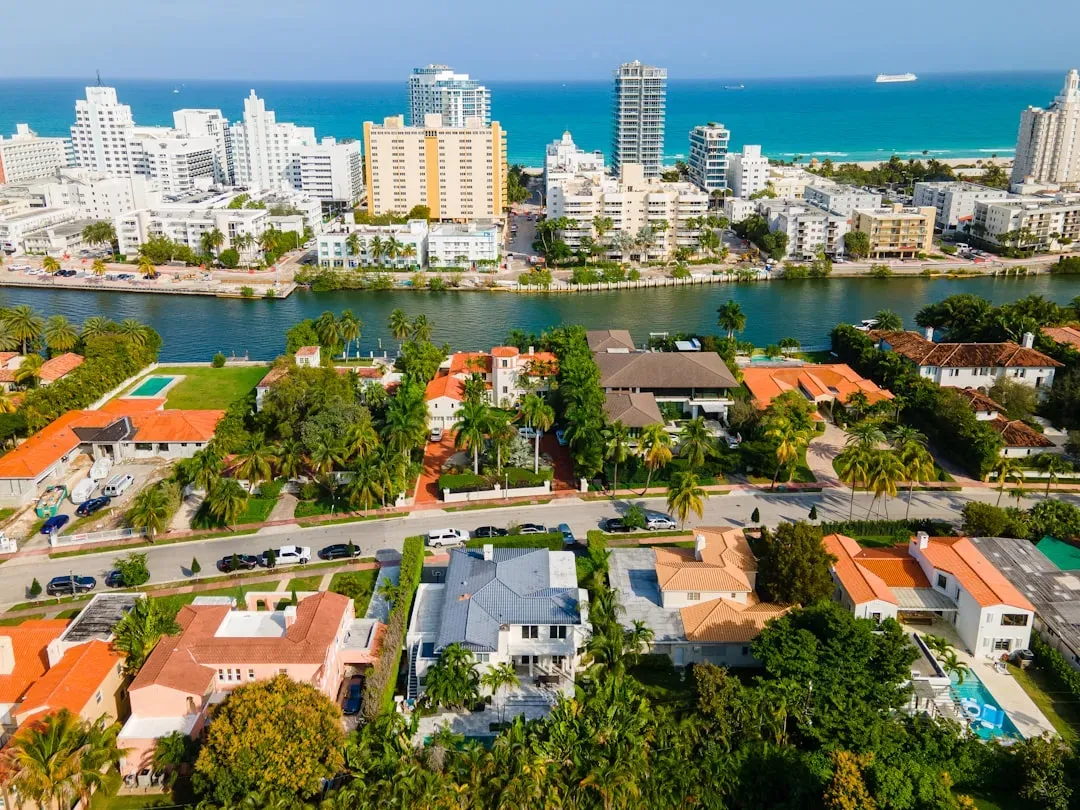
Miami saw 40.1 percent more homes for sale year-over-year.[1] The glamour city’s pandemic influx reversed as insurance costs soared and hurricanes loomed. Homeowners, eyeing a softer 2026, list preemptively.
Florida metros dominate price-drop predictions, though Miami specifics tie to broader trends.[3] Inventory surge means days on market stretching out. Buyers finally breathe easier here.
Still, high-end condos lag worst. This feels like correction, not crash – yet.
Atlanta, Georgia
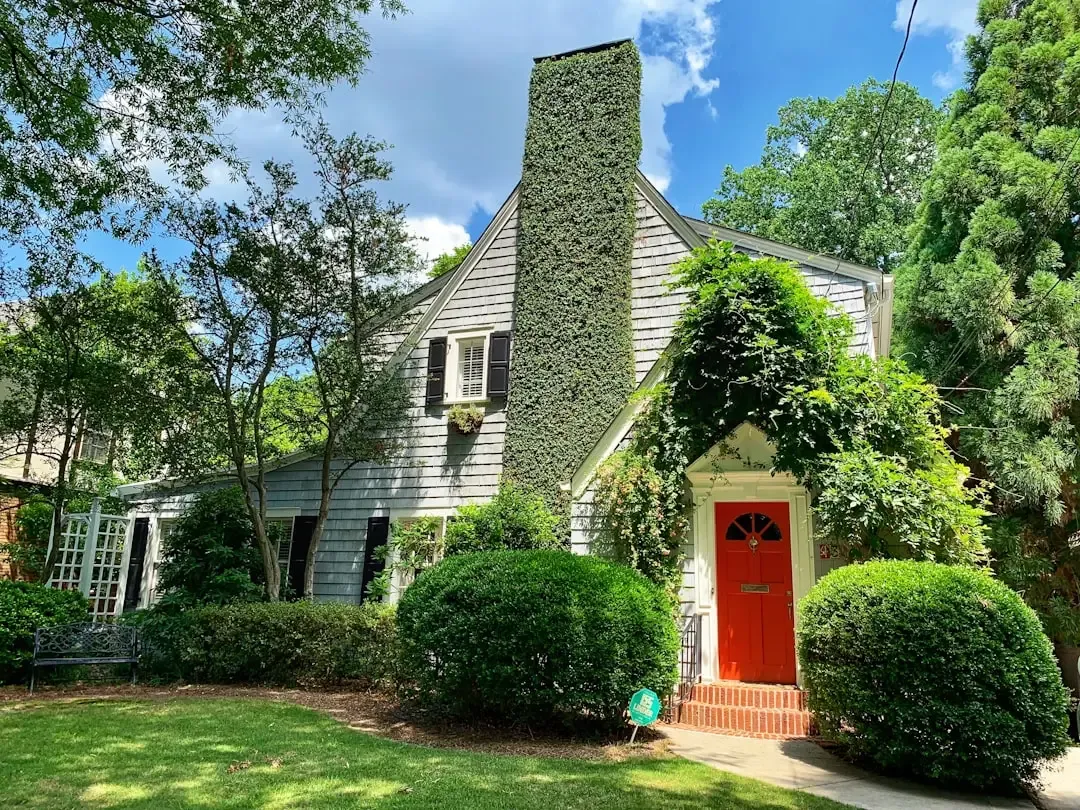
Atlanta’s 36.7 percent inventory rise ranks fourth nationwide.[1] The Peach State’s capital drew migrants for jobs and space, but now sellers flood in. Suburbs see the biggest waves as families rethink oversized pandemic buys.
Prices might edge down 0.1 percent next year.[4] With more choices, bidding wars fade. Atlanta’s growth story hits a speed bump.
Honest take: this could be smart timing before rates drop and competition heats up again.[2]
Why the Sudden Seller Surge?
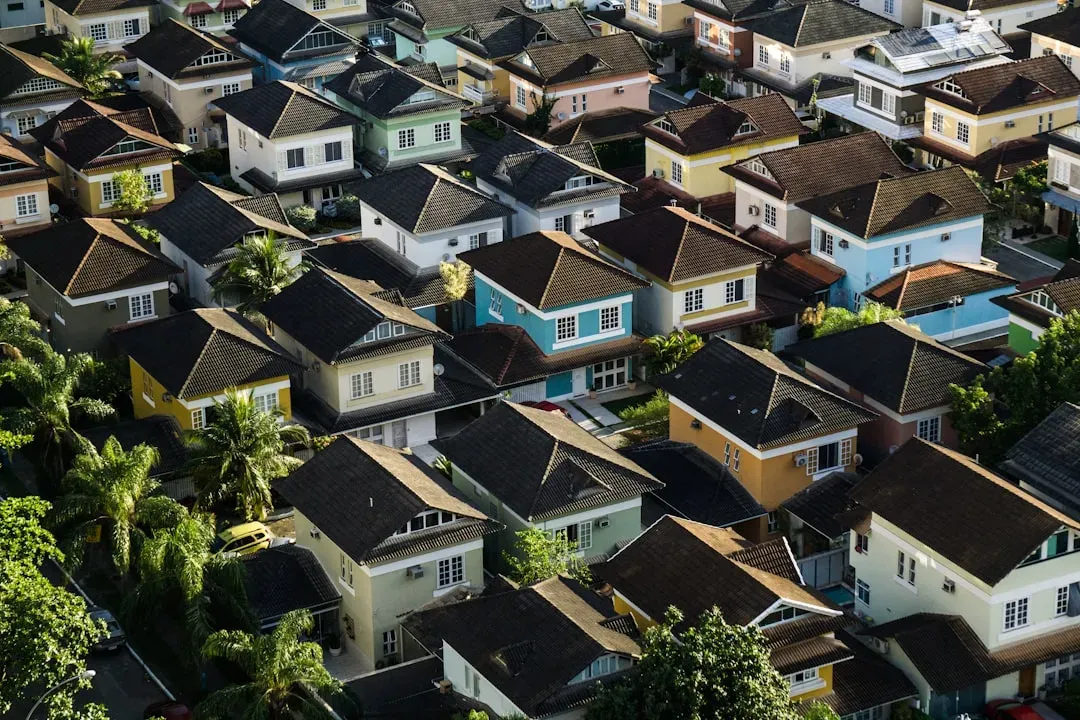
National inventory climbed 26 percent by mid-2025, highest in years.[2] Pandemic lock-ins end as life changes hit – jobs shift, emptynesters downsize. Higher rates locked many in, but now they’re out.
Sun Belt leads because booms busted first. Fear of 2026 rate cuts flooding supply pushes action now.
National Inventory Trends
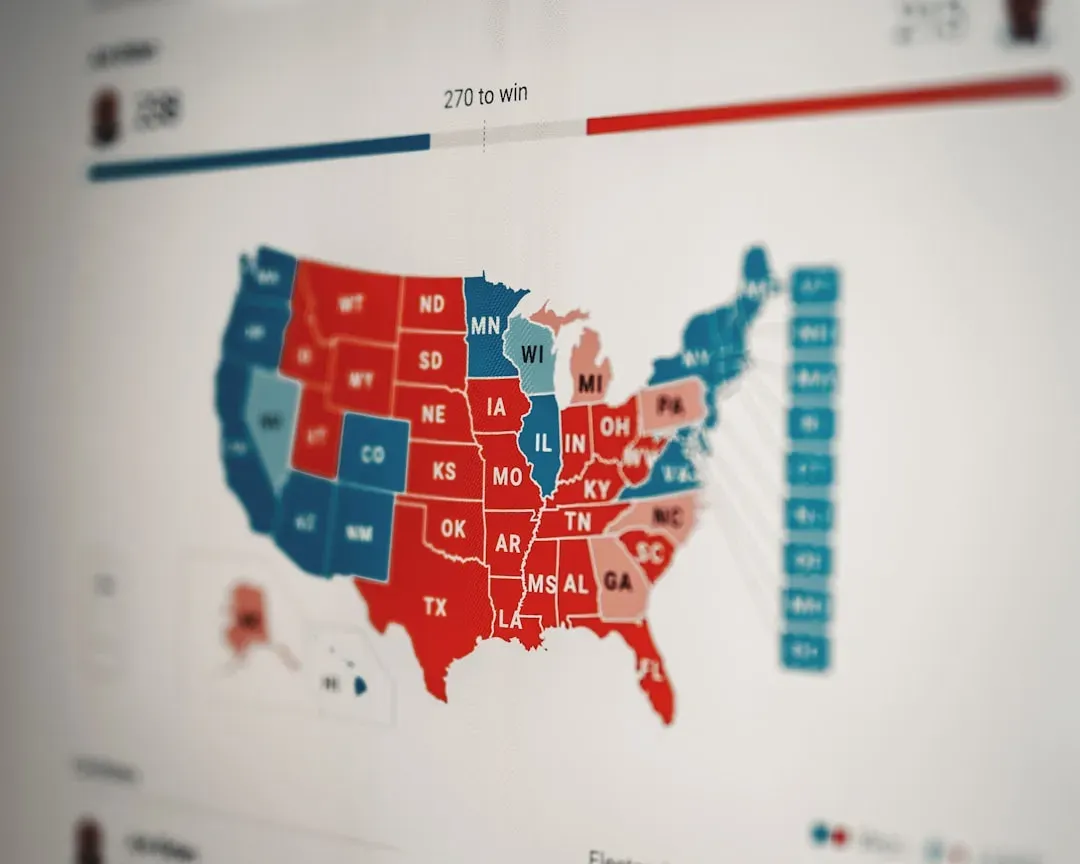
From Seattle to Houston, listings multiply.[2] Midwest lags, Northeast tightens less. Overall, buyers gain ground slowly.
Realtor.com sees price dips in 22 metros for 2026.[3] Florida and California hit hardest.
Florida’s Deeper Dive
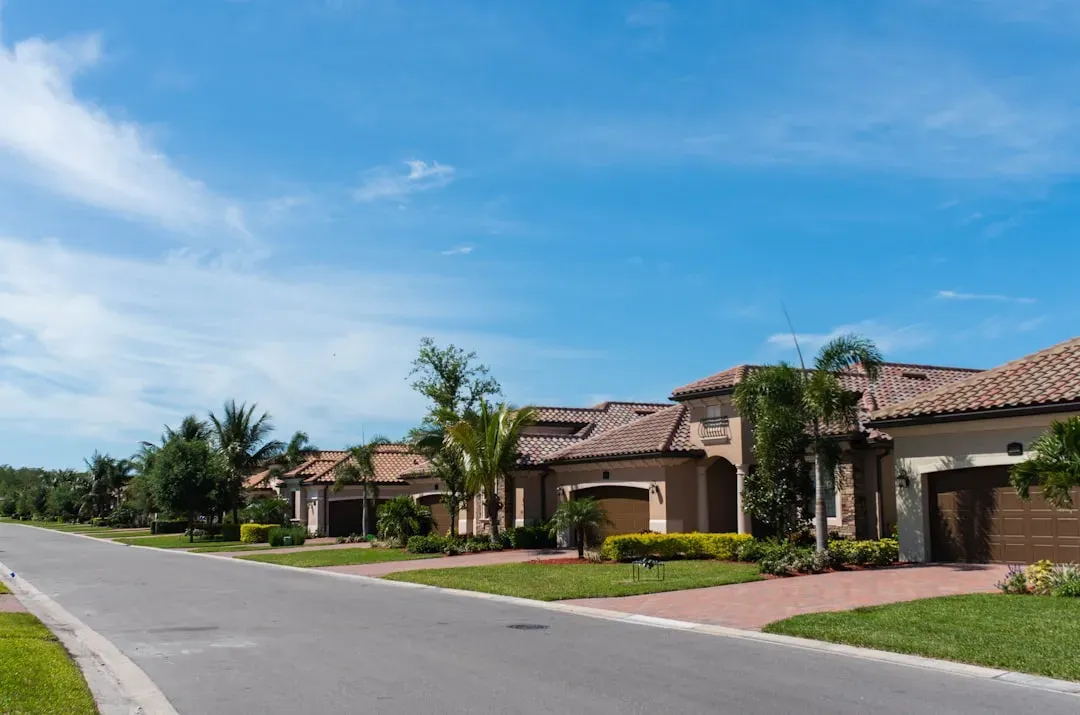
Cape Coral tops price-drop lists at minus 10.2 percent expected.[3] Inventory pressures amplify there. Hurricanes and insurance? Game-changers.
Multiple FL cities signal regional unwind.
Buyer Opportunities Ahead

More homes mean negotiating power. These cities offer deals unseen since 2019. Watch for motivated sellers dropping asks.
Still, act fast – rates could lure more competition.
Seller Strategies in Cooling Markets
Price realistically from day one. Staging matters more now. Patience wears thin with extra listings.
Some hold for shift; others bail early.
Looking Toward 2026

Market reset underway, not crash. Inventory normalizes without mass panic. Buyers, your window opens wider.[2]
What city surprises you most? Spot trends in your backyard?