
Picture this: waves crashing gently, no blaring music from next door, just the sound of locals breathing easy. Coastal spots once overrun by quick-turnover vacationers are hitting pause on Airbnbs and short-term rentals. These changes promise summers so serene they’re earning a nickname – the Silent Summer.
Five towns stand out in this pushback. They’re drawing lines in the sand against the chaos. Curious which ones and why? Let’s explore.[1]
Ocean City, Maryland: A Phased Farewell to Short Stays
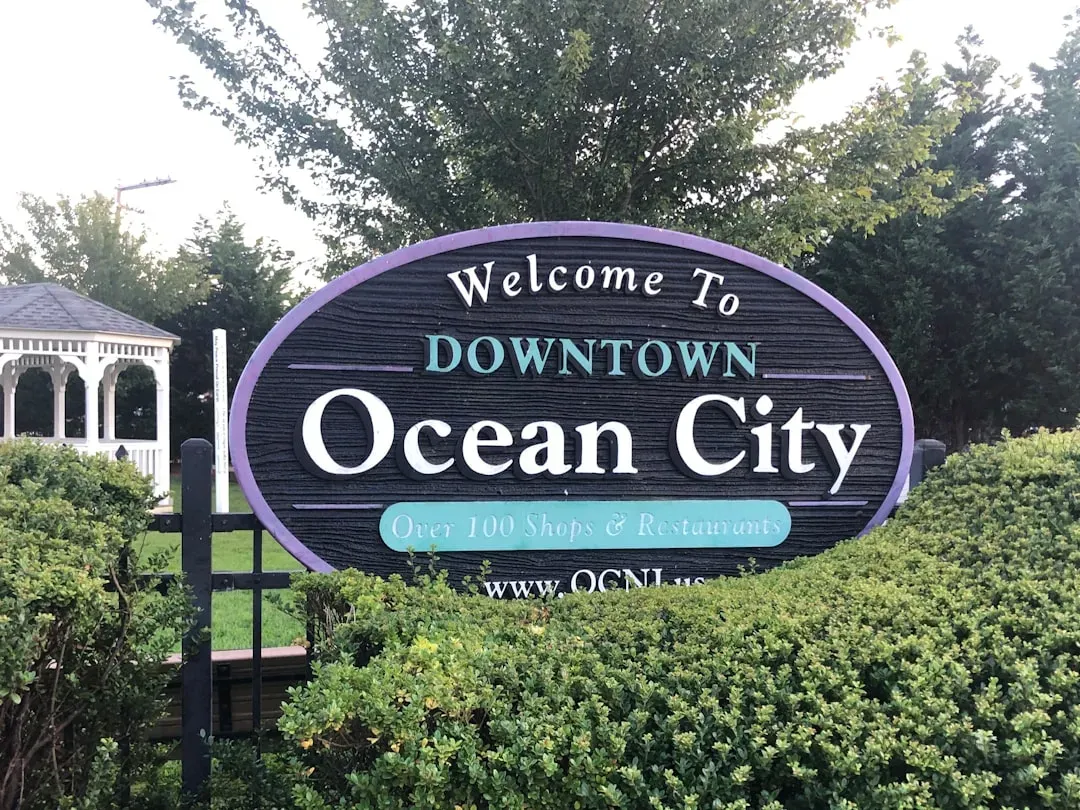
The council here voted 4-3 to roll out a tough phased plan. Starting now through 2026, rentals need a five-night minimum in residential zones. Come January 2027, that jumps to 31 nights, killing off short-term options in those areas.[2]
Locals pushed hard for this to protect neighborhood vibes. Mobile home parks and single-family spots were ground zero for complaints. Officials extended the moratorium to 2027 just to buy time for tweaks like license caps.[3] Honestly, it feels like a win for year-round residents tired of weekend warriors.
Pacifica, California: Splitting the Town Over Rules
This Bay Area beach gem drew a literal line down Highway 1. Inland, hosts must prove it’s their main home and cap unhosted rentals at 60 nights a year. Coastal zones wait on state approval, likely by mid-2026, with similar tight limits looming.[4]
Permits plummeted from 147 to 74 after renewals. Residents vented about feeling like they live by unregulated hotels. The city eyes revenue hits but prioritizes calm streets over tourist dollars. Let’s be real, who wants party noise with their ocean view?
Big Sur and Monterey County, California: Unhosted Rentals Out
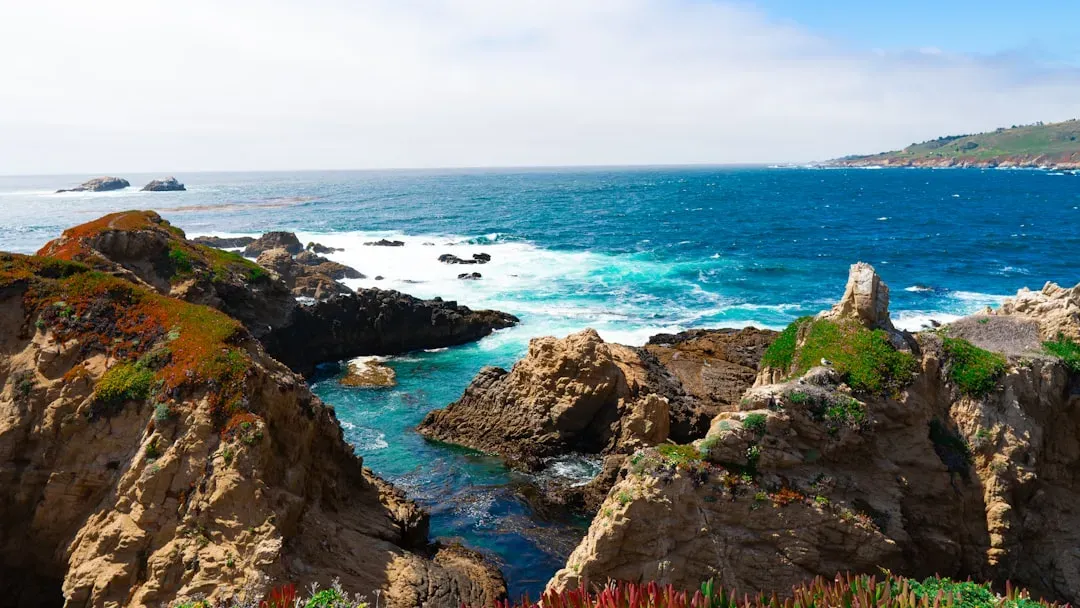
Supervisors greenlit a ban on unhosted Airbnbs in coastal residential zones. That wipes out all 37 in Big Sur, plus many in Carmel and Pebble Beach. Limits drop to 4% of homes elsewhere along the coast, effective around 2026.[5]
Housing shortages fueled the fire, with workers commuting hours. Empty mansions irked locals amid the crunch. Hosted stays or rare rentals get a pass, but the vibe shifts to quieter shores. I know it sounds drastic, yet it targets the real disruptors.
Sausalito, California: No More Under-30-Day Deals

Just north of San Francisco, this waterfront town outlawed rentals shorter than 30 days. New ordinances sharpen fines for sneaky ads that pop up only on peak weekends. Enforcement ramps up to catch those flying under the radar.[1]
The goal? Keep residential areas from turning into pop-up hotels. Summer prices might spike as options dwindle. Hosts adapt or bail, leaving space for locals. It’s a bold move in a pricey spot where every listing counts.
Fewer quick getaways mean more peace for bay views.
Provincetown, Massachusetts: Inspections Seal the Deal
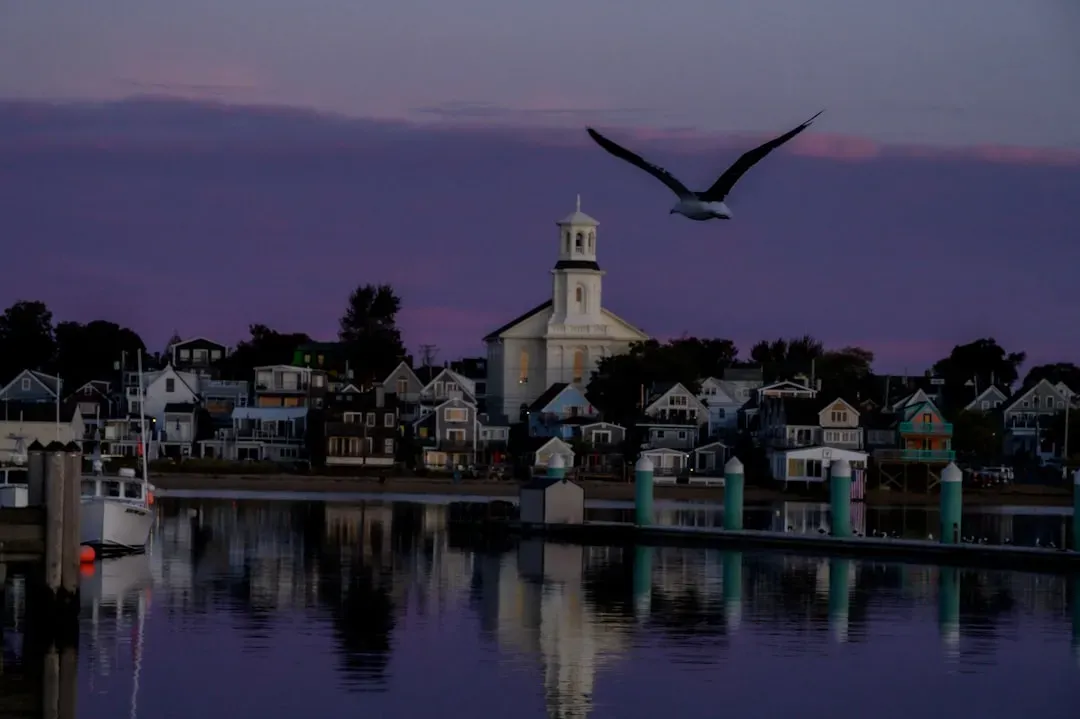
Cape Cod’s tip now demands safety inspections for rental certificates. Kicks in July 2025, slowing new Airbnbs cold. Ties into state building codes to weed out risky spots.[1]
This coastal hotspot eyes controlled tourism over unchecked growth. Party crowds thin out with higher hurdles. Locals savor the shift toward sustainable stays. Think of it like quality control for your beach escape.
The Housing Crisis at the Core
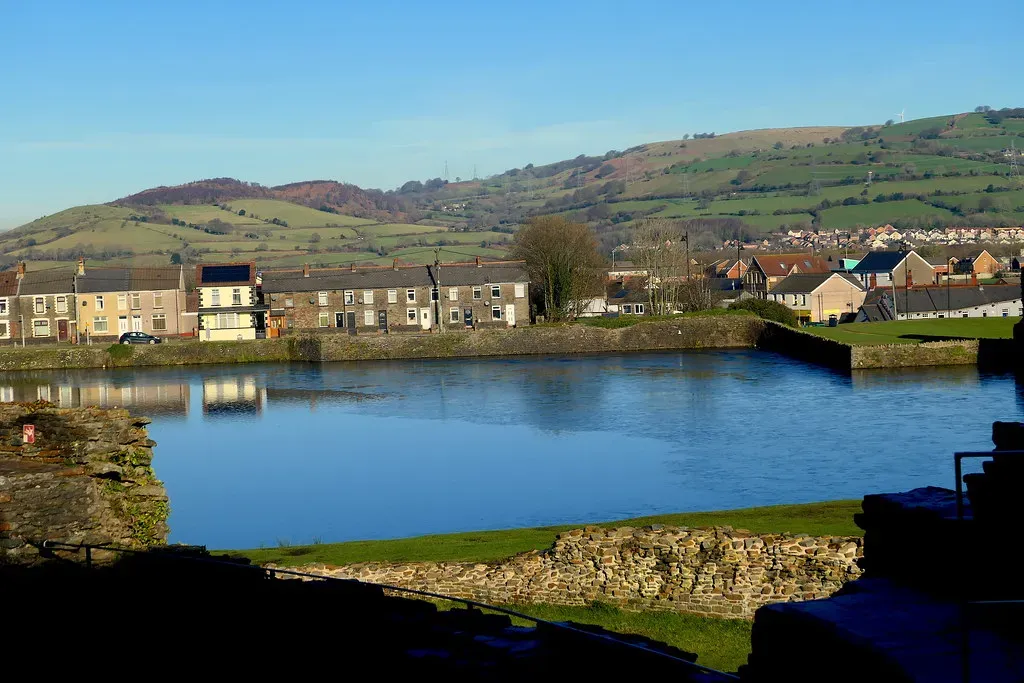
Across these towns, short-term rentals gobble up family homes. Nearly everywhere, studies link them to higher rents and fewer long-term options. Coastal spots suffer most, with workers priced out or commuting far.[4]
Bans aim to flip that script. Officials bet reclaimed houses ease the squeeze. Yet skeptics wonder if supply really follows. Still, the intent rings true in overheated markets.
Noise, Trash, and Parking Nightmares
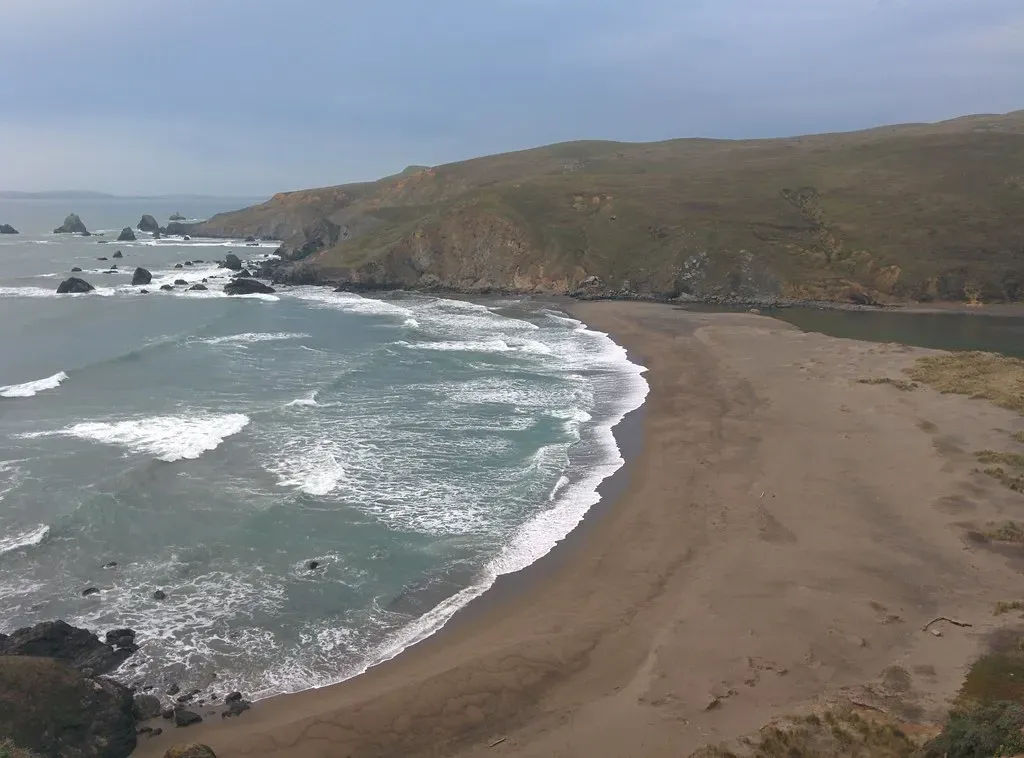
Weekend warriors bring chaos that locals dread. Overflow parties, littered beaches, jammed streets – classic gripes. East Haven nearby cites these exact headaches in its 2026 rules.[1]
Longer stays or no stays promise relief. Neighborhoods reclaim their peace. It’s not anti-tourist, just pro-quiet nights. Who wouldn’t trade blaring bass for cricket chirps?
Tourism Takes a Hit – Or Does It?
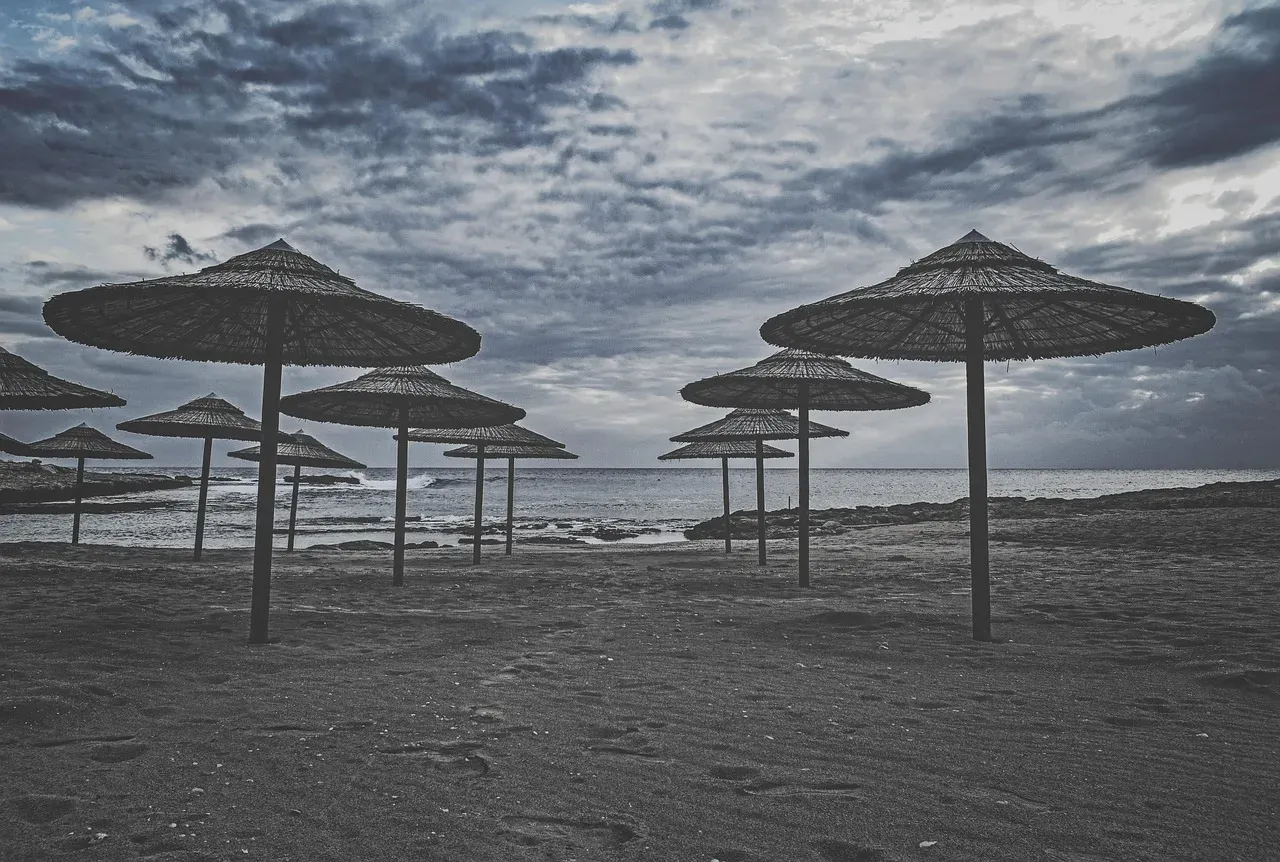
Airbnb listings vanish, sparking revenue worries. Pacifica forecasts a million-plus tax dip. But hotels and longer bookings might fill gaps.[4]
Summers quiet down, appealing to chill seekers. Families book ahead for compliant spots. The Silent Summer could redefine appeal. Change always stirs debate.
Enforcement: The Real Battle
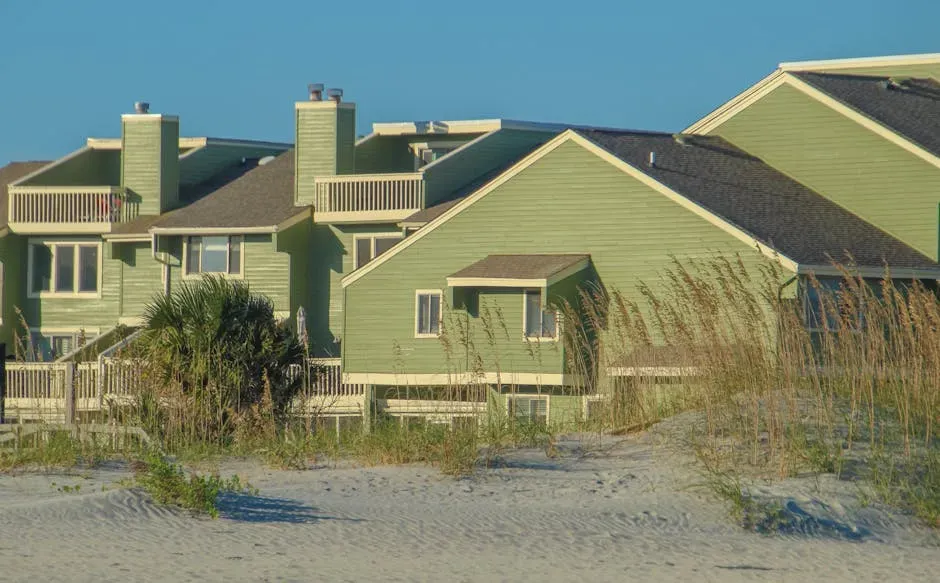
Fines stack daily for illegal ads now. Platforms face pressure to delist. Towns like Sausalito hunt underground ops relentlessly.[1]
Tech tools track bookings smarter. Permits demand proof and renewals. Slip-ups cost big. It keeps the rules teeth sharp.
A Glimpse of Summers Ahead
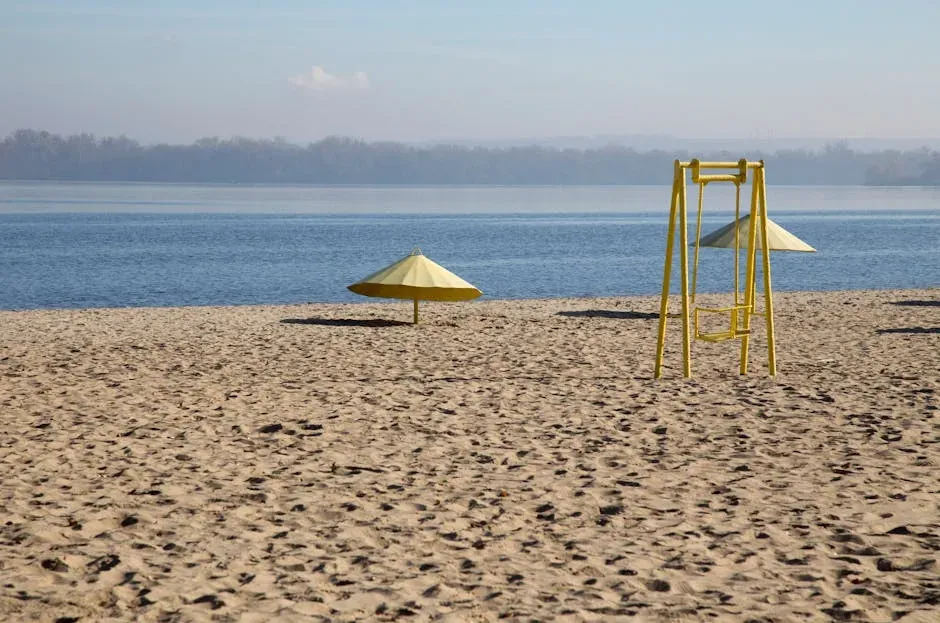
By 2027, these spots pioneer the trend. More towns watch closely. Quieter coasts emerge, housing stabilizes maybe.
What started as local fights shapes travel. Would you swap rowdy rentals for serene shores? The wave’s just beginning.[1]